Cabin Design
Simple, small-scale, and intimately cozy - cabin style creates the ultimate escape from the modern world through honest materials and fireside warmth.
About the Style
What Is Cabin Design?
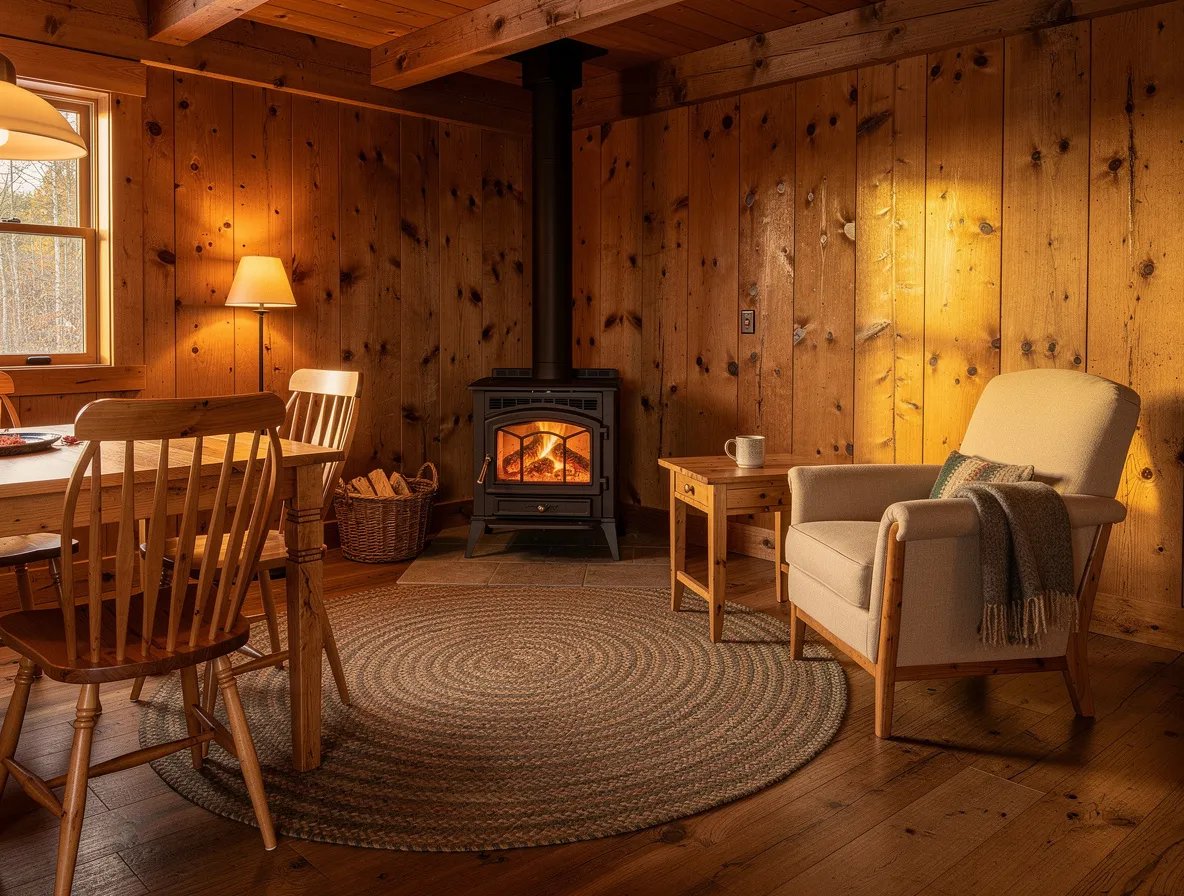
Cabin design is about reduction to essentials - a small, warm shelter in nature with everything you need and nothing you do not. Log walls, a central fireplace or wood stove, simple timber furniture, wool blankets, and the sound of rain on the roof define the cabin experience. The style is unpretentious and anti-status, finding beauty in simplicity, natural light, and the pleasure of being sheltered in a wild landscape.
Why People Love It
-
Ultimate sense of shelter and safety - the original refuge from the world
-
Small scale forces creative, efficient use of every square inch
-
The combination of fire, timber, and wool is universally comforting
-
Cost to build and maintain is far lower than any other aesthetic
Key Characteristics
-
Log or tongue-and-groove timber walls
-
Central wood-burning stove or fireplace
-
Simple, utilitarian timber furniture
-
Wool blankets and flannel textiles
-
Small windows with deep reveals
-
Minimal possessions - only what is needed
Color Palette
Materials
Ideal For
Room-by-Room
Cabin Design in Every Room
How cabin design translates across every space in your home
Living Room
A central wood stove, log walls, a simple timber sofa with wool cushions, bookshelves on every wall, and a small window looking into the trees.
Kitchen
Open timber shelving, a cast iron range or small modern range, a simple farmhouse sink, and a small table with two wooden chairs.
Bedroom
A low timber bed with wool blankets and flannel sheets, a single bedside shelf with a lamp and a book, log walls, and minimal possessions.
Bathroom
Simple cedar or pine vanity, a small cast iron soaking tub or shower, stone or tile floor, and a single window.
Exterior
Log or timber frame construction, a metal or wood shingle roof, a covered porch with two rocking chairs, and native forest plantings.
Visualize It First
See Cabin Design in Your Space
Upload any photo and our AI transforms it into cabin style in seconds
Upload a photo
Any room, any angle. Interior or exterior - phone photo is fine.
Select "Cabin"
Choose this style from our library or describe it to the AI in plain language.
Get your design
Photorealistic result in seconds. Download in HD or 4K resolution.
Expert Advice
How to Achieve Cabin Design
Practical tips from designers who work with cabin style every day.
Center everything on the wood stove or fireplace - in a cabin, this is not a feature but the entire reason the room exists.
Use every square inch of wall for storage - floating shelves, peg rails, and a single built-in bookshelf maximize a small footprint.
Choose pine or cedar furniture that can be made locally or sourced simply - cabin furniture should be straightforward and honest.
Layer wool blankets, flannel throws, and sheepskin on seating and beds - warmth is the primary material quality in a cabin interior.
Keep technology minimal and deliberate - one powerful speaker, a simple lamp, and a fire-starting kit are all the technology a true cabin needs.
Curious Facts
Surprising Facts About Cabin Design That Most People Get Wrong
The cabin aesthetic carries powerful associations - simplicity, escape, nature - but the reality of modern cabin design is far more surprising and sophisticated than the rustic cliche suggests.
The Most Expensive Homes in Many Mountain Resorts Are Cabins
In Aspen, Jackson Hole, and Whistler, the highest-value properties are often described as cabins - though they may have heated floors, full smart home systems, architect-designed interiors, and price tags in the tens of millions. The cabin label has become aspirational rather than humble.
The Tiny Cabin Movement Started in Japan
The contemporary tiny cabin movement - simple, architecturally designed small structures in natural settings - was pioneered by Japanese architects in the 1980s and 1990s, not American minimalists. Japanese architects like Kazunari Sakamoto and Kengo Kuma designed small woodland structures that demonstrated how minimal space and maximum connection to nature could be a luxury rather than a privation.
A Cabin Can Be Built for Under $50,000
A basic, well-designed 400 sq ft cabin using structural insulated panels and modest finishes can be built for $50,000-70,000 in many parts of the US - which makes the cabin the most accessible form of second-home ownership. The 'shell and services' approach (professional structure, self-finish interior) makes it even more affordable.
Dark Interiors Are More Traditional Than Light Ones
Many people instinctively paint cabin interiors white to feel less oppressive. But historically, log cabin interiors had dark interiors - the wood was left unfinished and simply darkened over time with smoke and oil. The 'white cabin' is a contemporary reinvention; the authentic version was much darker and more cave-like.
Style Pairings
Styles That Complement Cabin
Mix cabin with these styles for a layered, personal look.
Rustic
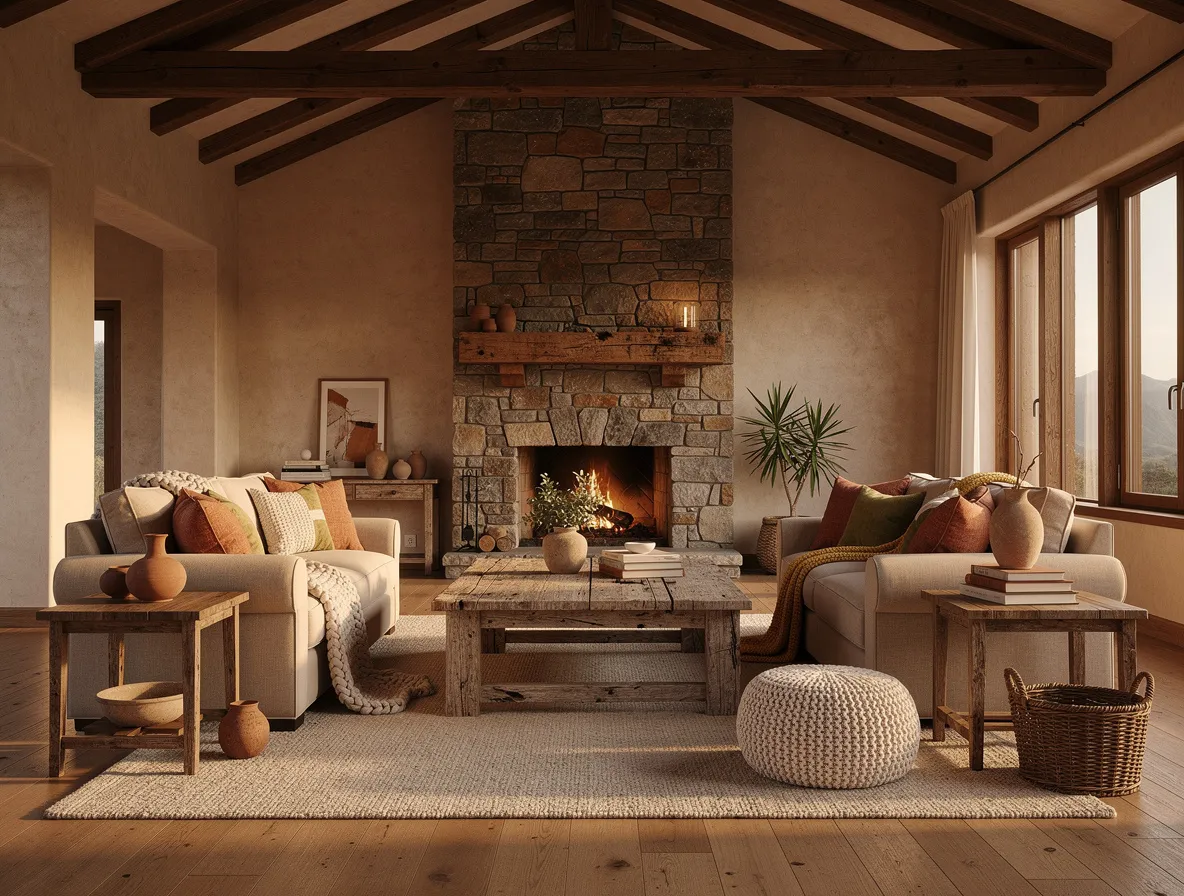
Exposed wooden beams, stone fireplaces, and reclaimed wood furniture bring raw, organic beauty to every room.
Ranch
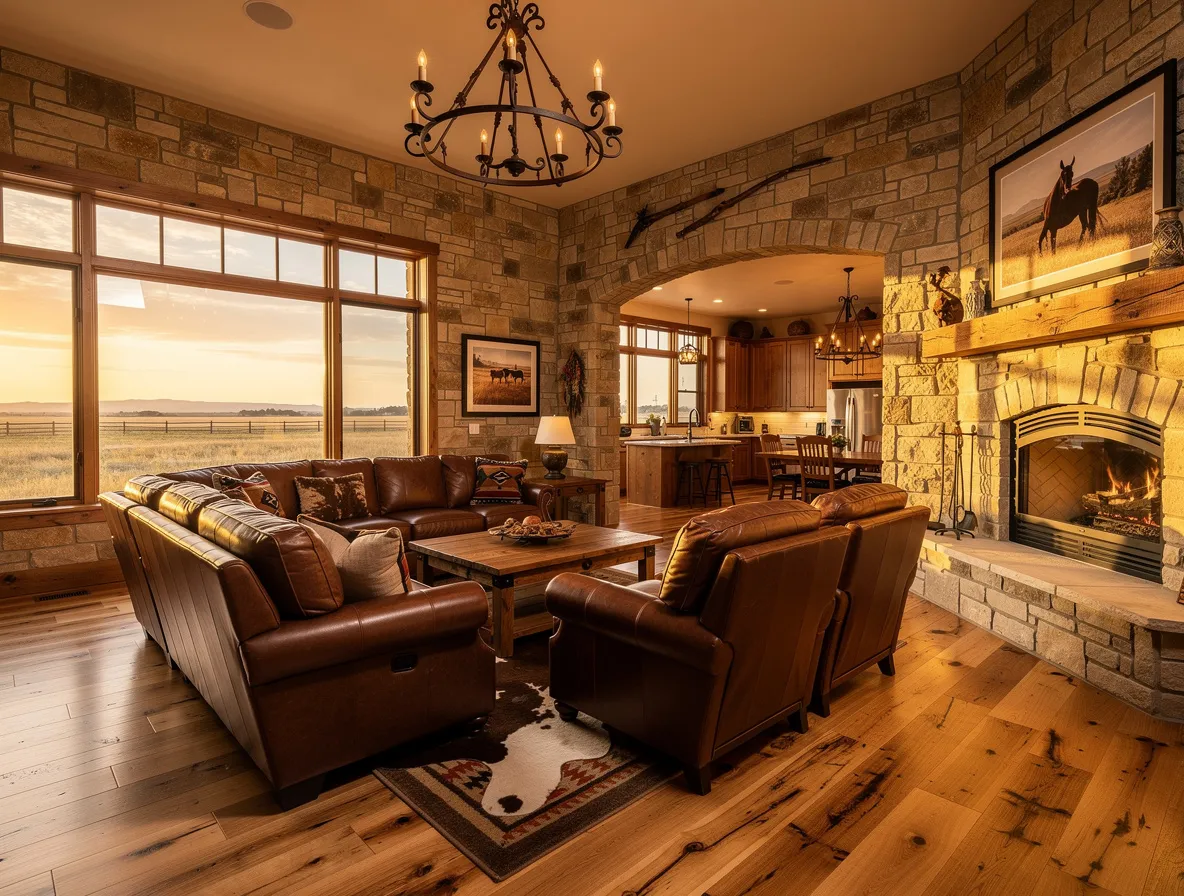
Open floor plans, natural stone, and leather seating capture the spirit of the American West in a modern setting.
Lodge
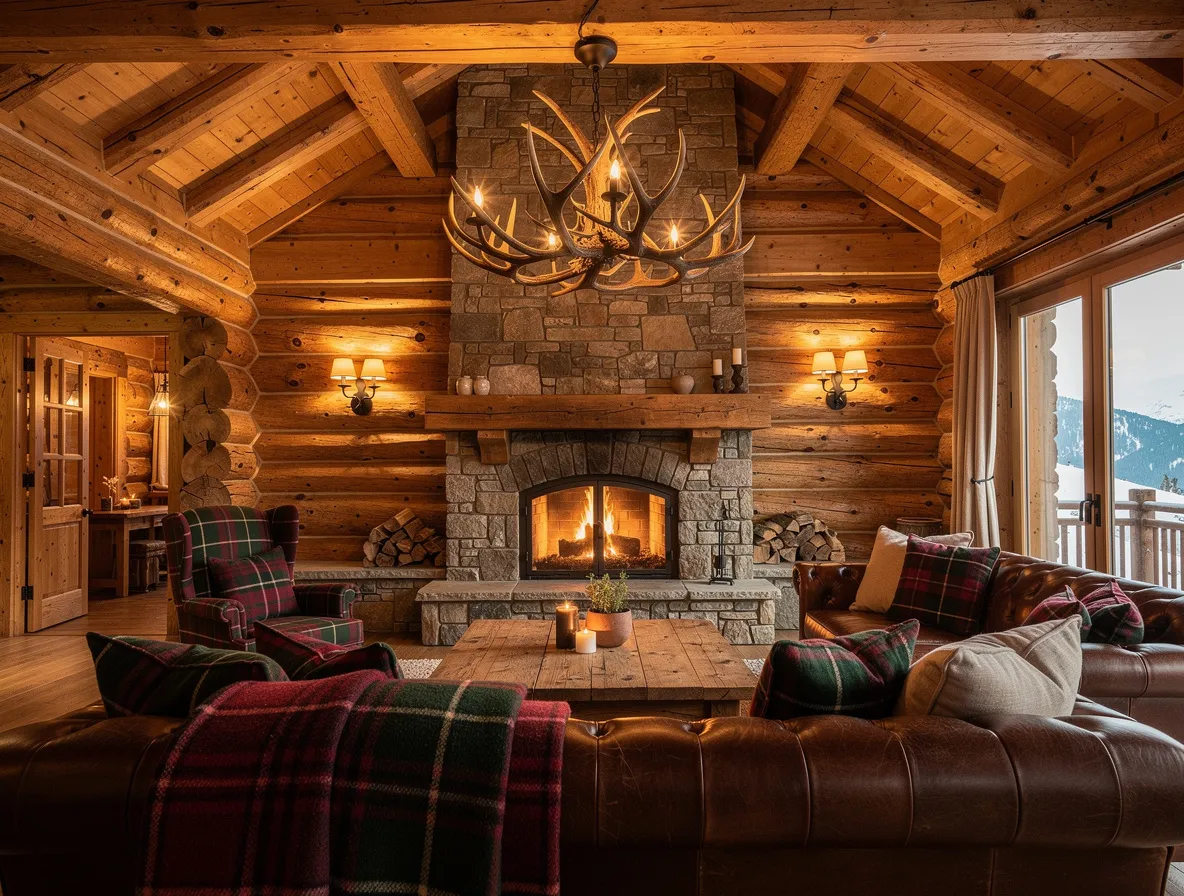
Massive stone fireplaces, log walls, and antler chandeliers bring mountain retreat luxury to your home.
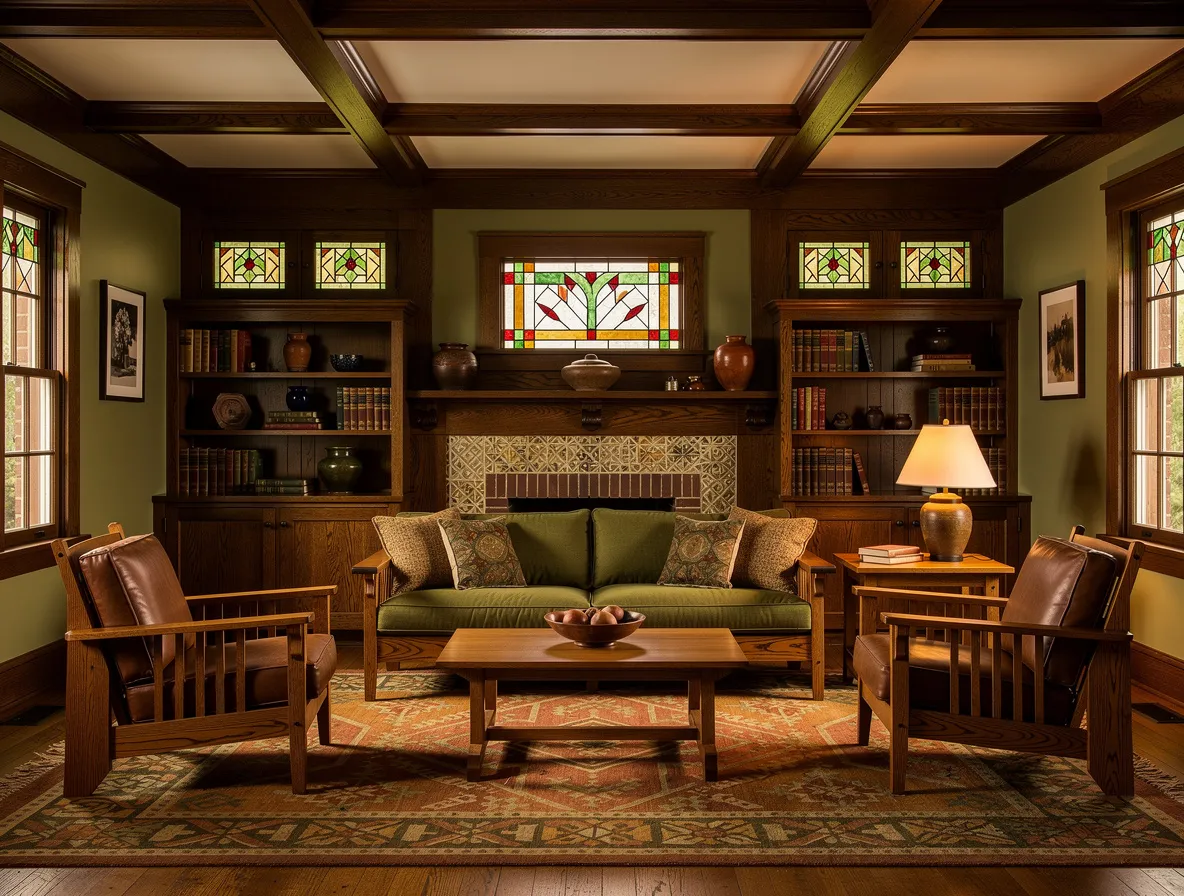
Craftsman
Built-in bookcases, rich wood trim, and stained glass accents celebrate the arts-and-crafts movement's legacy.
Common Questions
Cabin Design: FAQ
What makes a good cabin interior?
Warmth, natural materials, and a strong connection to the outdoors. A wood-burning stove or fireplace, exposed structural elements, simple furniture, and textiles that are comfortable rather than decorative.
Should cabin walls be painted white or left natural?
Both work. White-painted log or wood walls feel airier and more contemporary. Natural or stained wood is more traditional and cozy. The choice depends on whether you want the space to feel expansive or enveloping.
What furniture suits a cabin interior?
Simple, sturdy pieces that can take wear - solid wood tables, leather or canvas chairs, built-in benches. Avoid delicate or formal furniture that contradicts the cabin atmosphere.
What is the difference between cabin and lodge design?
Cabin is smaller-scale and more personal - it is about individual shelter and simplicity. Lodge is grander, more communal, and more theatrical in its celebration of the outdoors. A cabin whispers; a lodge declares.
Ready to Transform Your Space?
Upload a photo and see it in cabin style - or any of our 80+ other styles - in seconds.