Cottage Design
Charming, cozy, and intimately scaled - cottage style wraps every room in warmth, pattern, and the reassuring personality of a home that has grown organically over time.
About the Style
What Is Cottage Design?
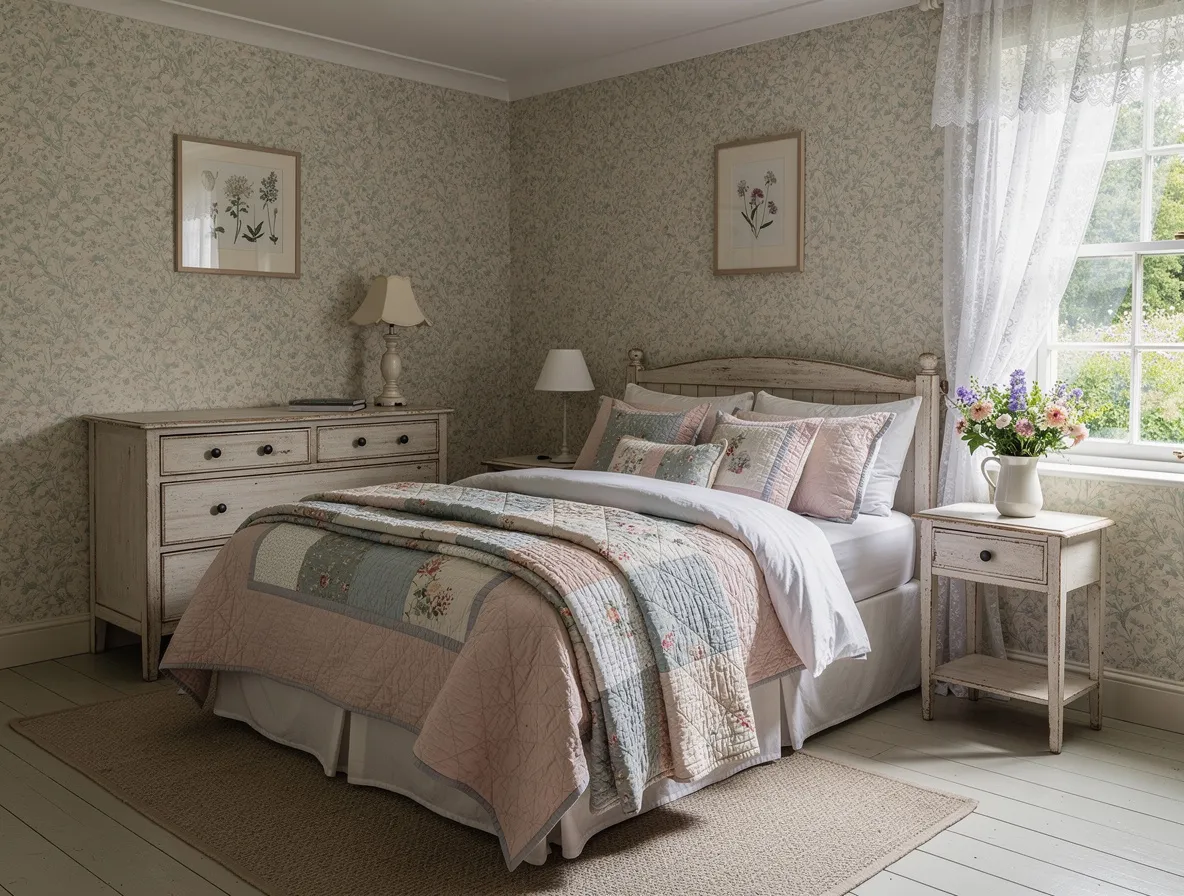
Cottage design is the interior world of the small, beloved country house - rooms with low ceilings, deep windowsills, uneven floors, and years of accumulated personality. Floral wallpapers, painted furniture, patchwork quilts, and hand-collected objects define the aesthetic. The style resists perfection and uniformity; its beauty is in the layering of personal objects, imperfect materials, and well-loved pieces.
Why People Love It
-
Creates the most intimate, personal, and genuinely unique interior of any style
-
Every object tells a story - the style rewards collecting and personal history
-
Low-budget friendly - charity shops and car boot sales are the best suppliers
-
Imperfection is an asset, not a problem, in a cottage interior
Key Characteristics
-
Floral wallpaper or botanical-print fabrics
-
Low ceilings with exposed beams
-
Deep windowsills with plants and objects
-
Painted and distressed furniture
-
Patchwork quilts and layered textiles
-
Hand-collected objects and vintage finds
Color Palette
Materials
Ideal For
Room-by-Room
Cottage Design in Every Room
How cottage design translates across every space in your home
Living Room
Overstuffed floral sofa with mismatched cushions, a low beamed ceiling, bookshelves full of well-read books, a cat by the fire, and flowers everywhere.
Kitchen
Painted dresser, a Butler sink, limewashed or painted plank walls, stone flag floor, and a small kitchen table with Windsor chairs.
Bedroom
Painted iron bed, patchwork quilt, botanical print wallpaper, low ceiling with beams, and a jug of wildflowers on a painted bedside table.
Bathroom
A small claw-foot tub or roll-top, tongue-and-groove painted walls, floral curtain instead of a shower screen, and vintage accessories.
Exterior
Thatched or stone-tiled roof, climbing roses, a picket fence, a small wildflower garden, and a painted front door in sage or blue.
Visualize It First
See Cottage Design in Your Space
Upload any photo and our AI transforms it into cottage style in seconds
Upload a photo
Any room, any angle. Interior or exterior - phone photo is fine.
Select "Cottage"
Choose this style from our library or describe it to the AI in plain language.
Get your design
Photorealistic result in seconds. Download in HD or 4K resolution.
Expert Advice
How to Achieve Cottage Design
Practical tips from designers who work with cottage style every day.
Embrace pattern mixing without fear - a floral wallpaper with a striped cushion and a gingham curtain is correct cottage layering.
Paint kitchen and bedroom furniture in a chalky pastel rather than replacing it - pale blue, sage, or soft yellow transform tired furniture.
Fill windowsills with plants, collected stones, vintage bottles, and objects found on walks - the cottage windowsill is its own small world.
Use peg rails in hallways and bedrooms rather than built-in wardrobes - they add cottage character and are inexpensive to install.
Hang art in a relaxed, impromptu way - mix oil paintings with watercolors, postcards, and botanical prints at varying heights.
How It Evolved
From Medieval Peasant Housing to Modern Cottagecore
Cottage design has the longest and most fascinating evolution of any interior style - from necessity to nostalgia to digital cultural phenomenon over eight centuries.
The Original Cottage - Tiny and Functional
Medieval cottages were one or two-room structures with earthen floors, a central open hearth, and minimal furniture. Everything served a function. The low ceiling, small windows, and thick walls were dictated by construction technology and the need for insulation, not aesthetic choice.
Picturesque Movement - Cottage as Art
English landscape designers began designing ornamental cottages for aristocratic estates in the 1750s as picturesque garden features. These deliberately quaint structures - with exaggerated thatched roofs and rustic timbers - romanticised the cottage into an aesthetic ideal. The gap between the real peasant cottage and the romanticised version was complete.
Arts and Crafts Cottage Idealism
William Morris and the Arts and Crafts movement embraced cottage design as an antidote to industrial ugliness - handmade textiles, locally sourced materials, and a cozy domesticity in reaction to Victorian excess. Morris's Red House (1860) was a cottage-inspired home designed as a complete work of art. This is the most influential version of cottage design.
Cottagecore - The Digital Fantasy
TikTok and Instagram transformed cottage aesthetics into a global micro-culture called cottagecore - a deliberate, slightly theatrical performance of rural simplicity. Floral wallpapers, linen pinafores, jars of homemade jam, and trailing house plants. It is less about actual cottage living and more about the emotional fantasy of a slower, more tactile world.
Style Pairings
Styles That Complement Cottage
Mix cottage with these styles for a layered, personal look.
Farmhouse
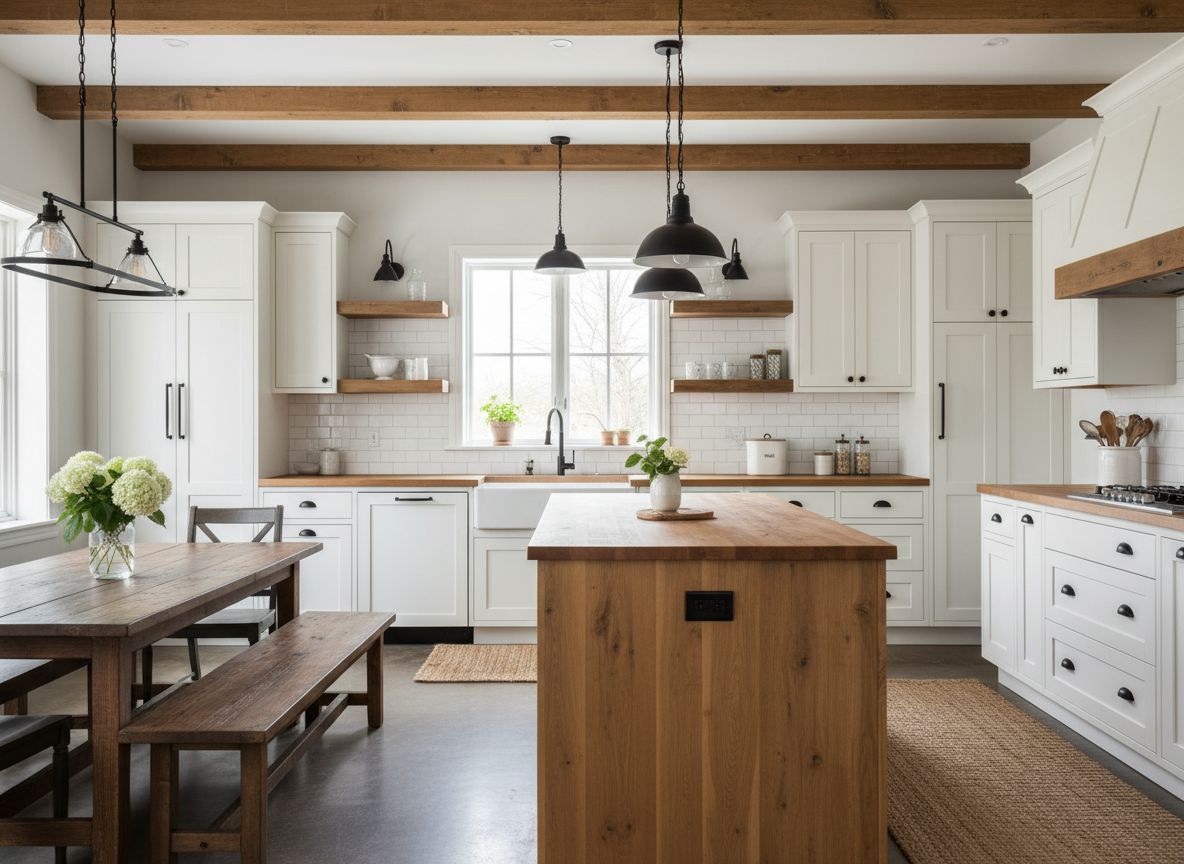
Warm, inviting spaces with rustic charm and modern comfort. Shaker cabinets, natural wood elements, and vintage-inspired fixtures.
Rustic
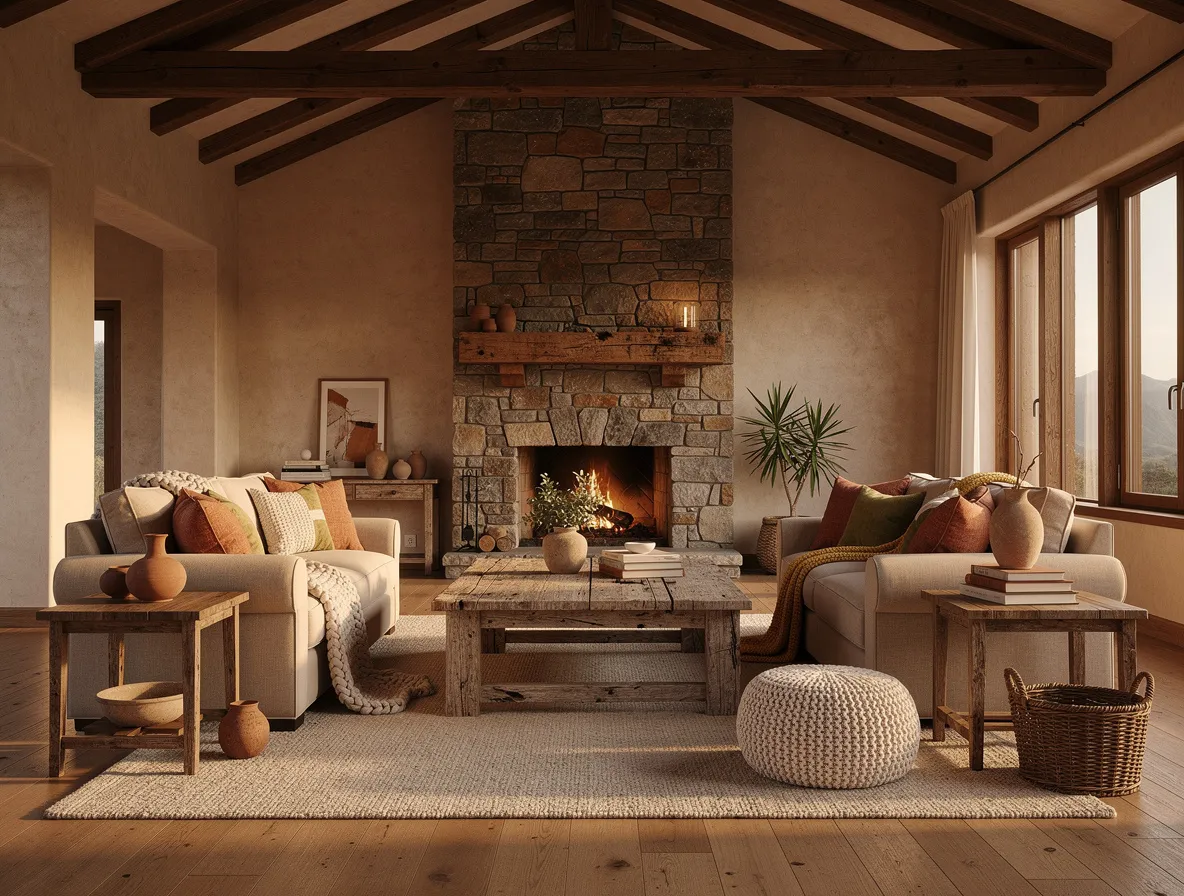
Exposed wooden beams, stone fireplaces, and reclaimed wood furniture bring raw, organic beauty to every room.
Country
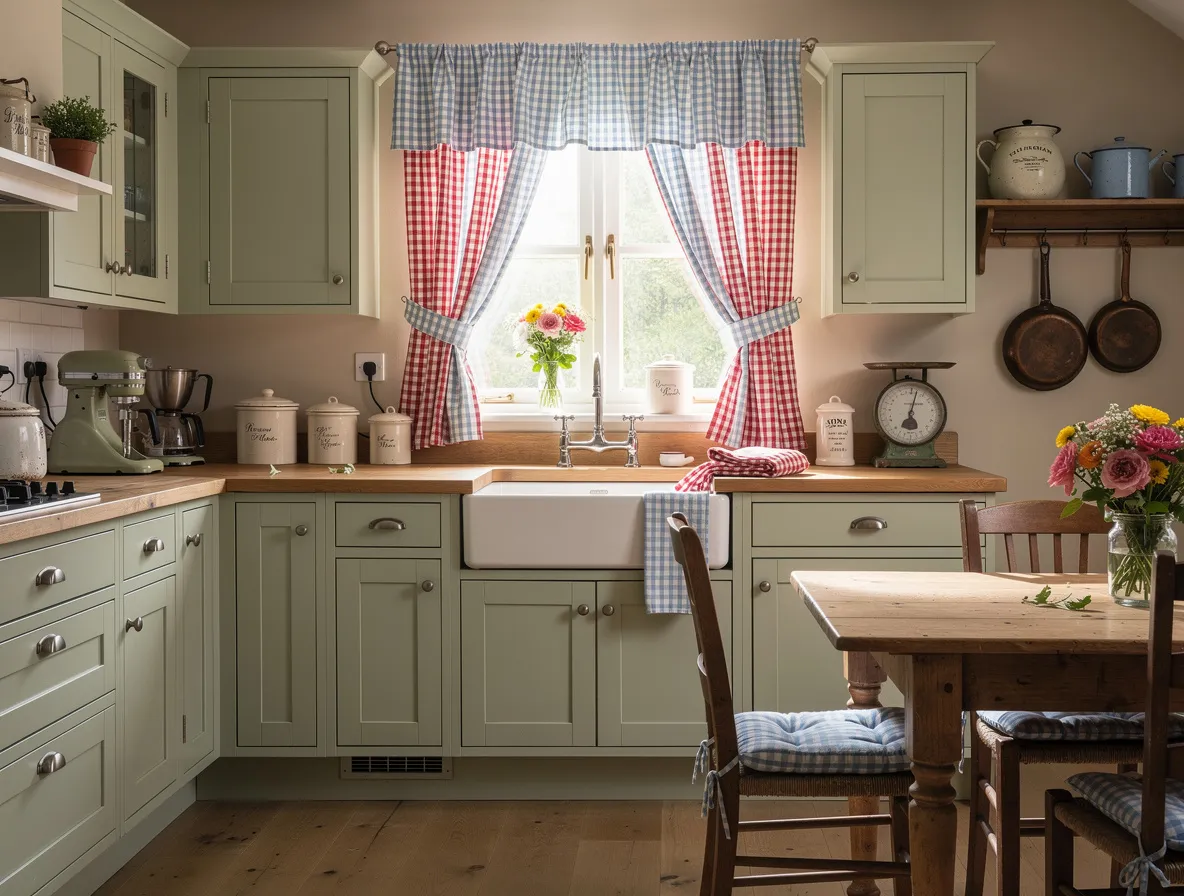
Charming painted cabinets, gingham fabrics, and fresh flowers create a wholesome, welcoming atmosphere.
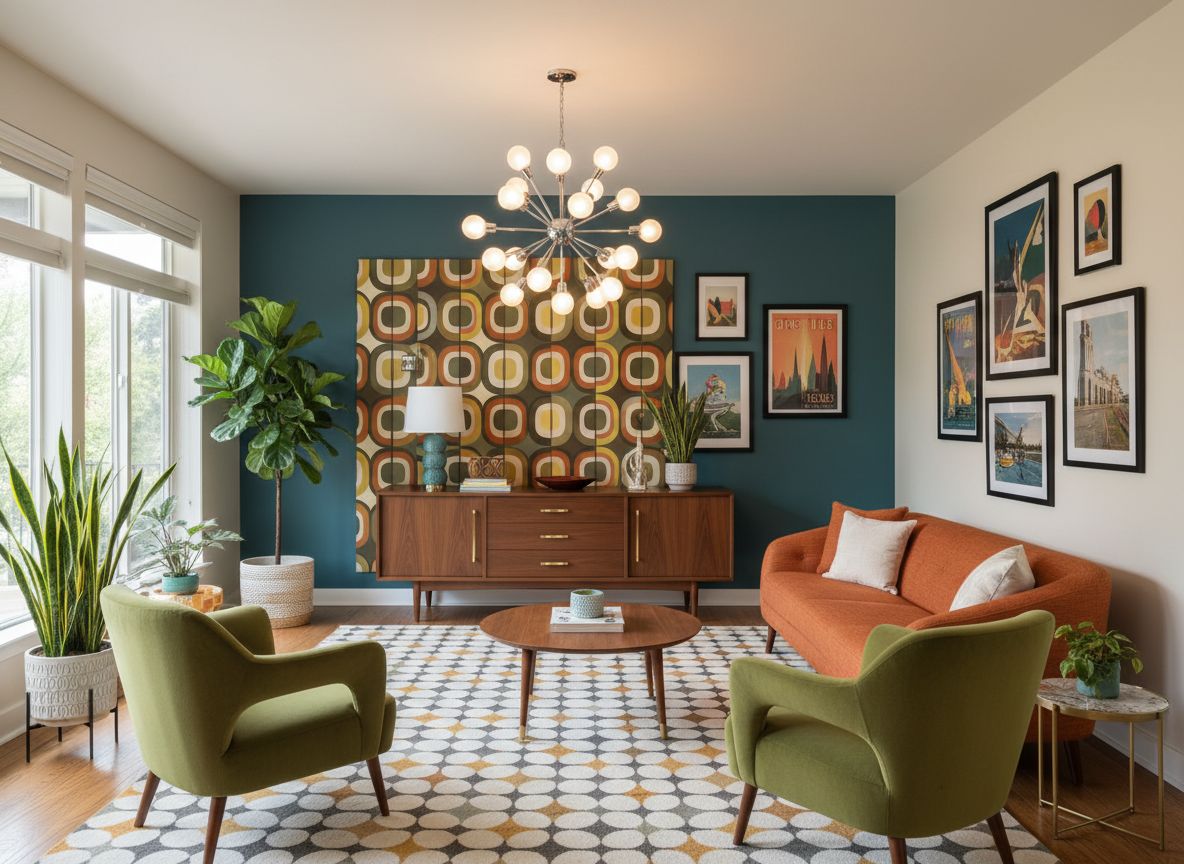
Bohemian
Free-spirited and eclectic with layered textiles, global patterns, and a collected-over-time aesthetic for any space.
Common Questions
Cottage Design: FAQ
What defines cottage interior design?
Low ceilings (or the appearance of them), small windows with simple curtains, cozy furniture, natural textiles in soft and faded colors, florals, and a general sense of warm, informal comfort.
What is the difference between cottage and farmhouse design?
Farmhouse has a harder, more practical edge - functional items on display, industrial elements, more white space. Cottage is softer, more romantic, and more focused on comfort and floral pattern.
What colors work in a cottage interior?
Soft and faded - dusty rose, sage green, cornflower blue, warm cream, and pale lavender. Avoid bright or saturated colors. The palette should feel like a room that has been gently bleached by years of sunlight.
How do I make a modern home feel more cottagelike?
Add a floral element - wallpaper in one room, or floral cushions on a linen sofa. Introduce beams if you can, or simply paint them on a white ceiling. Layer textiles: curtains, a throw, cushions, a rug. The layered softness is the core of cottage style.
Ready to Transform Your Space?
Upload a photo and see it in cottage style - or any of our 80+ other styles - in seconds.