Bohemian Design
Layered textiles, global patterns, vintage finds, and a free-spirited refusal of design rules create interiors that are as individual as their owners.
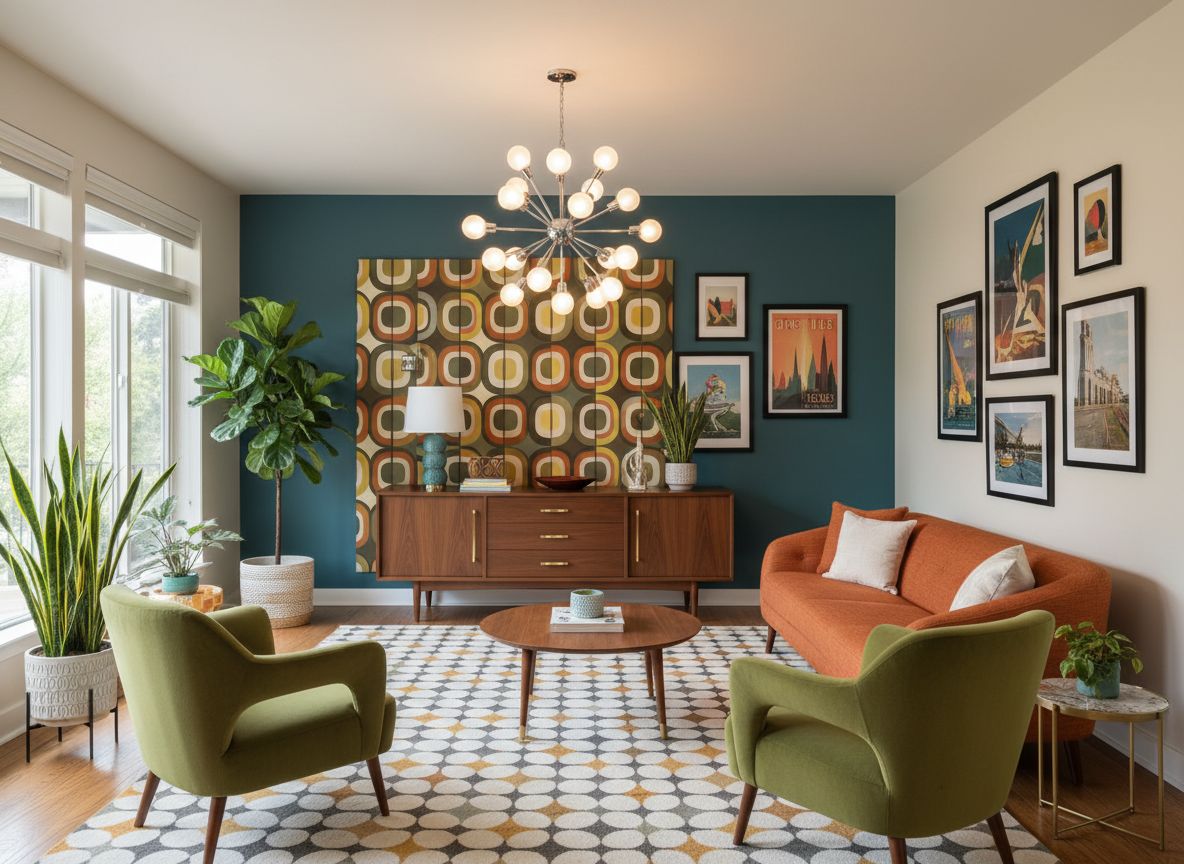
About the Style
What Is Bohemian Design?
Bohemian design is the aesthetic of creative freedom - an accumulation of found objects, global textiles, vintage furniture, living plants, and personal treasures assembled without a plan but with genuine instinct and joy. Named after the 19th-century Parisian artistic subculture, boho interiors celebrate imperfection, cultural diversity, and personal biography over coordination or trend-following.
Why People Love It
-
The most personal of all design styles - every piece tells a story
-
No wrong answers - imperfection and eclecticism are the point
-
Global textile traditions from Morocco to India add genuine cultural richness
-
Easily achieved at any budget through vintage markets and charity shops
Key Characteristics
-
Layered global textiles - kilim, suzani, ikat, batik
-
Vintage and antique furniture from multiple eras
-
Plants used abundantly throughout
-
Personal collections of art, books, and travel objects
-
Mixed metals - brass, copper, silver together
-
Macrame, woven art, and textile wall hangings
Color Palette
Materials
Ideal For
Room-by-Room
Bohemian Design in Every Room
How bohemian design translates across every space in your home
Living Room
Layered kilim rugs, velvet sofa in jewel tones, macrame wall hanging, brass and copper accessories, trailing plants, and stacks of books and candles.
Kitchen
Open shelving with mismatched ceramics, a vintage tile backsplash, hanging dried herbs and copper pots, a kilim runner on the floor.
Bedroom
A canopy over the bed made of fairy lights and fabric, layered bedding in mixed patterns, a Moroccan lantern, plants on every surface.
Bathroom
Patterned cement tile floor, a Turkish bath towel in rich color, brass fixtures, plants, and a collection of colored glass bottles.
Exterior
A terrace with mismatched vintage outdoor furniture, hanging lanterns, climbing plants, and a wind chime or outdoor textile as decoration.
Visualize It First
See Bohemian Design in Your Space
Upload any photo and our AI transforms it into bohemian style in seconds
Upload a photo
Any room, any angle. Interior or exterior - phone photo is fine.
Select "Bohemian"
Choose this style from our library or describe it to the AI in plain language.
Get your design
Photorealistic result in seconds. Download in HD or 4K resolution.
Expert Advice
How to Achieve Bohemian Design
Practical tips from designers who work with bohemian style every day.
Layer rugs - a kilim over a jute over a Persian creates the layered bohemian floor that is impossible to achieve with a single piece.
Hang textiles on walls as art - a suzani, a woven macrame, or a vintage tapestry changes a bare wall immediately and inexpensively.
Collect plants generously - trailing pothos, hanging string-of-pearls, and floor-standing palms create the jungle atmosphere bohemian design demands.
Shop vintage and second-hand first - the texture and story of old pieces is irreplaceable by new equivalents.
Mix metals, periods, and styles with complete confidence - the only coherence required is your personal vision and color instinct.
Design History
The Original Bohemians and the Interior That Started a Movement
Bohemian style is named after an actual group of people in an actual place at an actual historical moment - and understanding its origins changes how you see the aesthetic.
Paris and the Artist's Quarter
The term 'bohemian' was applied to impoverished Romani people arriving in France from Bohemia (modern Czech Republic) in the early 19th century - incorrectly assumed to have originated there. By the 1830s, young Parisian artists, writers, and musicians living poverty-adjacent lifestyles in Montmartre and the Latin Quarter adopted the term as a badge of honor. Their chaotic, art-filled apartments became the first bohemian interiors.
Murger's Scenes of Bohemian Life
Henri Murger's novel 'Scenes de la Vie de Boheme' (1851) romanticised the Parisian bohemian lifestyle for a bourgeois audience who would never live it. The rooms described - filled with canvases, drapes from a Turkish bazaar, theatrical costumes, piles of books, and one good piece of furniture surrounded by detritus - became the bohemian interior template that persists today.
The Counterculture Reinvents Boho
The American counterculture of the 1960s merged the Parisian bohemian tradition with subcultural borrowings from India (paisley prints, sitars, incense), Morocco (rugs, lanterns, low seating), and Native American culture (turquoise, feathers, dream catchers). This culturally promiscuous mixing became the visual language of 1970s bohemian design and remains the most recognisable expression of the style.
Instagram's Modern Boho
Instagram created a highly curated, commercially available version of bohemian design - the 'modern boho' or 'urban boho' that maintained the layered aesthetic but replaced genuine global finds with mass-produced macrame, pampas grass, and woven wall hangings. This democratised the look but also created a tension between authentic bohemian (accumulated over years of travel) and its Instagram imitation.
Style Pairings
Styles That Complement Bohemian
Mix bohemian with these styles for a layered, personal look.
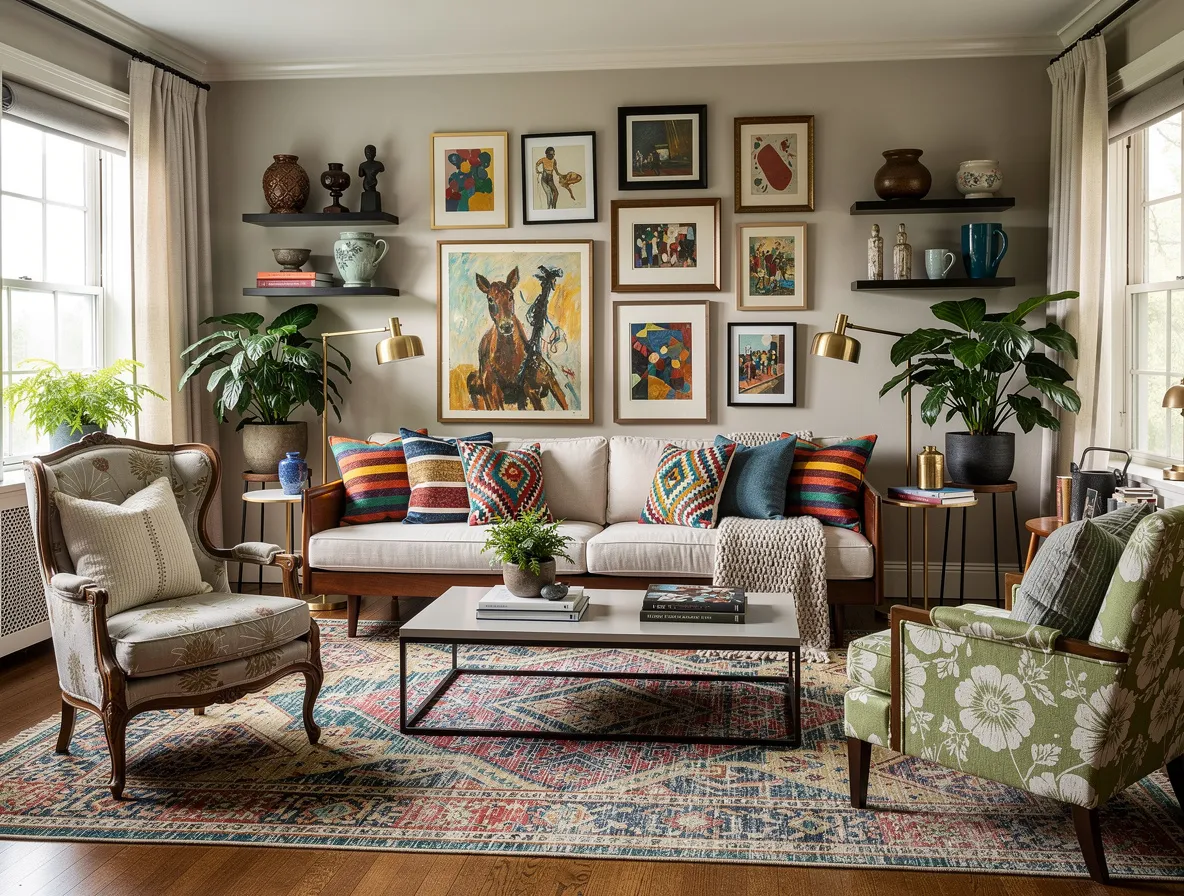
Eclectic
Mixed patterns, collected artwork, and bold colors create a curated, one-of-a-kind space full of personality.
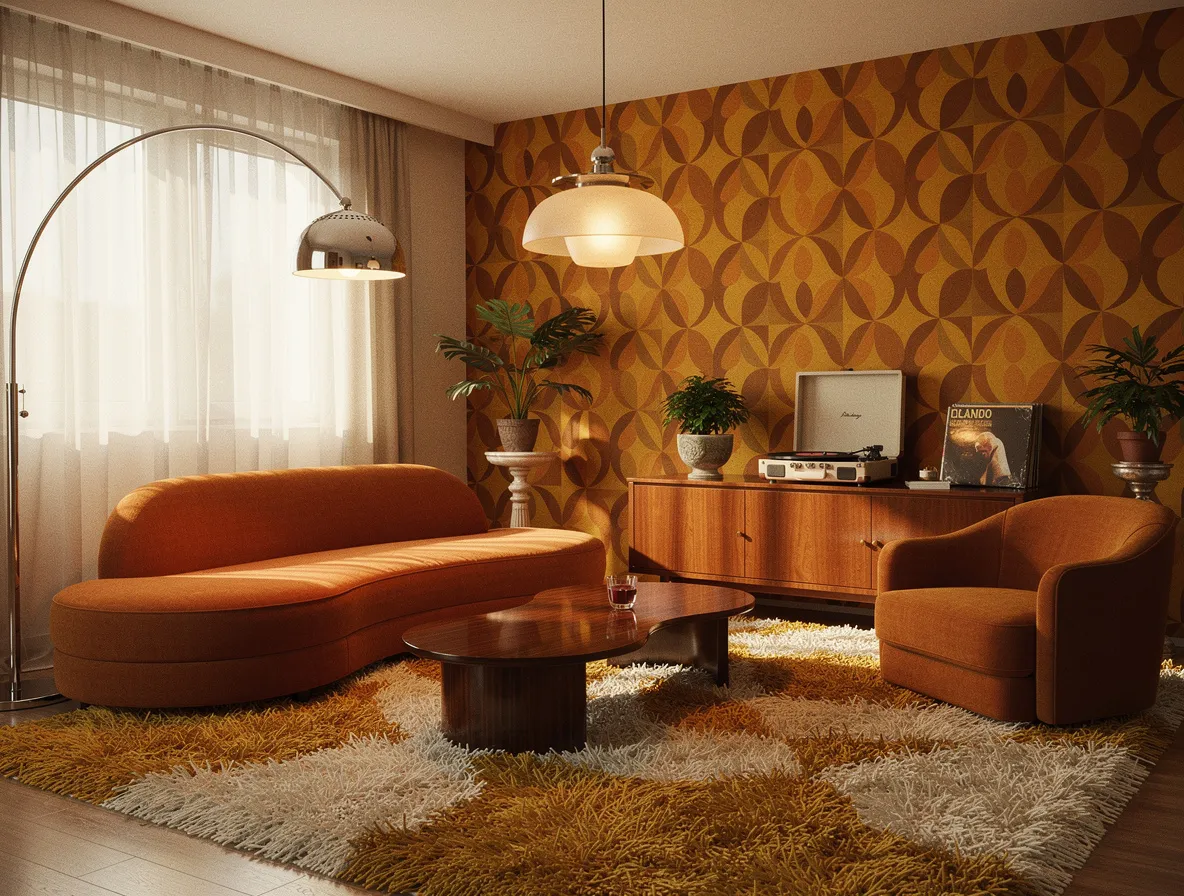
Retro
Curved furniture, warm orange-and-brown palettes, and geometric wallpaper bring 1970s nostalgia roaring back.
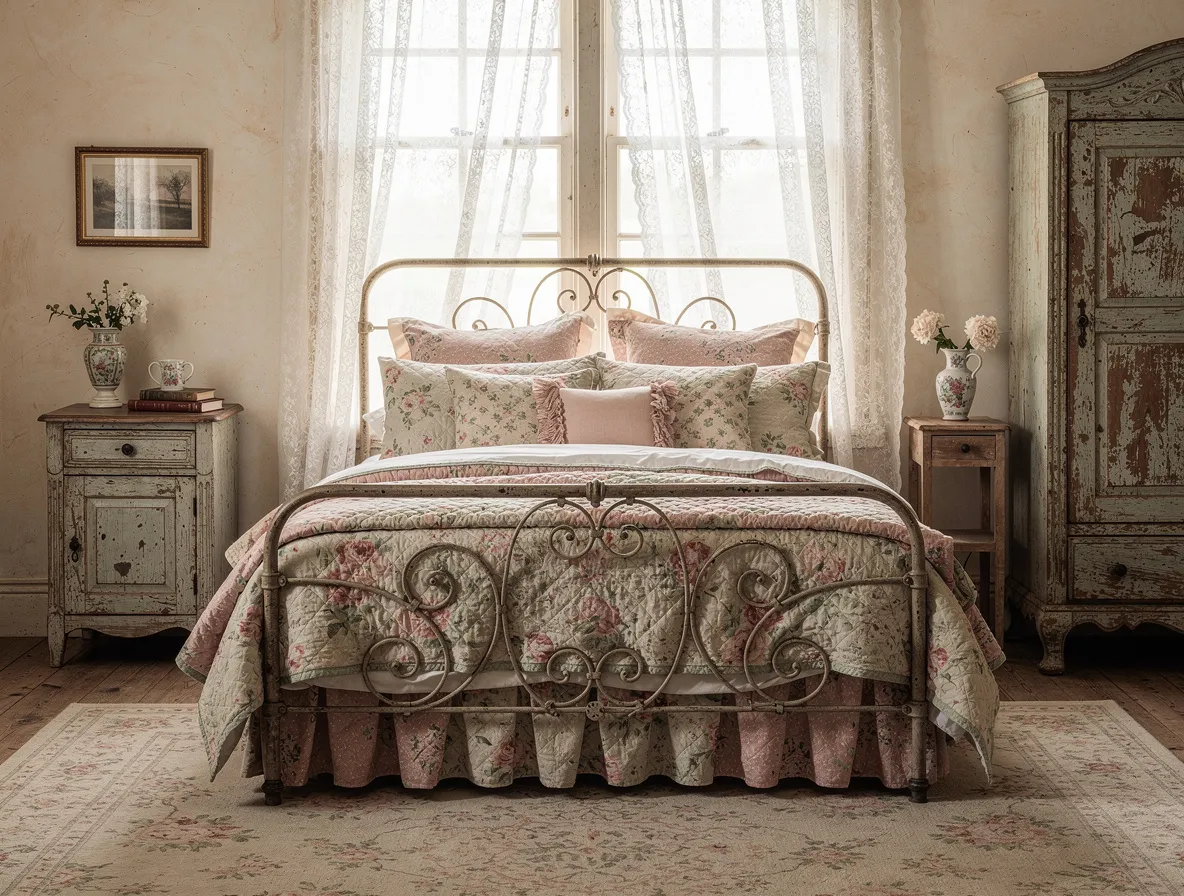
Vintage
Antique iron bed frames, lace curtains, and distressed wood bring romantic, old-world charm to modern living.
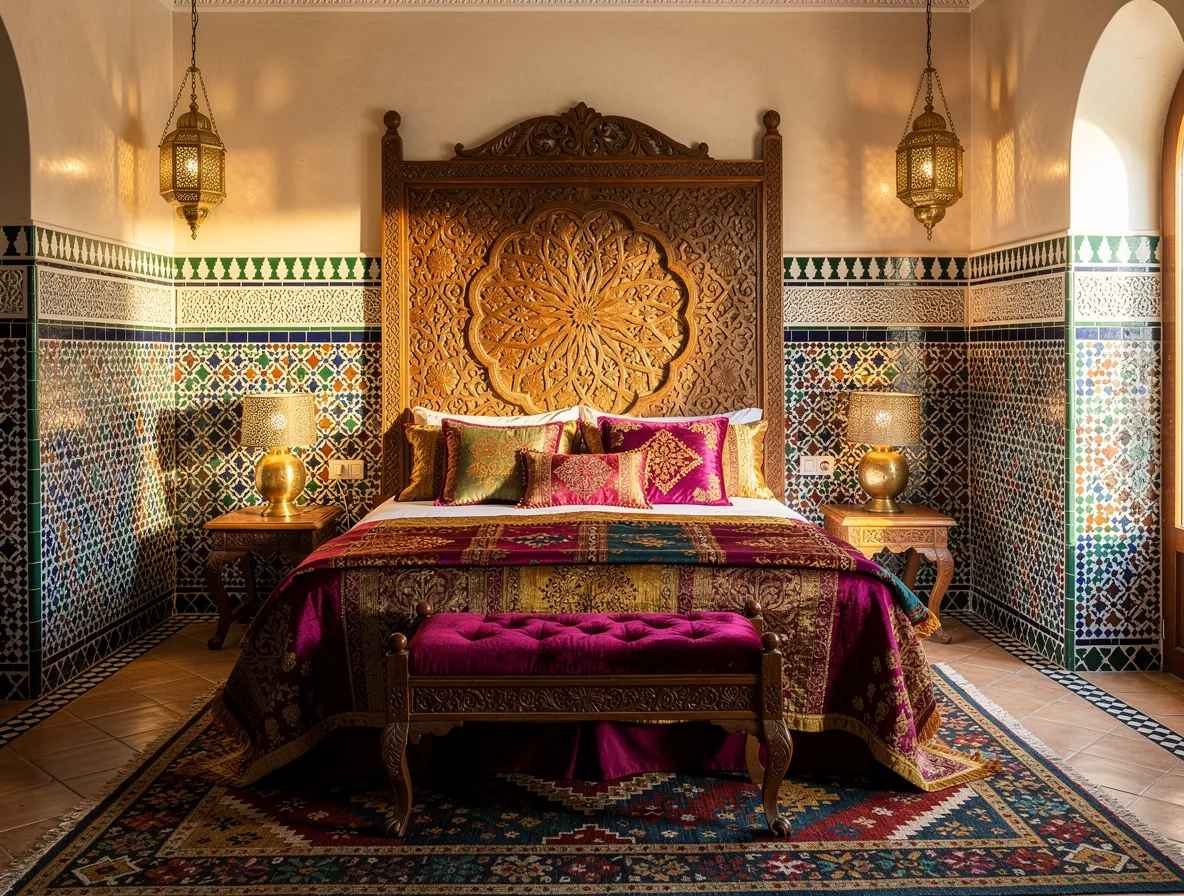
Moroccan
Ornate carved headboards, colorful mosaic tiles, and brass lanterns immerse your space in exotic, jewel-toned beauty.
Common Questions
Bohemian Design: FAQ
What are the key elements of bohemian interior design?
Layered textiles from multiple cultures, a mix of vintage and collected objects, plants, low seating and floor cushions, warm lighting from candles and lanterns, rich saturated colors, and no single coordinating aesthetic.
What is the difference between bohemian and eclectic design?
Bohemian has a specific cultural character - global, counterculture, artistic, free-spirited. Eclectic is broader - it means any mix of styles. All bohemian design is eclectic, but not all eclectic design is bohemian.
What colors define bohemian design?
Rich, warm, and layered - jewel tones (emerald, sapphire, ruby), earthy terracotta and ochre, and metallic accents in gold and copper. The palette is warm and saturated rather than pale and neutral.
How do I prevent a bohemian room from looking chaotic?
Choose a color story and stick to it across different patterns and objects. A red thread running through different textiles and accents unifies diverse elements. Also edit ruthlessly - the best bohemian interiors look abundant but not random.
What furniture suits bohemian design?
Low seating close to the floor, vintage wooden pieces with carved or painted details, rattan chairs, Moroccan poufs, and floor cushions in layered fabrics. Mix periods and origins deliberately.
Can bohemian design work in a small apartment?
Yes - in a small space, focus on vertical layering (wall hangings, hanging plants, stacked objects on shelves) rather than spreading horizontally. The richness of bohemian comes from density of texture and color, not necessarily from floor coverage.
Ready to Transform Your Space?
Upload a photo and see it in bohemian style - or any of our 80+ other styles - in seconds.