Vintage Design
Authentic period pieces, the beauty of honest age, and the stories that objects carry from previous lives define vintage interiors of genuine character.
About the Style
What Is Vintage Design?
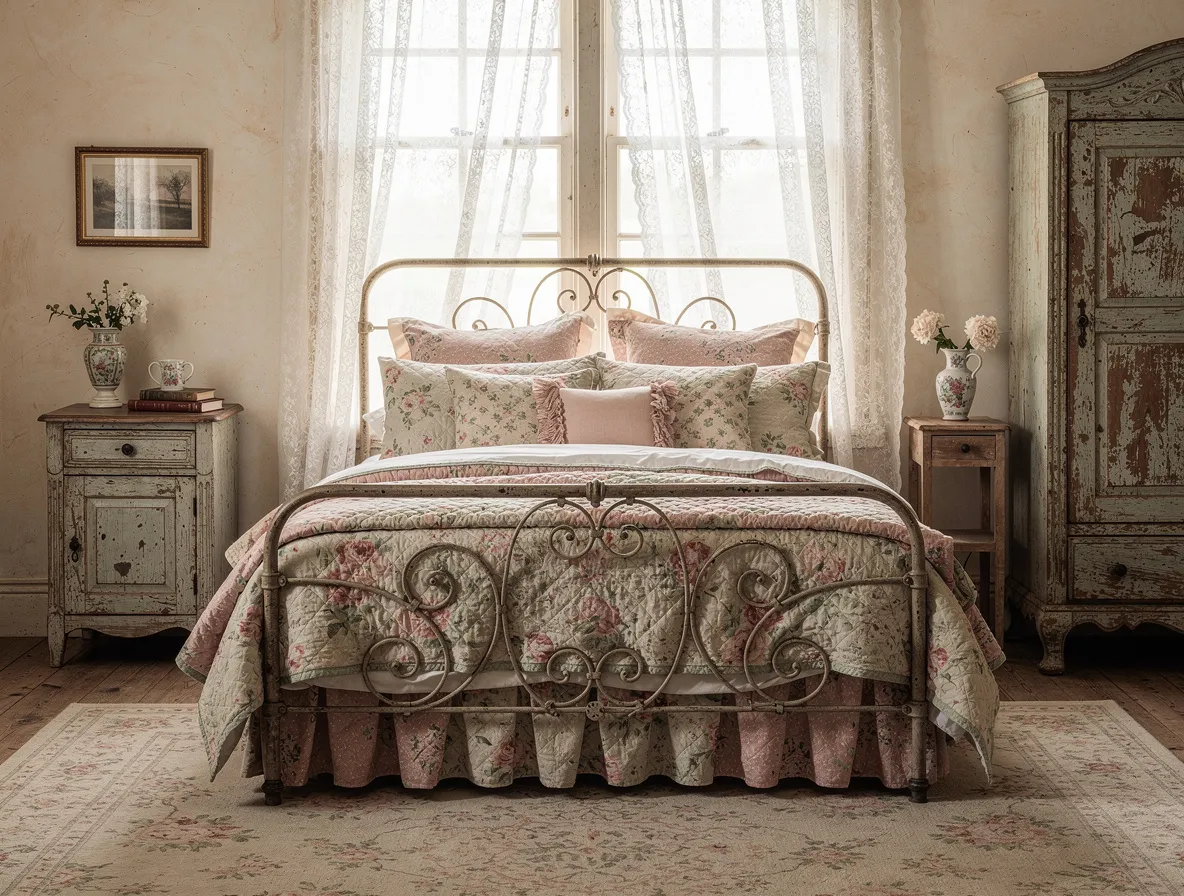
Vintage interior design uses genuine period furniture and objects - typically from 20-100 years ago - as the primary design material. The beauty of vintage design is in the authenticity of aged materials: the patina of old brass, the worn surface of a leather armchair, the faded colors of a printed textile. A vintage interior has a depth and personality that new furniture cannot replicate because the objects themselves carry history.
Why People Love It
-
Every piece is genuinely unique - no two vintage items are identical
-
The quality of mid-century and earlier furniture typically exceeds modern equivalents
-
The hunt through markets and auctions is an intrinsically enjoyable creative process
-
Vintage objects have already proved their durability - they will last another 50 years
Key Characteristics
-
Genuine period furniture rather than reproductions
-
Authentic aged patinas - worn leather, tarnished brass
-
Collections of period accessories and ephemera
-
Mixed eras united by consistent quality
-
Original upholstery or period-appropriate re-upholstery
-
Vintage lighting as sculptural focal points
Color Palette
Materials
Ideal For
Room-by-Room
Vintage Design in Every Room
How vintage design translates across every space in your home
Living Room
A worn leather Chesterfield, a Victorian side table, a 1930s standard lamp, a faded Persian rug, and a gallery wall of period illustrations.
Kitchen
A vintage painted dresser, an old apothecary or French baker's cabinet for storage, vintage enamelware, and a period pendant light.
Bedroom
A Victorian or Edwardian iron bed, an original-patina marble-topped washstand as a bedside table, vintage quilts, and period lamps.
Bathroom
A claw-foot tub in original or restored condition, a vintage vanity with mirror, original hex tile, and period-era faucets.
Exterior
A house in its original period style, period-appropriate plantings, original tile or stone path, and restored period gate or fence.
Visualize It First
See Vintage Design in Your Space
Upload any photo and our AI transforms it into vintage style in seconds
Upload a photo
Any room, any angle. Interior or exterior - phone photo is fine.
Select "Vintage"
Choose this style from our library or describe it to the AI in plain language.
Get your design
Photorealistic result in seconds. Download in HD or 4K resolution.
Expert Advice
How to Achieve Vintage Design
Practical tips from designers who work with vintage style every day.
Develop a regular source route: a specific auction house, a trusted dealer, a weekly market. Vintage design requires ongoing search rather than a single shopping trip.
Buy quality over quantity - one genuinely excellent period piece beats five mediocre vintage items. Learn to identify quality construction: solid wood, dove-tail joints, good leather.
Re-upholster rather than replace - a Victorian chair in period-appropriate fabric, resprung and re-upholstered, is better than any new alternative.
Resist matching: a set of six identical period dining chairs is correct; a collection of non-matching chairs united by period and quality is more genuinely vintage.
Mix a proportion of new items (bedding, kitchen equipment, bathroom fixtures) with vintage decorative and furniture pieces for practical comfort.
Curious Facts
How Vintage Trends Predict the Future of Design
The vintage design market is not just an archive of the past - it is one of the best forecasting tools available for predicting where mainstream design is headed in the next 5-10 years.
Collectors Lead, Mainstream Follows
Serious vintage collectors typically identify aesthetic value in a period 10-15 years before mainstream taste catches up. Pieces that serious collectors were buying in the early 2010s - the 1970s earth tone ceramics, mid-century lighting, dark Victorian furniture - became mainstream by 2020. Watching what thoughtful vintage dealers and collectors are excited about now predicts mainstream design trends accurately.
Auction Records Predict Retail Trends
When a specific piece achieves an exceptional auction price, design-aware retailers and manufacturers typically respond within 2-3 seasons with interpretations at accessible price points. The record prices for 1950s Italian design pieces in the 2010s were followed by a wave of Italian-inspired furniture at retail level. The auction market signals direction; retail responds.
What Vintage Market Is Telling Us Now
Current vintage market strong categories (as of 2024-2025): 1970s Italian design (Afra and Tobia Scarpa, Cini Boeri), Japanese craft pieces (Mingei movement ceramics), early 20th-century American Arts and Crafts furniture, and unexpectedly, late 20th-century utilitarian items (industrial shelving, laboratory glass). These are the mainstream design trends of 2027-2030.
The Democratisation of Vintage Through Apps
The emergence of Vinted, Depop, eBay, and specialist vintage platforms has made the vintage design market accessible to buyers who previously could not access major dealers or auction houses. The result is a dramatically expanded market for genuine vintage pieces and a sophisticated customer base that can recognise quality and authenticity at a level that was previously restricted to specialists.
Style Pairings
Styles That Complement Vintage
Mix vintage with these styles for a layered, personal look.
Farmhouse
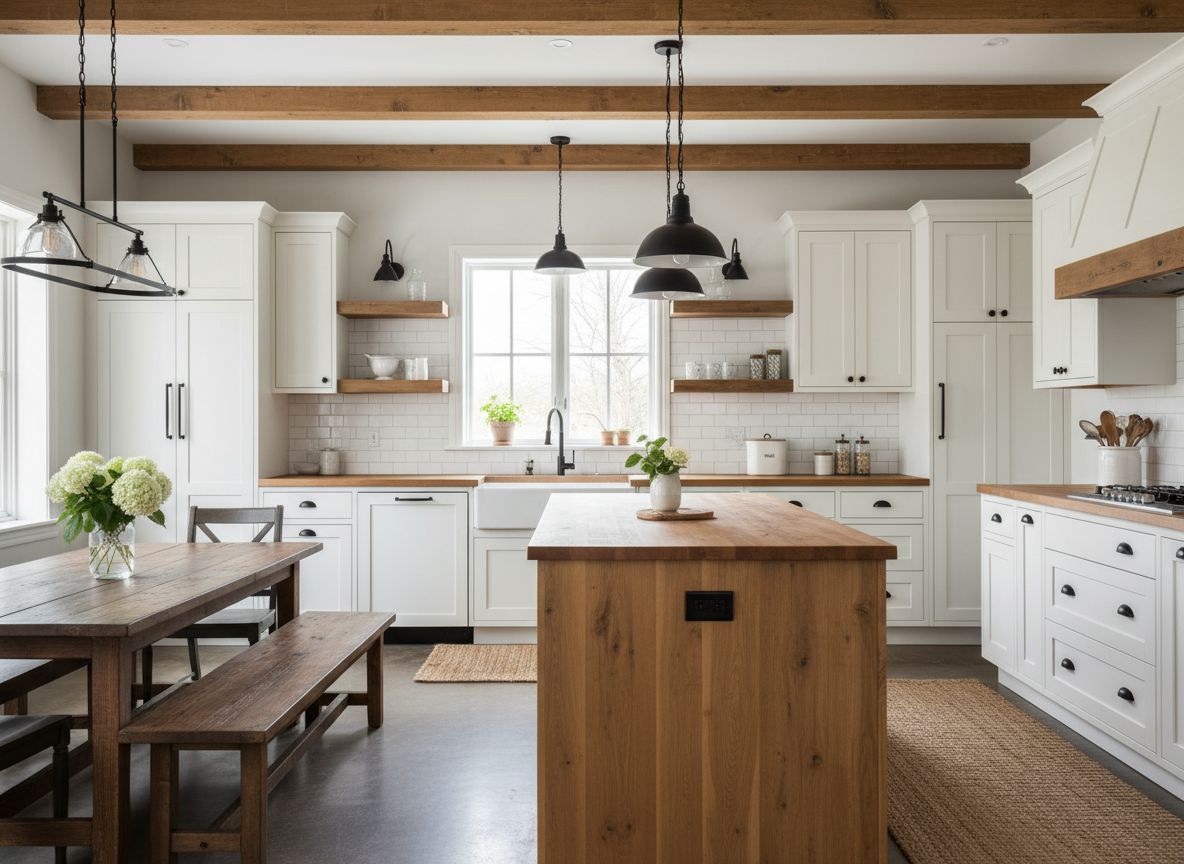
Warm, inviting spaces with rustic charm and modern comfort. Shaker cabinets, natural wood elements, and vintage-inspired fixtures.
Bohemian
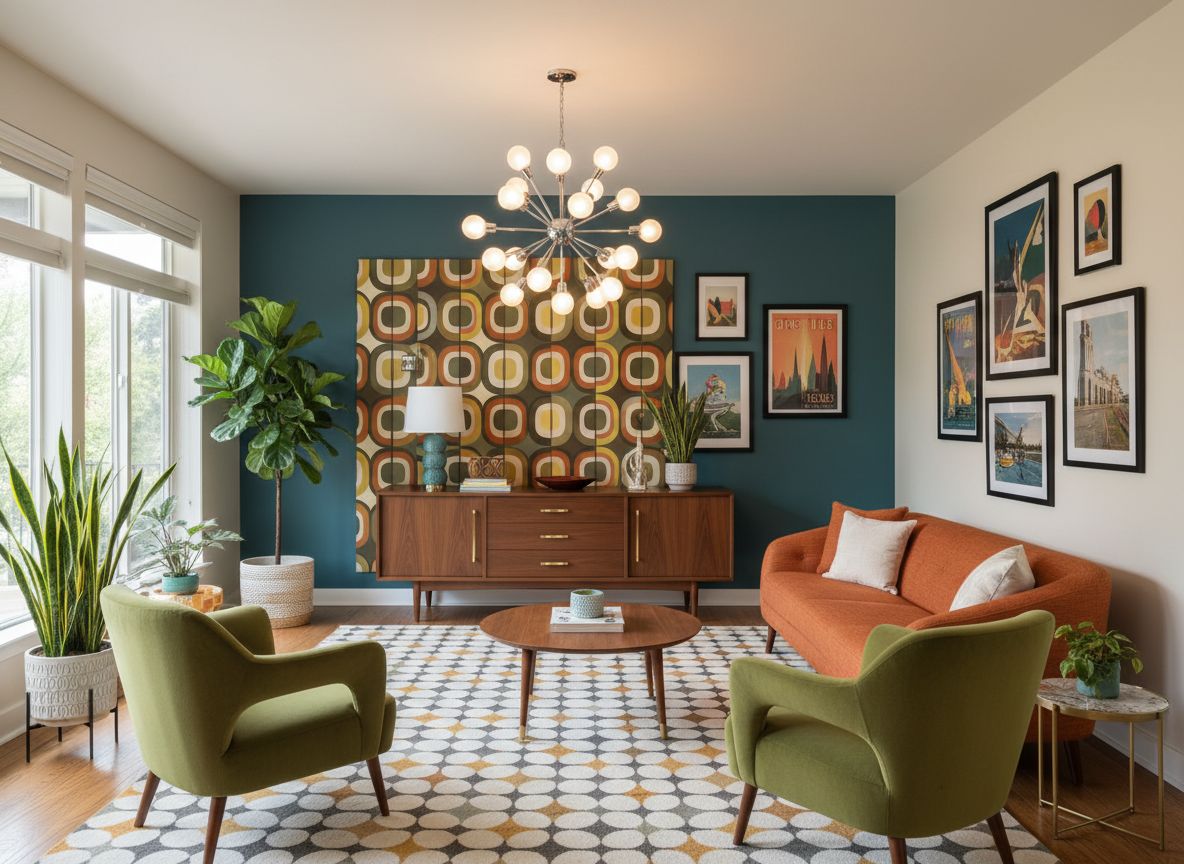
Free-spirited and eclectic with layered textiles, global patterns, and a collected-over-time aesthetic for any space.
Eclectic
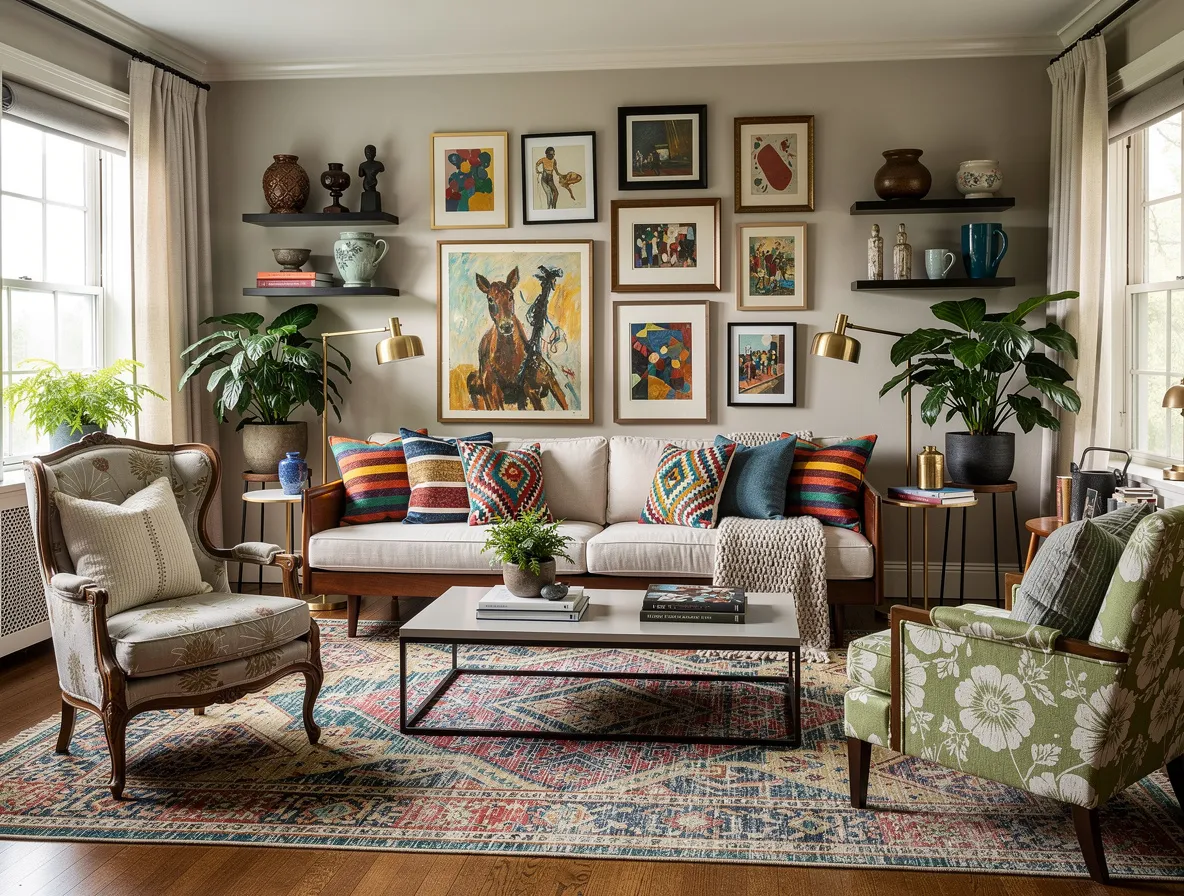
Mixed patterns, collected artwork, and bold colors create a curated, one-of-a-kind space full of personality.
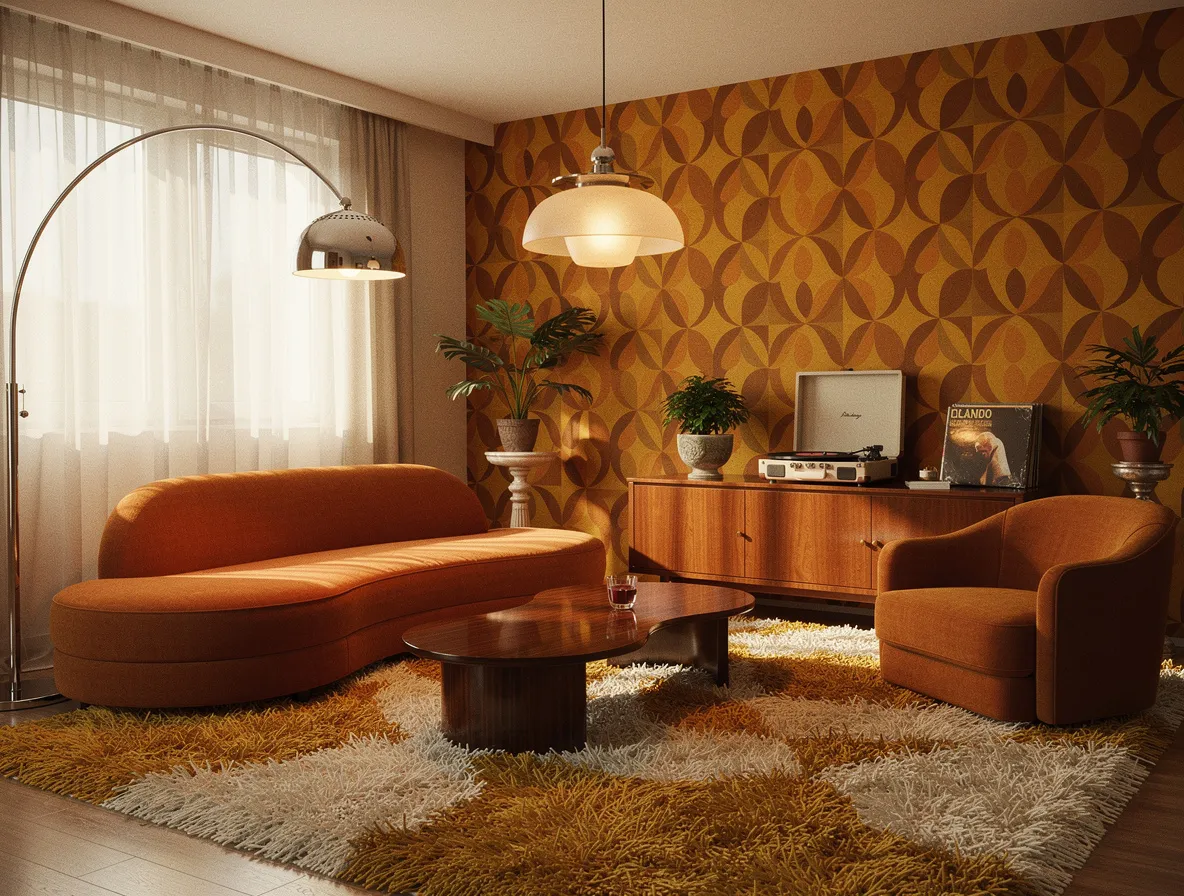
Retro
Curved furniture, warm orange-and-brown palettes, and geometric wallpaper bring 1970s nostalgia roaring back.
Common Questions
Vintage Design: FAQ
What is the difference between vintage and antique?
Antique conventionally means over 100 years old. Vintage covers roughly 20-100 years. In interior design the terms are used more loosely - 'vintage' often means any pre-owned item with period character, while 'antique' implies greater age and historical significance.
What vintage pieces have the best investment value?
Mid-century modern pieces (Eames, Knoll, Herman Miller) retain and increase value consistently. Italian design from 1950-1980, Arts and Crafts furniture, and well-documented pieces from major 20th-century designers all perform well. Generally: quality over quantity, designer over anonymous.
How do I incorporate vintage pieces into a contemporary room?
Treat the vintage piece as a focal point and build around it. One strong antique against a clean contemporary background reads as sophisticated curation. Multiple vintage pieces need careful editing to avoid looking like an antique shop.
Where do I find genuine vintage pieces?
Estate sales (often the best prices), specialist vintage dealers (best expertise and verification), auction houses (for investment-grade pieces), and online platforms like Chairish, 1stDibs, and Pamono for authenticated vintage design.
Ready to Transform Your Space?
Upload a photo and see it in vintage style - or any of our 80+ other styles - in seconds.