Retro Design
The playful, colorful, and optimistically kitsch energy of the 1950s-70s brought joyfully back to life - retro design celebrates the fun of design history.
About the Style
What Is Retro Design?
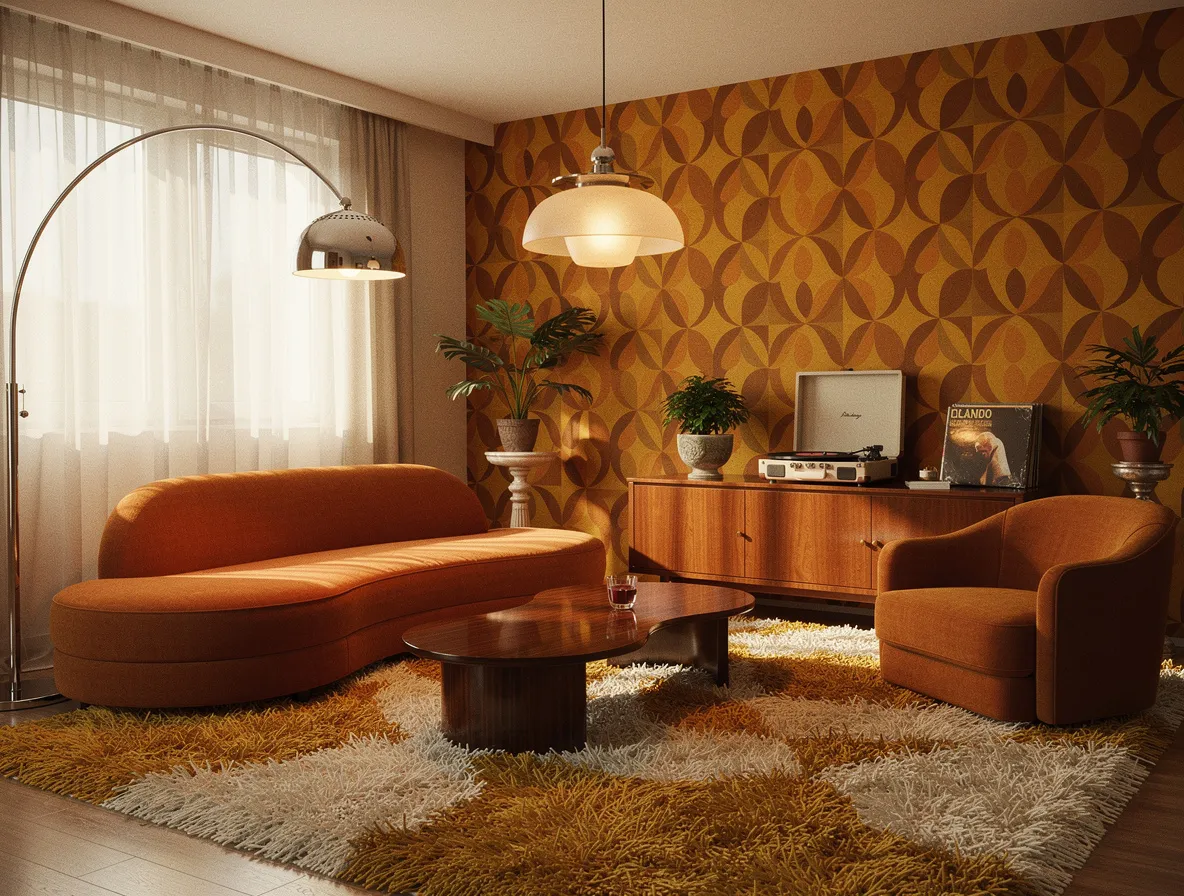
Retro design embraces the visual culture of the 1950s, 60s, and 70s - the diner aesthetic of chrome and vinyl, the space-age optimism of the early 60s, and the earthy avocado-and-harvest palette of the 70s. Unlike the scholarly mid-century modern canon, retro is more playful, less precious, and more willing to embrace the kitsch alongside the classic. It is design history approached with a wink.
Why People Love It
-
The most joyful and playful design aesthetic - impossible to be sad in a retro room
-
Period items are widely available at vintage markets at accessible prices
-
The color palettes are deliberately warm and sociable
-
Retro design celebrates history with humor rather than reverence
Key Characteristics
-
Period color palettes - avocado, harvest, or diner red and chrome
-
Retro typography and graphic pattern
-
Vinyl and plastic upholstery in fun colors
-
Period-specific appliances as design objects
-
Neon signs or retro lighting as decoration
-
Curved and pod-shaped furniture forms
Color Palette
Materials
Ideal For
Room-by-Room
Retro Design in Every Room
How retro design translates across every space in your home
Living Room
A shag pile rug, a pod sofa in orange vinyl, a Sputnik chandelier, a lava lamp, and vintage advertising posters in chrome frames.
Kitchen
A period-color refrigerator, Formica countertop in a retro pattern, chrome bar stools, and classic diner-style pendant lights.
Bedroom
A vintage quilted or tufted headboard, shag pile bedside rug, period table lamps, and a palette of the chosen decade.
Bathroom
Period-color tile (avocado, pink, or turquoise), chrome fixtures, a retro mirror with a rounded chrome surround.
Exterior
Period house in its original style, a neon number sign or letter box, a carport with vintage car, and original planting.
Visualize It First
See Retro Design in Your Space
Upload any photo and our AI transforms it into retro style in seconds
Upload a photo
Any room, any angle. Interior or exterior - phone photo is fine.
Select "Retro"
Choose this style from our library or describe it to the AI in plain language.
Get your design
Photorealistic result in seconds. Download in HD or 4K resolution.
Expert Advice
How to Achieve Retro Design
Practical tips from designers who work with retro style every day.
Commit to one specific decade rather than mixing all three - a 50s diner, a 60s space-age room, or a 70s den all work; a mixture of all three reads confused.
Source a genuine period appliance as the design anchor - a 1960s KitchenAid in a period color, a 1950s refrigerator, or a vintage TV set.
Use period typography and graphics deliberately - a vintage advertising print, a retro font signage piece, or an original period wallpaper.
Allow yourself to enjoy the kitsch - a lava lamp, a shag pile rug, or a vinyl record collection displayed openly are all legitimate retro design elements.
Pair retro pieces with quality neutral backdrops (white walls, natural floors) so the period items read as deliberate choices rather than time capsule accidents.
How It Evolved
The 20-Year Rule - How Nostalgia Cycles Work in Design
Retro design follows a predictable pattern that design historians call the nostalgia cycle - and understanding it helps predict which styles will come back next.
The 20-Year Embarrassment Period
Immediately after a style passes its peak, it enters a period of embarrassment - everyone who adopted it feels they have dated themselves. This typically lasts 15-25 years. The brown and orange palette of 1970s design was deeply unfashionable from 1985 to 2000. Shag carpets were embarrassing from 1980 to 2005. People who owned these things hid them or threw them away.
The Ironic Rediscovery
Around 20-25 years after peak embarrassment, a younger generation that did not experience the original style discovers it without the emotional baggage. They adopt it ironically - 'kitsch' is the word used. The 1950s were kitsch in the 1970s. The 1970s were kitsch in the 1990s. Each revival starts with ironic appreciation and gradually becomes sincere.
The Sincere Revival
After ironic rediscovery comes sincere appreciation. Design historians and collectors recognize the genuine quality of the original work. Museum retrospectives are organized. Auction prices rise. Original pieces become expensive and rare; licensed reproductions appear. The style is rehabilitated from kitsch to design heritage.
What's Coming Next
Applying the 20-year rule: the style that was everywhere and embarrassing in the 2000s - the early 2000s minimalist apartment with its beige carpet, Ikea white furniture, and steel appliances - is due for ironic revival around 2025-2030. The aesthetic of Y2K design (circa 2000) has already started appearing in fashion and interiors as a retro reference.
Style Pairings
Styles That Complement Retro
Mix retro with these styles for a layered, personal look.
Bohemian
Free-spirited and eclectic with layered textiles, global patterns, and a collected-over-time aesthetic for any space.
Eclectic
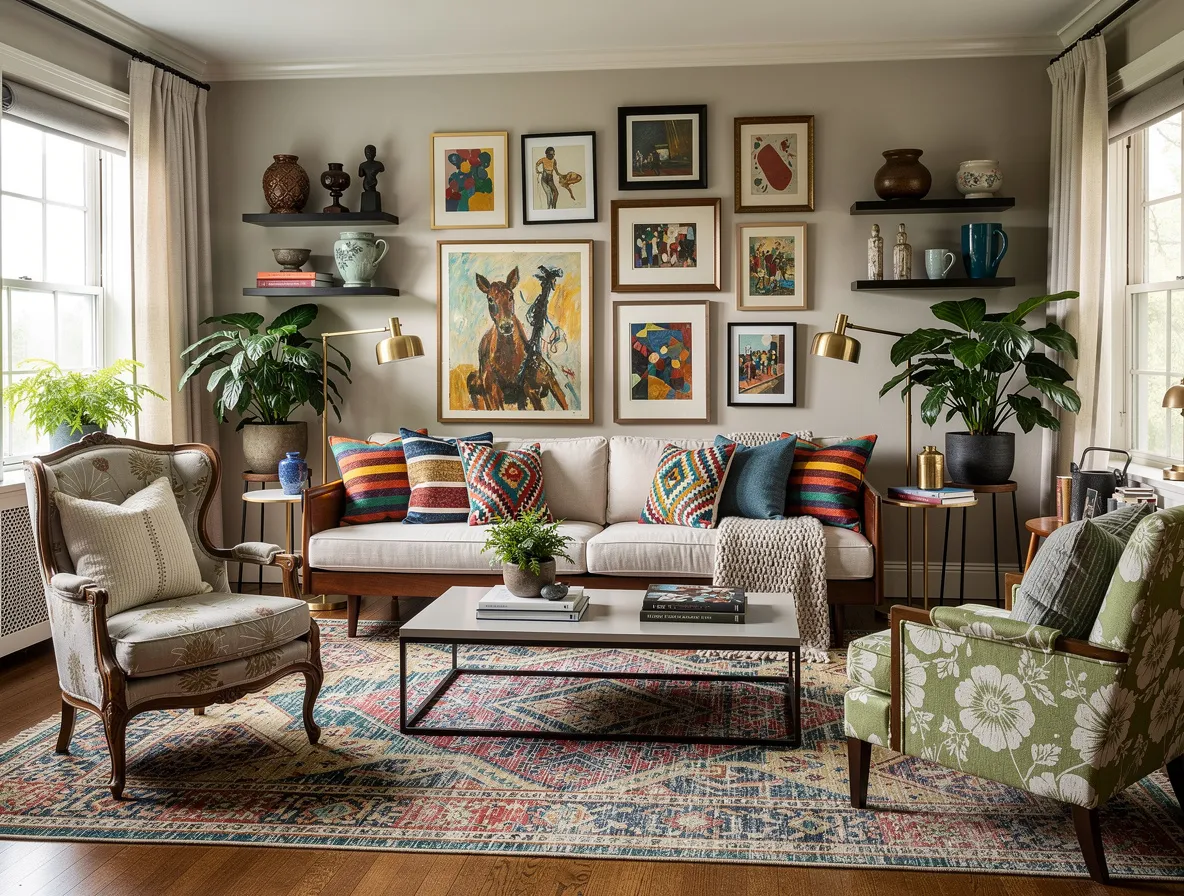
Mixed patterns, collected artwork, and bold colors create a curated, one-of-a-kind space full of personality.
Mid-Century Modern
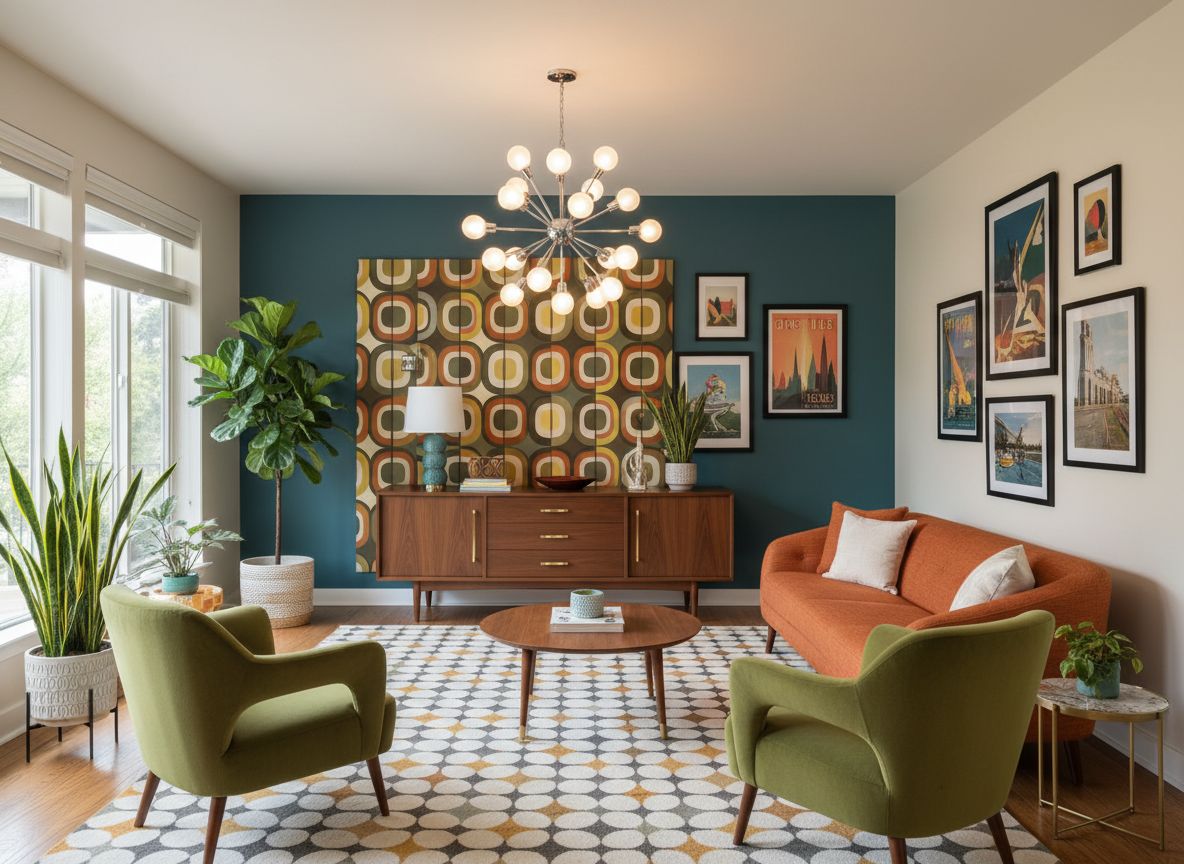
Retro-futuristic designs from the 1950s-60s with organic curves, bold colors, and furniture that never goes out of style.
Vintage
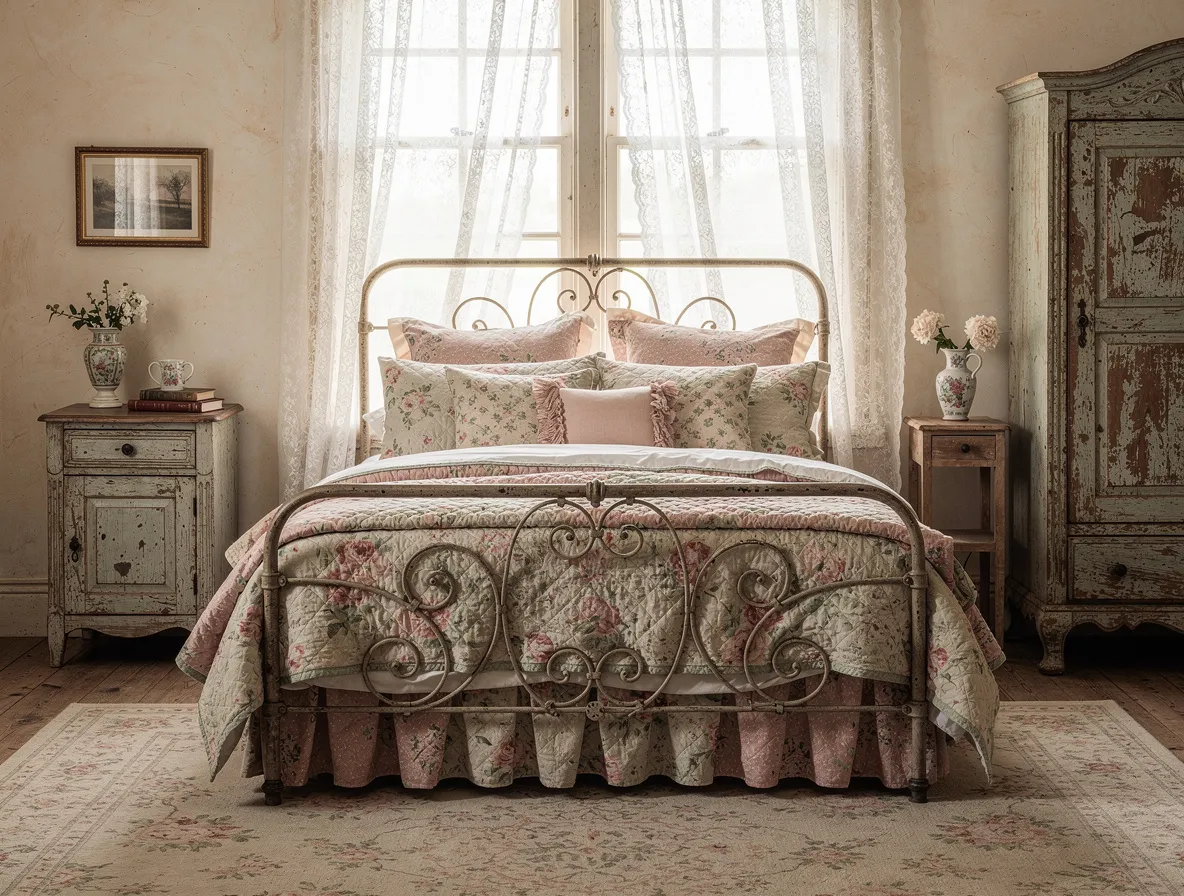
Antique iron bed frames, lace curtains, and distressed wood bring romantic, old-world charm to modern living.
Common Questions
Retro Design: FAQ
What decade is retro design most often referencing currently?
The 1970s (earth tones, shag textures, organic curves) and the 1950s (pastel colors, streamlined appliances, dinettes) are the most commonly referenced retro periods in contemporary interiors.
What colors define retro design?
Depends on the decade referenced. 1950s: pastel pink, turquoise, yellow. 1960s: avocado green, harvest gold, burnt orange. 1970s: rust, brown, mustard, olive. 1980s: dusty mauve, teal, dusty blue.
How do I add retro design without it looking like a theme diner?
Use the color palette and material language rather than the specific object types. A harvest gold kitchen tile or a mustard yellow sofa is retro without being a diner. Avoid the literal props (neon signs, vinyl jukeboxes) unless you want the theatrical version.
What is the difference between retro and vintage?
Vintage means genuinely old - typically 20-100 years old. Retro means referencing or imitating an earlier style, either with original vintage pieces or with new items designed in the style of a past era.
Ready to Transform Your Space?
Upload a photo and see it in retro style - or any of our 80+ other styles - in seconds.