Mid-Century Modern Design
The golden age of American design - mid-century modern captures the optimistic, democratic, and beautifully functional design philosophy of 1945-1969.
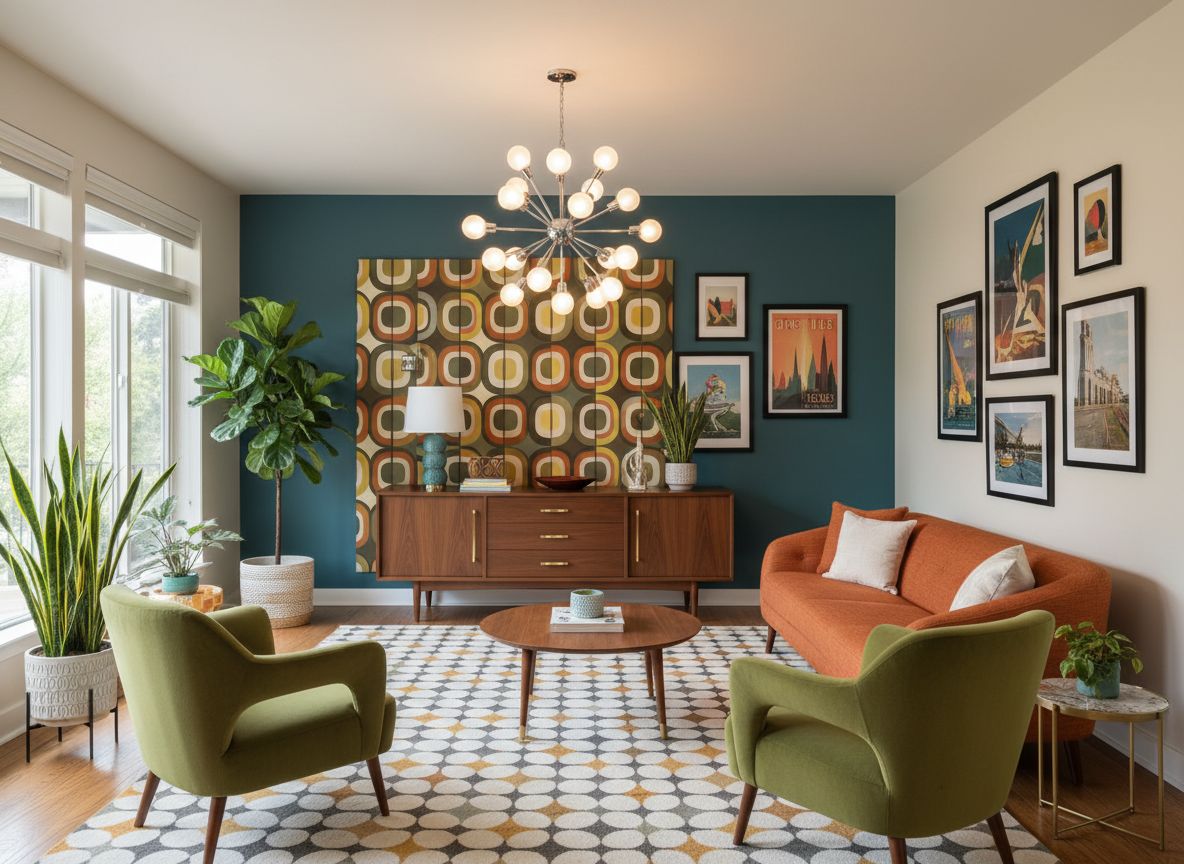
About the Style
What Is Mid-Century Modern Design?
Mid-century modern design emerged from the post-World War II American design explosion, when industrial manufacturing, new materials (plywood, fiberglass, plastic, foam), and an optimistic social vision produced some of the most beautiful and democratic furniture ever made. Eames, Saarinen, Bertoia, Noguchi, and Nelson created chairs, tables, and lighting that remain in production and remain relevant 70 years later.
Why People Love It
-
The most culturally significant American design movement and still completely current
-
Authentic mid-century pieces appreciate in value and are widely available
-
The democratic design philosophy produced furniture that is both beautiful and comfortable
-
The warm wood tones and organic curves are deeply inviting and human
Key Characteristics
-
Organic curved forms in plywood and fiberglass
-
Tapered wooden legs on all furniture
-
Large windows connecting interior to nature
-
Flat-roof architecture with open floor plans
-
Geometric pattern upholstery in warm colors
-
Mix of natural and synthetic materials
Color Palette
Materials
Ideal For
Room-by-Room
Mid-Century Modern Design in Every Room
How mid-century modern design translates across every space in your home
Living Room
An Eames Lounge Chair and Ottoman, a Noguchi coffee table, a Nelson Platform bench, teak credenza, and a Sputnik chandelier.
Kitchen
Flat cabinetry in warm walnut veneer, simple hardware, a Tulip table with shell chairs, and travertine or terrazzo flooring.
Bedroom
A platform bed in teak, tapered-leg bedside tables, geometric patterned bedding, and a classic floor lamp.
Bathroom
Terrazzo or mosaic tile floor, simple vanity in warm wood, fixtures with clean rounded profiles.
Exterior
Flat or low-pitch roof, clerestory windows, a carport, warm timber deck, and desert or Californian planting.
Visualize It First
See Mid-Century Modern Design in Your Space
Upload any photo and our AI transforms it into mid-century modern style in seconds
Upload a photo
Any room, any angle. Interior or exterior - phone photo is fine.
Select "Mid-Century Modern"
Choose this style from our library or describe it to the AI in plain language.
Get your design
Photorealistic result in seconds. Download in HD or 4K resolution.
Expert Advice
How to Achieve Mid-Century Modern Design
Practical tips from designers who work with mid-century modern style every day.
Source authentic mid-century pieces through specialist dealers and auction - Herman Miller, Knoll, and Vitra reissues are the benchmark for reproductions.
Anchor the room with a genuine or licensed reproduction statement piece: an Eames Lounge Chair, a Saarinen Tulip table, or a Noguchi coffee table.
Use teak, walnut, and rosewood tones throughout - the warm wood grain is the defining material palette of mid-century modern.
Introduce period-appropriate geometric or abstract textile patterns: Alexander Girard's fabrics for Herman Miller are the classic reference.
Add a genuine floor-to-ceiling window if architecture allows - the connection between interior and nature is fundamental to mid-century design philosophy.
Design History
The Case Study Houses and the California School
Mid-century modern in America was not just a furniture trend - it was an entire design culture centered in California, driven by one extraordinary magazine program and a generation of European refugee architects.
Arts and Architecture's Case Study Houses
Editor John Entenza launched the Case Study House program in the January 1945 issue of Arts and Architecture magazine, commissioning leading architects to design, build, and photograph prototype modern homes for California's post-war middle class. The resulting 36 houses (some built, some only designed) featured flat roofs, glass walls, steel frames, and open plans that made them revolutionary and immediately influential.
The Eames House - Living as Exhibition
Charles and Ray Eames designed Case Study House #8 for themselves in Pacific Palisades - a steel-framed structure assembled from standard industrial components in two days. The interior, filled with their art collection, folk toys, plants, and the furniture they designed, became the model for mid-century modern domesticity: an intellectually rich, visually layered space that was also entirely functional.
Herman Miller and Industrial Design
Herman Miller's collaboration with Charles and Ray Eames and George Nelson brought mid-century modern furniture into corporate and domestic production at scale. The Eames Lounge Chair (1956), the Nelson Marshmallow Sofa, and the Eames Molded Plastic Chair are the most reproduced pieces of 20th-century furniture. They made the aesthetic of California modernism globally available.
Palm Springs Keeps the Faith
While mid-century modern fell out of fashion in the 1970s and 1980s, Palm Springs continued building and preserving its extraordinary collection of 1950s-1960s modernist buildings. When Modernism Week began in 2006, Palm Springs became the epicenter of mid-century modern revival, attracting pilgrims from around the world to photograph Julius Shulman's iconic houses and buy their first genuine mid-century pieces at estate sales.
Style Pairings
Styles That Complement Mid-Century Modern
Mix mid-century modern with these styles for a layered, personal look.
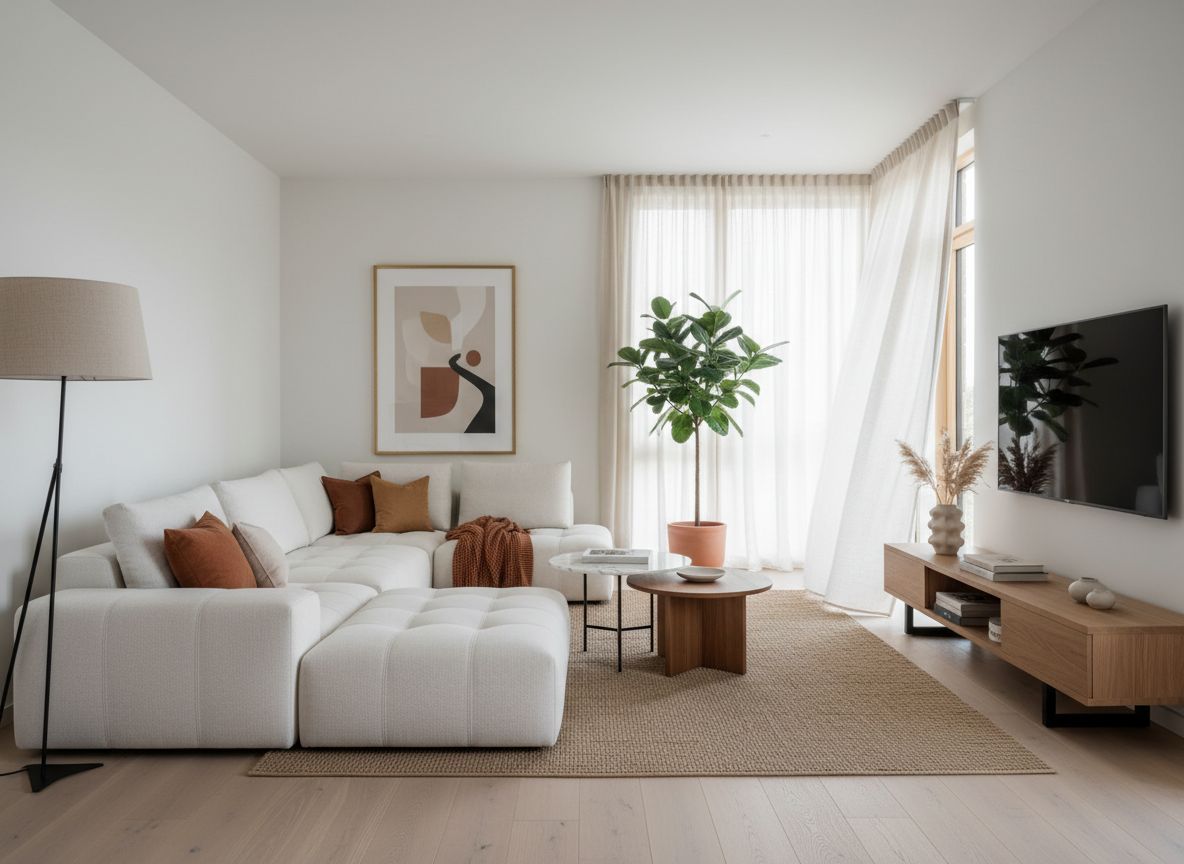
Modern
Clean lines, minimalist aesthetics, and cutting-edge functionality. Flat-panel surfaces, integrated elements, and a neutral palette with bold accents.
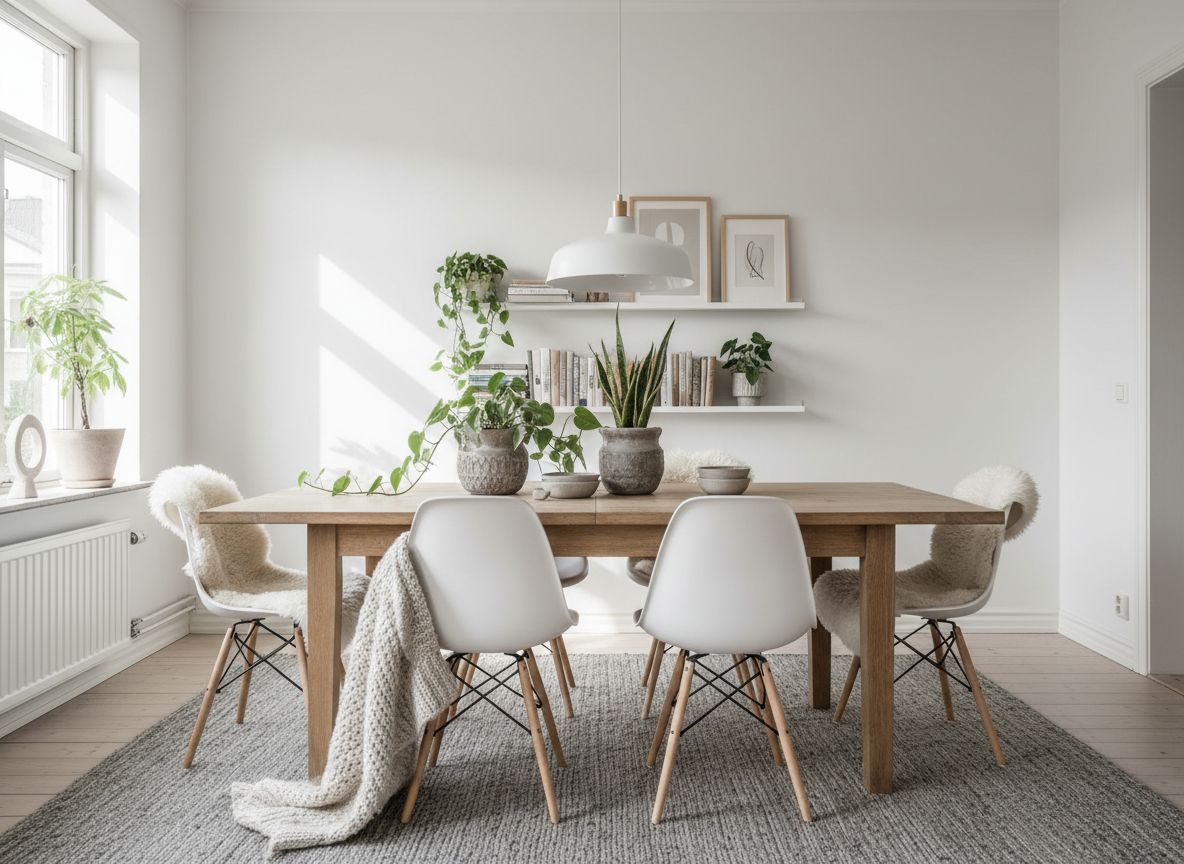
Scandinavian
Light, airy, and hygge-inspired. White walls, light wood, and functional design that brings warmth to every room.
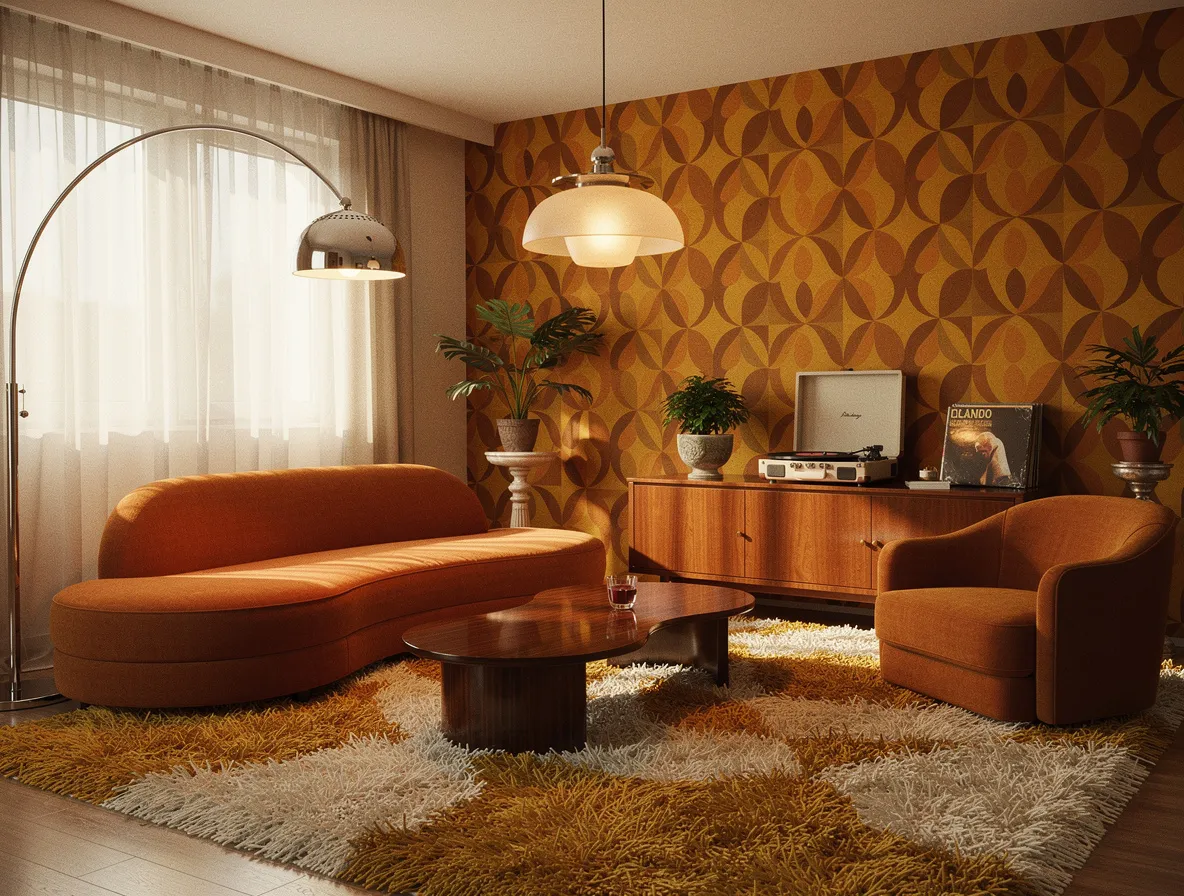
Retro
Curved furniture, warm orange-and-brown palettes, and geometric wallpaper bring 1970s nostalgia roaring back.
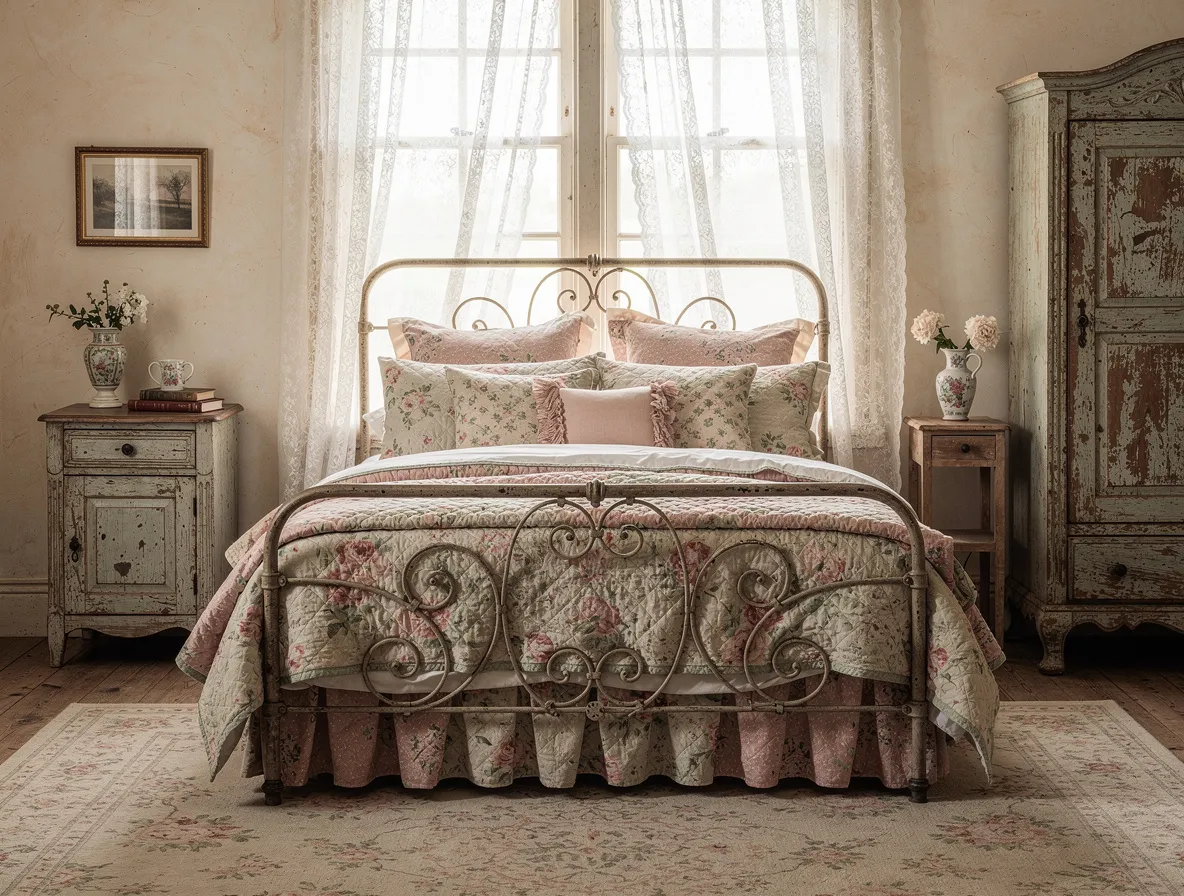
Vintage
Antique iron bed frames, lace curtains, and distressed wood bring romantic, old-world charm to modern living.
Common Questions
Mid-Century Modern Design: FAQ
What defines mid-century modern design?
Clean lines without ornament, organic curves meeting geometric forms, natural and synthetic material mixing (teak and molded plastic, wool and steel), and a confident, optimistic palette that includes bold accent colors.
What colors are used in mid-century modern interiors?
Warm neutrals (warm white, tan, caramel) as a base with bold accent colors: olive green, burnt orange, mustard yellow, teal, and rust. These are the specific palette of post-war optimism and remain the definitive mid-century color signals.
What are the most iconic mid-century modern furniture pieces?
The Eames Lounge Chair and Ottoman, Saarinen Tulip Table, Bertoia Diamond Chair, Nelson Bubble Lamp, and Womb Chair. These pieces are reproduced in both authorized versions and unauthorized copies - quality varies enormously.
How do I tell an authentic Eames chair from a reproduction?
Authentic Herman Miller pieces have a specific tag or logo. The quality of molding, the material of the base (genuine aluminum vs. die-cast), and the upholstery quality are all different. An authentic Eames Lounge Chair costs $5,000-6,000; reproductions start at $200 and the quality gap is significant.
Can I mix mid-century modern with other styles?
Extremely well - mid-century pieces work with Scandinavian design (shared Modernist philosophy), with boho (color and material richness), and with minimalism (the clean lines translate). The main challenge is with very traditional or very ornate styles.
What is the best era of mid-century modern to focus on?
The 1950-1965 period is the golden era - Eames, Saarinen, Bertoia, Nelson, and Knoll were all at peak creativity simultaneously. This period has the most iconic pieces and the most coherent design language.
Ready to Transform Your Space?
Upload a photo and see it in mid-century modern style - or any of our 80+ other styles - in seconds.