Elegant Design
Refined taste, perfect restraint, and the quiet confidence of beauty that needs no explanation define elegant interiors that impress without effort.
About the Style
What Is Elegant Design?
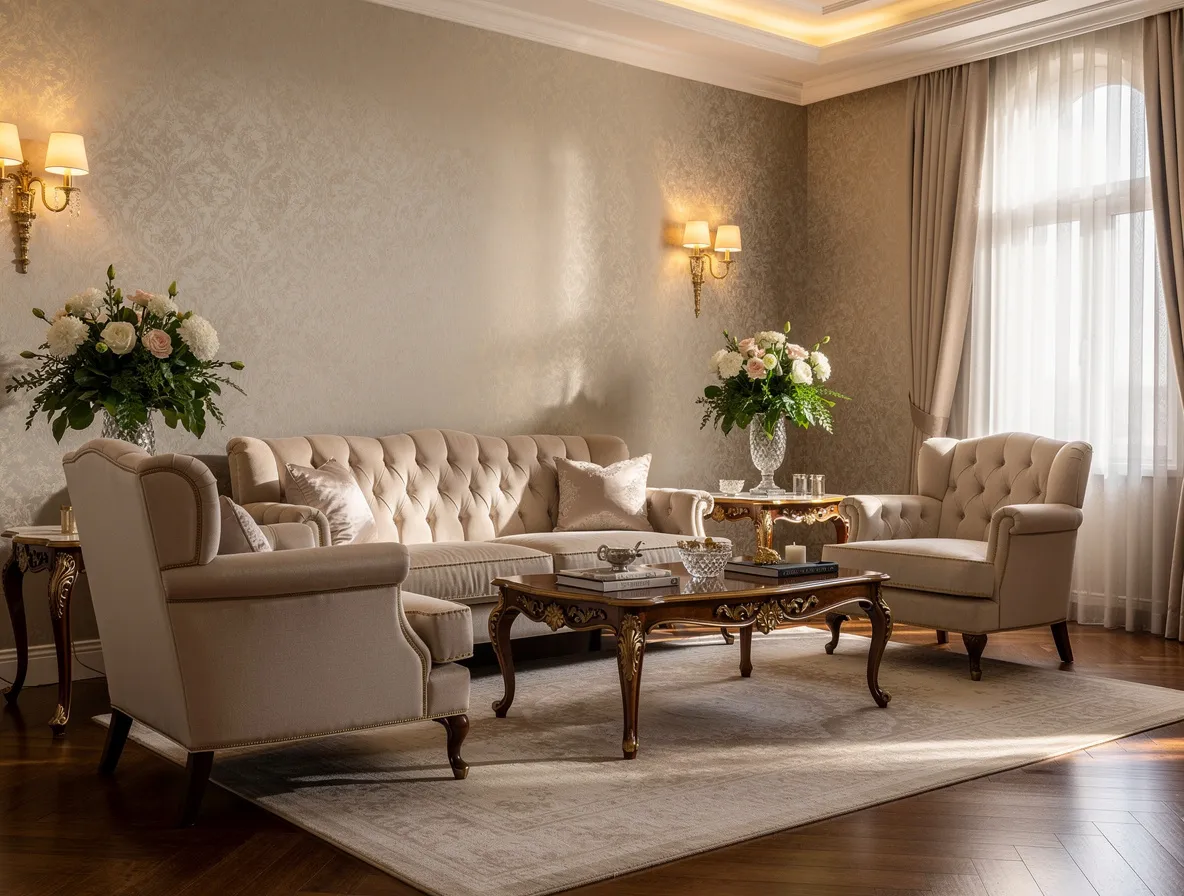
Elegant design is the most difficult design achievement - creating spaces of effortless, understated beauty that immediately communicate taste and quality without announcing themselves. It requires ruthless editing, perfect proportion, the right scale in every object, and materials that reward close inspection. Elegance is never loud; it is only fully appreciated on close examination.
Why People Love It
-
Elegant rooms age better than any other design approach
-
The restraint of elegance makes any quality piece sing without competition
-
Guests feel at ease rather than overwhelmed - comfort and beauty in equal measure
-
Nothing dates in an elegant room - the opposite of fashion is elegance
Key Characteristics
-
Perfect scale and proportion in every element
-
Neutral or muted palette with precise tonal variation
-
Furniture silhouettes that are refined and considered
-
Editing - fewer pieces, each exactly right
-
Quality of material over quantity of decoration
-
Negative space as active design tool
Color Palette
Materials
Ideal For
Room-by-Room
Elegant Design in Every Room
How elegant design translates across every space in your home
Living Room
A linen sofa of perfect proportions, one honed marble coffee table, a single large painting, simple linen curtains to full height, and no superfluous objects.
Kitchen
Shaker or flat cabinetry in a perfect neutral, honed stone worktops, one quality hardware choice repeated, and nothing on surfaces.
Bedroom
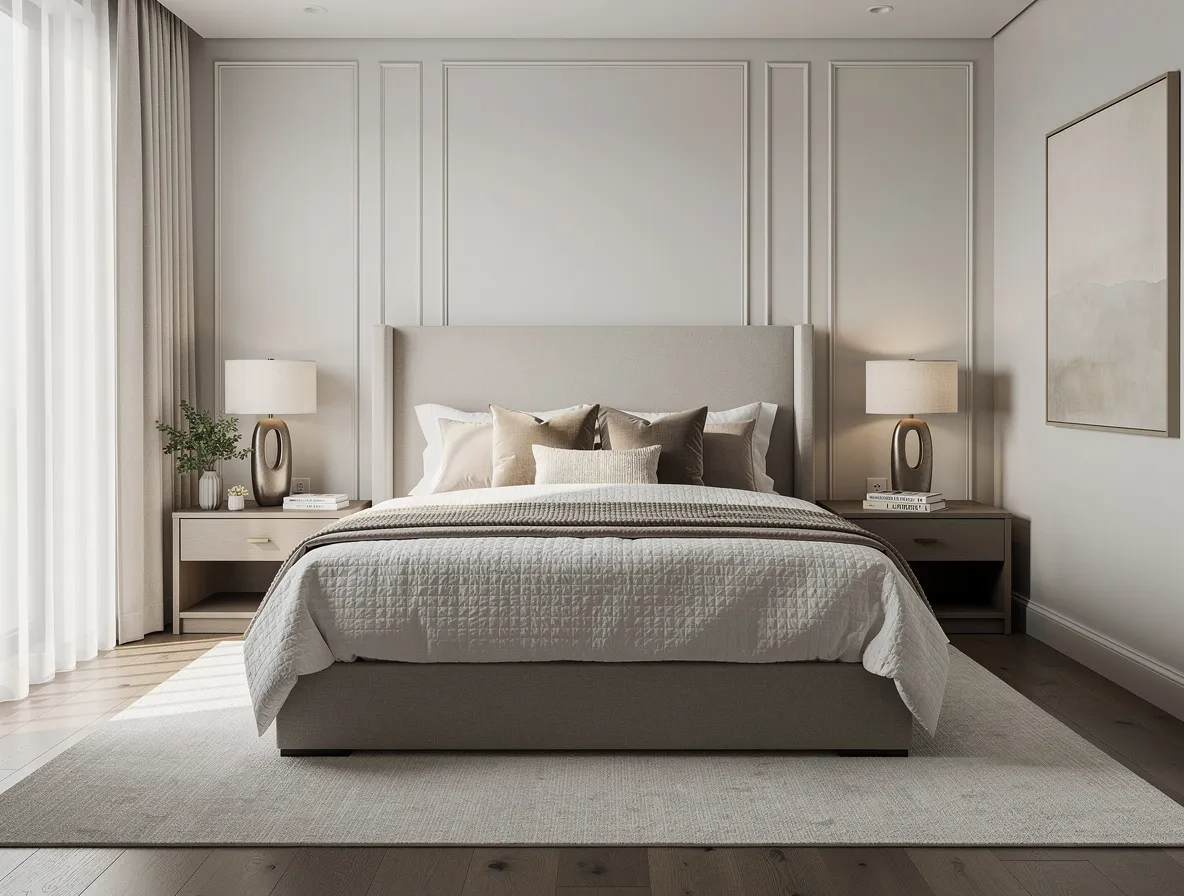
Upholstered bed with a considered headboard, perfectly proportioned bedside tables, linen bedding, and curtains to full height.
Bathroom
Marble or stone throughout, chrome or brushed nickel fixtures, a quality freestanding bath as the focal object, and nothing else visible.
Exterior
Stone, render, or brick in a neutral that breathes with the landscape, well-maintained planting, and a door with excellent hardware.
Visualize It First
See Elegant Design in Your Space
Upload any photo and our AI transforms it into elegant style in seconds
Upload a photo
Any room, any angle. Interior or exterior - phone photo is fine.
Select "Elegant"
Choose this style from our library or describe it to the AI in plain language.
Get your design
Photorealistic result in seconds. Download in HD or 4K resolution.
Expert Advice
How to Achieve Elegant Design
Practical tips from designers who work with elegant style every day.
Remove one more thing than you think you should - the final edit that creates elegance is always the hardest and most important.
Invest exclusively in pieces with the right scale - a slightly wrong-size sofa or a too-small rug is the most common destroyer of elegant rooms.
Choose soft furnishing fabrics by touching before seeing - the hand of a fabric (its weight, drape, and texture) creates elegance that photography cannot capture.
Commission curtains to hang from ceiling to floor even if the window does not reach - this is one of the most powerful and elegant interventions in any room.
Achieve tonal variation within a single color rather than using multiple colors - slight variations of one shade create depth that is more sophisticated than contrast.
The Psychology
How Elegance in Design Affects Social Behavior
Elegant spaces do not just look different - they make people behave differently. The psychology of elegant environments has been studied and the findings are consistent.
Elegant Spaces Reduce Aggression
Psychologist Roger Ulrich's research on environmental stress found that high-complexity, low-order environments (cluttered, harsh, poorly lit) increase physiological markers of stress and aggressive response, while elegant, ordered, naturally lit environments reduce them. The effect is measurable in blood pressure and cortisol levels. Elegant design is literally calming.
The Priming Effect of Beautiful Objects
Social psychology research on behavioral priming shows that exposure to elegant or sophisticated environments activates associated cognitive schemas - people in elegant settings are more likely to choose complex, considered responses to problems than people in ordinary settings. The environment primes the behavior it is associated with.
Elegant Design and Social Confidence
Research on home environments and social behavior found that people who live in spaces they consider beautiful report higher confidence in social situations that happen in their homes. The elegant home creates a setting where the host can be at ease, which directly affects how the guests experience the visit.
Status Signaling Without Ostentation
Elegance is the socially sophisticated version of status signaling. Sociologist Pierre Bourdieu distinguished between economic capital (money) and cultural capital (taste). Elegant design requires cultural capital to execute correctly and to appreciate - which is why it is a more reliable social signal than expensive-but-gauche objects. Elegance says: I know.
Style Pairings
Styles That Complement Elegant
Mix elegant with these styles for a layered, personal look.
Classic
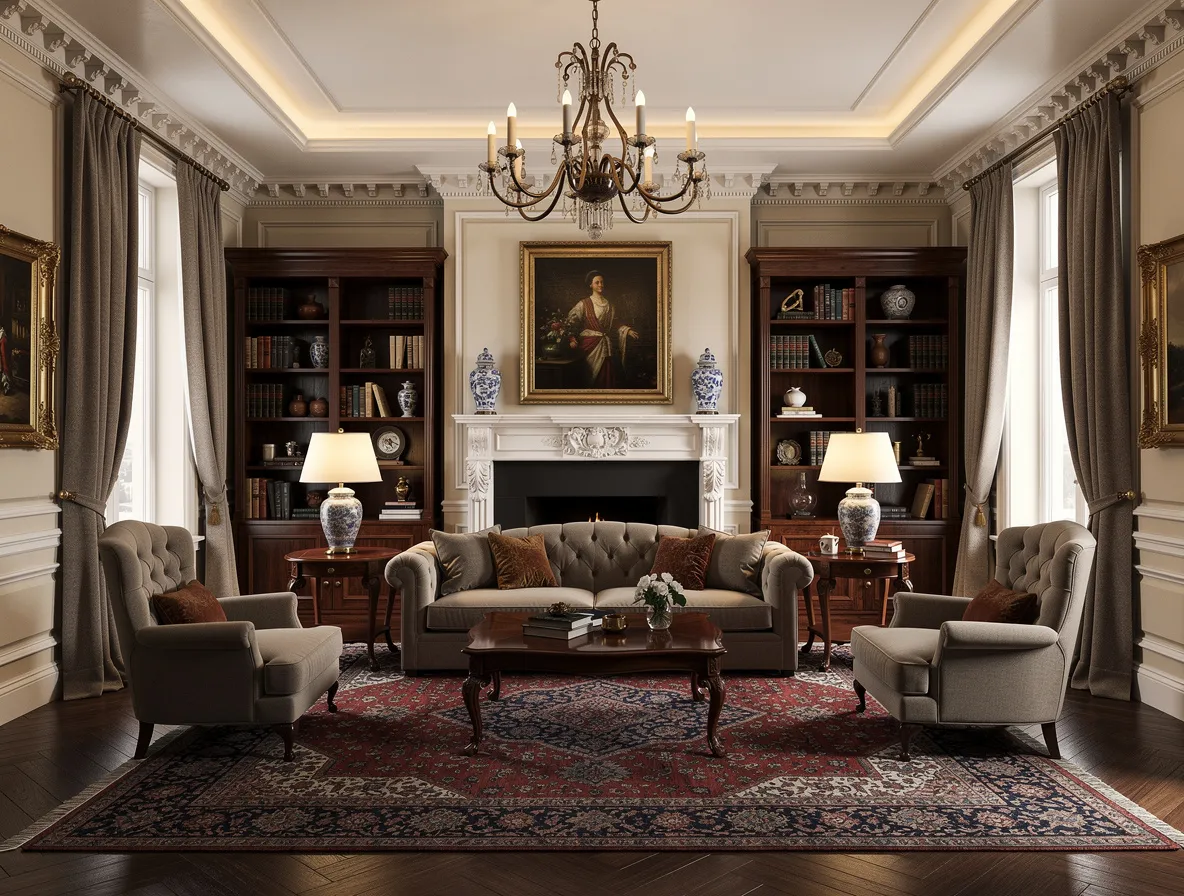
Elegant furnishings, balanced symmetry, and crown molding with rich wood tones create a look that never fades.
Luxury
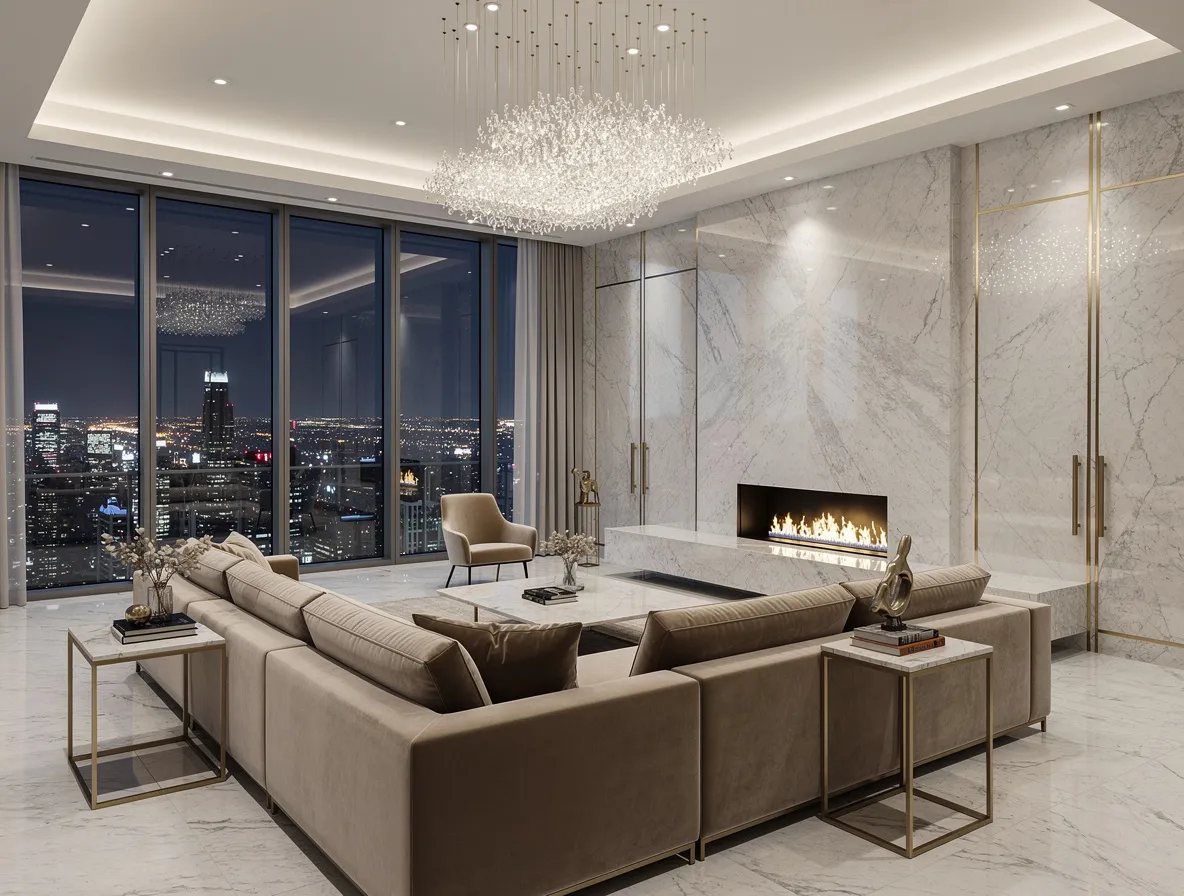
Floor-to-ceiling marble, designer furniture, gold accents, and crystal chandeliers for spaces that exude opulence.
Sophisticated
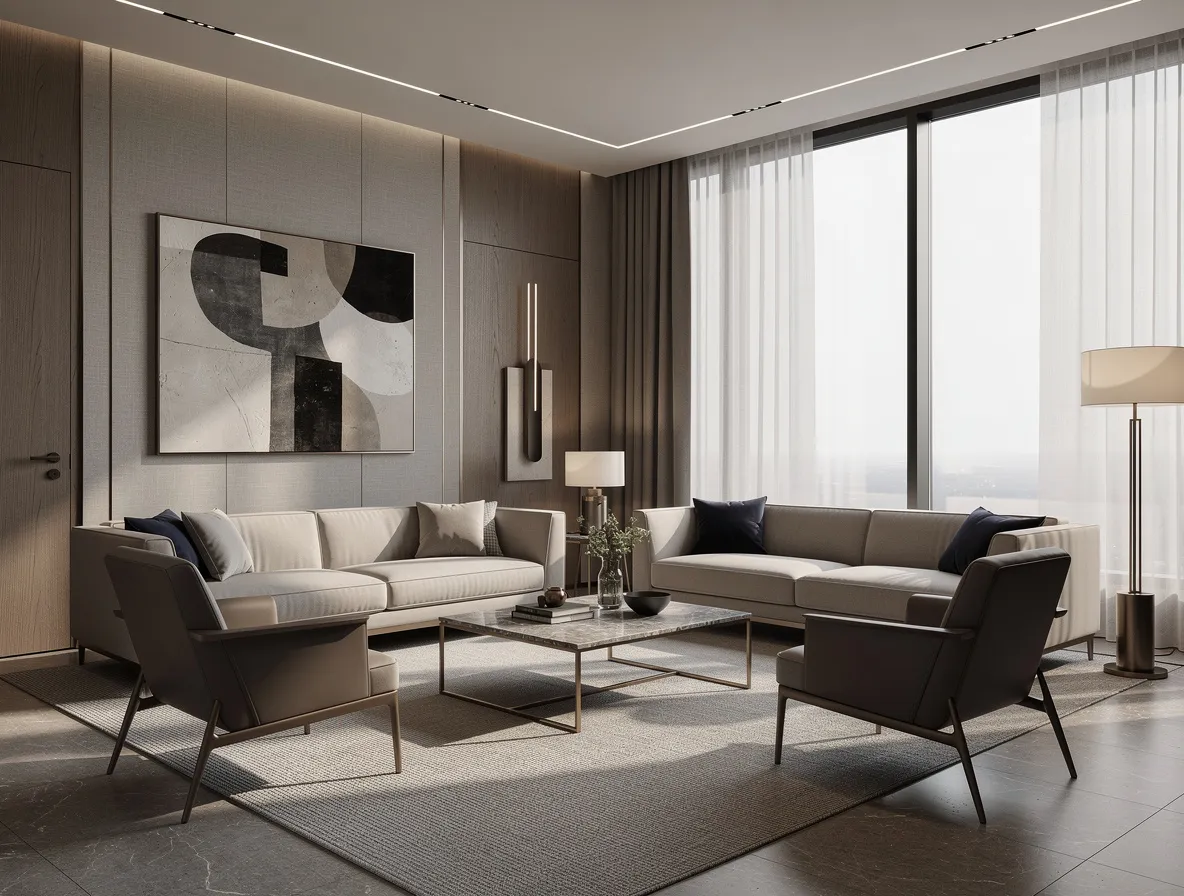
Tailored furniture, curated art, and subtle textures with muted tones for understated, intellectual elegance.
Refined
Quality linens, custom millwork, and understated luxury with exquisite attention to detail in every element.
Common Questions
Elegant Design: FAQ
What makes a room elegant?
Proportion, restraint, quality of materials, consistency of detail, and good light. An elegant room has nothing that should not be there, and everything that should is exactly right.
Is elegant design the same as formal design?
Not necessarily. An elegant space can be relaxed and informal. Elegance is about refinement and quality, not stiffness or ceremony.
How do I add elegance to a room without spending a lot?
Remove everything that contradicts elegance - cheap, cluttered, or poorly-made objects. Then invest in one or two genuinely high-quality items that set the standard for the space. Elegance is often addition by subtraction.
What colors are associated with elegant design?
Refined neutrals - warm white, stone, dove gray - with deep accent colors used sparingly: forest green, deep navy, burgundy, charcoal. Metallic accents in brushed brass or aged silver rather than bright chrome.
Ready to Transform Your Space?
Upload a photo and see it in elegant style - or any of our 80+ other styles - in seconds.