Luxury Design
The finest materials, the most skilled craftsmanship, and the ultimate attention to comfort and detail define luxury interiors where nothing is compromised.
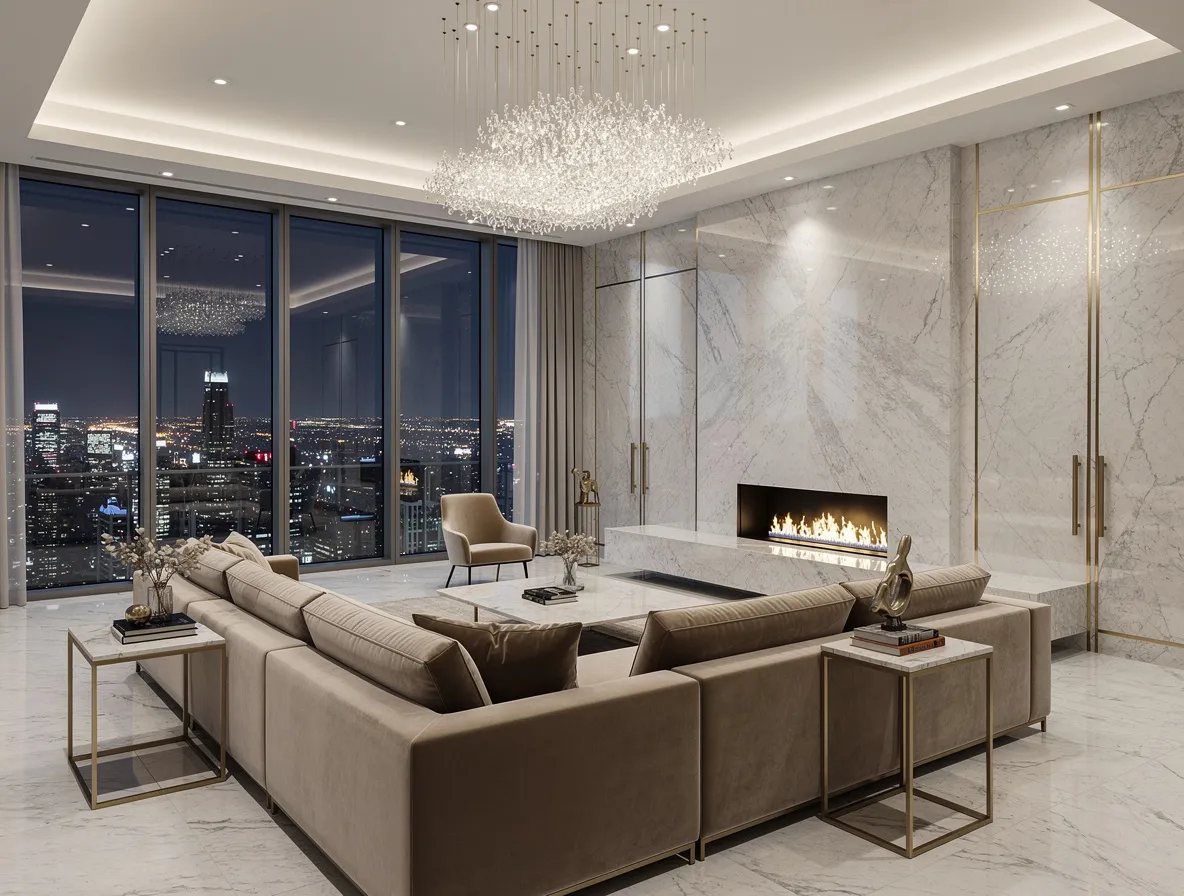
About the Style
What Is Luxury Design?
Luxury interior design is defined not by ostentation but by the quality of materials, the skill of craftsmanship, and the depth of comfort at every level of the experience. The best leather, the finest stone, handmade furniture by master craftspeople, bespoke lighting designed for the specific space, and textiles with genuine thread counts - these are the markers of authentic luxury. True luxury is felt, not just seen.
Why People Love It
-
Quality materials reward daily interaction - every touch confirms the investment
-
True bespoke craftsmanship makes every element unique and non-reproducible
-
The depth of comfort in a luxury home becomes the baseline of daily experience
-
Natural materials like marble and leather improve spectacularly with age and use
Key Characteristics
-
Bespoke joinery and furniture by master craftspeople
-
Premium natural stone - marble, onyx, quartzite
-
Handmade textiles with genuine quality
-
Concealed technology and perfect systems integration
-
Hotel-grade comfort in all seating and bedding
-
Bespoke lighting designed for the specific space
Color Palette
Materials
Ideal For
Room-by-Room
Luxury Design in Every Room
How luxury design translates across every space in your home
Living Room
Bespoke joinery, a sectional sofa in hand-stitched leather or cashmere, an onyx coffee table, a significant original artwork, and bespoke lighting.
Kitchen
Full bespoke kitchen in handmade cabinetry, a book-matched marble island, professional-grade appliances, and concealed integrated systems.
Bedroom
The finest hotel-grade bed with a custom headboard, 600+ thread count linen, bespoke wardrobes with integrated lighting and charging, motorized blinds.
Bathroom
Book-matched marble throughout, a freestanding tub by a premium manufacturer, Dornbracht or Vola fixtures, and a steam shower with chromotherapy.
Exterior
Natural stone cladding, professional landscape design, concealed outdoor lighting, a pool or spa, and bespoke entrance gate and hardware.
Visualize It First
See Luxury Design in Your Space
Upload any photo and our AI transforms it into luxury style in seconds
Upload a photo
Any room, any angle. Interior or exterior - phone photo is fine.
Select "Luxury"
Choose this style from our library or describe it to the AI in plain language.
Get your design
Photorealistic result in seconds. Download in HD or 4K resolution.
Expert Advice
How to Achieve Luxury Design
Practical tips from designers who work with luxury style every day.
Specify every material and finish in writing with reference samples - luxury design tolerates no approximations or last-minute substitutions.
Invest in bespoke joinery for wardrobes, kitchens, and bathrooms - truly bespoke work built on site achieves a fit impossible with product ranges.
Choose handmade rather than machine-made for every textile - hand-loomed rugs, hand-stitched upholstery, and bespoke drapery reward genuine examination.
Conceal all technology completely - flush-mounted speakers, invisible climate control, and integrated AV reinforce the luxury environment.
Allow extra budget for prototyping and adjustment - luxury design is an iterative process, and first samples are never the final answer.
Curious Facts
What Actually Makes a Room Feel Luxurious
Luxury interior design is widely misunderstood. Research and professional observation consistently show that the signals of genuine luxury are less obvious - and less expensive - than most people assume.
Silence is the Ultimate Luxury
Acoustic engineers and hospitality designers have consistently found that noise is the single biggest factor in how 'luxury' a space feels. Five-star hotels invest enormously in acoustic isolation - triple-glazed windows, floating floor construction, dense wall assemblies. A genuinely quiet room with ordinary furnishings feels more luxurious than a dramatically decorated room full of traffic noise.
Smell Matters More Than Sight
Hospitality researchers found that guests in scented hotel lobbies rated the entire property as higher quality than guests in identical but unscented lobbies - and were willing to pay more per night. The olfactory cortex is directly connected to the amygdala (emotional memory) in a way that visual processing is not. A room that smells right feels luxurious before you have looked at a single surface.
Light Quality Beats Fixture Price
A room lit with an expensive chandelier and harsh daylight-balanced bulbs feels less luxurious than a room with simple pendants and correctly warm, dimmable LEDs. Light quality - color temperature, controllability, and absence of glare - is the most undervalued determinant of perceived luxury. The most elegant rooms in the world are almost always lit with very low-output sources at very warm temperatures.
The Absence of Visible Maintenance Cues
True luxury environments have no visible wires, no visible switches at mismatched heights, no junction boxes, no unfinished edges. The absence of the infrastructure of ordinary life is what distinguishes high-end from aspirational. Every visible electrical fitting, every unedged carpet, every exposed pipe communicates 'not quite'.
Style Pairings
Styles That Complement Luxury
Mix luxury with these styles for a layered, personal look.
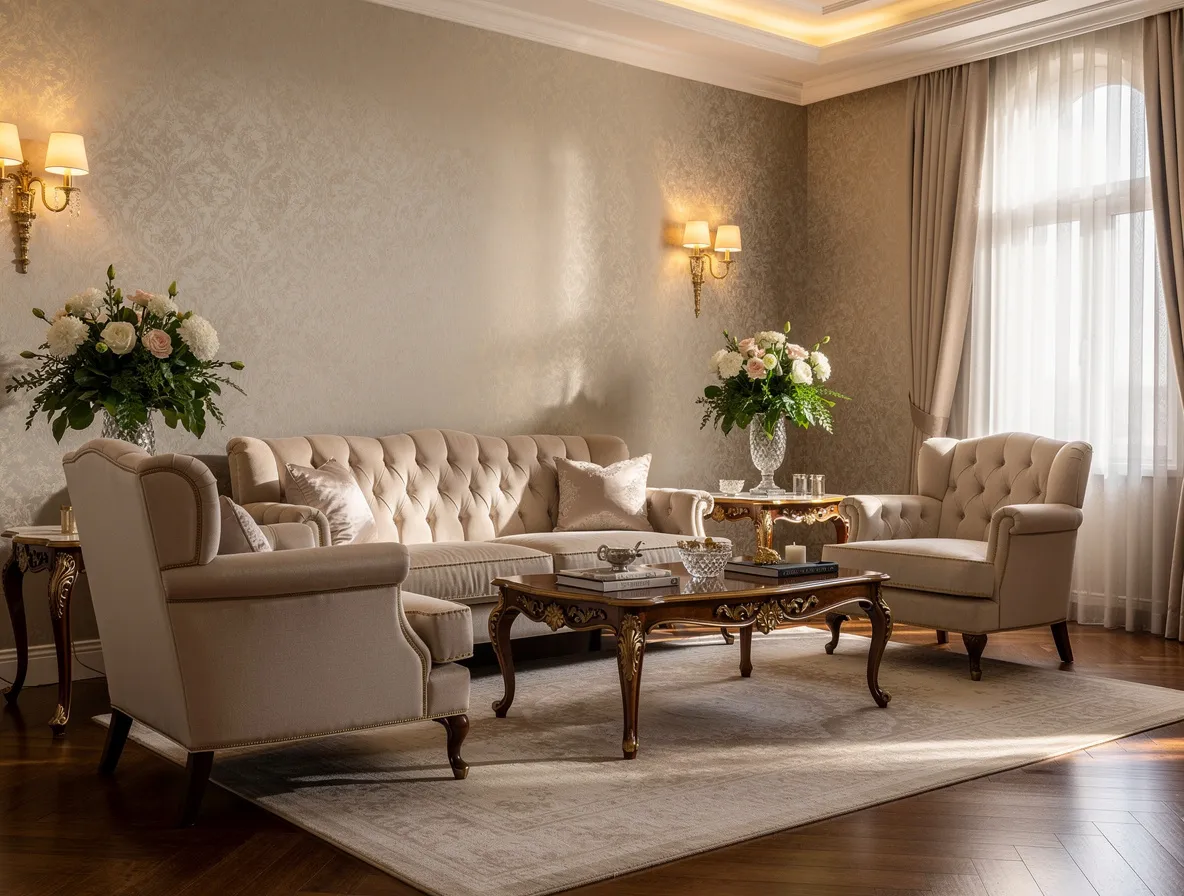
Elegant
Silk wallpaper, tufted seating, and fresh floral arrangements create a refined, graceful interior that delights the senses.
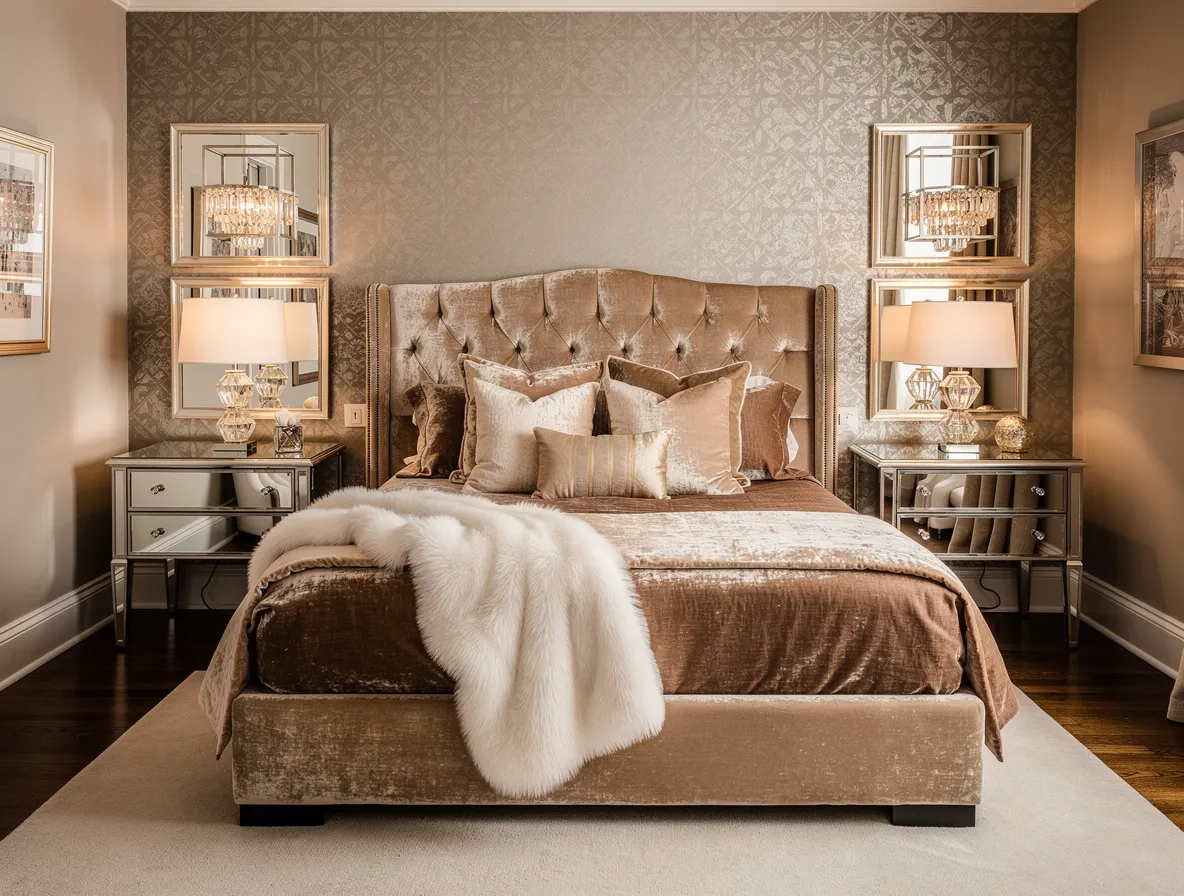
Glamorous
Mirrored furniture, faux fur throws, crystal lamps, and metallic wallpaper for a dazzling Hollywood-inspired bedroom.
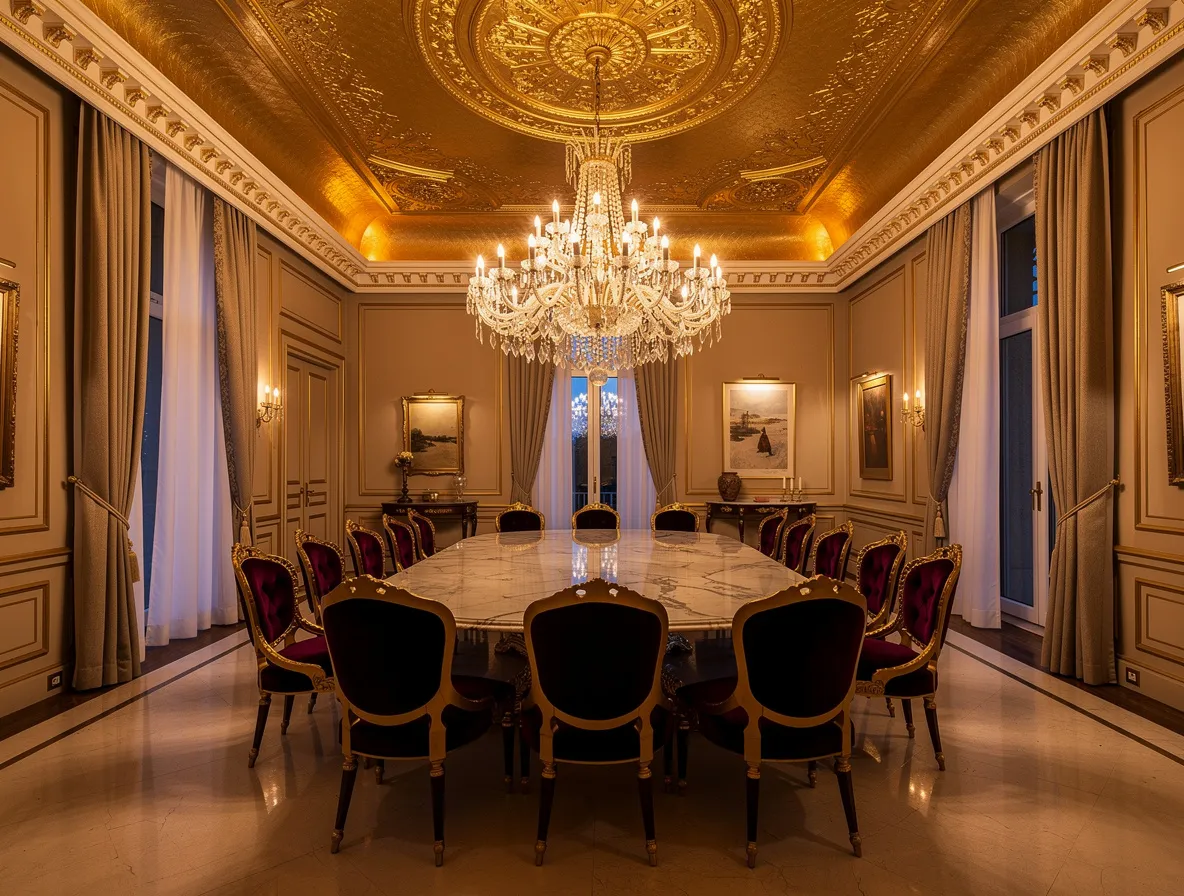
Opulent
Gold leaf ceilings, crystal chandeliers, marble tables, and velvet chairs for the most extraordinary dining experiences.
Sophisticated
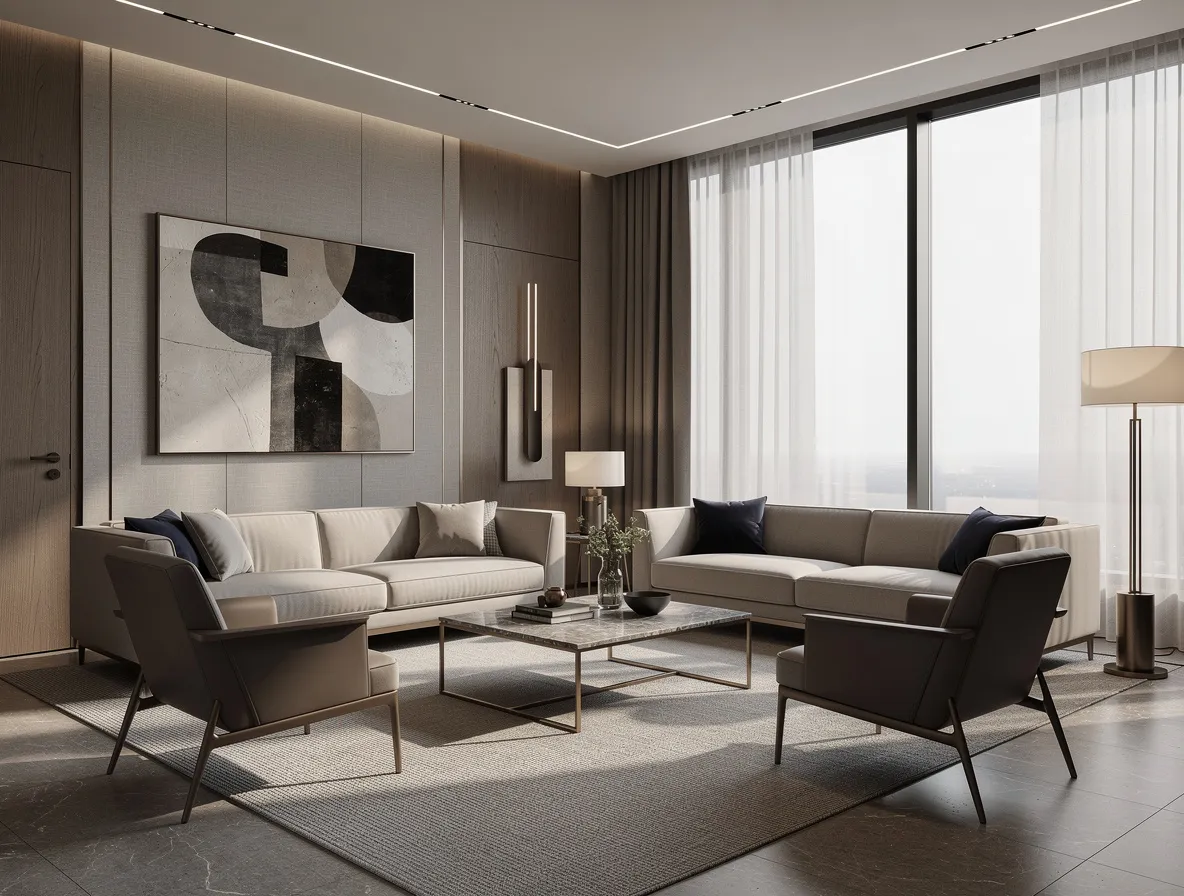
Tailored furniture, curated art, and subtle textures with muted tones for understated, intellectual elegance.
Common Questions
Luxury Design: FAQ
What makes an interior feel truly luxurious?
Silence, quality of light, the smell of the space, and the absence of visible infrastructure cues. These sensory factors matter more than expensive materials or prestigious brand names on furniture.
What are the most important luxury materials in interior design?
Natural stone (particularly marble and travertine), solid hardwood, silk and cashmere textiles, hand-beaten metals, and hand-applied plaster finishes. The defining quality is that they are made by skilled human hands, not machines.
Can you create luxury on a limited budget?
Yes - through quality of light (good dimmable warm LEDs, well-placed), excellent paint application (multiple coats, perfect cutting), scent (a simple room fragrance), and acoustic comfort (heavy curtains, a wool rug). These are the underlying signals of luxury before any furniture is purchased.
What furniture brands represent the pinnacle of luxury design?
Hermes Maison, Loro Piana Interiors, and the custom workshop of any skilled furniture maker. For accessible luxury: De Sede, Minotti, and Holly Hunt. The key is construction quality and material honesty over brand visibility.
What is the difference between luxury and opulent design?
Luxury is restrained, precise, and expensive in ways that require knowledge to appreciate. Opulent is visually maximalist - it announces wealth loudly. Luxury whispers; opulence shouts.
Ready to Transform Your Space?
Upload a photo and see it in luxury style - or any of our 80+ other styles - in seconds.