Futuristic Design
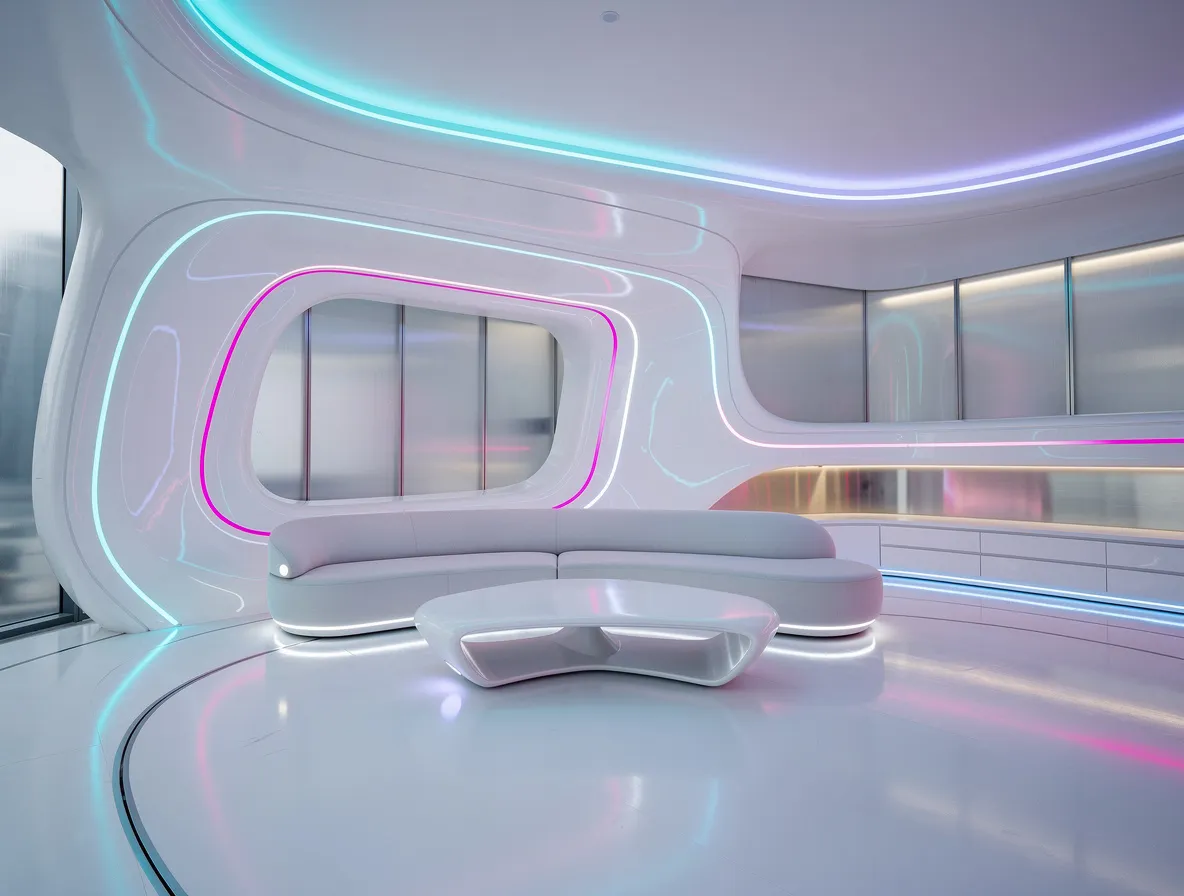
Visionary forms, otherworldly materials, and space-age aesthetics create interiors designed to look like they came from decades in the future.
About the Style
What Is Futuristic Design?
Futuristic design takes inspiration from science fiction, aerospace engineering, and speculative architecture to create spaces that feel genuinely ahead of their time. Curved pod-like furniture, iridescent and metallic surfaces, LED accent lighting used structurally, and unusual material combinations define the aesthetic. It is unapologetically theatrical and works best as a bold commitment rather than a timid experiment.
Why People Love It
-
Creates an environment unlike anything else - genuinely conversation-starting
-
LED technology enables lighting effects impossible in any other design style
-
Total creative freedom unbound by historical tradition or convention
-
Photographs and films spectacularly for professional and social use
Key Characteristics
-
Pod-like or capsule-shaped furniture forms
-
Iridescent, holographic, or metallic surface finishes
-
LED lighting used as primary architectural element
-
Curved walls, ceilings, and floor transitions
-
Monochromatic white or full metallic base palette
-
Materials not found in traditional design
Color Palette
Materials
Ideal For
Room-by-Room
Futuristic Design in Every Room
How futuristic design translates across every space in your home
Living Room
Curved pod sofa in white or metallic, a resin coffee table with internal lighting, backlit wall panels, and a fiber optic ceiling create a cinematic experience.
Kitchen
High-gloss white cabinetry with LED channel handles, mirrored splashback, aluminum worktop, and concealed under-cabinet lighting deliver a laboratory-like kitchen.
Bedroom
Bed pod with integrated lighting and curved canopy, iridescent wallcovering, ambient LED lighting strips, and motorized concealed storage.
Bathroom
Backlit translucent stone or resin walls, chrome fixtures, chromotherapy shower, and a floating acrylic vanity with internal LED illumination.
Exterior
White or metallic cladding, curved facade elements, integrated LED strips outlining the building edge, and minimal geometric landscaping.
Visualize It First
See Futuristic Design in Your Space
Upload any photo and our AI transforms it into futuristic style in seconds
Upload a photo
Any room, any angle. Interior or exterior - phone photo is fine.
Select "Futuristic"
Choose this style from our library or describe it to the AI in plain language.
Get your design
Photorealistic result in seconds. Download in HD or 4K resolution.
Expert Advice
How to Achieve Futuristic Design
Practical tips from designers who work with futuristic style every day.
Start with the ceiling and floor as primary design canvases - curved plaster ceilings and polished resin floors establish the futuristic environment.
Use LED strip lighting inside furniture, beneath floating surfaces, and along wall joints as a primary feature rather than a supplement.
Commit fully to the palette - futuristic design requires either an all-white base or full metallic saturation; half-measures read as unfinished.
Source furniture from avant-garde designers (Zaha Hadid, Karim Rashid, Ross Lovegrove) rather than adapting conventional contemporary pieces.
Introduce one iridescent or color-shifting material - a glass panel, resin table, or metallic fabric - as a single sensational centerpiece.
In Pop Culture
How Sci-Fi Films Designed the Future We Now Live In
The interiors of science fiction cinema did not just predict the future - they created the visual grammar that designers later used to build it.
Kubrick Invents the White Room
Stanley Kubrick hired Eliot Noyes and industrial designer Harry Lange to design the Discovery One spacecraft's interiors. The result - pure white curved surfaces, recessed lighting, and total geometric order - became the foundational image of what the future should look like. Every white futuristic interior that followed owes something to this film.
The Dark Mirror of Progress
Ridley Scott's dystopian Los Angeles imagined the future as a dense, dark layering of old and new - neon signs over crumbling art deco facades, exposed pipes alongside holographic advertising. This darker, layered vision of futurism directly influenced the cyberpunk interior aesthetic that remains influential today.
Warm Futurism Arrives
Spike Jonze and production designer K.K. Barrett designed the near-future Los Angeles of 'Her' as warm, human-scaled, and beautiful - cream walls, warm lighting, simple wooden furniture, and soft fabrics. This 'warm futurism' aesthetic directly influenced the premium tech industry's interior design language at Apple, Google, and Airbnb.
The Blade Runner 2049 Influence
Denis Villeneuve and production designer Patrice Vermette developed an evolved futurism for Blade Runner 2049 - vast brutalist concrete volumes, amber dust, and isolation. This became the reference point for a generation of hospitality and residential designers working on dramatic, large-scale futuristic interiors.
Style Pairings
Styles That Complement Futuristic
Mix futuristic with these styles for a layered, personal look.
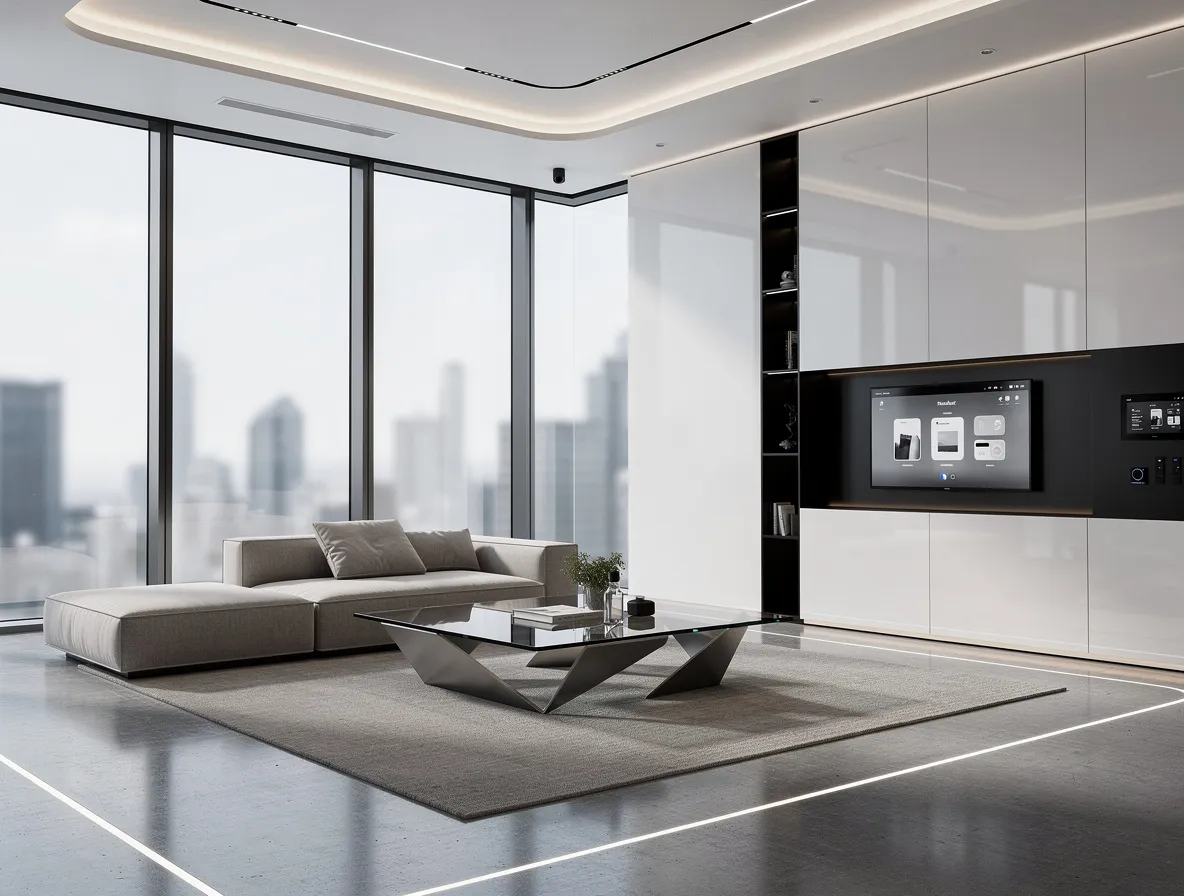
Ultra-Modern
Cutting-edge design with geometric forms, sleek surfaces, and smart home technology for spaces that feel like the future.
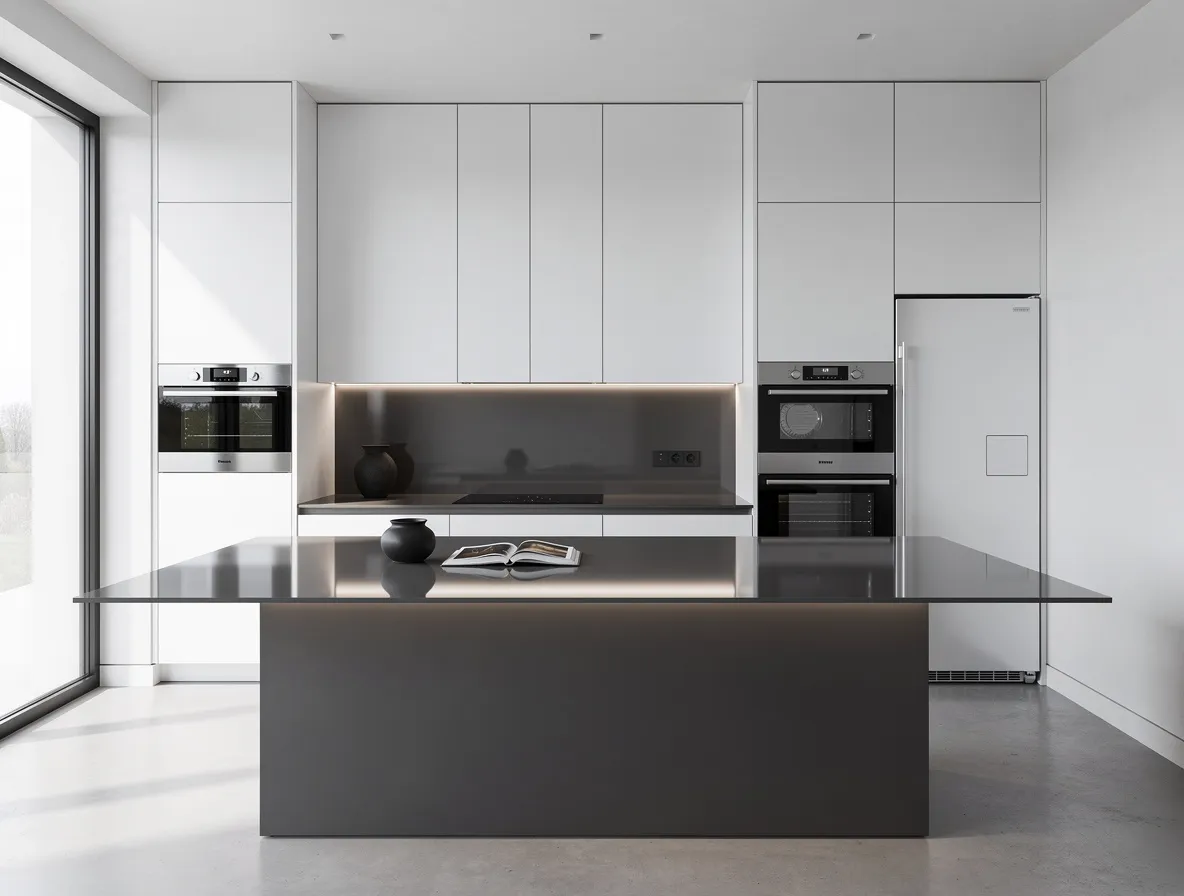
Sleek
Glossy surfaces, handleless cabinets, and monochromatic schemes create an effortlessly polished look for any room.
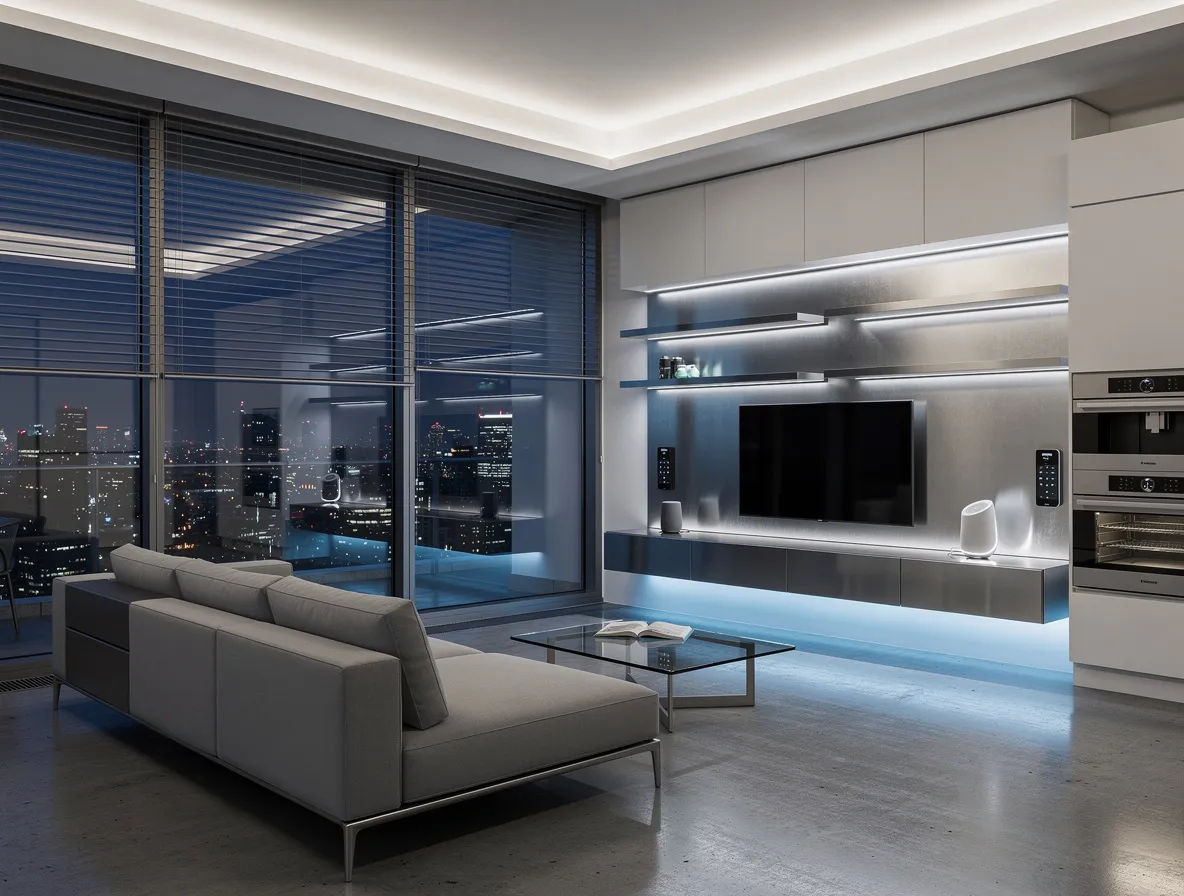
High-Tech
Smart home features, ambient LED lighting, automated systems, and metallic accents for the technology-forward lifestyle.
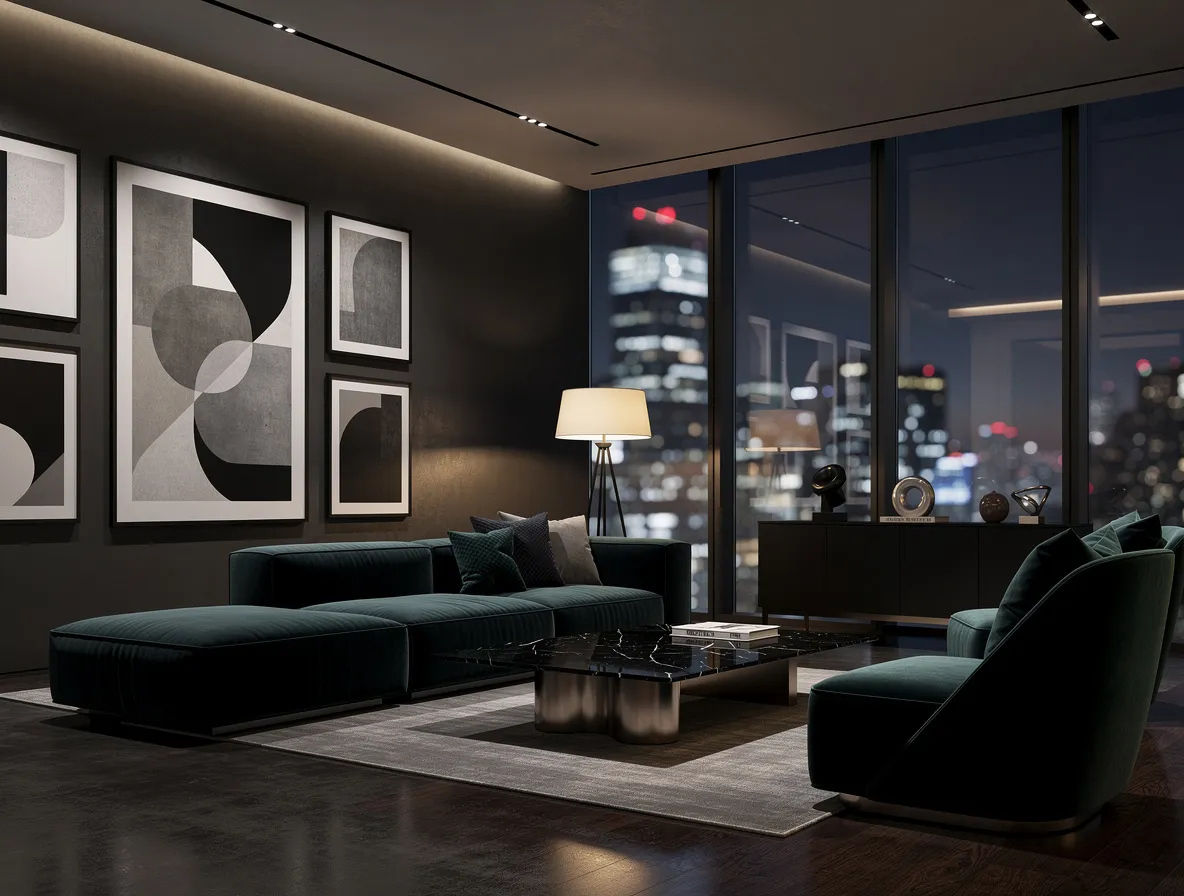
Metropolitan
A sophisticated dark palette, designer furniture, and gallery-style art walls for the ultimate city dwelling.
Common Questions
Futuristic Design: FAQ
What colors define a futuristic interior?
Monochromatic whites and grays for clean futurism. Neon accents on dark backgrounds for cyberpunk futurism. Warm amber, terracotta, and cream for warm futurism. The palette depends on which vision of the future you are referencing.
How do I make a bedroom look futuristic without it feeling like a spaceship?
Focus on lighting: integrated LED strips, backlit panels, and dimmable smart lights. Add one curved statement piece and keep the palette monochromatic. Restraint is the difference between futuristic and theatrical.
What materials are used in futuristic interiors?
Polished white lacquer, brushed aluminum, acrylic, LED-embedded panels, high-gloss surfaces, and increasingly - organic smart materials that change color or texture in response to environment.
Ready to Transform Your Space?
Upload a photo and see it in futuristic style - or any of our 80+ other styles - in seconds.