Transitional Design
The perfect marriage of traditional warmth and contemporary clean lines creates transitional interiors that are timeless, broadly appealing, and endlessly livable.
About the Style
What Is Transitional Design?
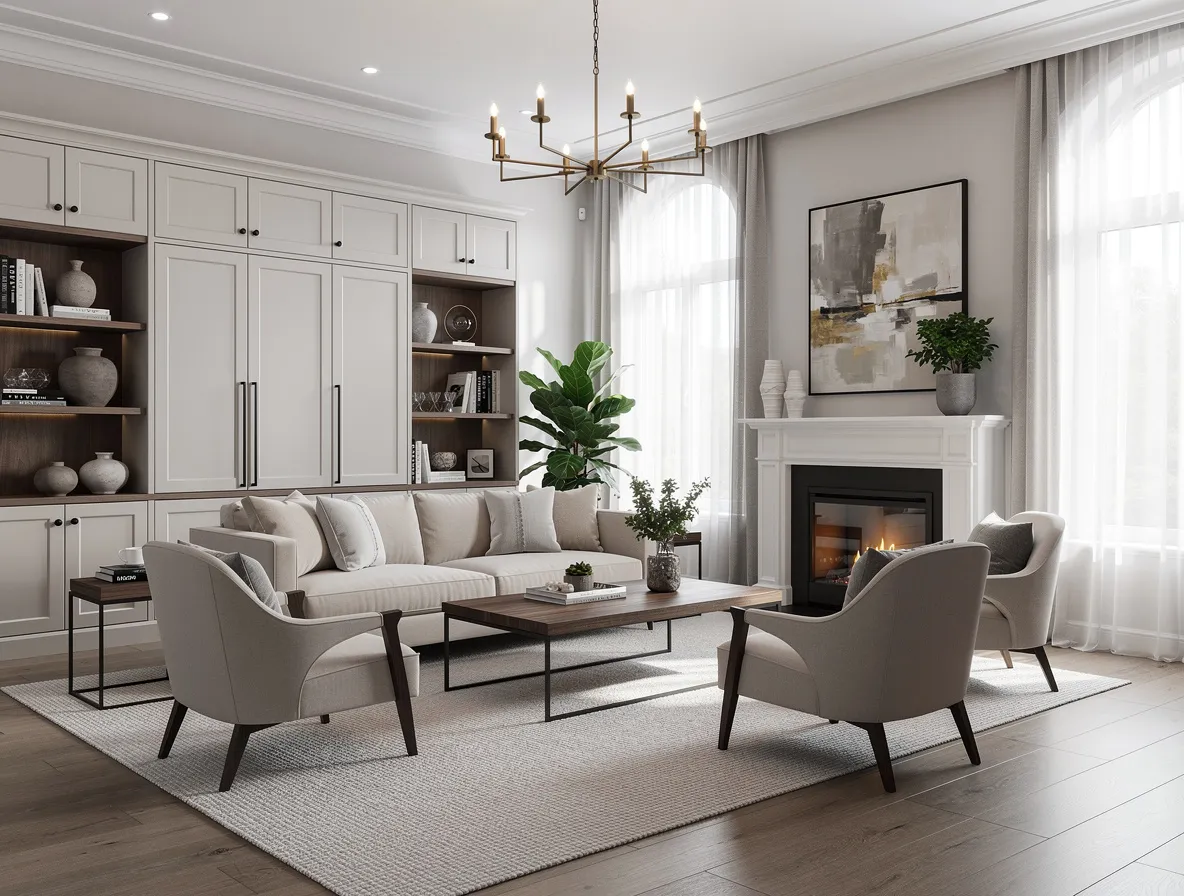
Transitional design is the most popular interior design style for good reason - it provides the warmth and comfort of traditional design without the formality or period costume, and the clean lines of contemporary design without the austerity or coldness. It blends them in proportions that suit the specific home, the specific client, and the specific moment, creating spaces that feel both current and permanent.
Why People Love It
-
Universally appealing without being bland or generic
-
Works equally well with any architectural period
-
Allows personal expression within a coherent, balanced framework
-
Genuinely easy to live with every day across all life stages
Key Characteristics
-
Clean-lined furniture with traditional proportions
-
Neutral palette with warm undertones
-
Mix of hardwood and upholstered elements
-
Simple but not stark architectural details
-
Natural materials without being rustic
-
Symmetry without rigid formality
Color Palette
Materials
Ideal For
Room-by-Room
Transitional Design in Every Room
How transitional design translates across every space in your home
Living Room
Linen sofa with rolled arms, a hardwood coffee table, simple crown molding, a symmetrical mantel arrangement, and warm neutral walls.
Kitchen
Shaker cabinetry in a warm neutral, natural stone countertops, brushed nickel hardware, subway tile, and open shelving.
Bedroom
Upholstered headboard in neutral fabric, matching hardwood nightstands, linen bedding, simple crown molding, and blackout curtains.
Bathroom
Marble or stone, brushed nickel fixtures, a framed mirror, subway tile, and simple clean profiles throughout.
Exterior
Painted clapboard or brick in a warm neutral, a classic paneled door in a complementary color, and simple landscaping.
Visualize It First
See Transitional Design in Your Space
Upload any photo and our AI transforms it into transitional style in seconds
Upload a photo
Any room, any angle. Interior or exterior - phone photo is fine.
Select "Transitional"
Choose this style from our library or describe it to the AI in plain language.
Get your design
Photorealistic result in seconds. Download in HD or 4K resolution.
Expert Advice
How to Achieve Transitional Design
Practical tips from designers who work with transitional style every day.
Choose furniture with traditional proportions (roll arms, visible legs) but in contemporary fabrics (linen, bouclé) - this is the transitional formula.
Select a warm neutral palette: warm white walls, taupe or warm gray upholstery, natural wood tones, and one or two warm accent colors.
Use architectural details (crown molding, wainscoting) to add warmth but keep them simple rather than ornate - traditional vocabulary, contemporary execution.
Mix hardwood and upholstered pieces in equal proportion - too much timber is traditional; too much upholstery is contemporary. Balance is the point.
Choose lighting that reads as contemporary in silhouette but traditional in material - a drum shade pendant in linen, a candlestick lamp updated in matte black.
The Psychology
Why Transitional Is the World's Most Popular Design Style
Surveys consistently show that transitional design is the most widely preferred interior style globally - and psychology explains exactly why.
The Appeal of Safe Novelty
Psychologist Daniel Berlyne's research on aesthetic preference found that people most prefer stimuli that are moderately novel - neither too familiar (boring) nor too unfamiliar (threatening). Transitional design occupies this exact position: it is familiar enough (traditional furniture forms, neutral palette) to feel safe and comfortable, and novel enough (modern materials, cleaner lines) to feel current. It is the aesthetic sweet spot of moderate arousal.
Both/And Rather Than Either/Or
People described as 'between styles' - who like both traditional and contemporary design but feel neither fully represents them - make up the largest segment of the design-interested population. Transitional design is the only style that explicitly accommodates this position. It allows someone to love their grandmother's antique chest and their new minimalist sofa simultaneously, without the two feeling contradictory.
Resale Value Psychology
Real estate research consistently shows that transitional design achieves the highest purchase intentions among the broadest range of buyers. Strongly styled rooms (Victorian, ultra-modern, maximalist bohemian) appeal strongly to some buyers and negatively to others. Transitional rooms are inoffensive to almost everyone while still feeling designed - which is why developers and staging companies default to it.
The Comfort of Familiar Forms
Traditional furniture forms - the wing chair, the camelback sofa, the four-poster bed - have been refined over centuries for the specific comfort and ergonomic needs of human bodies. Transitional design keeps these forms but updates their materials and palette. You get the ergonomic inheritance of centuries of furniture design in a room that looks contemporary.
Style Pairings
Styles That Complement Transitional
Mix transitional with these styles for a layered, personal look.
Contemporary
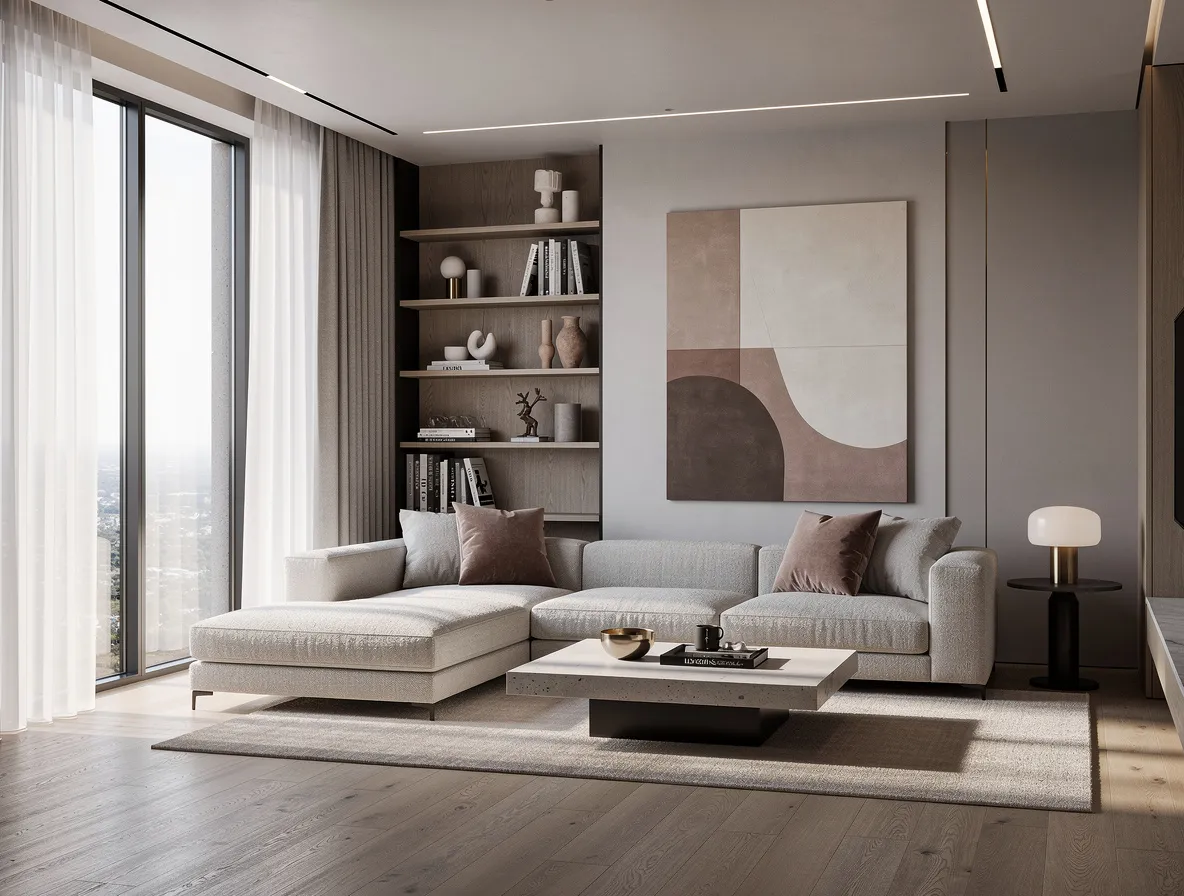
Current and ever-evolving aesthetics that reflect today's design trends. Mixed materials, sophisticated palettes, and forward-thinking layouts.
Classic
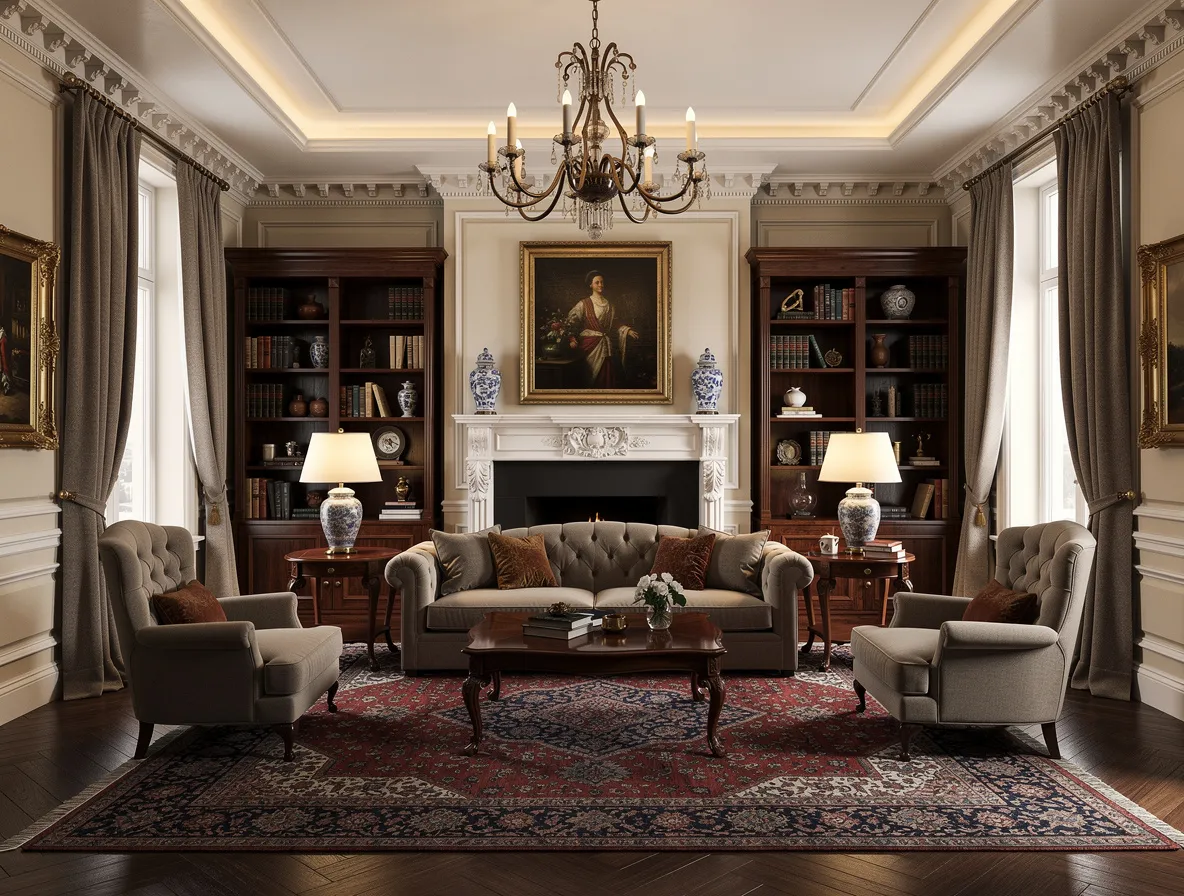
Elegant furnishings, balanced symmetry, and crown molding with rich wood tones create a look that never fades.
Updated Traditional
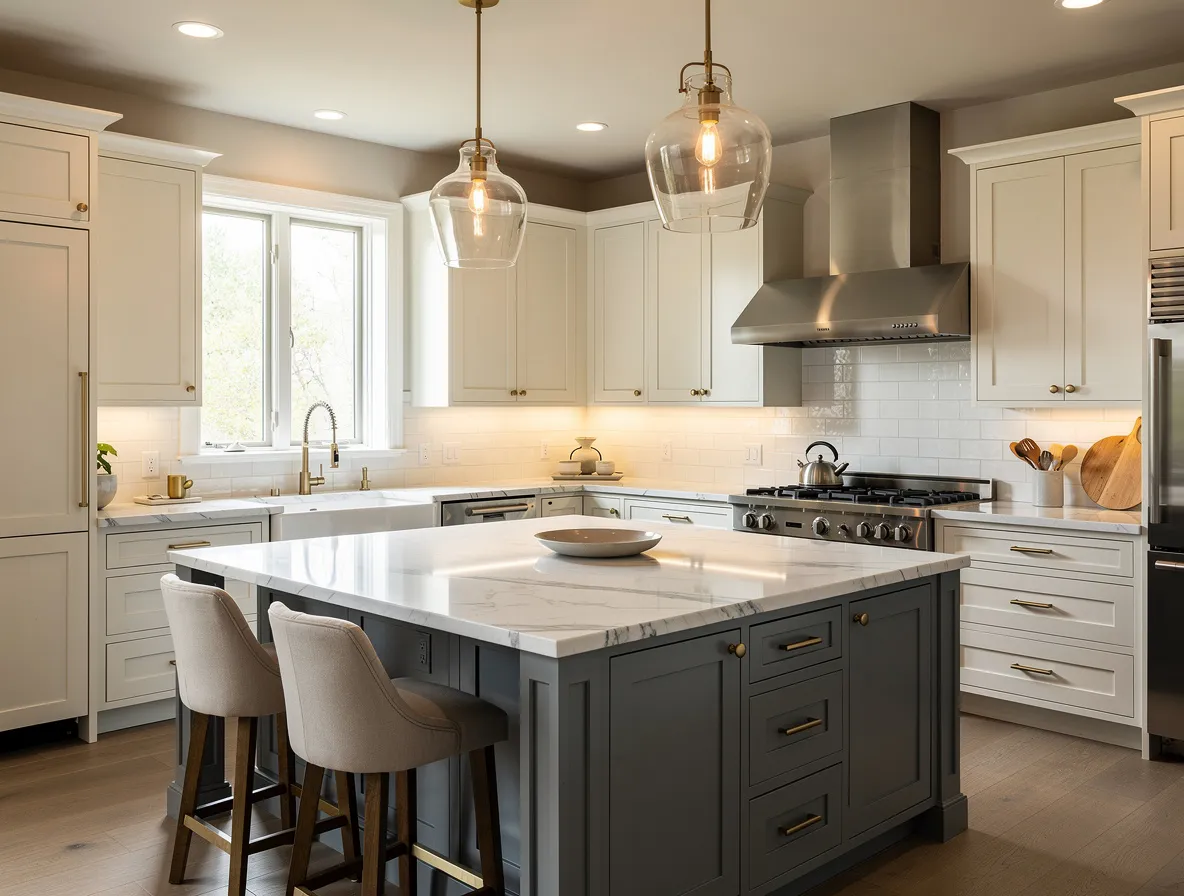
Classic cabinetry in modern colors, marble counters, and contemporary lighting breathe new life into tradition.
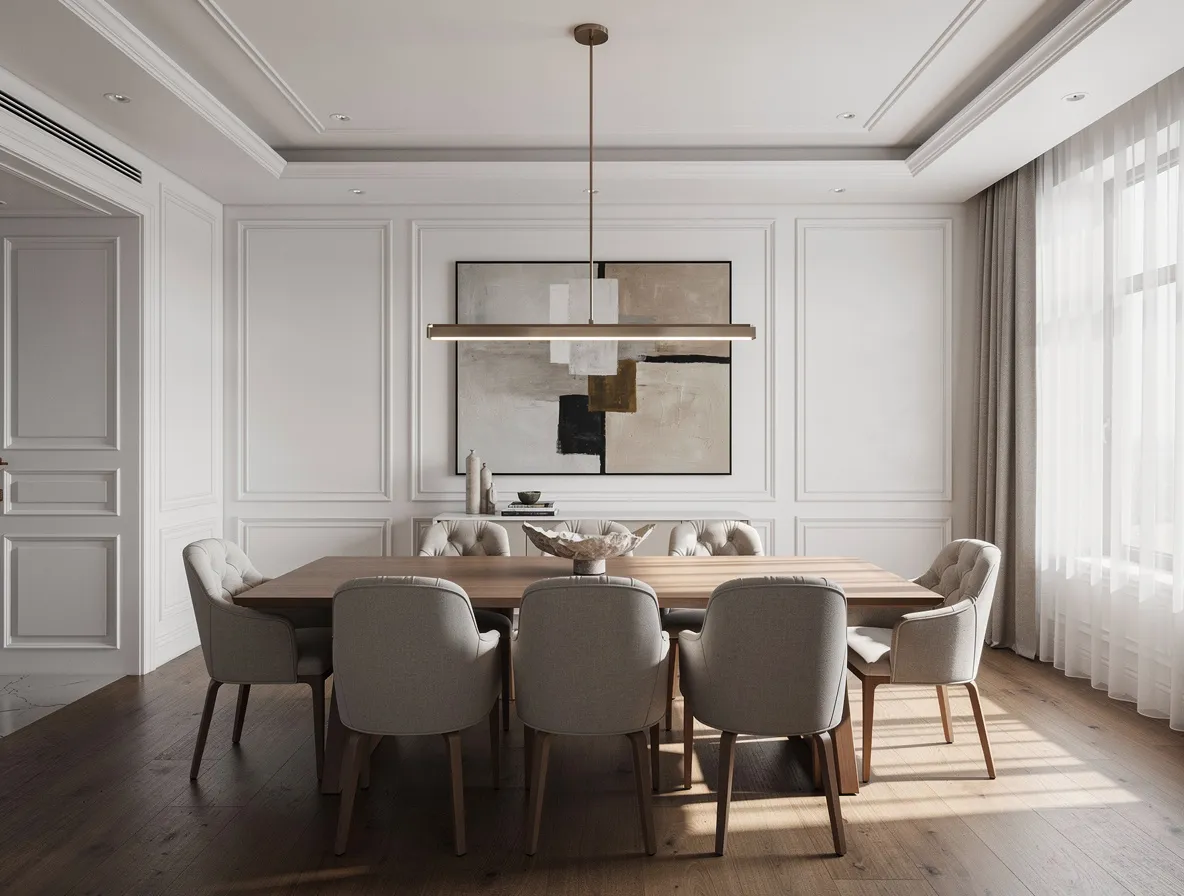
Hybrid
Clean-lined tables, upholstered classic chairs, and contemporary art create a perfectly blended modern-traditional space.
Common Questions
Transitional Design: FAQ
What is transitional interior design?
A blend of traditional and contemporary design that takes furniture forms from traditional design and updates them with cleaner lines, neutral palettes, and modern materials. It bridges the past and present without fully committing to either.
What is the difference between transitional and contemporary design?
Contemporary is fully current - it reflects the design trends of right now. Transitional deliberately borrows from traditional forms while simplifying and modernizing them. Transitional has a more permanent character; contemporary evolves with each decade.
What colors are used in transitional design?
Warm neutrals - warm white, cream, warm gray, warm greige - with accent colors in muted organic tones. The palette is deliberately non-confrontational and broadly appealing.
What furniture defines transitional design?
Traditional furniture forms (wing backs, camelbacks, four-poster beds) in updated materials - linen instead of chintz, brushed nickel instead of brass, tight upholstery instead of button-tufted. The shape is traditional; the finish is contemporary.
How do I make a transitional room feel personal rather than generic?
Add one or two pieces with strong personal resonance - a genuine antique, a piece of art you love, an unusual object from travel. These personal anchors prevent the transitional style from feeling like a showhome.
Ready to Transform Your Space?
Upload a photo and see it in transitional style - or any of our 80+ other styles - in seconds.