Art Deco Design
Geometric boldness, jazz-age glamour, sunburst motifs, and richly contrasting materials define the 1920s-30s style that remains the world's most influentially beautiful design movement.
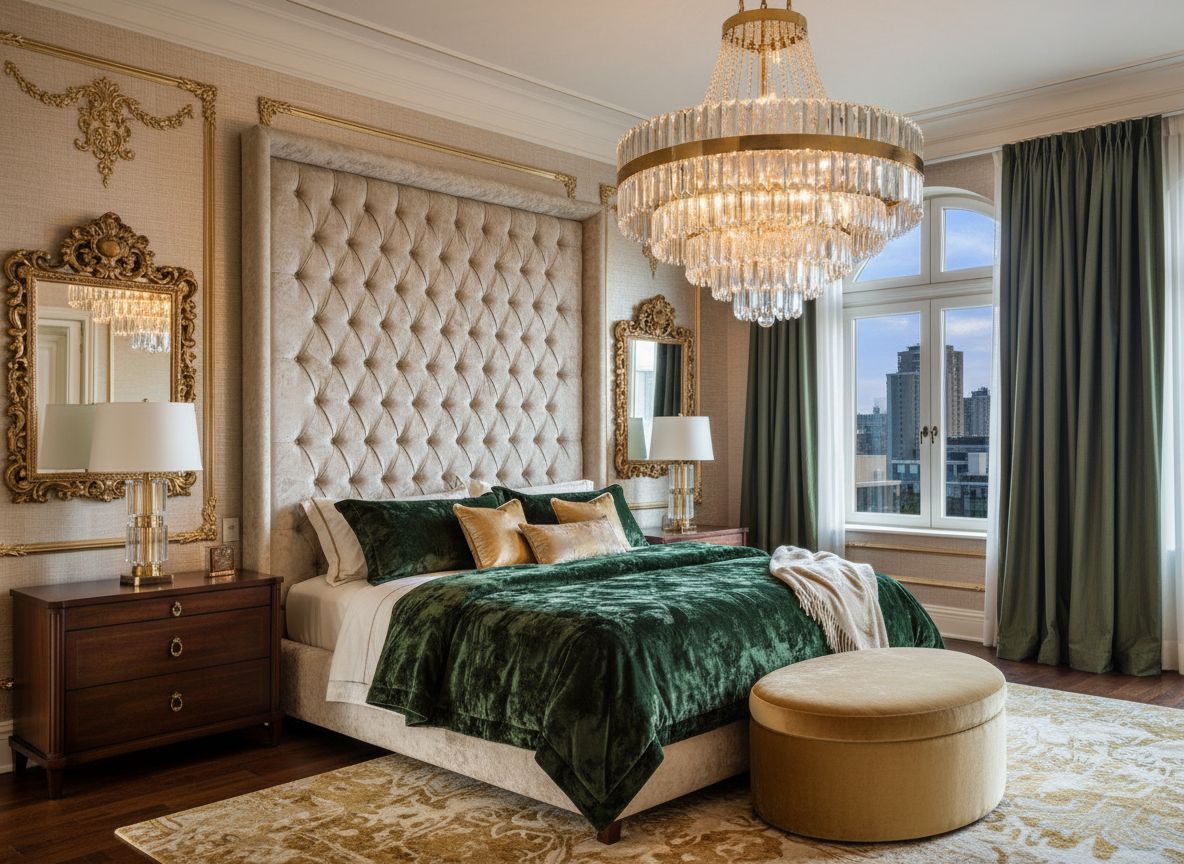
About the Style
What Is Art Deco Design?
Art Deco emerged from the 1925 Paris Exposition Internationale des Arts Decoratifs et Industriels Modernes as a synthesis of modernist abstraction and luxury craftsmanship. Geometric patterns derived from Aztec, Egyptian, and Cubist sources, bold contrasts of black and gold, ebony and ivory, exotic materials like shagreen and chrome, and the optimistic machine-age aesthetic of speed and progress define the style. It produced some of the most beautiful buildings and objects ever made.
Why People Love It
-
One of the most beautiful and influential design movements in history
-
The geometric patterns are as fresh and powerful today as in 1925
-
Material combinations (chrome and ebony, gold and black) remain uniquely dramatic
-
Art Deco objects are among the most collected and valuable design pieces globally
Key Characteristics
-
Bold geometric patterns - chevron, sunburst, zigzag
-
High-contrast color combinations - black and gold
-
Stepped or tiered architectural forms
-
Exotic materials - shagreen, lacquer, chrome
-
Fan and sunburst motifs in hardware and decoration
-
Rounded corners combined with angular pattern work
Color Palette
Materials
Ideal For
Room-by-Room
Art Deco Design in Every Room
How art deco design translates across every space in your home
Living Room
Black lacquer cabinet, gold sunburst mirror, geometric patterned rug in black and ivory, a velvet sofa in emerald, chrome table lamps.
Kitchen
Black cabinetry with chrome handles, geometric tile in black and white or black and gold, a mirrored backsplash, and brass pendant lights.
Bedroom
A stepped or fan-shaped headboard, black lacquer bedside tables with chrome handles, a sunburst mirror, and geometric patterned carpet.
Bathroom
Black and white or black and gold geometric tile, chrome fixtures, a stepped mirror surround, and an ebonized vanity with chrome legs.
Exterior
Stepped or tiered facade elements, sunburst gate or door motif, chrome or brass door furniture, geometric light fixtures.
Visualize It First
See Art Deco Design in Your Space
Upload any photo and our AI transforms it into art deco style in seconds
Upload a photo
Any room, any angle. Interior or exterior - phone photo is fine.
Select "Art Deco"
Choose this style from our library or describe it to the AI in plain language.
Get your design
Photorealistic result in seconds. Download in HD or 4K resolution.
Expert Advice
How to Achieve Art Deco Design
Practical tips from designers who work with art deco style every day.
Use a black and gold palette as the foundation - the high contrast is the defining characteristic and most powerful element of Art Deco.
Introduce sunburst and fan motifs through hardware, mirrors, and light fixtures rather than large pattern areas - subtle repetition is more elegant than a theme park approach.
Source original Art Deco furniture and lighting from specialist dealers - authentic 1920s and 30s pieces are available and more beautiful than reproductions.
Apply geometric marquetry or parquet flooring in a contrasting pattern - the floor is the most important pattern surface in an Art Deco interior.
Use a mirrored panel or mirrored screen (one of the iconic Art Deco furniture forms) to reflect the geometric pattern and double the glamorous effect.
Design History
The 1925 Paris Exhibition That Changed Design Forever
Art Deco did not develop gradually - it launched with a single, spectacular public event that showcased a new visual language to 16 million visitors in six months.
Exposition Internationale des Arts Decoratifs
The 1925 Paris exposition covered 57 acres along the Seine and was attended by 16 million people. Participating nations built temporary pavilions in the new style - geometric, sophisticated, and explicitly modern. The word 'Art Deco' is an abbreviation of the exhibition's title. Every major art movement and luxury industry responded to it, and the visual language it promoted swept through architecture, fashion, jewelry, and interiors globally.
Chrysler Building - Art Deco at Its Peak
William Van Alen's Chrysler Building (1930) is the definitive Art Deco skyscraper - the sunburst steel crown, the eagle gargoyles, and the lobby with its African marble floors, Moroccan marble walls, and mural ceiling depicting transportation and human industry. The lobby is one of the most complete and extraordinary Art Deco interior schemes ever executed.
Radio City Music Hall
Donald Deskey's interior for Radio City Music Hall (1932) is the largest Art Deco interior in the world - the Grand Foyer's aluminum leaf ceiling, the Great Hall carpets, and the murals by Ezra Winter create a total environment of staggering coherence. It set the standard for Art Deco interior design that no subsequent project has equalled.
Miami Beach Art Deco District
Between 1923 and 1943, over 800 Art Deco buildings were constructed in Miami Beach - the largest concentration of Art Deco architecture in the world. The pastel-painted facades with their geometric ornament, neon signs, and porthole windows adapted the style for the Florida climate. The district was saved from demolition in the 1970s by activist Barbara Capitman and is now a National Historic Landmark.
Style Pairings
Styles That Complement Art Deco
Mix art deco with these styles for a layered, personal look.
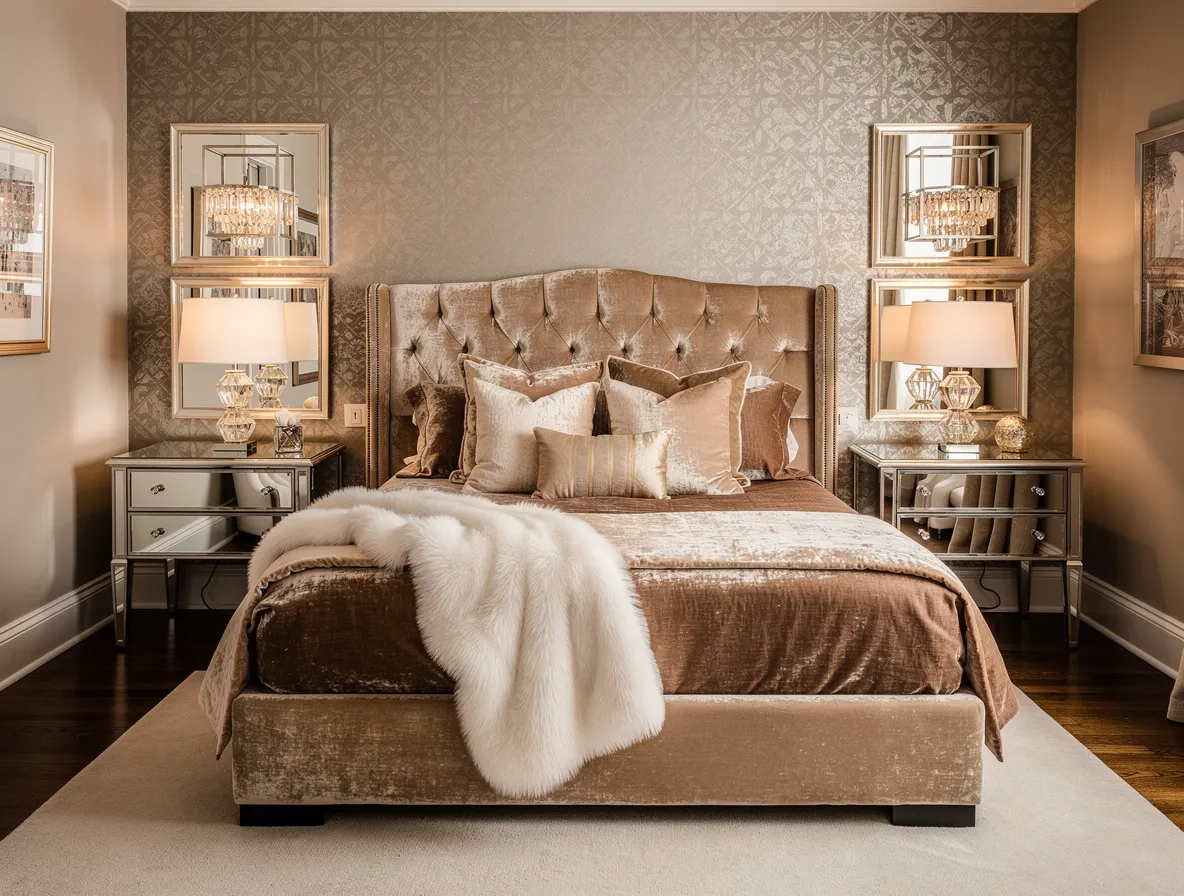
Glamorous
Mirrored furniture, faux fur throws, crystal lamps, and metallic wallpaper for a dazzling Hollywood-inspired bedroom.
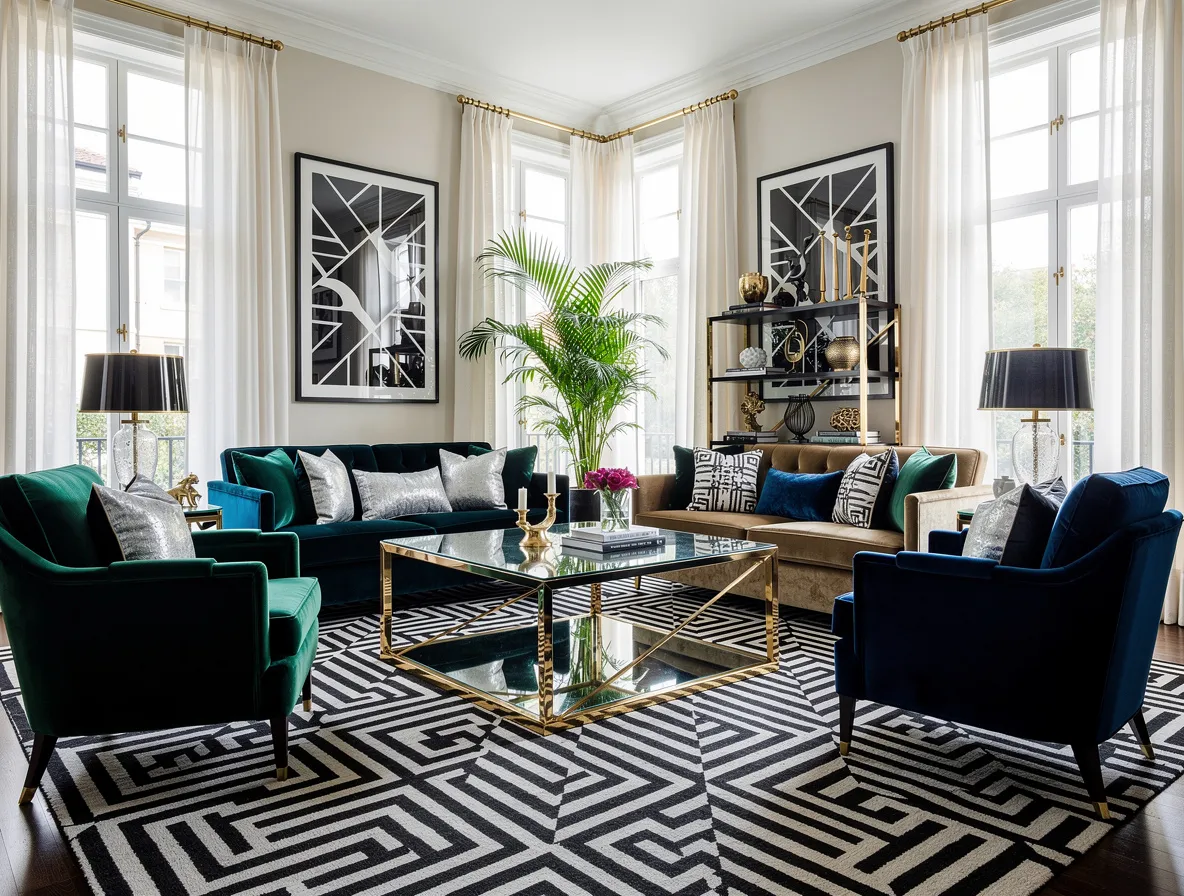
Hollywood
Bold patterns, lacquered surfaces, and brass accents bring the glamour of Hollywood Regency to any room.
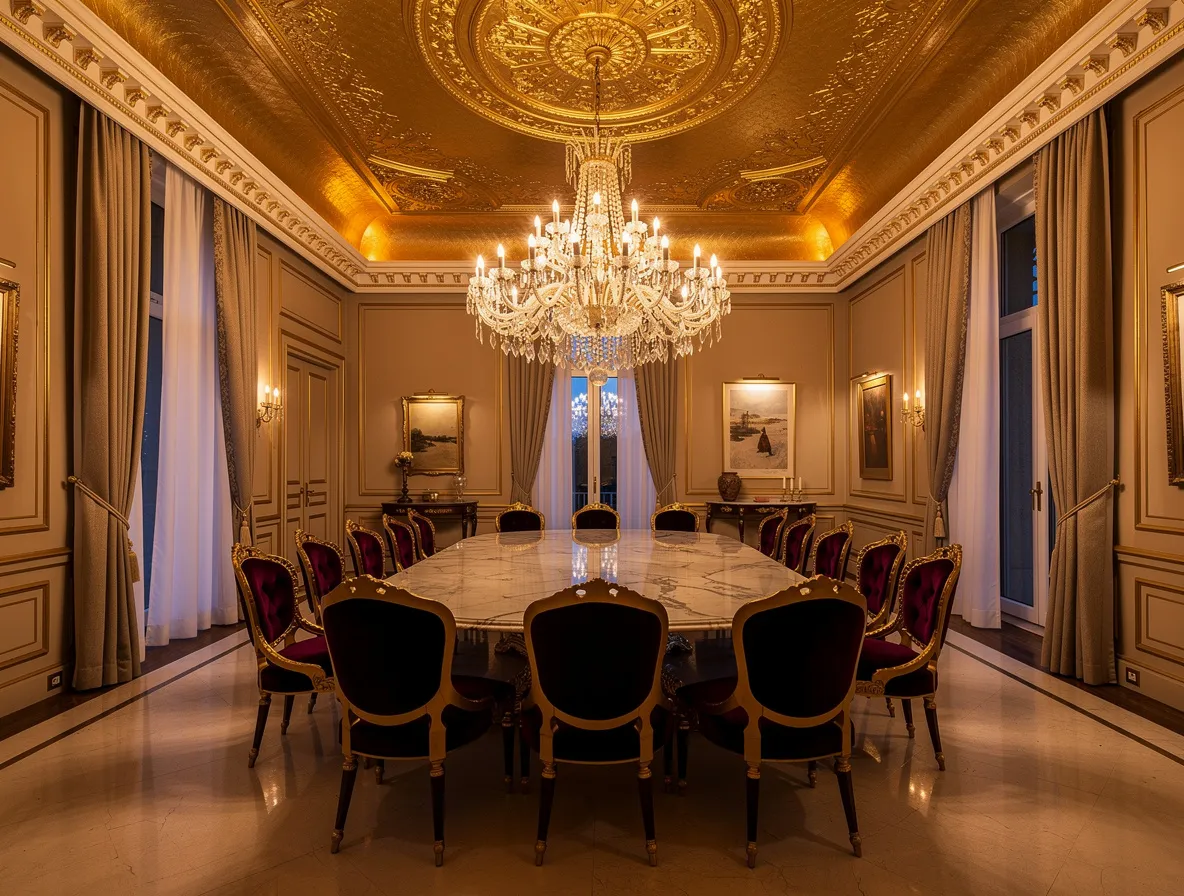
Opulent
Gold leaf ceilings, crystal chandeliers, marble tables, and velvet chairs for the most extraordinary dining experiences.
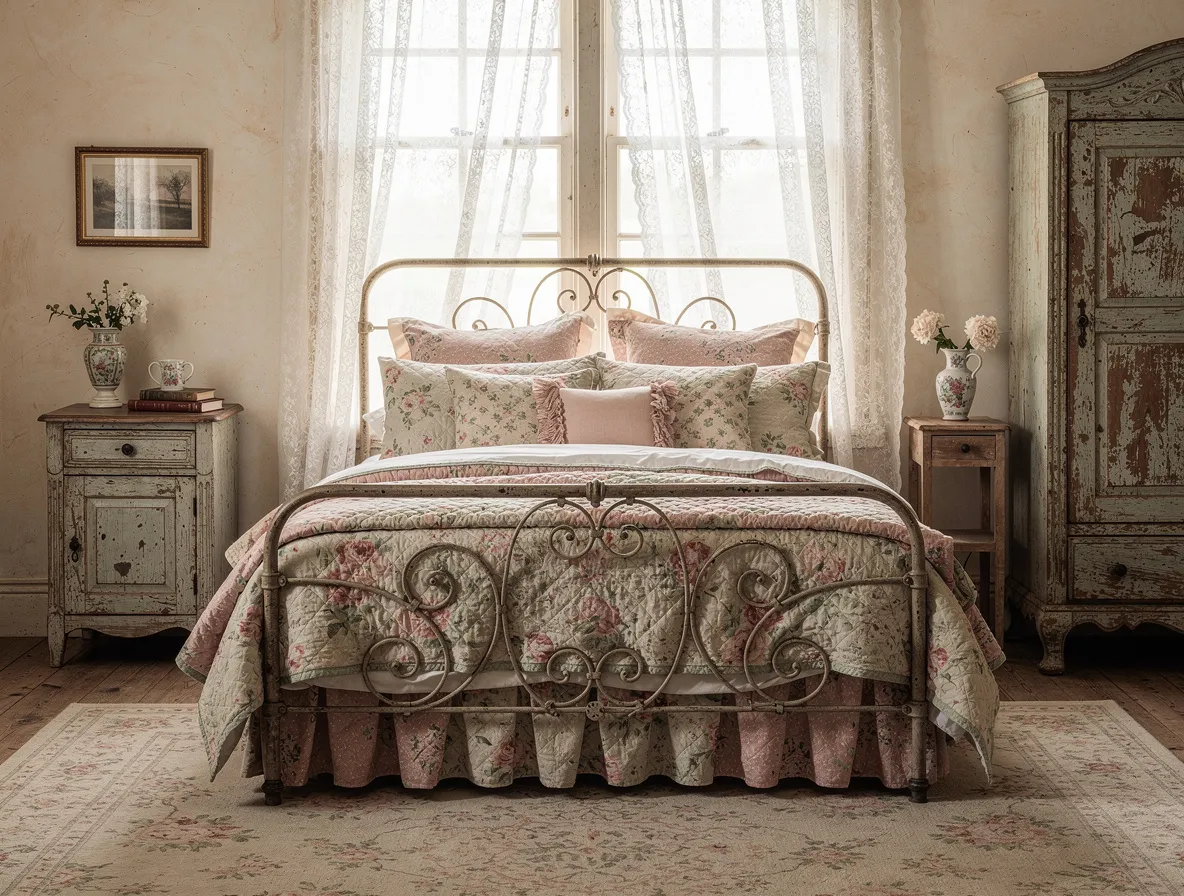
Vintage
Antique iron bed frames, lace curtains, and distressed wood bring romantic, old-world charm to modern living.
Common Questions
Art Deco Design: FAQ
What are the key characteristics of Art Deco design?
Geometric forms, symmetry, bold color contrasts, rich materials (marble, exotic wood veneers, chrome, lacquer), and ornamental motifs drawn from ancient Egypt, Aztec culture, and machine-age abstraction.
What colors are typical in Art Deco interiors?
Strong, high-contrast combinations: black and gold, ivory and chrome, deep teal and bronze, cream and ebony. Art Deco avoided pastels in favor of bold, saturated, architecturally decisive color choices.
What furniture defines Art Deco design?
Clean geometric forms with rich surface treatment - lacquered cabinets with geometric inlay, chrome-framed chairs with leather or velvet upholstery, and mirrored surfaces on cocktail tables and credenzas.
How do I add Art Deco to a contemporary home?
A sunburst mirror, geometric tile pattern in a bathroom or kitchen, a lacquered side table, or a velvet sofa in a deep jewel tone will all introduce Art Deco character. Focus on the geometric motifs and rich contrasts rather than full period accuracy.
What is the difference between Art Deco and Art Nouveau?
Art Nouveau (1890-1910) used organic, flowing natural forms - flowers, vines, female figures. Art Deco (1920-1940) was geometric, machine-age, and sharply angular. They are sequential movements with opposite visual philosophies.
Ready to Transform Your Space?
Upload a photo and see it in art deco style - or any of our 80+ other styles - in seconds.