Minimalist Design
Radical simplicity and purposeful restraint create spaces where every object earns its place and calm triumphs over clutter.
About the Style
What Is Minimalist Design?
Minimalist design holds that the absence of excess is itself a form of beauty. Spaces are stripped to their functional core, with concealed storage, monochromatic palettes, and furniture chosen for both form and function. Rooted in 1960s art philosophy and refined by Japanese influence, minimalism delivers an almost meditative quality - rooms breathe, and the mind follows.
Why People Love It
-
Proven to reduce anxiety - clutter-free spaces calm the nervous system
-
Every object becomes a considered, cherished choice
-
Dramatically easier to clean and maintain long-term
-
Makes modest square footage feel architectural and expensive
Key Characteristics
-
All storage fully concealed behind flush doors
-
Monochromatic or near-monochromatic palette
-
Single dominant material used throughout
-
Furniture with thin, precise profiles
-
Deliberate negative space as a design element
-
No decorative objects without functional purpose
Color Palette
Materials
Ideal For
Room-by-Room
Minimalist Design in Every Room
How minimalist design translates across every space in your home
Living Room
A single low sofa in warm stone fabric, one large abstract artwork, and concealed media storage let the generous floor plane become the hero of the room.
Kitchen
Full-height handle-free cabinetry, appliances integrated behind matching panels, and a single unbroken stone slab across the island create a seamless visual field.
Bedroom
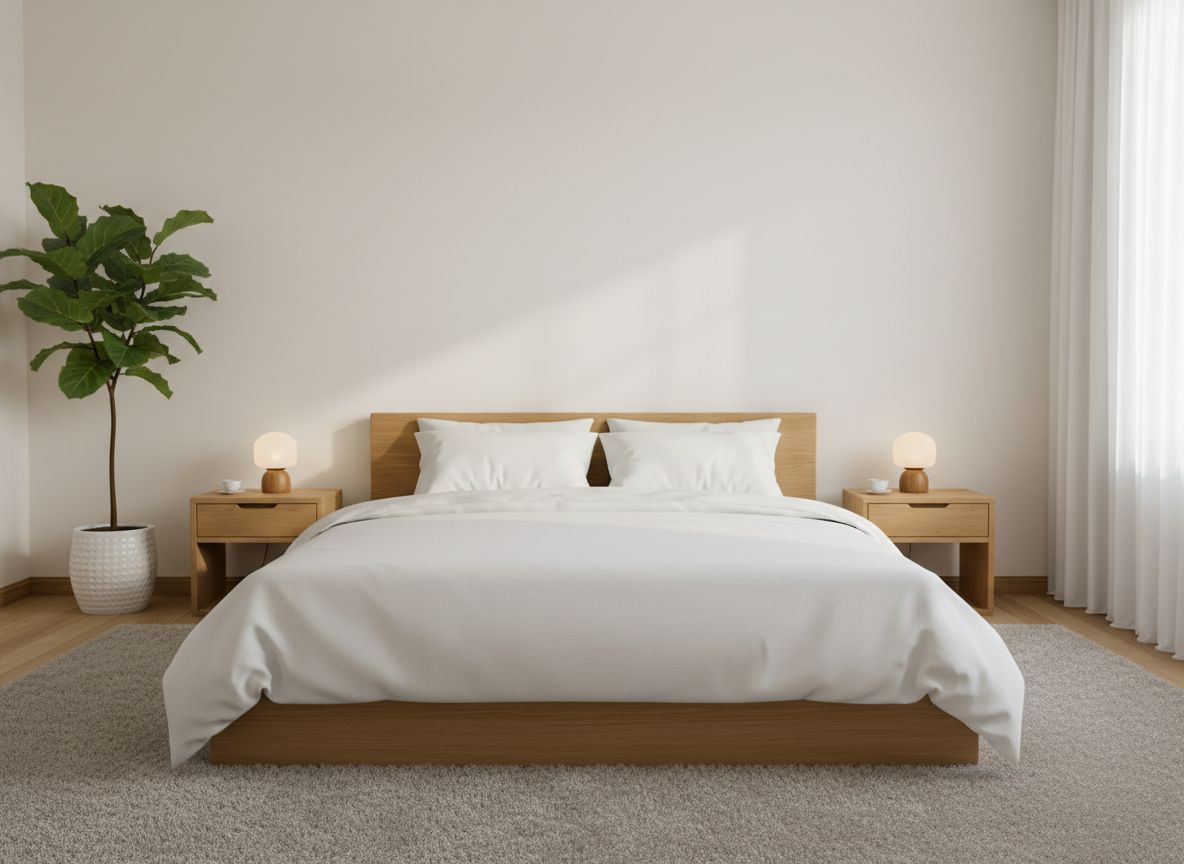
Platform bed without headboard, concealed wardrobes flush with the wall, and one bedside surface on each side keep the bedroom hotel-quiet and serene.
Bathroom
Floating stone vanity, wall-recessed shelf for essentials, frameless wet room shower, and a single mirror without frame deliver pure spa-grade calm.
Exterior
White render or board-form concrete, gravel and single specimen trees, and hidden drainage channels deliver understated architectural confidence.
Visualize It First
See Minimalist Design in Your Space
Upload any photo and our AI transforms it into minimalist style in seconds
Upload a photo
Any room, any angle. Interior or exterior - phone photo is fine.
Select "Minimalist"
Choose this style from our library or describe it to the AI in plain language.
Get your design
Photorealistic result in seconds. Download in HD or 4K resolution.
Expert Advice
How to Achieve Minimalist Design
Practical tips from designers who work with minimalist style every day.
Begin with a ruthless edit - remove everything and return only items that serve a clear purpose or bring genuine satisfaction.
Choose one dominant material and use it across multiple surfaces for cohesion without pattern or decorative color.
Design storage first, not last - floor-to-ceiling built-ins with push-to-open hardware keep surfaces permanently clear.
Use lighting as your primary decorative tool - recessed strips, indirect coves, and one sculptural pendant add depth without visual noise.
Allow imperfect minimalism - a single plant, a well-chosen book, or one ceramic vessel adds humanity without breaking the philosophy.
The Psychology
Why Less Space Means Less Stress - The Science
Minimalism is not an aesthetic preference - neuroscience research consistently shows that decluttered spaces measurably change how the brain works.
Visual Clutter Raises Cortisol
A 2011 Princeton Neuroscience Institute study found that physical clutter competes for the brain's attention, reducing the ability to focus and increasing stress hormone levels. Every unnecessary object in a room demands a small amount of mental processing power, constantly.
The Cognitive Load Effect
Psychologists call it cognitive load - the amount of mental energy needed to process an environment. Minimalist spaces reduce this load, which is why people in clean, simple rooms perform better on concentration tasks and report feeling calmer.
Marie Kondo's Joy Filter Has a Science Basis
When Kondo asks whether an object sparks joy, the brain scans it for positive or negative emotional associations - a process that takes real cognitive energy. Keeping only objects with positive associations removes a constant background source of mild negative stimulation.
White Space is Not Empty Space
In art and design, negative space actively shapes the perception of positive elements. In a room, visual breathing room makes objects seem more intentional and more valuable - which is why luxury brands always use minimal staging in advertising.
Style Pairings
Styles That Complement Minimalist
Mix minimalist with these styles for a layered, personal look.
Modern
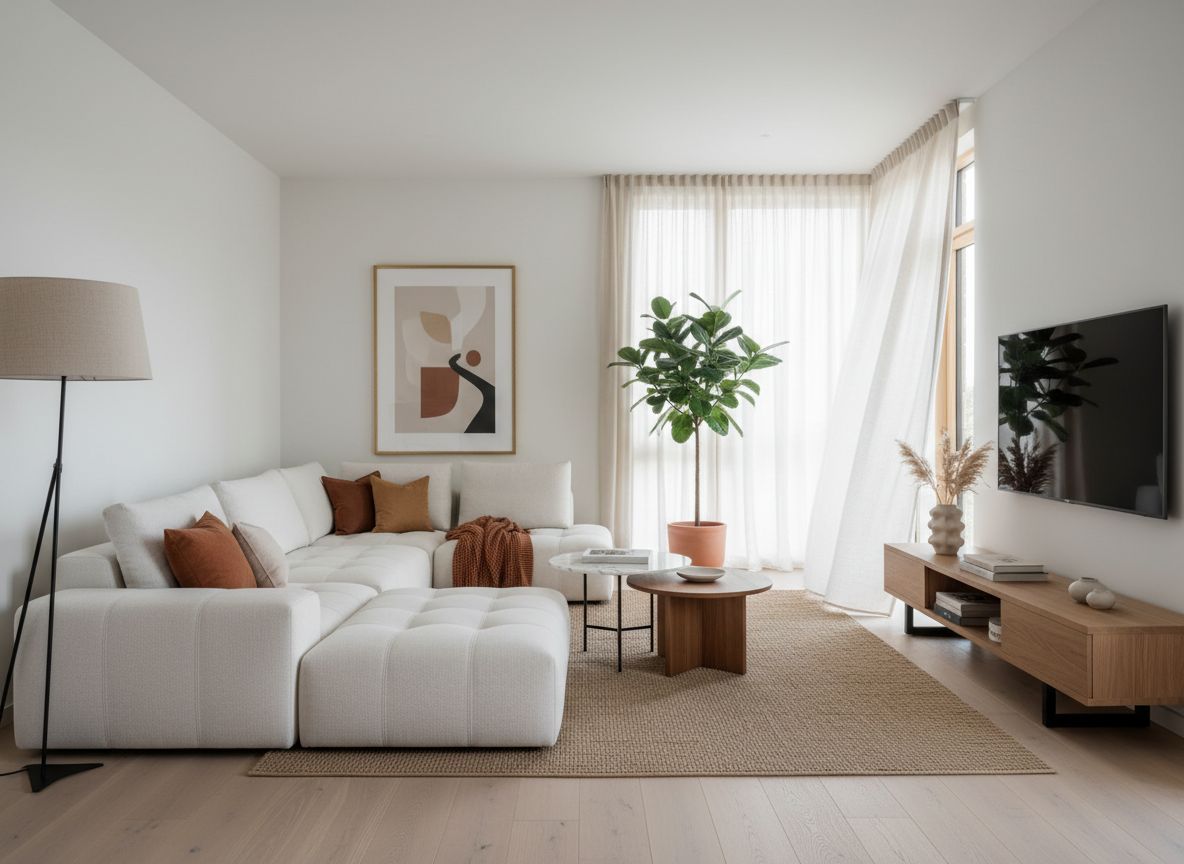
Clean lines, minimalist aesthetics, and cutting-edge functionality. Flat-panel surfaces, integrated elements, and a neutral palette with bold accents.
Scandinavian
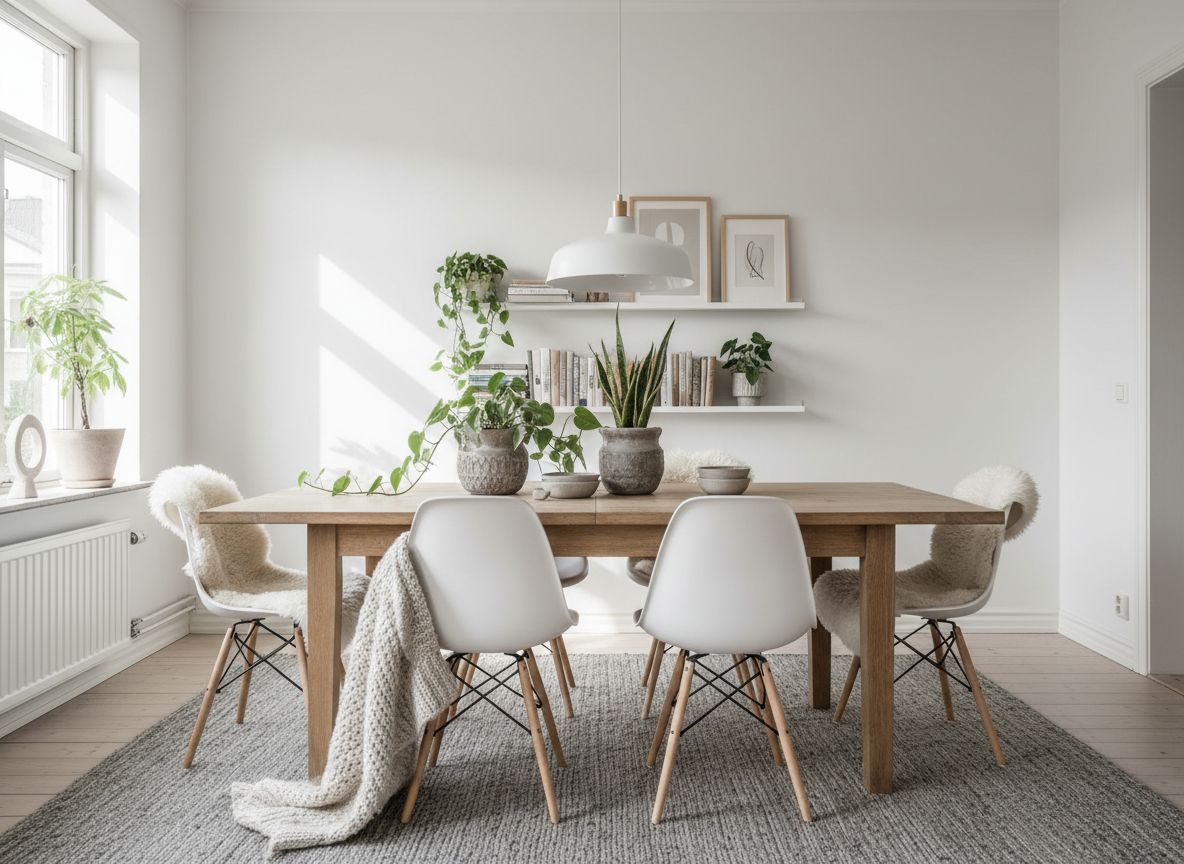
Light, airy, and hygge-inspired. White walls, light wood, and functional design that brings warmth to every room.
Japanese
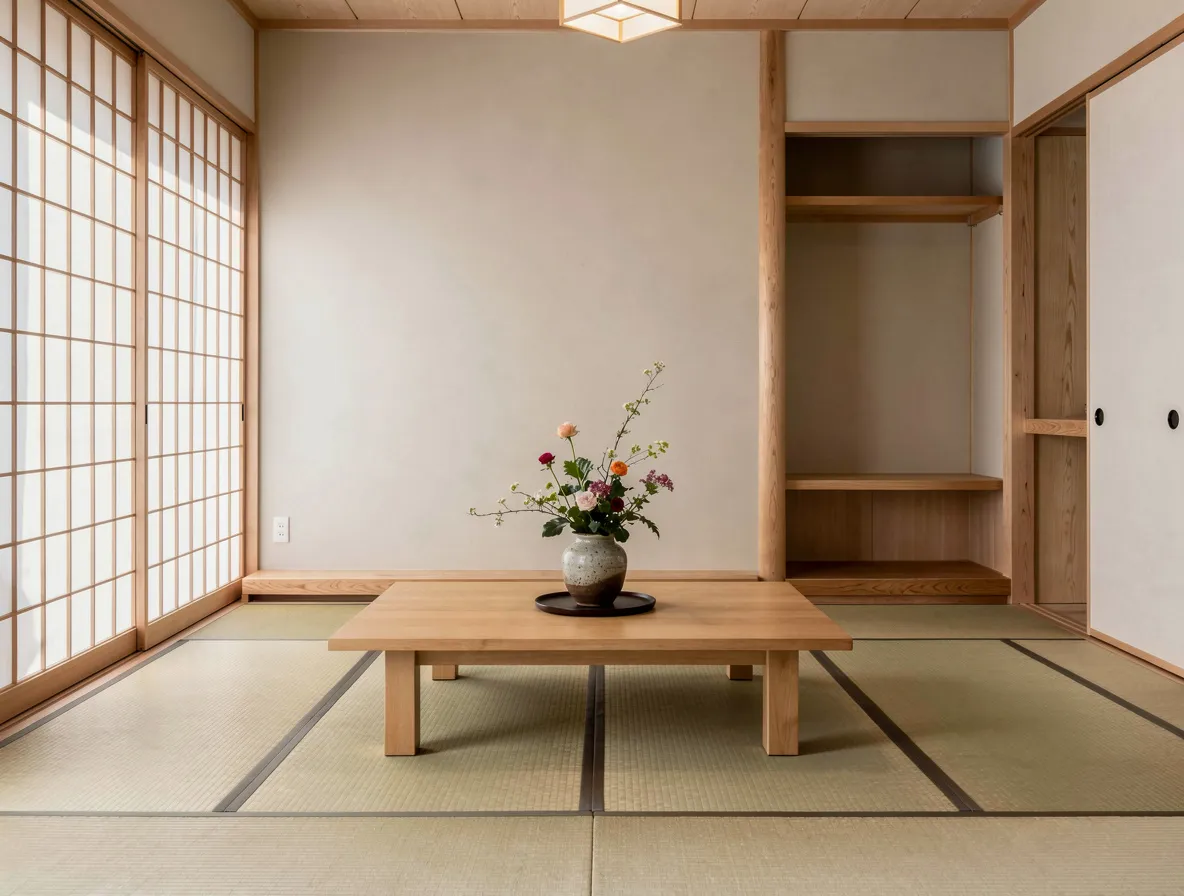
Tatami mats, shoji screens, and low furniture bring the serene simplicity and harmony of Japanese minimalism.
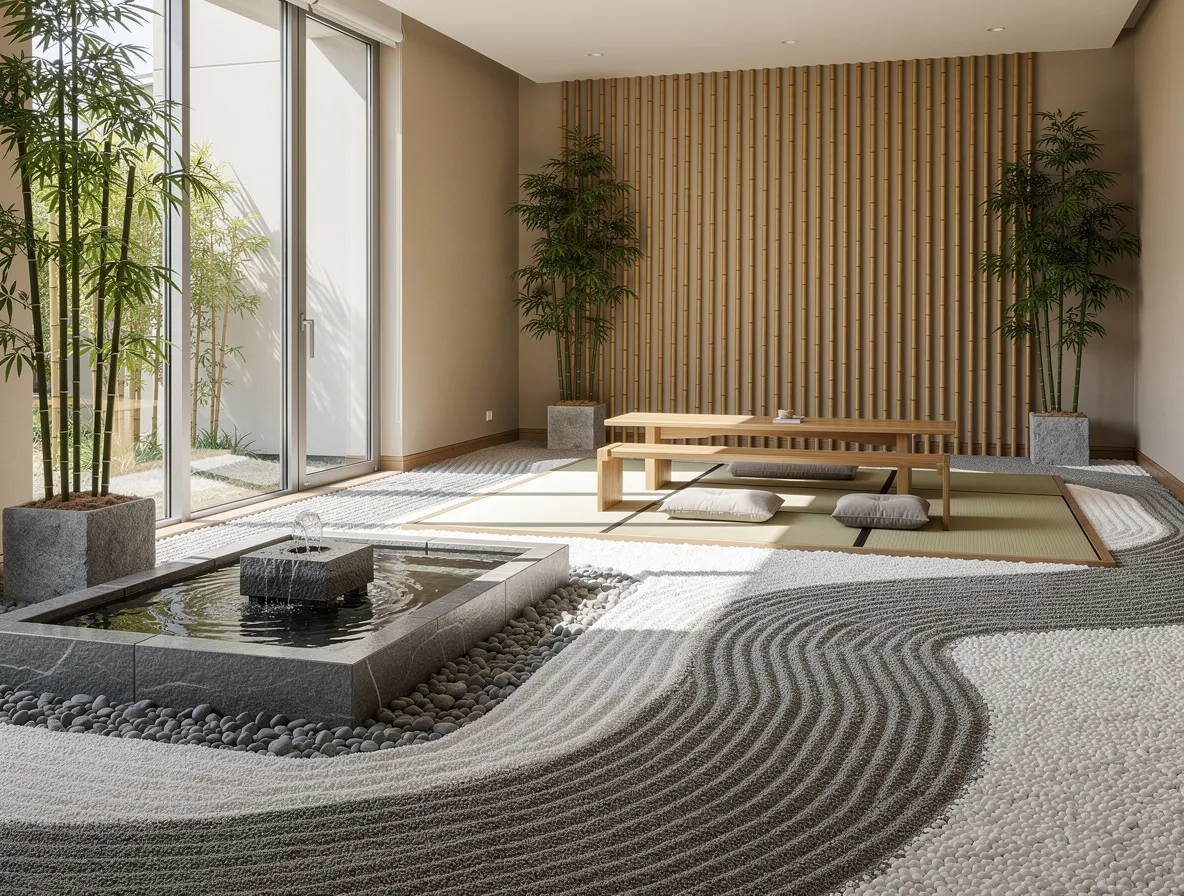
Zen
Smooth pebble gardens, water features, and natural light create a meditative sanctuary of peace and mindfulness.
Common Questions
Minimalist Design: FAQ
How do I start a minimalist living room?
Remove everything, then only bring back what you actually use or genuinely love. Aim for one sofa, one coffee table, one rug, one light source. Every additional item must earn its place.
Can minimalist design feel warm and not cold?
Yes. Warm minimalism uses natural wood, linen, and soft lighting. The key is warm neutrals - cream, sand, warm white - rather than stark cool tones.
How many things should a minimalist room have?
There is no rule, but a useful filter is: does every visible object serve a purpose or bring genuine joy? If you cannot answer yes, it should not be visible. Storage hides the functional-but-ugly.
Does minimalist design work with kids and pets?
Yes, though it requires discipline and good storage. Built-in cabinetry and toy rotation systems keep the visual field clean even with active households.
What is the difference between minimalist and Japandi?
Japandi blends Scandinavian and Japanese minimalism with an emphasis on natural materials and craftsmanship. Pure minimalism is broader - it can be cold and modern or warm and organic.
Ready to Transform Your Space?
Upload a photo and see it in minimalist style - or any of our 80+ other styles - in seconds.