Zen Design
Profound stillness, absolute simplicity, and spaces designed for the mind to settle and the breath to slow define Zen-inspired interiors of meditative beauty.
About the Style
What Is Zen Design?
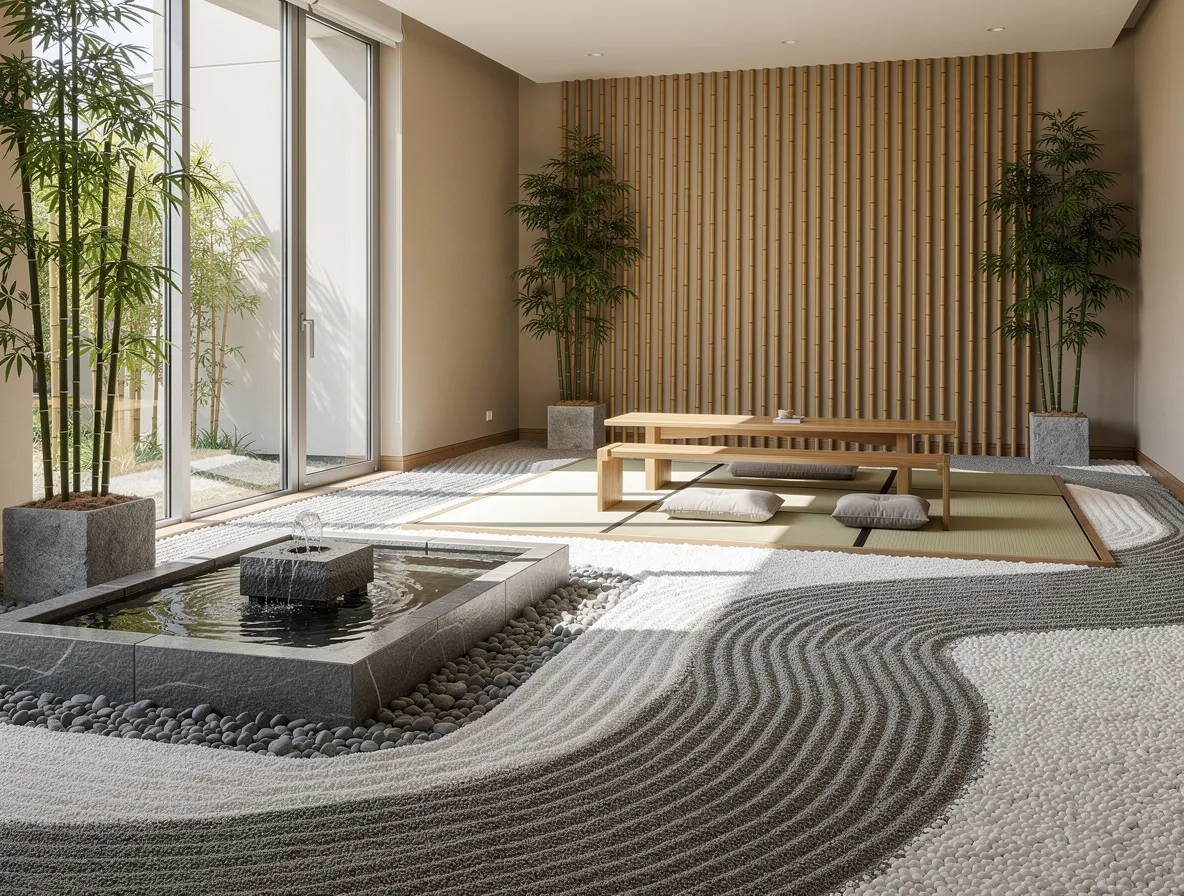
Zen interior design translates the principles of Zen Buddhism into living space - creating environments that support mindfulness, stillness, and direct perception. The aesthetic is more spare than Japanese design generally, closer to the monk's cell or tea house than the palace: rough-cast plaster walls, a single shaft of light, a natural stone floor, one carefully placed object, and silence as a design material. Zen spaces do not demand attention - they release it.
Why People Love It
-
The most profoundly calming of all design traditions - proven to quiet the nervous system
-
A Zen room at home becomes a daily retreat requiring no travel
-
The simplicity rewards attention - the more you look, the more beauty you discover
-
Nothing to maintain, replace, or update - Zen design is the most sustainable possible
Key Characteristics
-
Absolute simplicity - no superfluous elements
-
A single shaft or wash of natural light as primary feature
-
Rough-cast or natural plaster walls
-
One carefully chosen object as the focal point
-
Natural materials at their most unprocessed
-
Sound and silence considered as design elements
Color Palette
Materials
Ideal For
Room-by-Room
Zen Design in Every Room
How zen design translates across every space in your home
Living Room
Rough plaster walls in natural white, a single tatami or natural stone floor, one low timber table, a stone water basin, and absolute silence.
Kitchen
Bare timber or stone surfaces, a single window with natural light, no visible appliances, and only the tools needed for simple meal preparation.
Bedroom
A futon or low bed, natural plaster walls, a single lamp or candle, one scroll or seasonal object, complete darkness from blackout washi panels.
Bathroom
A stone soaking basin, a single window at ceiling level, bare plaster walls, a wooden stool, and the sound of water as the only sound.
Exterior
A Karesansui (dry rock garden) with raked gravel and three or five carefully placed stones, enclosed by a bamboo fence or wall.
Visualize It First
See Zen Design in Your Space
Upload any photo and our AI transforms it into zen style in seconds
Upload a photo
Any room, any angle. Interior or exterior - phone photo is fine.
Select "Zen"
Choose this style from our library or describe it to the AI in plain language.
Get your design
Photorealistic result in seconds. Download in HD or 4K resolution.
Expert Advice
How to Achieve Zen Design
Practical tips from designers who work with zen style every day.
Design the light source before anything else - a single skylight, a narrow floor-to-ceiling window, or a shaft of controlled natural light is the primary Zen design element.
Leave one wall completely bare and allow it to be the primary surface - in Zen design, an empty wall is a complete statement.
Choose one object for the room - a single ceramic bowl, a water basin, or a carefully placed stone - and place it with absolute intention.
Install a floor of natural stone or raked sand where appropriate - the Zen garden concept of textured natural surface translates directly to interior floors.
Consider sound in the design: running water from a small fountain, wind through bamboo, or complete silence achieves Zen character that no visual element can.
The Science
How Zen Spaces Change the Brain - The Neuroscience
The calming effect of zen spaces is not cultural suggestion - neuroimaging and physiological studies show measurable changes in brain activity and stress markers in response to minimalist, natural environments.
Default Mode Network Deactivation
When people enter visually complex environments, the brain's default mode network (associated with rumination, self-referential thinking, and anxiety) remains highly active. In simple, ordered environments with natural light and minimal visual clutter, this network deactivates - which is measurably associated with reduced anxiety and increased present-moment awareness. This is what meditation practitioners call 'quieting the mind'.
Theta Brain Waves and Visual Rest
EEG studies measuring brain activity in different environments consistently find elevated theta wave activity (associated with deep relaxation, creativity, and meditative states) in participants viewing simple, natural scenes. Indoor environments designed to minimise visual complexity and introduce natural elements produce similar theta-enhancing effects.
The Sound of Silence
Research on acoustic environments consistently shows that uninterrupted silence - or very low-level natural sounds (water, wind in trees) - reduces cortisol levels more effectively than any music or white noise. Zen gardens and zen interior spaces share an acoustic design intention: to create genuine quiet. The sound profile of a space is as important as its visual profile.
Natural Materials and Parasympathetic Activation
Studies on physiological response to materials find that touching natural surfaces (wood, stone, wool) activates the parasympathetic nervous system - the rest-and-digest system - while synthetic materials (plastic, synthetic fabrics) do not produce this effect. A zen room filled with natural materials is therefore physiologically quieting through every sense, not just vision.
Style Pairings
Styles That Complement Zen
Mix zen with these styles for a layered, personal look.
Minimalist
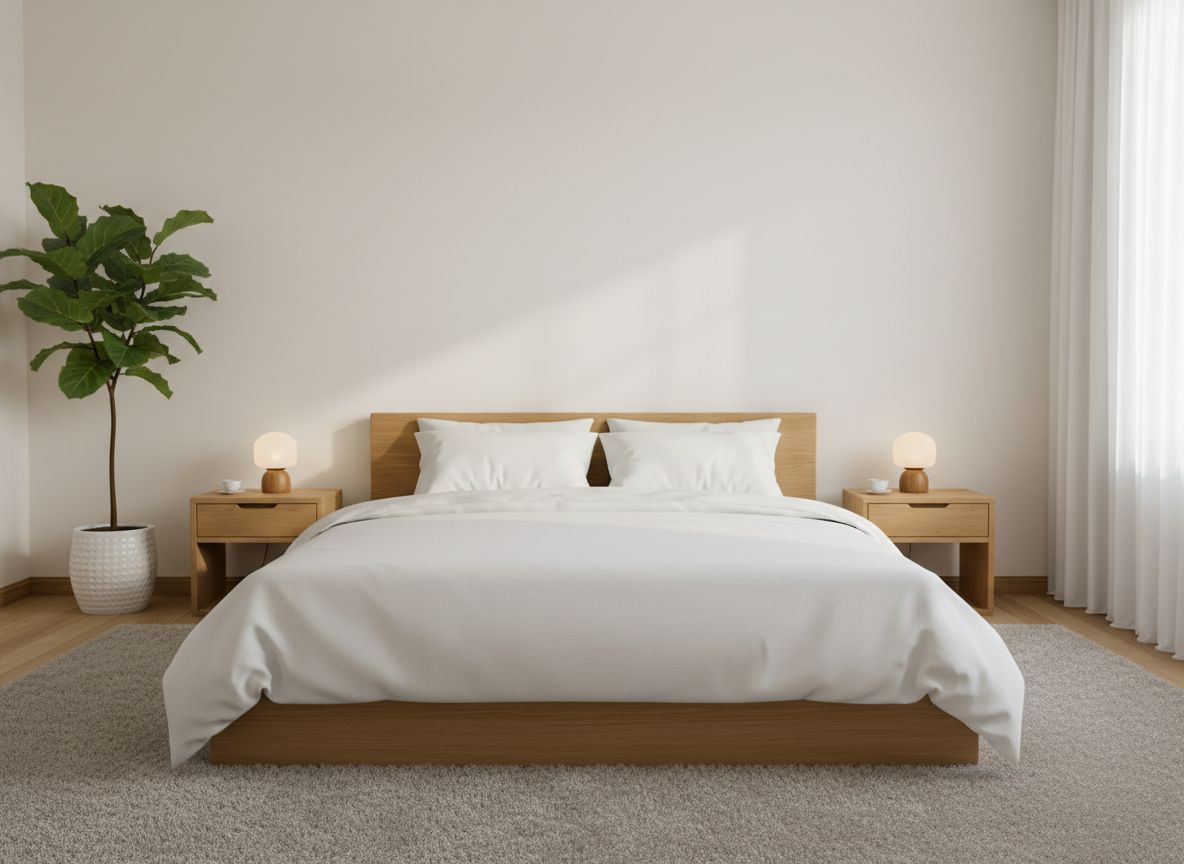
Less is more. Ultra-clean surfaces, hidden storage, and a focus on function. For those who love simplicity in every room.
Natural
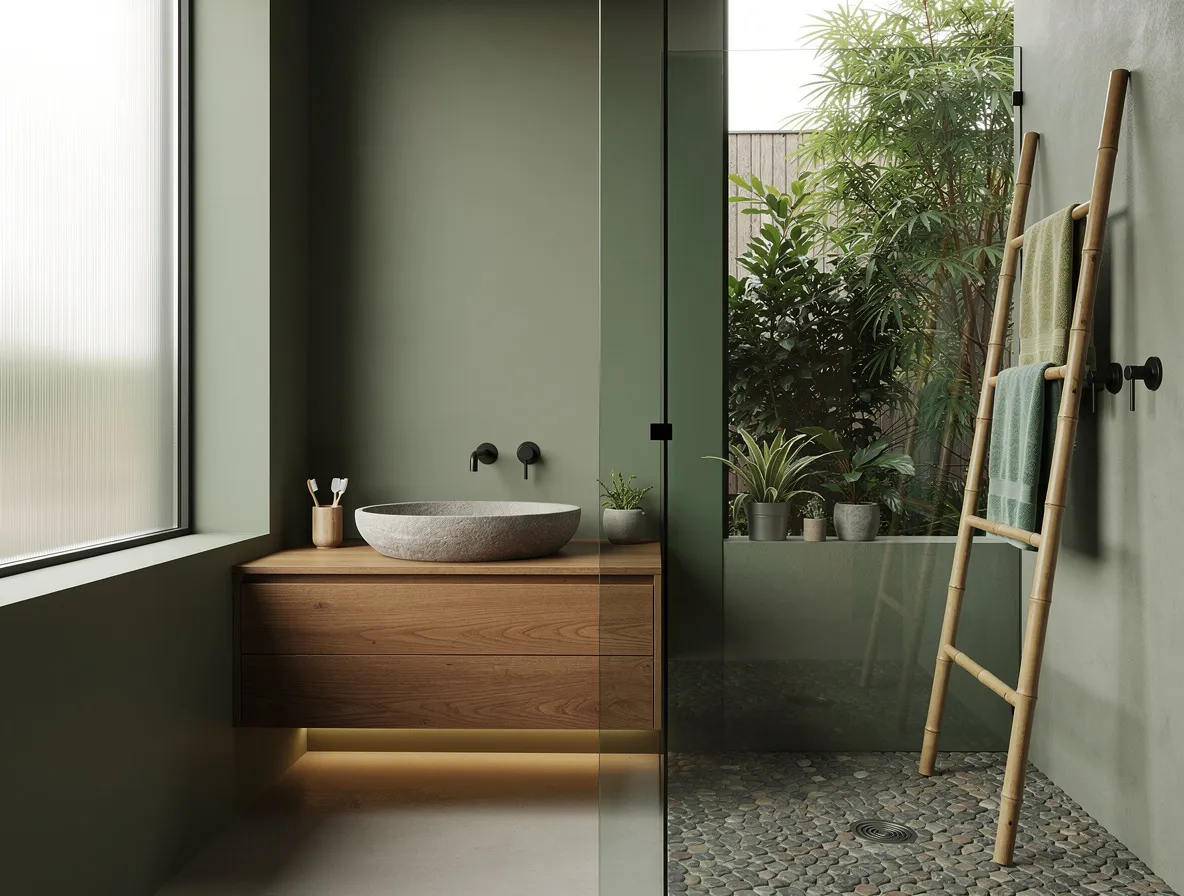
Stone basins, wooden vanities, and pebble accents bring the serenity of the outdoors into every room.
Japanese
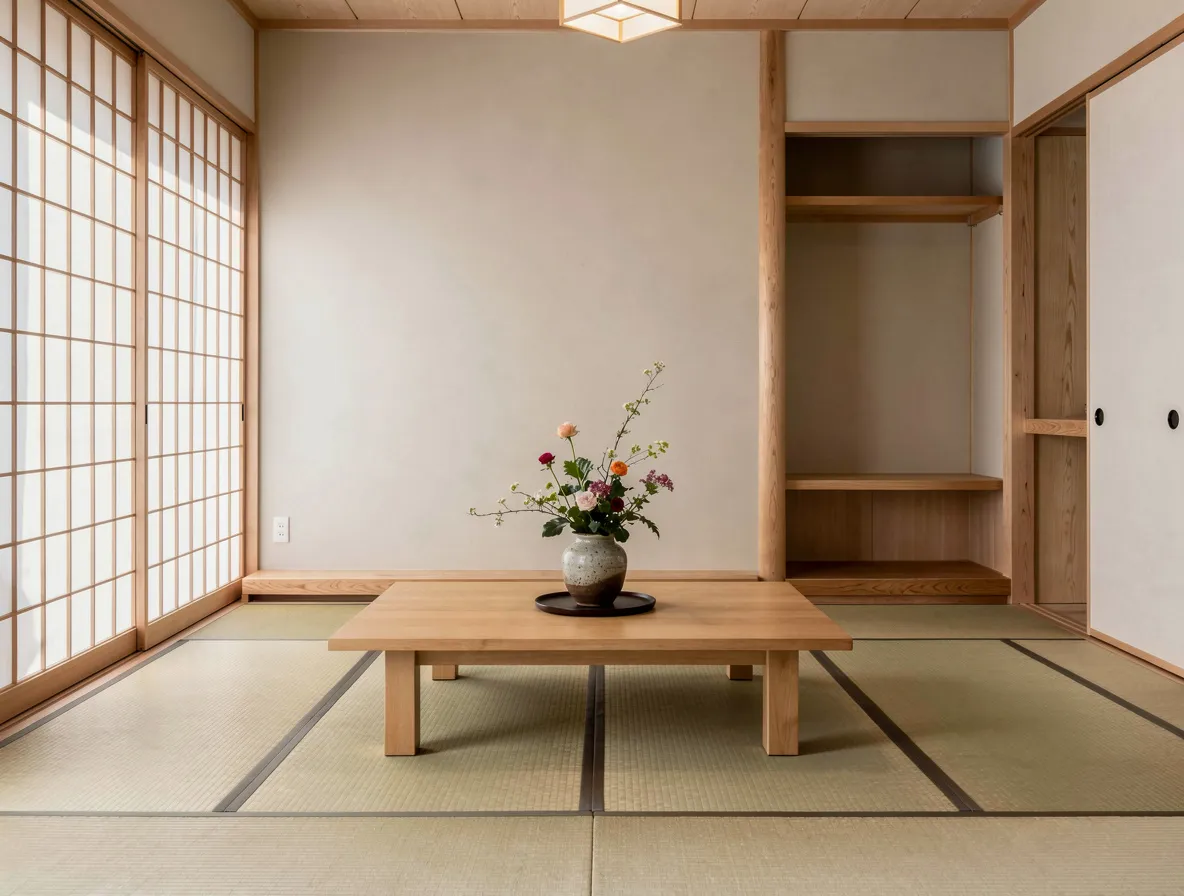
Tatami mats, shoji screens, and low furniture bring the serene simplicity and harmony of Japanese minimalism.
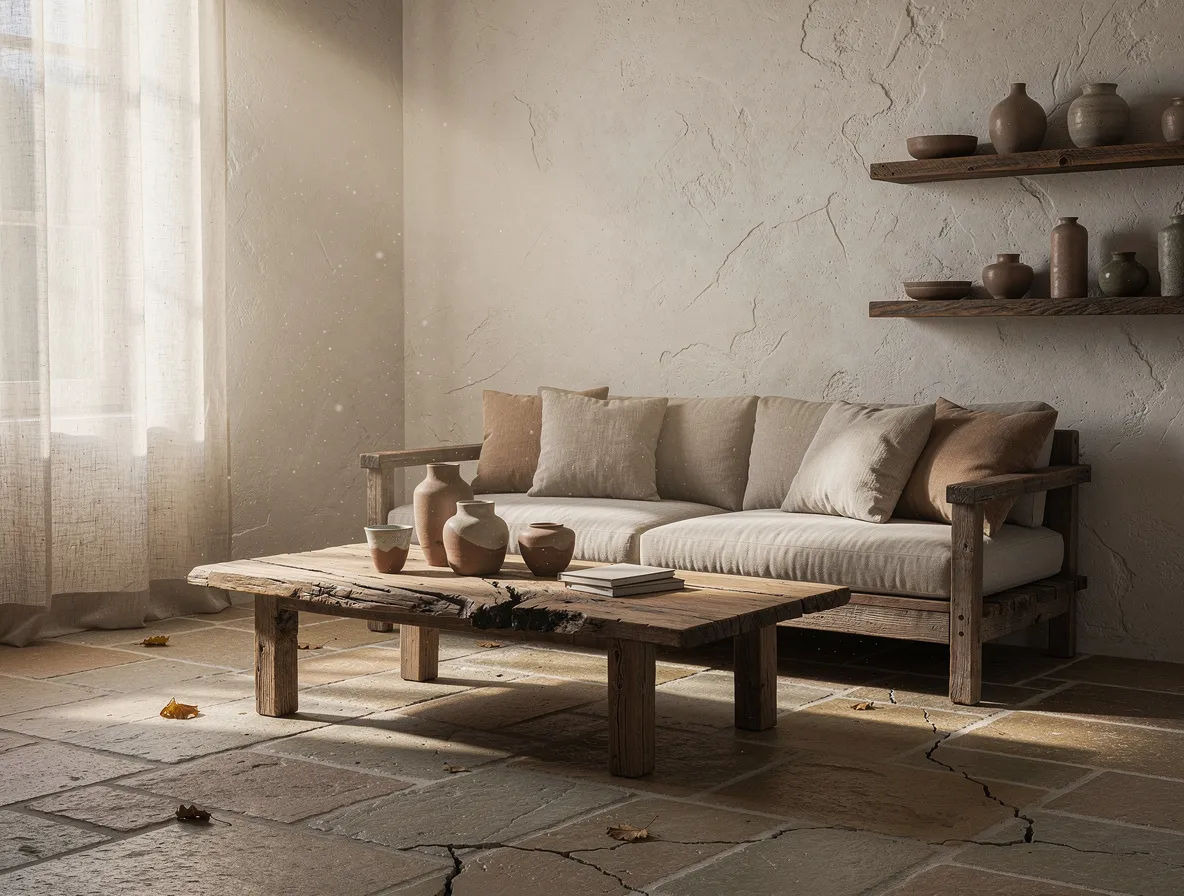
Wabi-Sabi
Celebrating imperfection with handcrafted ceramics, weathered wood, and natural linen for authentic, soulful spaces.
Common Questions
Zen Design: FAQ
What makes a room feel zen?
Minimal visual complexity, natural materials, quality of silence, natural light without glare, and a single focal point rather than competing elements. The room should give the eye a place to rest.
How is zen design different from minimalism?
Minimalism removes for aesthetic reasons. Zen removes for spiritual and psychological reasons - the space is meant to support contemplation. Zen spaces typically include more nature (plants, natural materials, a water feature) than pure minimalism.
What colors are used in zen interiors?
The colors of nature in its quieter aspects: pale stone, warm white, gray-green, soft brown wood, and muted slate. No high-saturation colors. The palette should be restful rather than stimulating.
What plants are appropriate for a zen interior?
Plants with clean, simple forms - bamboo, bonsai, moss in a shallow dish, or a single orchid. Zen plant arrangements (ikebana) use negative space deliberately - a single branch can carry more visual weight than a full flower arrangement.
Ready to Transform Your Space?
Upload a photo and see it in zen style - or any of our 80+ other styles - in seconds.