Wabi-Sabi Design
The Japanese philosophy of beauty in imperfection, incompleteness, and transience creates the most profoundly honest and deeply human interior aesthetic.
About the Style
What Is Wabi-Sabi Design?
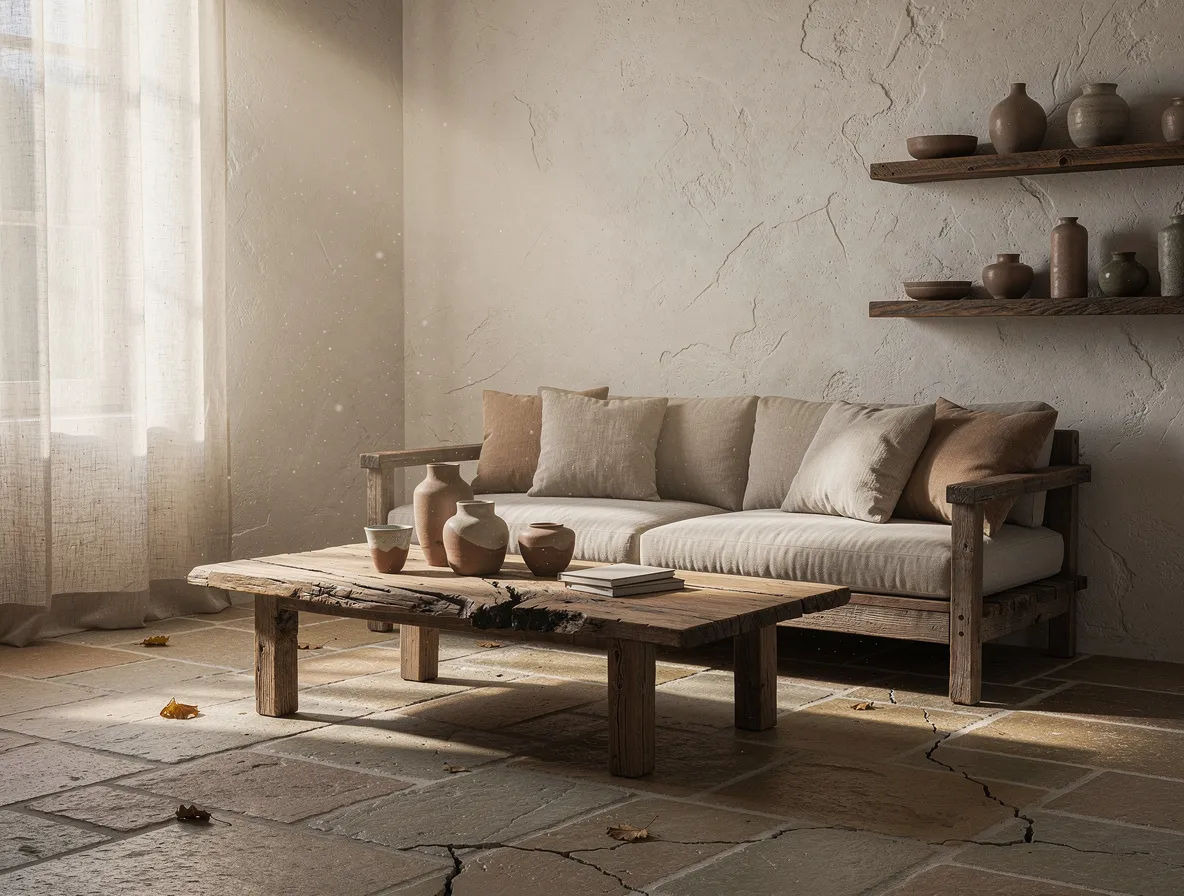
Wabi-sabi is the Japanese philosophical framework for finding beauty in impermanence, imperfection, and incompletion. In interior design, it manifests as an appreciation for surfaces that show the marks of time - cracked plaster, oxidized bronze, weathered timber, a glaze that ran in the kiln. The aesthetic resists perfection and newness, celebrating instead the authentic beauty of materials as they exist in their natural, aged, and imperfect state.
Why People Love It
-
The most honest design philosophy - it acknowledges that everything changes and ages
-
Genuinely irreplaceable objects: a specific weathered beam or cracked glaze cannot be reproduced
-
Removes the anxiety of perfection - everything imperfect is potentially beautiful
-
The philosophical depth rewards daily attention in ways glossy interiors cannot
Key Characteristics
-
Surfaces showing authentic marks of age and use
-
Imperfect, asymmetrical hand-thrown ceramics
-
Weathered, oxidized, and naturally aged metals
-
Cracked or deliberately uneven plaster walls
-
Natural materials in their most unprocessed state
-
Asymmetry and irregularity as positive values
Color Palette
Materials
Ideal For
Room-by-Room
Wabi-Sabi Design in Every Room
How wabi-sabi design translates across every space in your home
Living Room
A weathered timber table with a crack running its length, an asymmetric hand-thrown ceramic as the sole decoration, aged linen sofa, cracked plaster wall.
Kitchen
Open shelving with irregular hand-thrown ceramics in various stages of use and age, timber surfaces worn by years of preparation.
Bedroom
Natural linen bedding in a color that has faded slightly from washing, a single irregular ceramic lamp, bare timber floor.
Bathroom
Cracked and repaired ceramic basin (kintsugi joints visible), weathered timber bathboard, an oxidized bronze tap.
Exterior
A garden deliberately allowed to self-seed and age naturally, stone path with moss in the joints, weathered timber gate.
Visualize It First
See Wabi-Sabi Design in Your Space
Upload any photo and our AI transforms it into wabi-sabi style in seconds
Upload a photo
Any room, any angle. Interior or exterior - phone photo is fine.
Select "Wabi-Sabi"
Choose this style from our library or describe it to the AI in plain language.
Get your design
Photorealistic result in seconds. Download in HD or 4K resolution.
Expert Advice
How to Achieve Wabi-Sabi Design
Practical tips from designers who work with wabi-sabi style every day.
Find beauty in the unrepaired - a crack in a wall, a dent in a table, a chip in a ceramic cup can be left as a mark of history rather than a flaw to correct.
Source ceramics from makers who prize irregularity - Bizen, Shigaraki, and Hagi ware are Japanese traditions that make imperfection a fine art form.
Allow metal to oxidize naturally - bronze hardware, iron fittings, and copper pipework develop patinas of extraordinary beauty if cleaned but not polished.
Age new timber deliberately: expose oak to sunlight and weathering, brush with wire wool to open the grain, or apply liming wax for a gray-silver patina.
Practice kintsugi (filling cracks with gold) on broken ceramics rather than throwing them away - it makes the repair the most beautiful part of the object.
Philosophy
The Japanese Philosophy of Imperfection That Changed Design
Wabi-sabi is not an interior design style - it is a Japanese philosophical and aesthetic framework that has been adopted by designers worldwide as an antidote to the pursuit of perfection.
The Origin of the Words
'Wabi' originally meant the misery of living alone in nature, away from society - but came to mean the simple, irregular, and rough beauty found in that solitude. 'Sabi' meant loneliness and desolation, but evolved to mean the beauty of aged, weathered, and patinated objects. Together, they describe an aesthetic that finds beauty in transience, imperfection, and incompleteness - the opposite of Western design ideals of perfection and permanence.
The Tea Ceremony as Wabi-Sabi Practice
Sen no Rikyu (1522-1591) developed the tea ceremony as a physical practice of wabi-sabi. The tea bowls he selected were deliberately irregular, often slightly misshapen, and sometimes repaired with gold lacquer (kintsugi). He built tea rooms that were asymmetrical, with rough plaster walls and a ceiling that changed material mid-span. The point was that beauty exists in the irregular, the imperfect, and the incomplete.
Kintsugi - Broken and More Beautiful
Kintsugi (golden repair) is the Japanese practice of repairing broken ceramics with gold lacquer, making the cracks visible rather than hiding them. The repaired object is considered more beautiful than the original - its history of being broken and healed is part of its value. This is wabi-sabi made physical: the damage is the decoration. Kintsugi has become a global symbol of the wabi-sabi philosophy.
Western Wabi-Sabi - The Translation Problem
Western versions of wabi-sabi often miss the philosophical depth and replicate only the surface aesthetics - rough linen, worn wood, and imperfect ceramics styled carefully for a magazine. But wabi-sabi cannot be styled: a carefully arranged rough linen throw is not wabi-sabi. The genuine article requires objects that are actually aged, textures that are genuinely worn, and an acceptance that the room will never be finished or perfect.
Style Pairings
Styles That Complement Wabi-Sabi
Mix wabi-sabi with these styles for a layered, personal look.
Organic
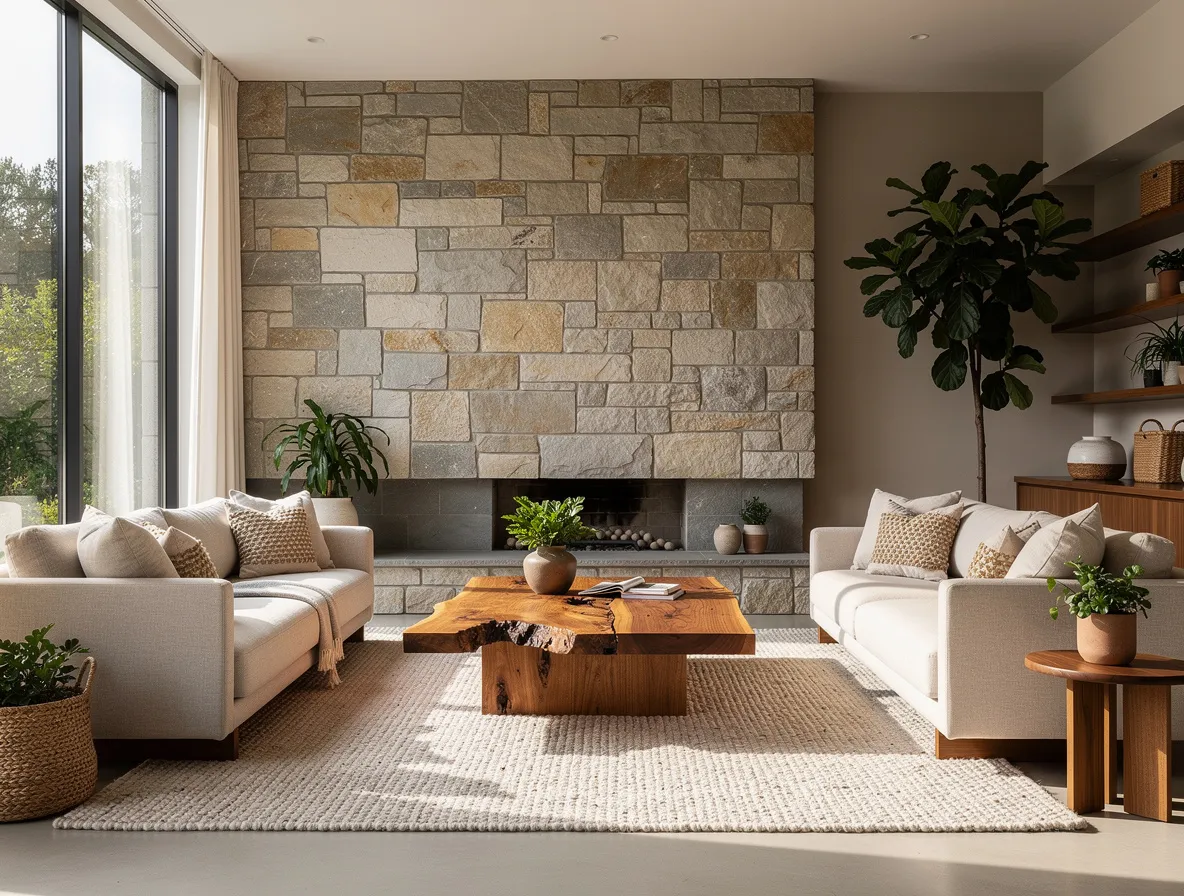
Natural materials, live-edge wood, stone accents, and woven textiles ground your space in organic beauty.
Natural
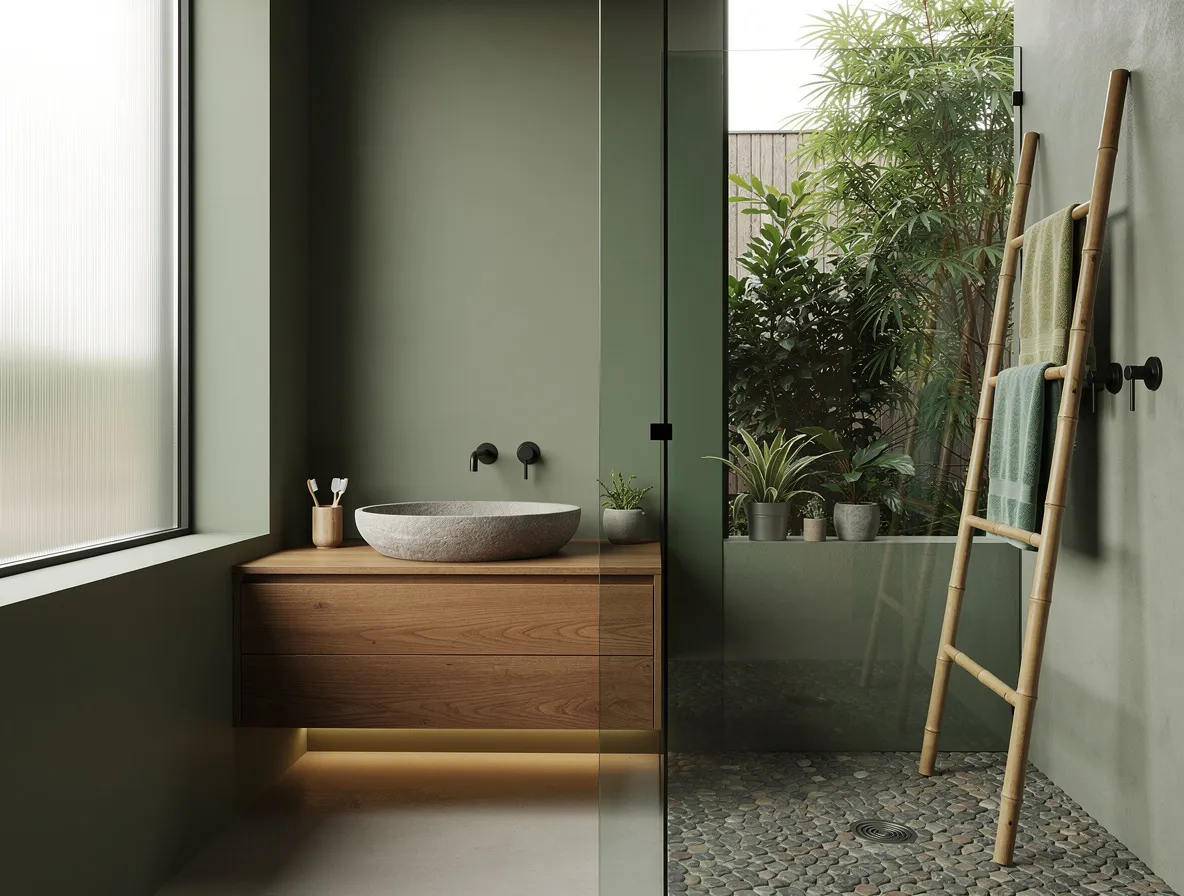
Stone basins, wooden vanities, and pebble accents bring the serenity of the outdoors into every room.
Japanese
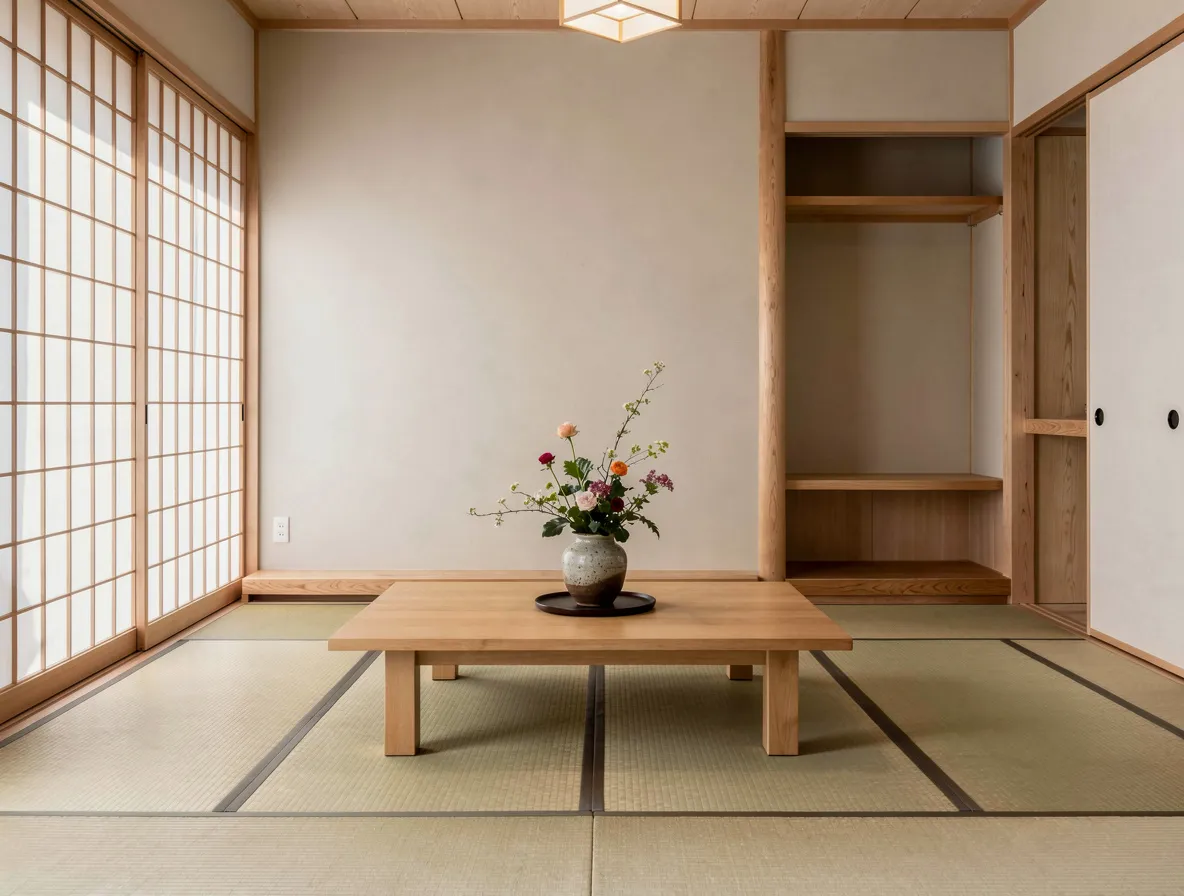
Tatami mats, shoji screens, and low furniture bring the serene simplicity and harmony of Japanese minimalism.
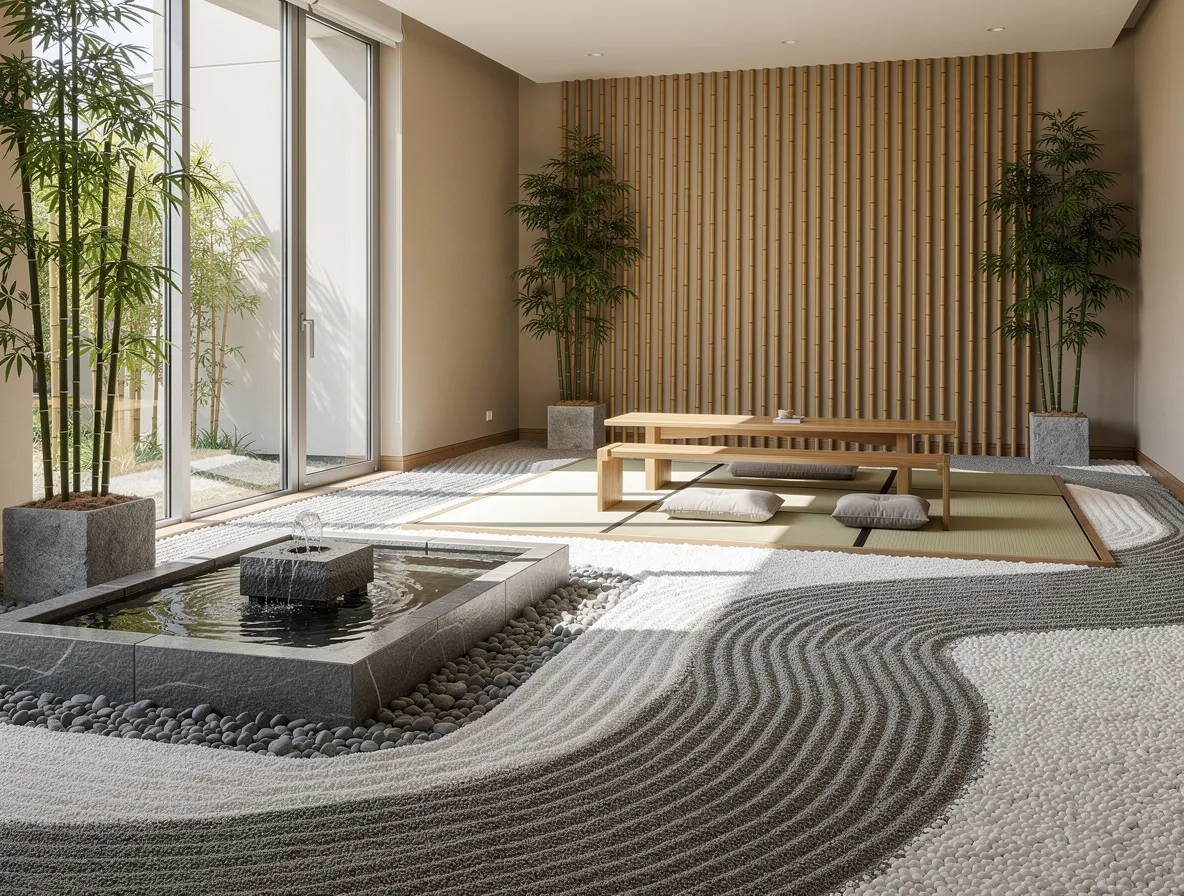
Zen
Smooth pebble gardens, water features, and natural light create a meditative sanctuary of peace and mindfulness.
Common Questions
Wabi-Sabi Design: FAQ
What does wabi-sabi mean in interior design?
Embracing the beauty of imperfection, transience, and incompleteness. Objects that are worn, aged, or irregular are more beautiful than perfect new ones. Empty space is a positive quality. Nothing needs to be finished.
How do I create a wabi-sabi interior?
Use genuinely aged objects rather than new items that simulate age. Leave some walls rough rather than perfecting them. Choose ceramics with irregular glazes. Let plants grow naturally rather than clipping them. Accept that the room is never finished.
What colors are associated with wabi-sabi design?
The colors of aged, weathered materials: rust, faded terracotta, bleached linen, warm gray, moss green, and the warm cream of aged paper. No bright or saturated colors.
Is wabi-sabi the same as minimalism?
Related but different. Minimalism removes systematically to create visual clarity. Wabi-sabi selects for meaning and age - a wabi-sabi room might have many objects, but all are old, imperfect, and carry their own history.
What is kintsugi and how does it relate to wabi-sabi?
Kintsugi is the Japanese practice of repairing broken ceramics with gold lacquer, making the repair visible and beautiful. It is wabi-sabi made physical: the history of damage is part of the beauty, not a defect to be hidden.
Ready to Transform Your Space?
Upload a photo and see it in wabi-sabi style - or any of our 80+ other styles - in seconds.