Japanese Design
Ma (negative space), natural materials in their truest form, and the meditative beauty of reduction define Japanese interiors of profound, enduring tranquility.
About the Style
What Is Japanese Design?
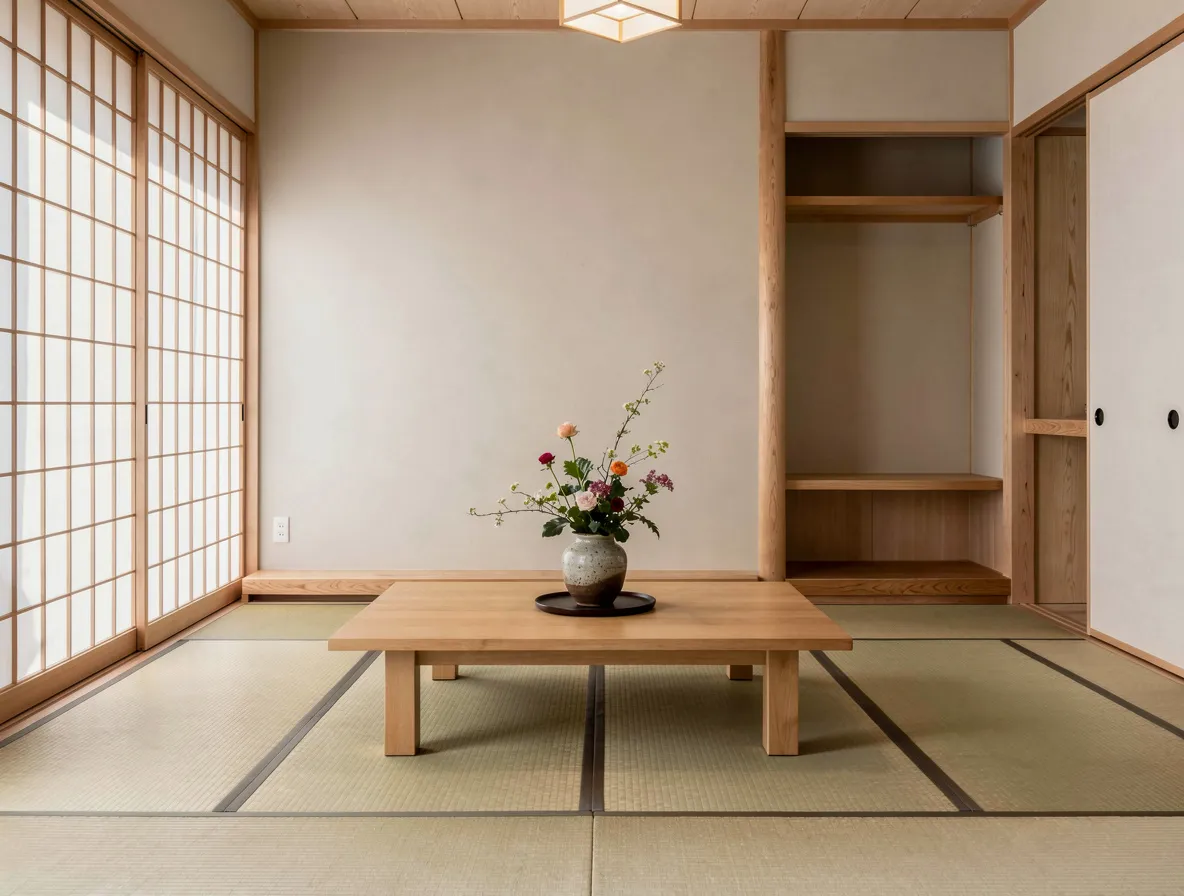
Japanese interior design is rooted in the philosophical traditions of Shinto (purity), Buddhism (impermanence), and the aesthetic principle of wabi-sabi (beauty in imperfection). The key concept of 'ma' - the meaningful pause or emptiness between objects - shapes Japanese space planning. Shoji screen panels, tatami mat floors, tokonoma alcoves displaying one perfect seasonal object, and exposed timber joints with visible craftsmanship define authentic Japanese design.
Why People Love It
-
The philosophical depth of Japanese design creates spaces that are genuinely transformative
-
Ma - meaningful emptiness - is the most powerful and underused design concept in Western interiors
-
Natural materials in their truest form reward daily observation as they age
-
The tokonoma practice of displaying one perfect seasonal object is an endlessly sustainable art form
Key Characteristics
-
Ma - meaningful negative space as active design
-
Shoji screen panels of timber and washi paper
-
Tatami mat or natural timber floor surfaces
-
Tokonoma alcove with a single seasonal object
-
Natural materials showing their honest character
-
Low furniture for floor-level living
Color Palette
Materials
Ideal For
Room-by-Room
Japanese Design in Every Room
How japanese design translates across every space in your home
Living Room
Natural cedar floor, a single low table and floor cushions (zabuton), shoji screen panels, one scroll or seasonal object in a tokonoma alcove.
Kitchen
Simple timber cabinetry with exposed grain, stone or ceramic sink, minimal exposed utensils of quality, and one plant in a ceramic pot.
Bedroom
A futon laid on tatami or a low platform bed, shoji screens filtering morning light, a single scroll or seasonal flower arrangement.
Bathroom
Hinoki cypress soaking tub (ofuro), stone or pebble floor, cedar walls, a single wooden stool, and steam-fogged natural light.
Exterior
Raked gravel karesansui garden, tsukubai water basin, moss, and single specimen trees in considered asymmetrical composition.
Visualize It First
See Japanese Design in Your Space
Upload any photo and our AI transforms it into japanese style in seconds
Upload a photo
Any room, any angle. Interior or exterior - phone photo is fine.
Select "Japanese"
Choose this style from our library or describe it to the AI in plain language.
Get your design
Photorealistic result in seconds. Download in HD or 4K resolution.
Expert Advice
How to Achieve Japanese Design
Practical tips from designers who work with japanese style every day.
Practice ma deliberately - after arranging furniture, remove two more things than feels comfortable. The remaining space becomes the most powerful element.
Install shoji screens (or high-quality washi paper panels in a timber grid) to diffuse light rather than block it - the light quality is distinctly Japanese.
Create a tokonoma equivalent: a recessed alcove or simply a shelf at one specific height displaying one object that changes with the seasons.
Source Japanese hand-thrown ceramics (Bizen, Shigaraki, or Hagi ware) for bowls, cups, and vases - they embody wabi-sabi naturally.
Specify hinoki or cedar timber for bathrooms and wet areas - the aromatic quality of these woods is uniquely Japanese and deeply calming.
Design History
How the Tea Ceremony Created Japanese Interior Design
Japanese interior design did not develop through fashion or prosperity - it was codified through a spiritual practice that deliberately limited and specified every element of a room.
The Muromachi Period and Shoin Architecture
The Muromachi period (1336-1573) established the basic vocabulary of Japanese interior design - the shoin-zukuri style with its tokonoma (alcove for display), tatami mat floors, shoji screens, and clearly defined floor, wall, and ceiling zones. These elements, which appear in Japanese homes today, were codified over 600 years ago.
Sen no Rikyu and the Perfect Tea Room
Tea master Sen no Rikyu refined the tea ceremony in the 16th century and, in doing so, defined a complete interior design philosophy. The ideal tea room (chashitsu) was deliberately small (four-and-a-half tatami mats), asymmetrical, and imperfect - using rough plaster walls, an irregular ceiling, and one carefully chosen object in the tokonoma. Every element had meaning; nothing was accidental.
Katsura Imperial Villa - the Complete Japanese Interior
The Katsura Imperial Villa in Kyoto, built in the 17th century, is considered the pinnacle of Japanese interior design - tatami rooms that open completely to the garden, asymmetrical compositions of architectural elements, and a relationship between interior and exterior that dissolves the boundary between them. Walter Gropius visited in 1954 and said it was the greatest design he had ever encountered.
Modernism Discovers Japan
The post-war generation of architects - Frank Lloyd Wright had visited early, and his influence was significant - recognized Japanese design as the original practitioner of what they were trying to achieve: simplicity, material honesty, integration with nature, functional beauty. Japanese design became globally influential precisely because Western designers recognized something they were struggling toward and found it already perfectly achieved.
Style Pairings
Styles That Complement Japanese
Mix japanese with these styles for a layered, personal look.
Minimalist
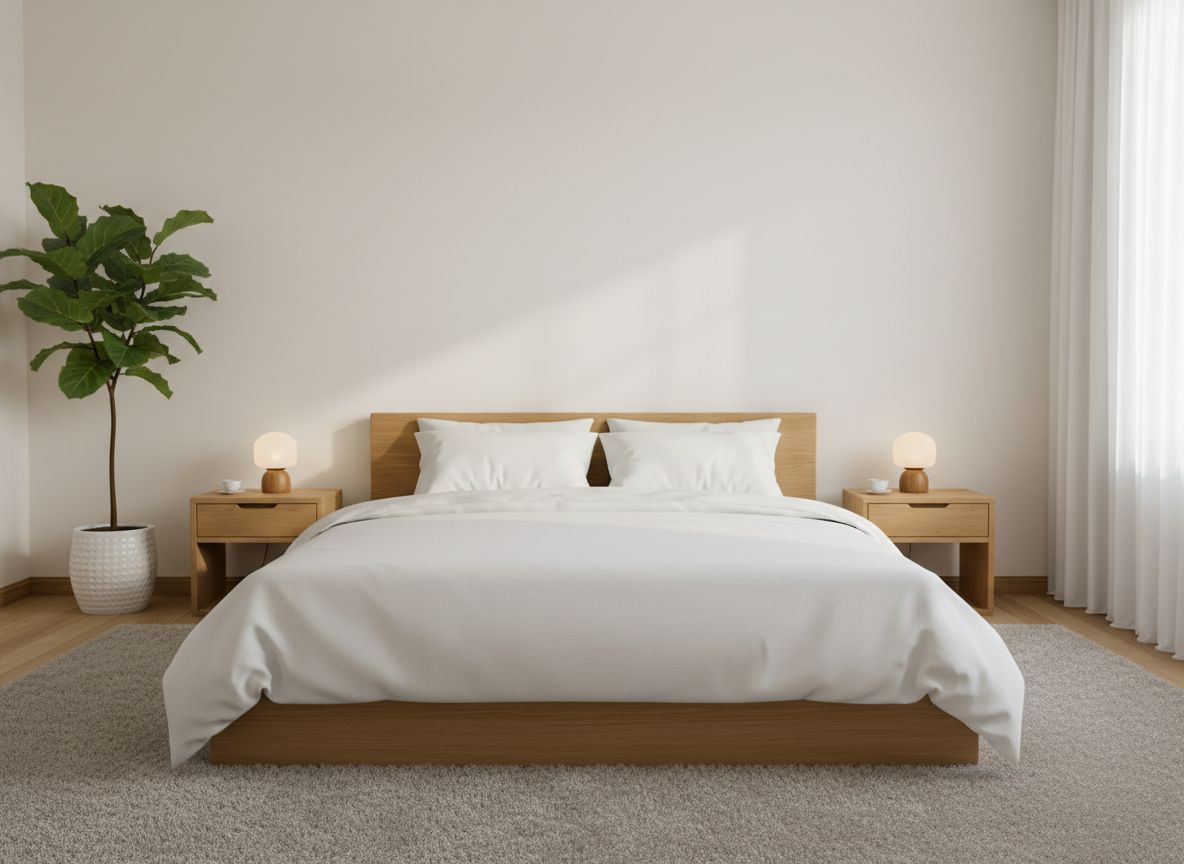
Less is more. Ultra-clean surfaces, hidden storage, and a focus on function. For those who love simplicity in every room.
Zen
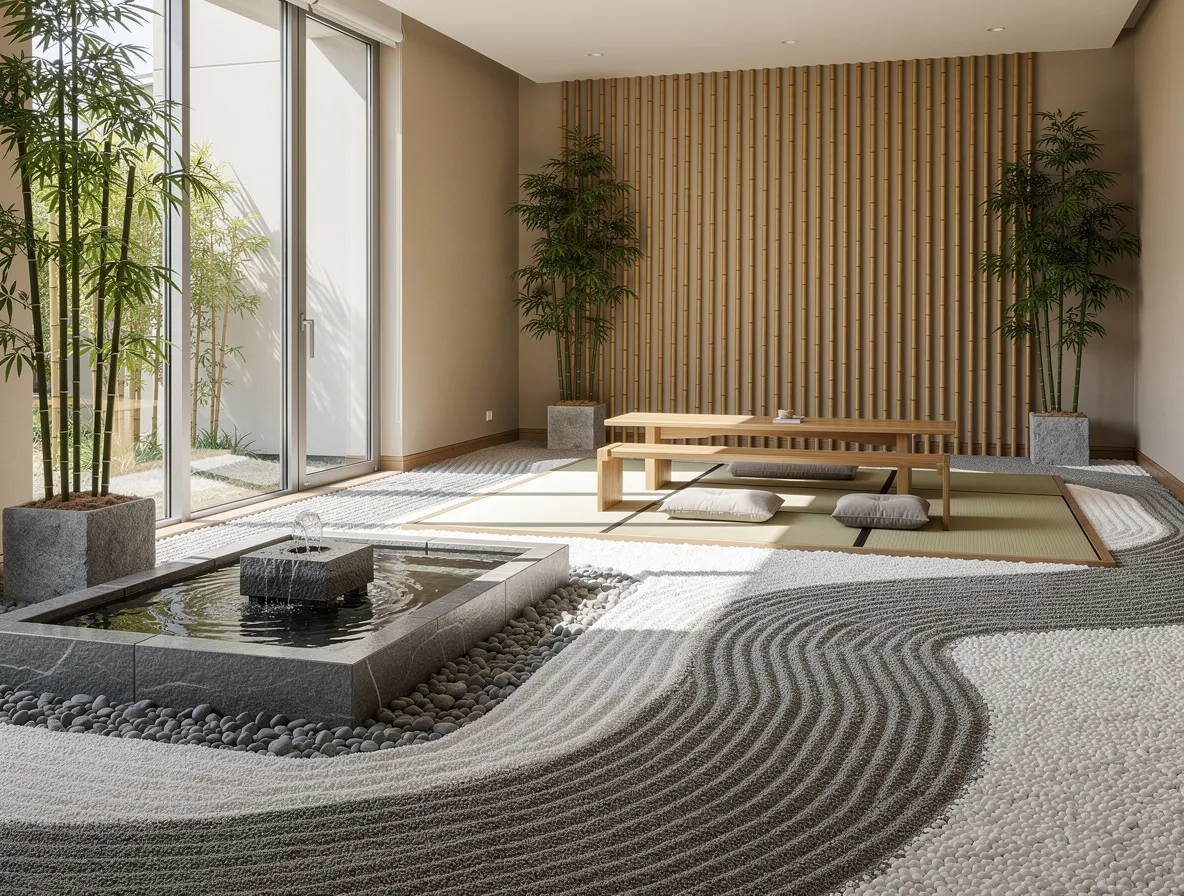
Smooth pebble gardens, water features, and natural light create a meditative sanctuary of peace and mindfulness.
Wabi-Sabi
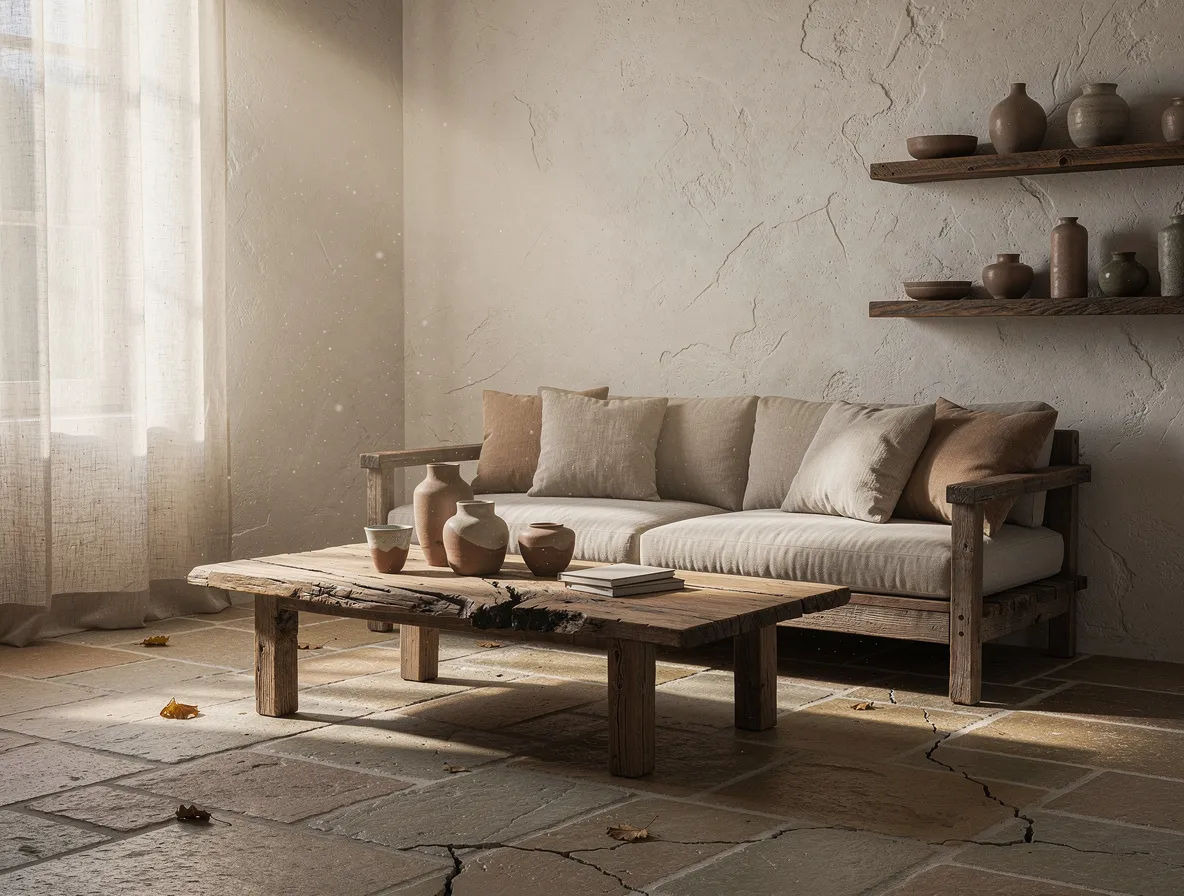
Celebrating imperfection with handcrafted ceramics, weathered wood, and natural linen for authentic, soulful spaces.
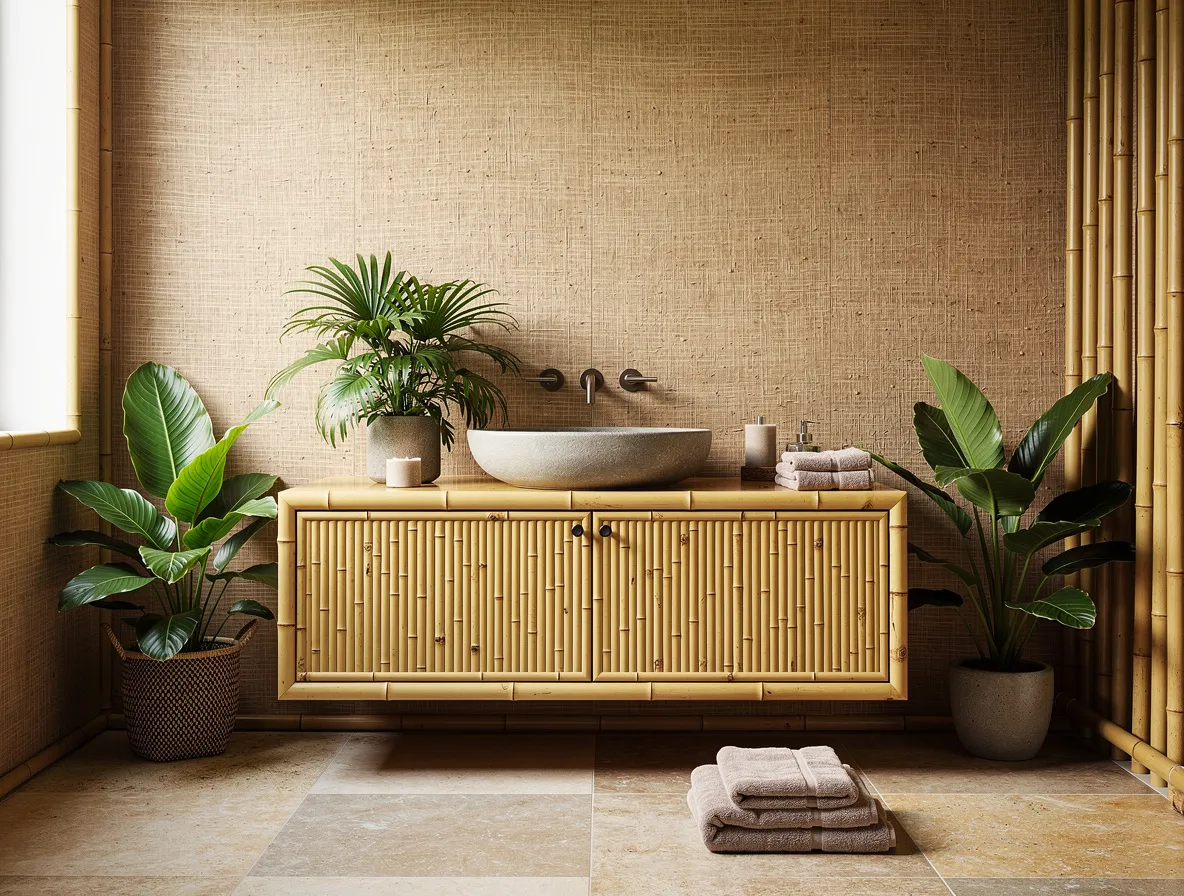
Bamboo
Bamboo vanities, woven wall panels, and tropical plants create a warm, sustainable natural aesthetic.
Common Questions
Japanese Design: FAQ
What are the key principles of Japanese interior design?
Ma (negative space), wabi-sabi (beauty of imperfection), shizen (naturalness), kanso (simplicity), and fukinsei (asymmetry). These are not decorative preferences but philosophical positions about the nature of beauty.
What materials are used in Japanese interiors?
Natural materials throughout: shoji screens of rice paper and cedar, tatami mats of woven igusa grass, engawa (veranda) floors of polished wood, plaster walls, and sliding cedar doors. Everything is natural, low-processed, and local.
What is the tokonoma and how is it used?
The tokonoma is a recessed alcove in a Japanese room - the designated display space for one carefully chosen object, a hanging scroll, or a flower arrangement. It changes seasonally. Its equivalent in Western design is the empty space reserved for one meaningful object.
How do I apply Japanese design principles without a tatami room?
Apply the principle of ma - designate one empty wall and keep it clear. Choose one display surface and show only one thing at a time. Use natural materials. Remove everything that is not both useful and beautiful.
What is the difference between Japanese and Japandi design?
Japanese design is historically specific - it includes tatami, shoji, and strict spatial vocabulary. Japandi is a contemporary fusion blending Japanese minimalism with Scandinavian warmth and natural materials - it is a design trend, not a cultural tradition.
What colors are used in Japanese interior design?
Predominantly natural - the colors of wood, plaster, stone, and paper. Soft neutral tones with occasional deep accent colors (indigo blue, deep forest green, lacquer red) used with great restraint.
Ready to Transform Your Space?
Upload a photo and see it in japanese style - or any of our 80+ other styles - in seconds.