Organic Design
Biomorphic forms, natural materials in their most honest state, and a philosophy of harmonious coexistence with the natural world define organic design.
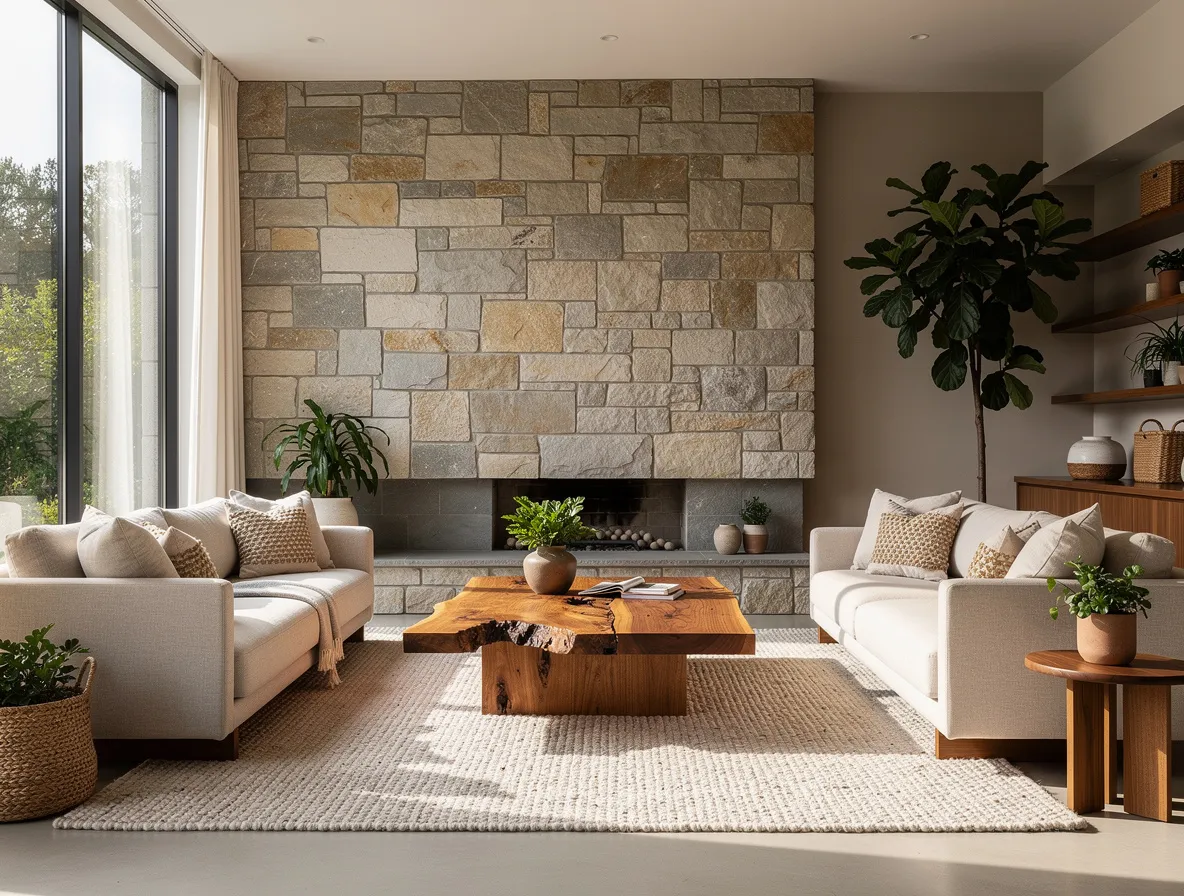
About the Style
What Is Organic Design?
Organic design is the application of nature's own design principles to interior space - curved forms inspired by living organisms, natural materials selected for their sensory richness, and a rejection of rigid geometric order in favor of the dynamic balance found in landscapes and biology. Pioneered by mid-century designers like Frank Lloyd Wright and Alvar Aalto, organic design creates interiors that feel alive, balanced, and deeply human.
Why People Love It
-
Biophilic design is scientifically proven to reduce stress and improve wellbeing
-
Live-edge and natural materials are genuinely unique - no two pieces are identical
-
Curved forms are more physically comfortable than rigid rectangular furniture
-
The style constantly evolves with plant growth and material patina
Key Characteristics
-
Curved, biomorphic furniture silhouettes
-
Natural materials in unprocessed or minimally processed states
-
Forms inspired by natural organisms
-
Earth tones and natural color palette
-
Integration of living plant elements
-
Tactile, sensory material choices throughout
Color Palette
Materials
Ideal For
Room-by-Room
Organic Design in Every Room
How organic design translates across every space in your home
Living Room
A curved linen sofa, a live-edge coffee table, a large monstera as the design anchor, rammed earth feature wall, and biomorphic ceramic accessories.
Kitchen
A curved island in natural stone, open shelving with hand-thrown ceramics, a live plant wall above the sink, and clay plaster walls.
Bedroom
A rounded upholstered bed, clay plaster or natural textured walls, live plants on every surface, natural linen bedding, and a live-edge bedside table.
Bathroom
Pebble tile floor, organic stone vessel sink, a rain shower with living plants around the perimeter, and warm clay plaster walls.
Exterior
A green roof or living wall, rammed earth or stone cladding, curved pathways and organic garden beds, and native planting.
Visualize It First
See Organic Design in Your Space
Upload any photo and our AI transforms it into organic style in seconds
Upload a photo
Any room, any angle. Interior or exterior - phone photo is fine.
Select "Organic"
Choose this style from our library or describe it to the AI in plain language.
Get your design
Photorealistic result in seconds. Download in HD or 4K resolution.
Expert Advice
How to Achieve Organic Design
Practical tips from designers who work with organic style every day.
Source one live-edge timber slab as either a dining table or desk - the natural form of the tree edge is irreplaceable and becomes the room centerpiece.
Introduce a living plant wall or large-format living moss panel - it functions as both art and natural air filtration.
Choose ceramics made by hand in natural clay rather than factory-produced - the irregularity and natural color reinforce the organic aesthetic.
Allow curves to dominate: round sofa, oval coffee table, arch doorways, and curved kitchen island all shift the room toward organic quality.
Use rammed earth, raw plaster, or clay plaster on walls rather than standard smooth paint to introduce genuine natural material texture.
The Science
What Research Says About Living Spaces That Connect Us to Nature
Biophilic design - the practice of incorporating nature into built environments - is one of the most research-supported design frameworks. The findings are consistent and significant.
Hospital Recovery Studies
Roger Ulrich's landmark 1984 study compared patients recovering from surgery in rooms with a window view of trees versus a view of a brick wall. The nature-view patients needed less pain medication, had fewer post-surgical complications, and were discharged an average of one day sooner. This single study launched the entire field of evidence-based biophilic design in healthcare.
Workplace Productivity
A 2015 study by Human Spaces surveyed 7,600 office workers across 16 countries and found that employees in offices with natural elements - plants, natural light, views of nature - reported a 15% higher sense of wellbeing and 6% higher productivity than those in nature-absent environments. Every 10% increase in biophilic elements was associated with measurable improvement in both metrics.
Fractal Patterns and Visual Rest
Physicist Richard Taylor found that the fractal geometry patterns in nature - the self-similar branching structure of trees, the spiral of a fern - produce a measurable relaxation response in the brain, reducing physiological stress by 60% compared to non-fractal environments. Organic design materials (natural wood grain, stone, leaf patterns) replicate these fractal structures and produce the same relaxation response indoors.
Air Quality and Cognitive Function
Plants genuinely improve indoor air quality - NASA's Clean Air Study identified specific species that remove formaldehyde, benzene, and trichloroethylene from indoor air. Beyond plants, natural materials like wool and cotton buffer humidity fluctuations and absorb VOCs released by synthetic materials. The organic interior is a measurably cleaner air environment.
Style Pairings
Styles That Complement Organic
Mix organic with these styles for a layered, personal look.
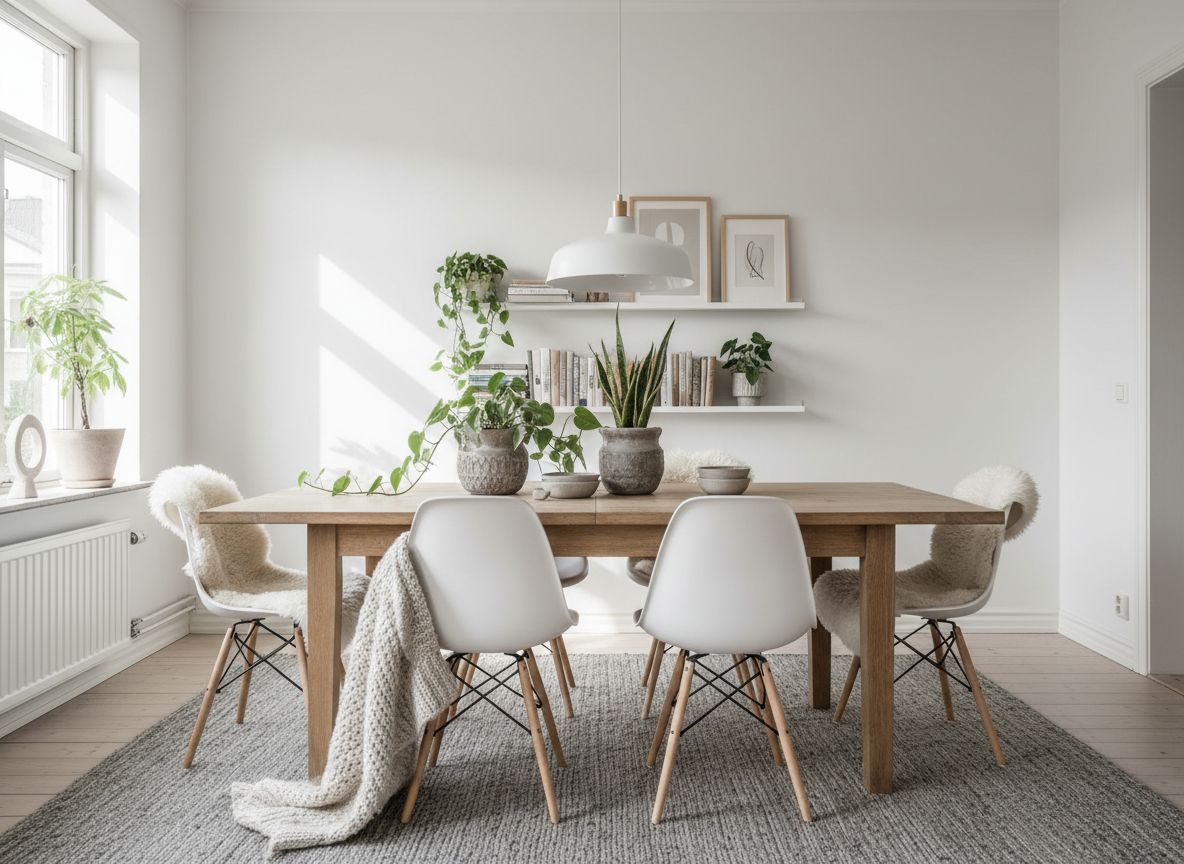
Scandinavian
Light, airy, and hygge-inspired. White walls, light wood, and functional design that brings warmth to every room.
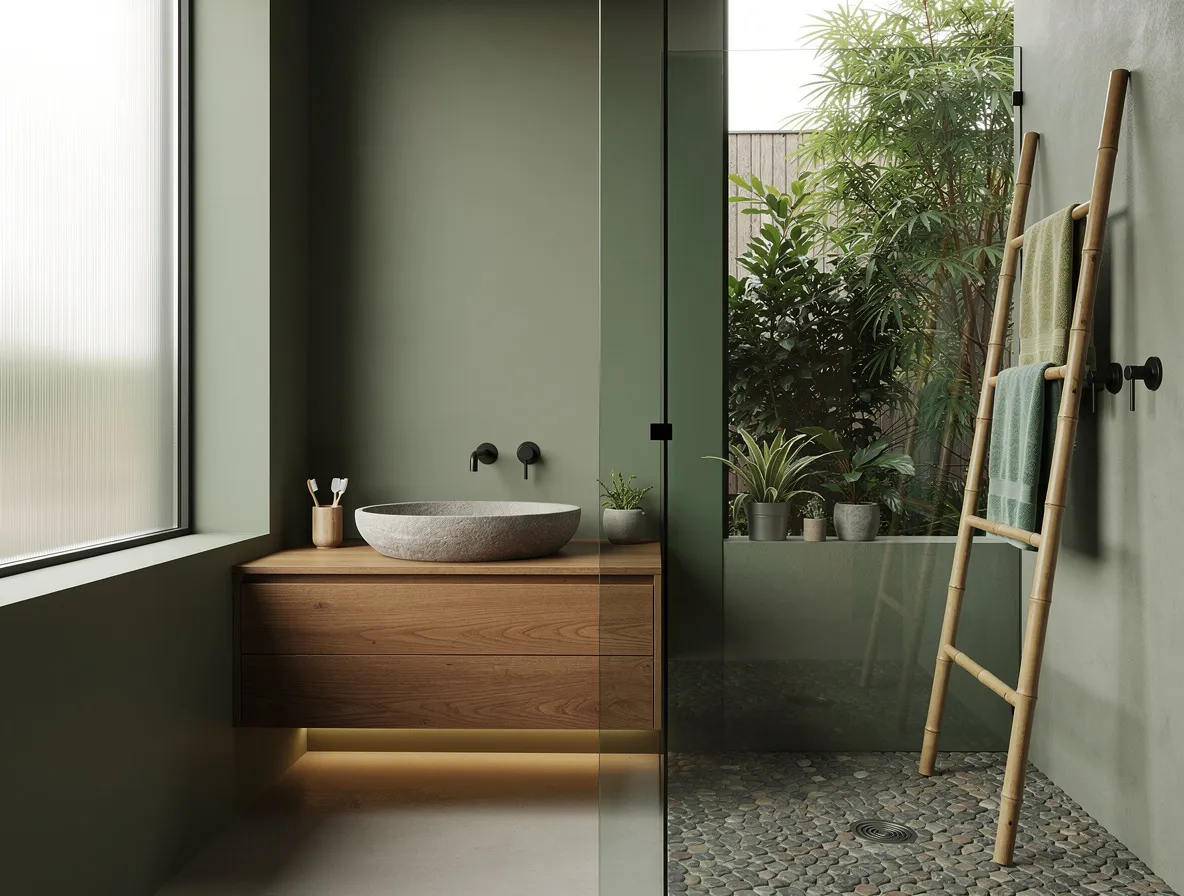
Natural
Stone basins, wooden vanities, and pebble accents bring the serenity of the outdoors into every room.
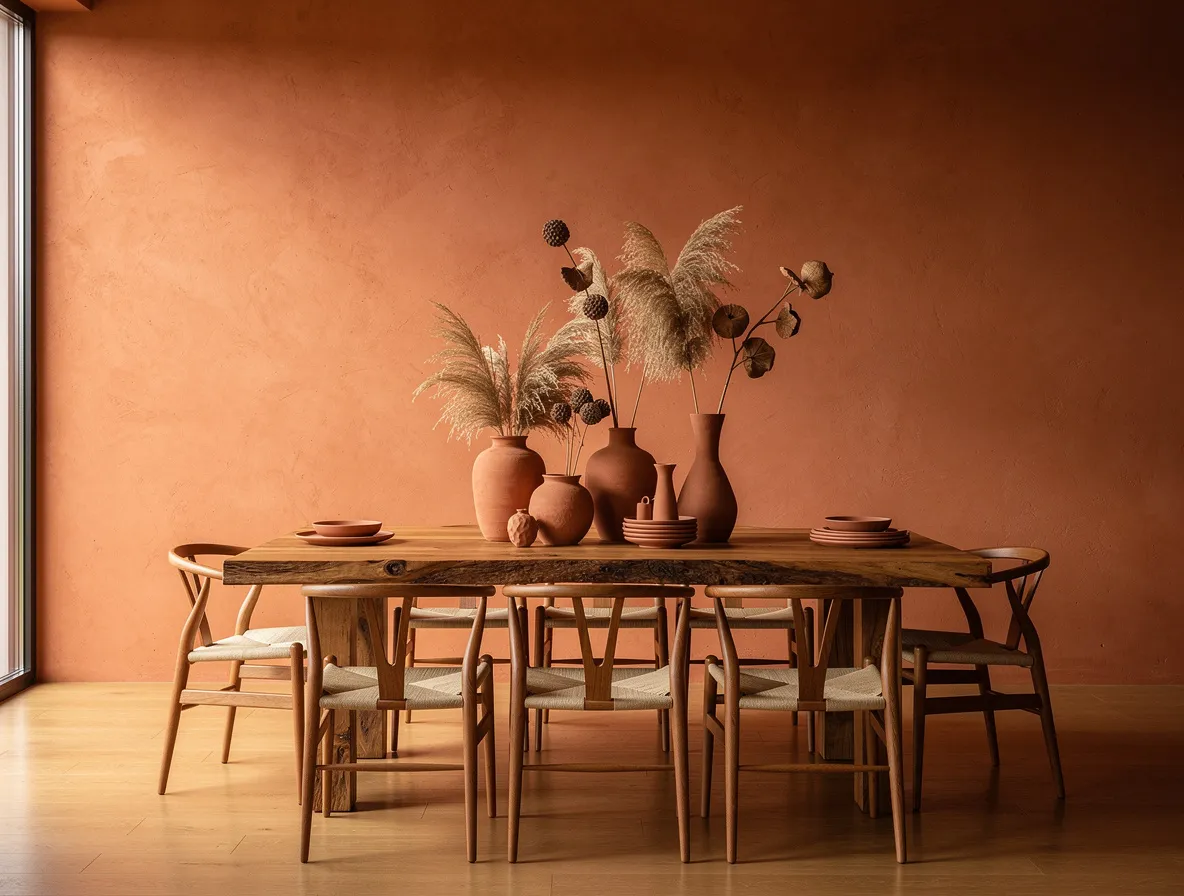
Earthy
Terracotta walls, raw wood tables, and clay pottery create a warm, grounded atmosphere inspired by the earth.
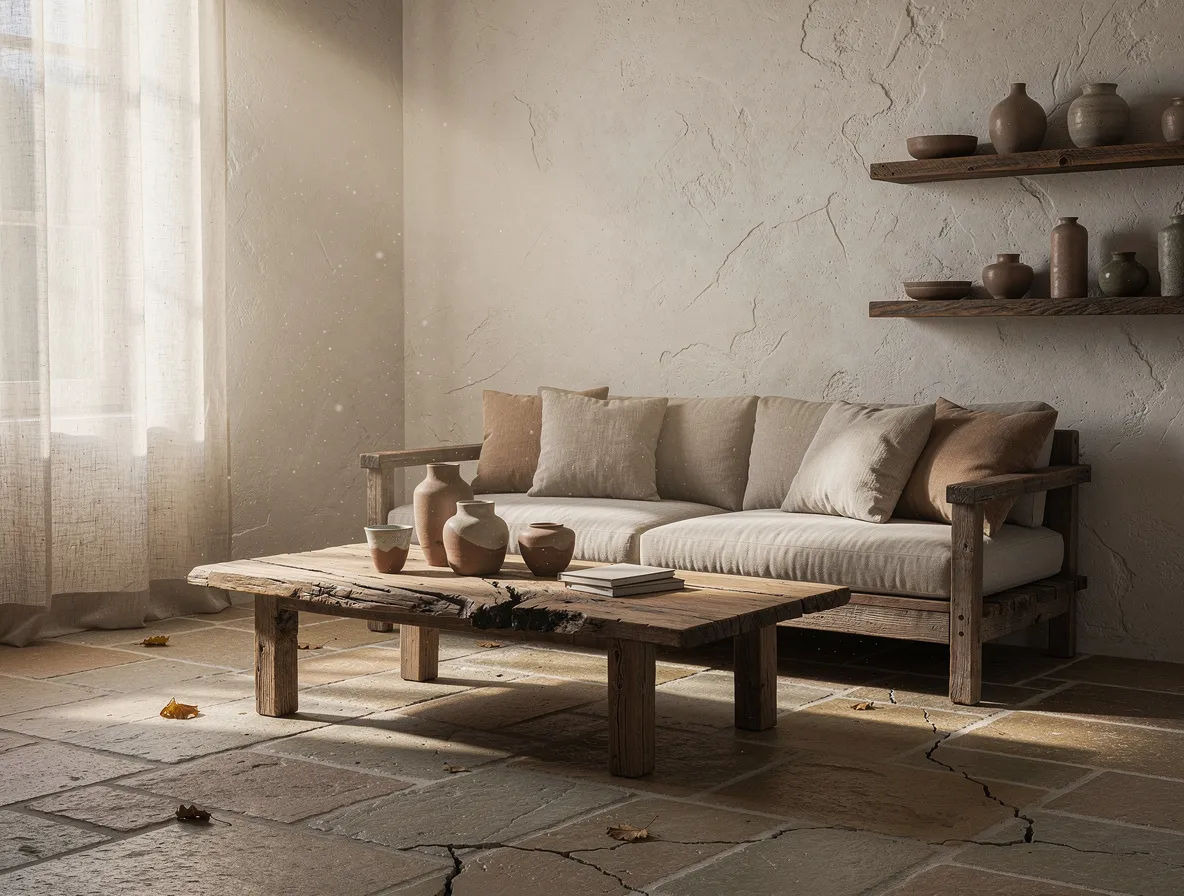
Wabi-Sabi
Celebrating imperfection with handcrafted ceramics, weathered wood, and natural linen for authentic, soulful spaces.
Common Questions
Organic Design: FAQ
What is biophilic design and how does it relate to organic style?
Biophilic design is the research-backed practice of integrating nature into built environments for measurable health and wellbeing benefits. Organic interior style is its aesthetic expression - natural materials, plant life, curved forms, and earthy colors.
What are the most important plants for an organic interior?
For air quality: snake plant, spider plant, peace lily, and Boston fern. For drama: monstera, bird of paradise, and fiddle-leaf fig. For ease of care: ZZ plant, pothos, and cacti. Choose based on your light levels and honesty about maintenance.
What materials define an organic interior?
Natural stone, solid wood (not veneer), linen and cotton fabrics, wool, rattan, jute, cork, and clay ceramics. The test is whether the material comes from the earth - if so, it belongs in an organic interior.
How is organic design different from minimalist design?
Minimalist design removes and reduces. Organic design adds natural elements - it is about the quality and origin of materials rather than the quantity. An organic room can be quite full, as long as every element is natural.
Ready to Transform Your Space?
Upload a photo and see it in organic style - or any of our 80+ other styles - in seconds.