Earthy Design
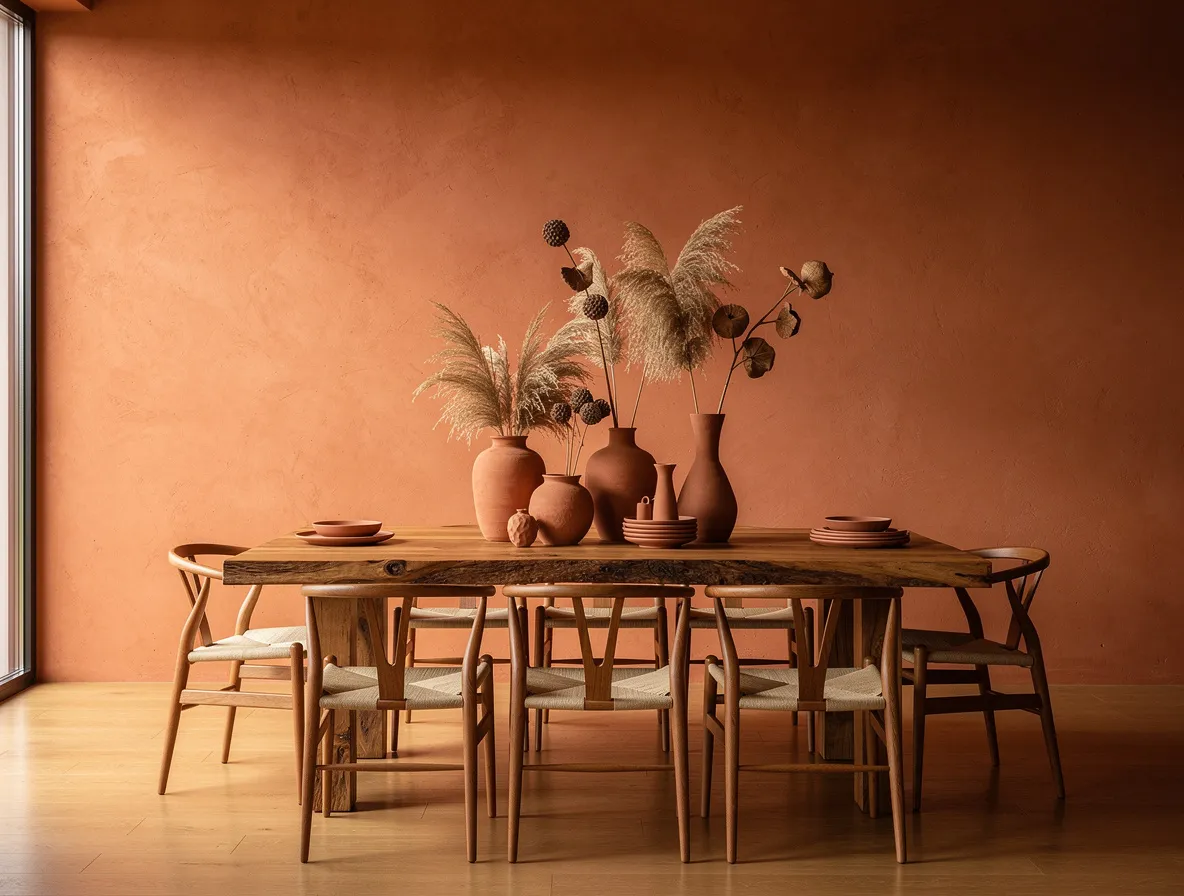
Terracotta, clay, moss, stone, and the warm color spectrum of the ground beneath our feet create interiors that feel rooted, grounded, and deeply comforting.
About the Style
What Is Earthy Design?
Earthy design takes its entire visual cue from the palette of soil, clay, minerals, and natural pigments - terracotta reds, clay browns, moss greens, stone grays, and ochre yellows. It is warm, textural, and grounding in a way that cool neutral palettes cannot achieve. The materials are of the earth - clay plaster, unfired ceramics, stone, cork, and natural timber - and the result is profoundly calming.
Why People Love It
-
Warm earth tones are scientifically associated with reduced cortisol and greater calm
-
Clay plaster walls are breathable and naturally regulate humidity
-
Terracotta is one of the oldest and most enduring color traditions in human architecture
-
The palette is universally flattering to human skin tones in natural light
Key Characteristics
-
Terracotta and clay color palette on walls
-
Clay or lime plaster wall treatments
-
Unfired or raw ceramic accessories
-
Cork and natural stone flooring
-
Dried botanicals and natural plant material
-
Raw texture as primary decorative tool
Color Palette
Materials
Ideal For
Room-by-Room
Earthy Design in Every Room
How earthy design translates across every space in your home
Living Room
Clay plaster walls in terracotta, a cork or stone tile floor, a raw linen sofa, unfired ceramic pots with dried pampas, and a moss green rug.
Kitchen
Terracotta tile floor, clay plaster walls, open shelving with unfired ceramic, a stone countertop, and dried herbs hanging from timber beams.
Bedroom
Clay plaster walls in warm ochre, natural linen bedding, terracotta floor tiles with a wool rug, dried botanicals, and bronze bedside lamps.
Bathroom
Clay-toned or terracotta tile, a raw stone sink, aged copper fixtures, dried eucalyptus, and cork bath mat.
Exterior
Rammed earth or clay-render walls in terracotta, a stone path, a wildflower and herb garden, and a simple timber entrance.
Visualize It First
See Earthy Design in Your Space
Upload any photo and our AI transforms it into earthy style in seconds
Upload a photo
Any room, any angle. Interior or exterior - phone photo is fine.
Select "Earthy"
Choose this style from our library or describe it to the AI in plain language.
Get your design
Photorealistic result in seconds. Download in HD or 4K resolution.
Expert Advice
How to Achieve Earthy Design
Practical tips from designers who work with earthy style every day.
Apply clay or lime plaster to walls rather than paint - the mineral pigment absorbs and reflects light differently throughout the day.
Build a terracotta tile floor or add terracotta tones through large planters, ceramic accessories, and woven textiles.
Dry seasonal plant material - pampas grass, dried flowers, seed pods - and display them in simple vessels as textural accessories.
Use cork flooring in areas where it is appropriate - it is warm underfoot, natural, and introduces a subtle earthy tone.
Limit metallics to warm bronze or aged copper rather than chrome or brass - they align with the earthy palette without introducing coolness.
The Psychology
Why Earth Tones Make People Feel More Grounded
The psychological response to earth tones is not simply aesthetic preference - it is rooted in the color associations our nervous system developed over millions of years of outdoor living.
The Brown Color Psychology
Brown is one of the most psychologically stabilising colors - it is associated with earth, permanence, reliability, and safety. Unlike bright colors (which stimulate arousal) or very dark colors (which can increase feelings of heaviness), warm brown tones maintain a baseline of comfort without excitement or agitation. They are the neurological equivalent of solid ground.
Ochre and Terracotta as Circadian Cues
Ochre yellows and terracotta oranges are the colors of low-angle morning and evening sunlight. Research on circadian biology shows that these warmer, lower-color-temperature light sources signal 'end of day' to the human biological clock - promoting relaxation and preparation for sleep. Rooms painted in warm earthy tones mimic this signal even under artificial light.
Clay and the Tactile Comfort of Rough Surfaces
Research on haptics (the science of touch) shows that rough, natural textures activate more sensory receptors in the fingertips and provide more neurological feedback than smooth synthetic surfaces. The tactile richness of clay plaster walls, rough stone, and natural fiber textiles creates a constant low-level sensory engagement that is associated with alertness and wellbeing.
The "Nature Metaphor" Effect
Psychologist Rachel and Stephen Kaplan's Attention Restoration Theory proposes that environments with nature-metaphor qualities - patterns that suggest landscapes, materials that reference the outdoors - allow the directed attention system to rest and recover. Earthy interiors function as nature metaphors: they suggest the landscape without literally reproducing it, providing restorative quality to everyday spaces.
Style Pairings
Styles That Complement Earthy
Mix earthy with these styles for a layered, personal look.
Rustic
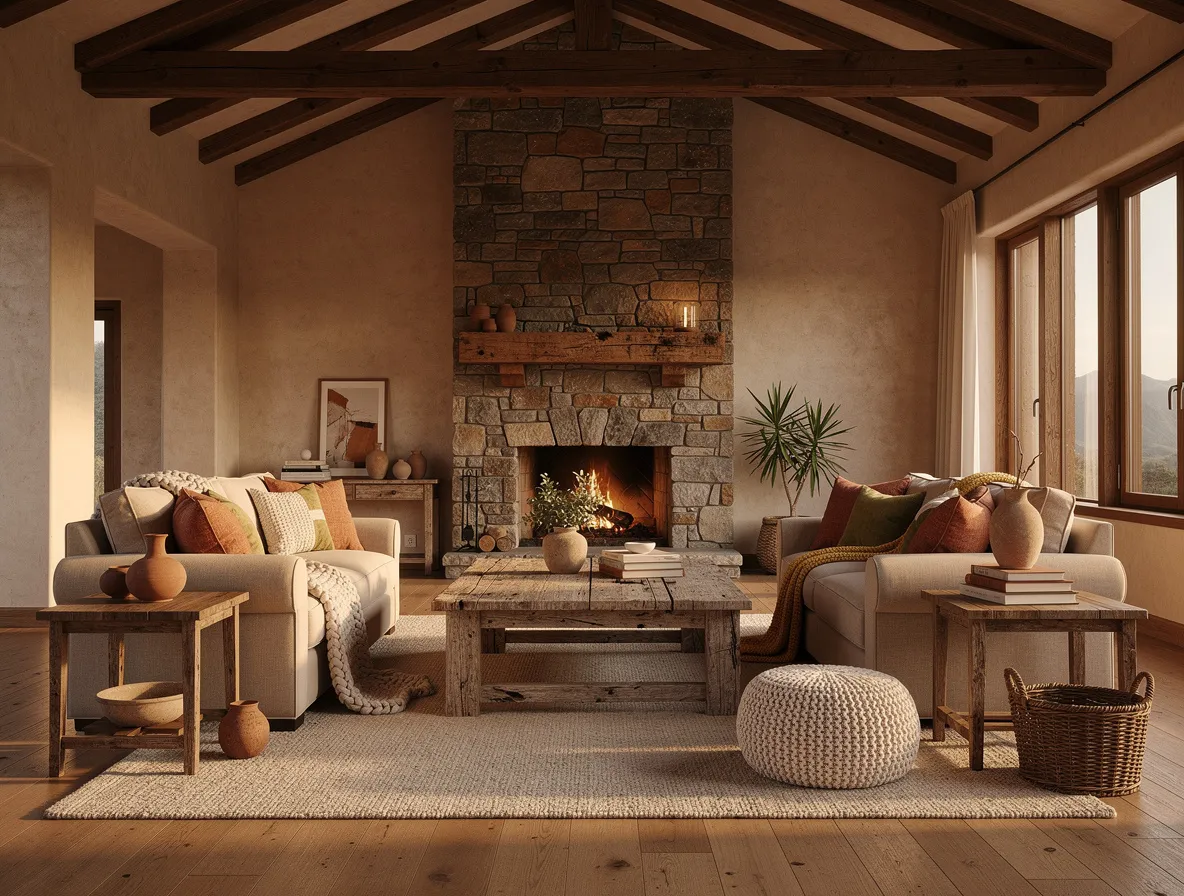
Exposed wooden beams, stone fireplaces, and reclaimed wood furniture bring raw, organic beauty to every room.
Organic
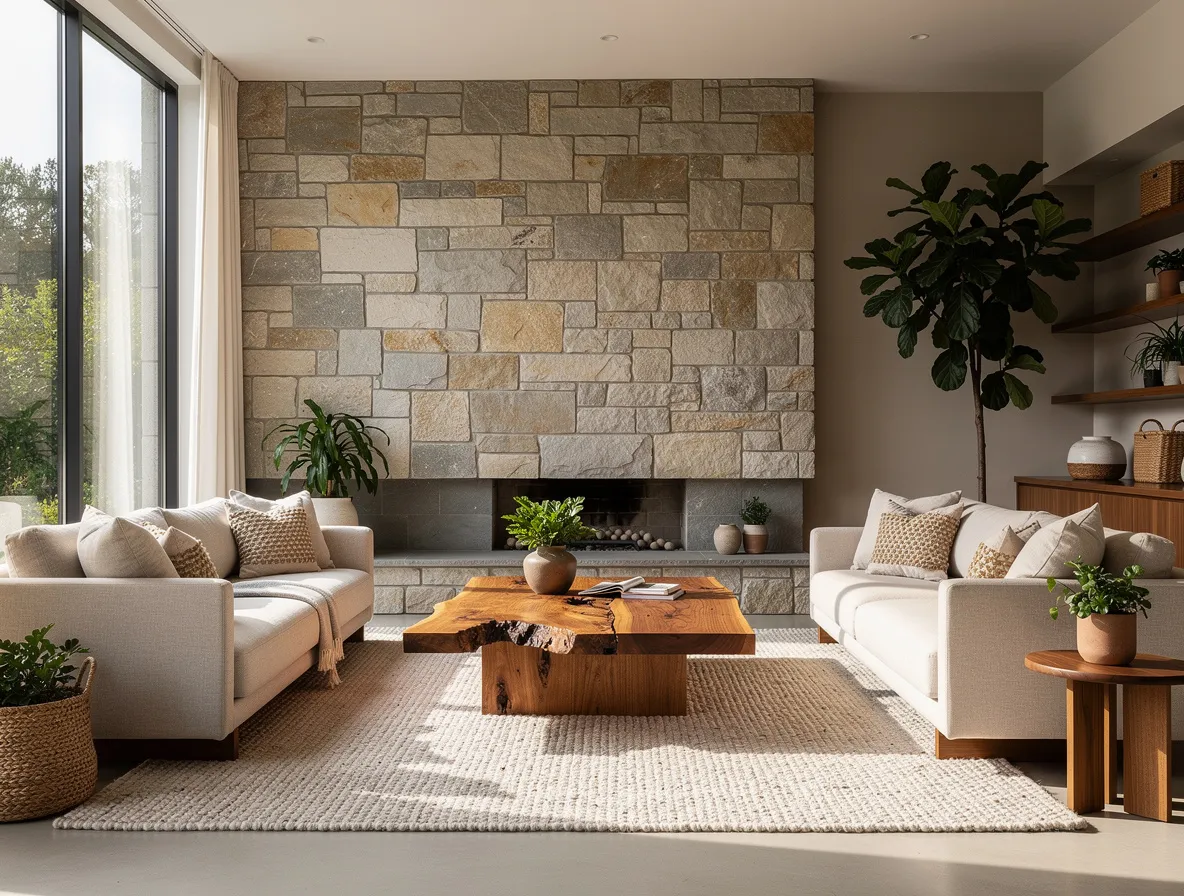
Natural materials, live-edge wood, stone accents, and woven textiles ground your space in organic beauty.
Natural
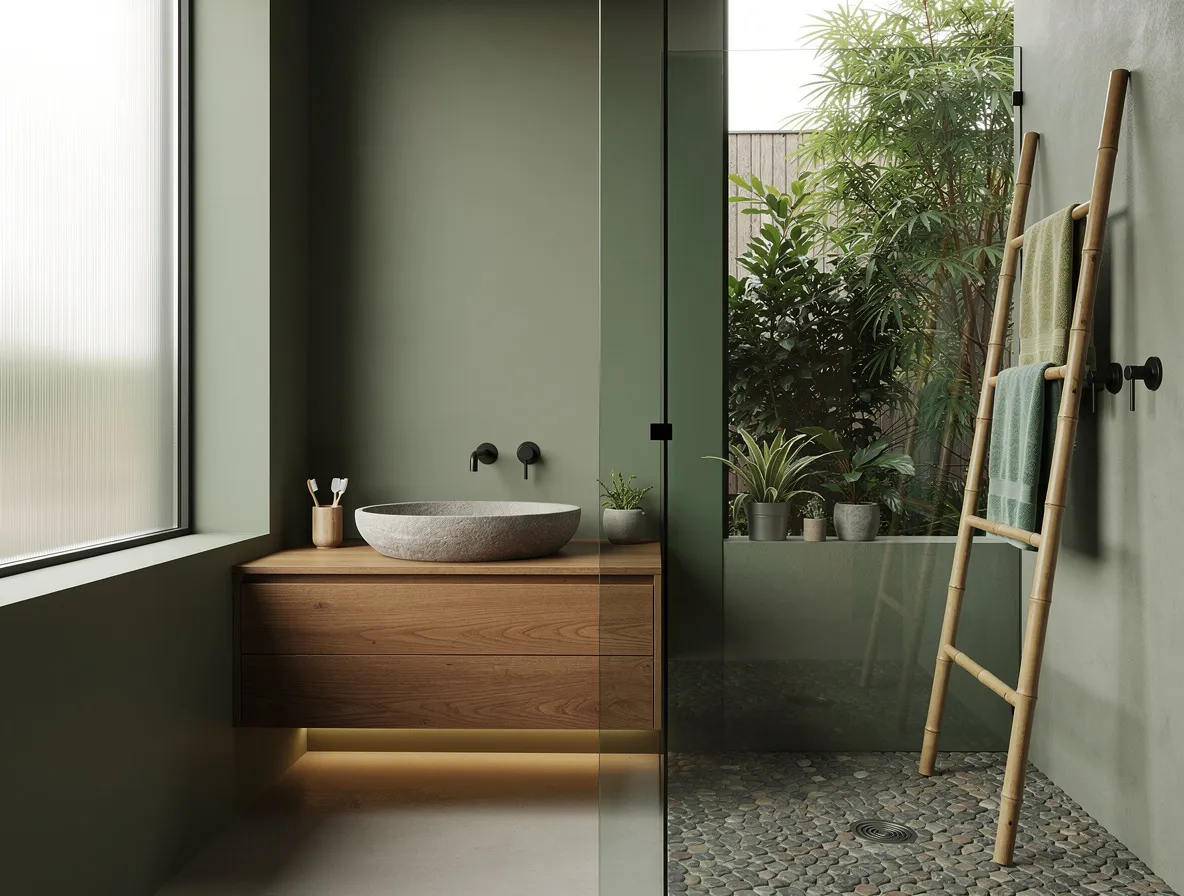
Stone basins, wooden vanities, and pebble accents bring the serenity of the outdoors into every room.
Southwest
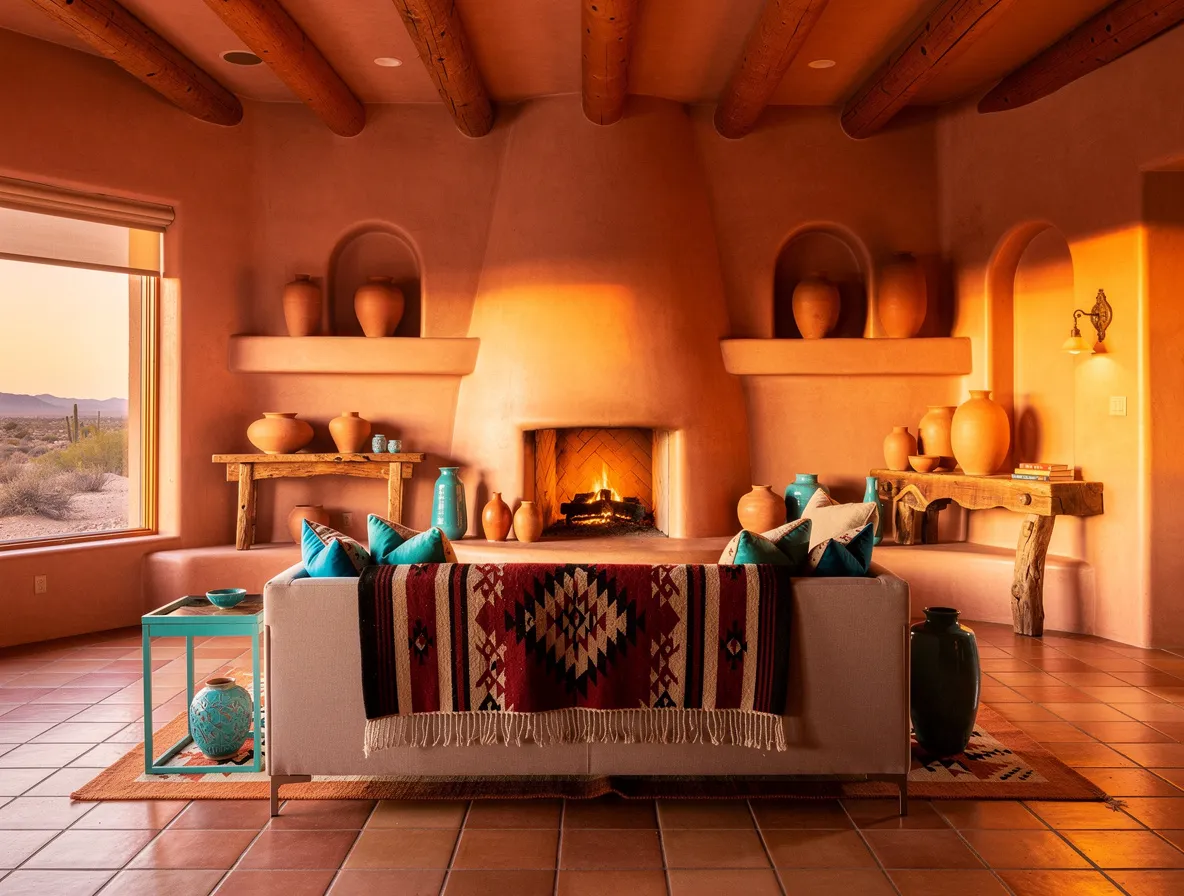
Adobe walls, Navajo textiles, and turquoise accents bring the vibrant spirit of the American desert into your home.
Common Questions
Earthy Design: FAQ
What colors are in the earthy color palette?
Terracotta, ochre, warm sandy beige, clay brown, olive green, warm rust red, mushroom, and deep soil brown. All are warm-toned, low-saturation colors inspired by natural landscapes rather than fashion trends.
What materials work best with earthy design?
Unglazed terracotta and stoneware ceramics, rough linen, natural jute and sisal rugs, clay plaster walls, solid wood in warm tones, and leather. The more raw and unfinished the material, the more authentically earthy the result.
Can earthy design be used in a modern home?
Yes - modern earthy design pairs earthy tones with clean architectural lines. A terracotta accent wall behind a minimal sofa, raw ceramic vessels on a concrete shelf. The palette is ancient but the composition can be entirely contemporary.
What is the difference between earthy and rustic design?
Earthy is about color and material palette. Rustic is about age, wear, and raw materials. An earthy design can be clean and modern; rustic design implies a degree of roughness and aged character.
Ready to Transform Your Space?
Upload a photo and see it in earthy style - or any of our 80+ other styles - in seconds.