Natural Design
Unprocessed materials, a palette drawn from the landscape, and an unhurried connection to the natural world create interiors of profound, quiet beauty.
About the Style
What Is Natural Design?
Natural design is distinguished from organic design by its emphasis on the sensory qualities of specific materials - the grain of unfinished oak, the crystalline surface of raw stone, the softness of undyed linen - rather than the biomorphic forms of organic aesthetics. It is a material-forward philosophy that selects wood, stone, fiber, and clay for their inherent beauty and allows them to age, weather, and evolve over time.
Why People Love It
-
Materials develop and improve with age rather than wearing out
-
Undyed and natural textiles are extraordinarily beautiful in their raw state
-
The style is the most sustainable possible - no finishes, no VOCs, no synthetic materials
-
Natural light transforms natural materials differently through every season and hour
Key Characteristics
-
Unfinished or minimally processed natural materials
-
A palette drawn directly from landscape and geology
-
Natural fiber textiles - undyed linen, wool, cotton
-
Living plants as primary design elements
-
Furniture showing the natural character of its material
-
Light that changes with seasons as a design consideration
Color Palette
Materials
Ideal For
Room-by-Room
Natural Design in Every Room
How natural design translates across every space in your home
Living Room
Unfinished oak floor, undyed linen sofa, a natural stone coffee table, dried botanicals in a ceramic vessel, and simple linen curtains.
Kitchen
Oiled oak cabinetry, a honed stone countertop, open shelving with unglazed ceramic, and a terracotta or slate tile floor.
Bedroom
Solid timber bed frame in unfinished oak, undyed linen bedding, natural wool blanket, clay plaster walls, and a beeswax-finished floor.
Bathroom
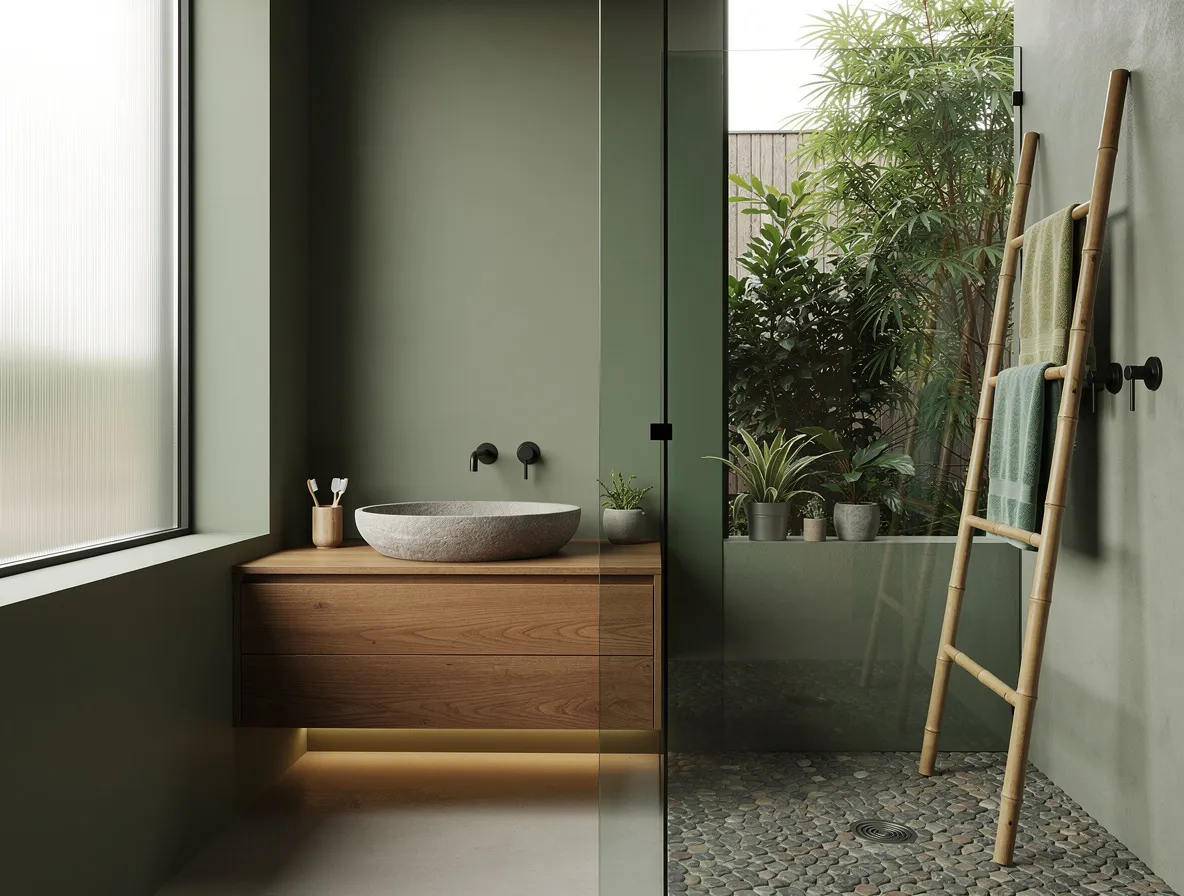
Natural stone floor and walls, a stone basin, brushed bronze fixtures, a wooden bath board, and simple folded linen towels.
Exterior
Unpainted timber cladding, stone or slate path, a wild meadow garden with native plants, and a rain barrel and compost area.
Visualize It First
See Natural Design in Your Space
Upload any photo and our AI transforms it into natural style in seconds
Upload a photo
Any room, any angle. Interior or exterior - phone photo is fine.
Select "Natural"
Choose this style from our library or describe it to the AI in plain language.
Get your design
Photorealistic result in seconds. Download in HD or 4K resolution.
Expert Advice
How to Achieve Natural Design
Practical tips from designers who work with natural style every day.
Specify natural oils (Danish oil, linseed oil) and beeswax for timber finishes rather than polyurethane - the grain reads beautifully and the material can breathe.
Source linen, wool, and cotton in undyed or naturally dyed versions - the palette of natural fiber color is quietly extraordinary.
Leave stone surfaces honed rather than polished - the texture reads more natural and does not show wear or water marks as readily.
Allow seasonal variation in the interior - swap dried summer flowers for winter branches, add extra blankets when cold, and open windows to outside air.
Avoid composite materials entirely: solid timber not MDF, stone not engineered stone, wool not polyester blend. The difference is immediately apparent.
Sustainability
Why Natural Materials Last Decades Longer Than Synthetic Ones
Choosing natural materials is not just an aesthetic or environmental preference - it has significant practical advantages in durability, repairability, and long-term value.
Wood Lasts Centuries; Laminate Lasts 15 Years
Solid hardwood flooring can be sanded and refinished multiple times over a 100+ year lifespan. Laminate flooring - which simulates wood with a photographic film layer over fiber board - cannot be refinished and typically needs replacement every 10-25 years. Over a century of ownership, the solid wood floor is both cheaper and significantly less wasteful.
Natural Stone Tile Versus Porcelain
Marble and limestone floors in historic buildings have lasted 500 years. Contemporary porcelain tile - even high-quality porcelain - has a practical lifespan of 20-50 years before it looks outdated or wears through its surface pattern. Natural stone does not wear through to a substrate - it simply develops patina, which is considered beautiful.
Wool Carpet vs Synthetic Fiber
Wool carpet requires oxygen to burn and self-extinguishes rather than melting. It resists soil because its fiber structure repels dirt to the surface. It recovers from compression because its fiber is naturally crimped. Synthetic carpet fibers - polyester, nylon, polypropylene - are derived from petroleum, cannot be composted, and contribute to the microplastic pollution in waterways when laundered or worn.
The Repairability Advantage
Natural materials can be repaired. Scratched solid wood floors can be refinished. Cracked plaster can be patched invisibly. Woollen upholstery can be rewoven. Stoneware ceramics can be repaired with kintsugi gold joinery. The equivalent synthetic materials - vinyl plank, acrylic upholstery, plastic laminate - cannot be meaningfully repaired and must be replaced in full when damaged.
Style Pairings
Styles That Complement Natural
Mix natural with these styles for a layered, personal look.
Scandinavian
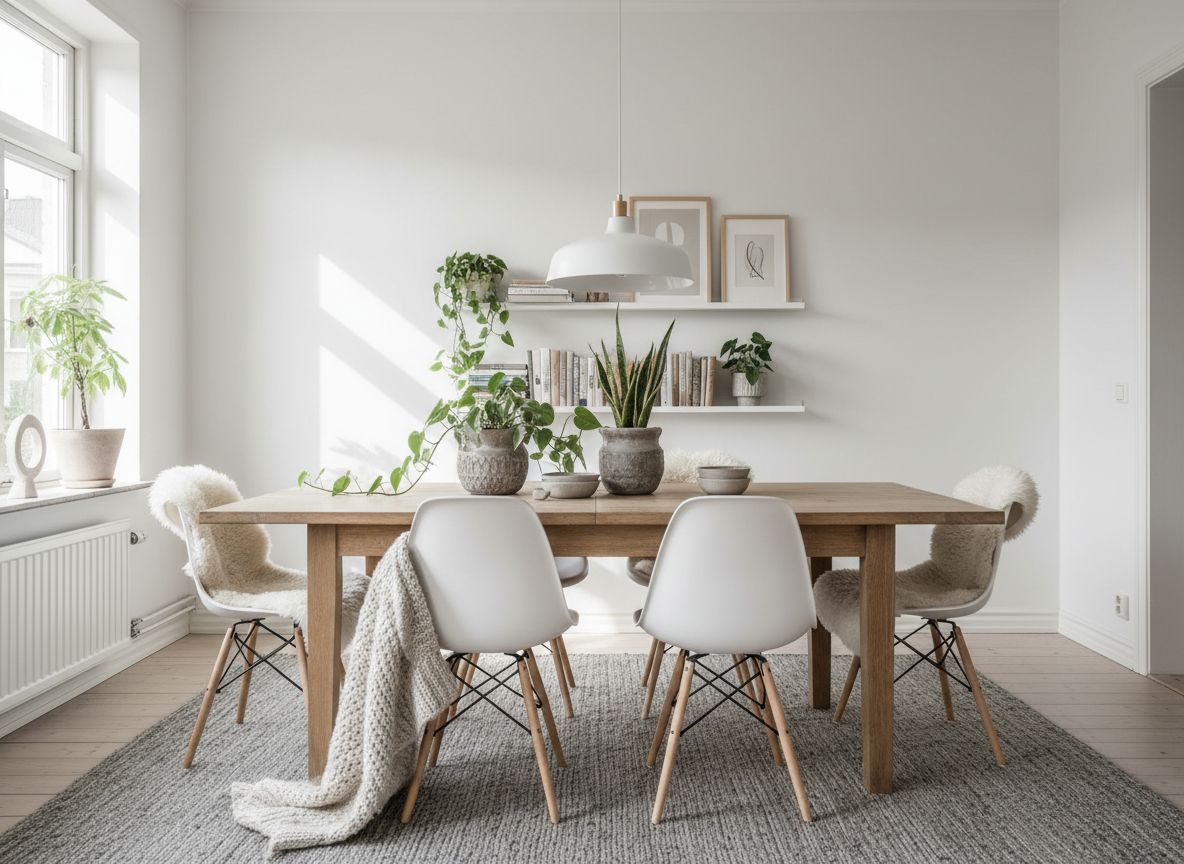
Light, airy, and hygge-inspired. White walls, light wood, and functional design that brings warmth to every room.
Organic
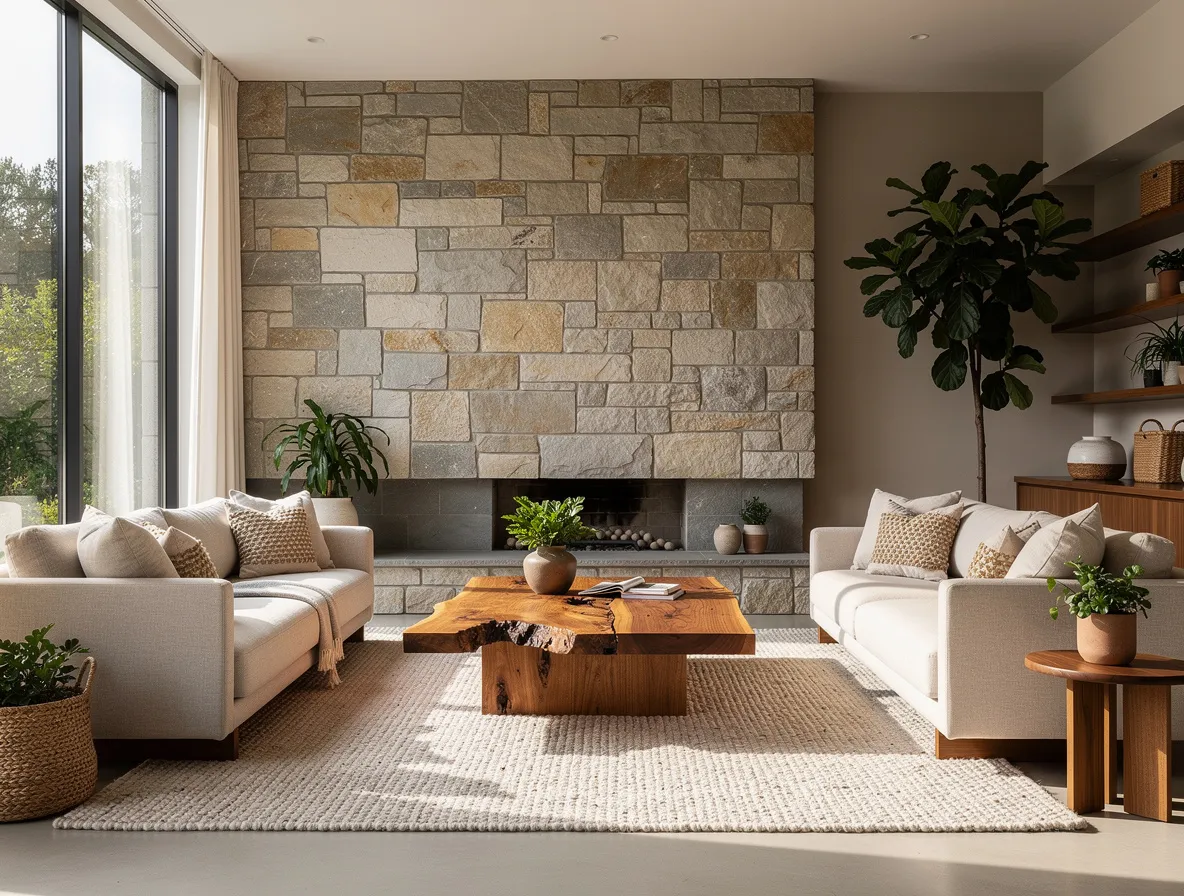
Natural materials, live-edge wood, stone accents, and woven textiles ground your space in organic beauty.
Earthy
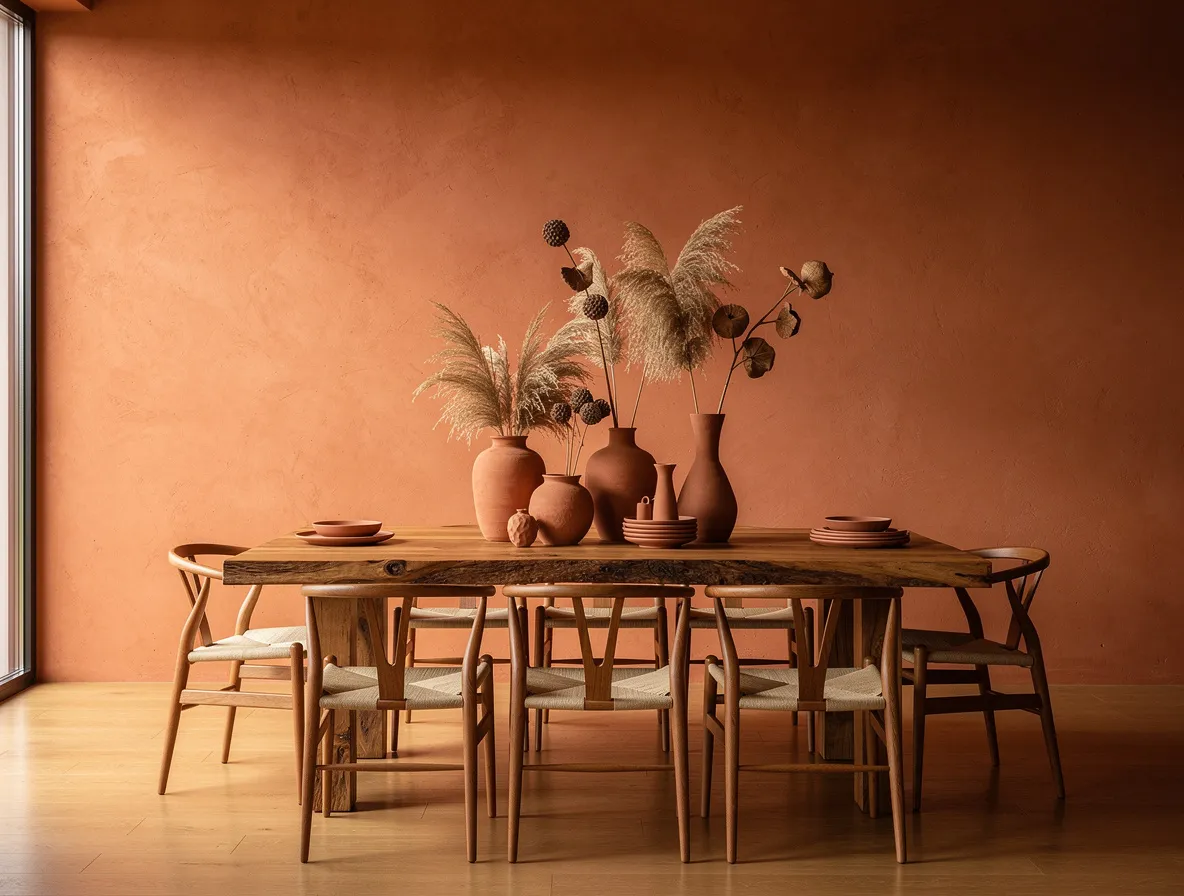
Terracotta walls, raw wood tables, and clay pottery create a warm, grounded atmosphere inspired by the earth.
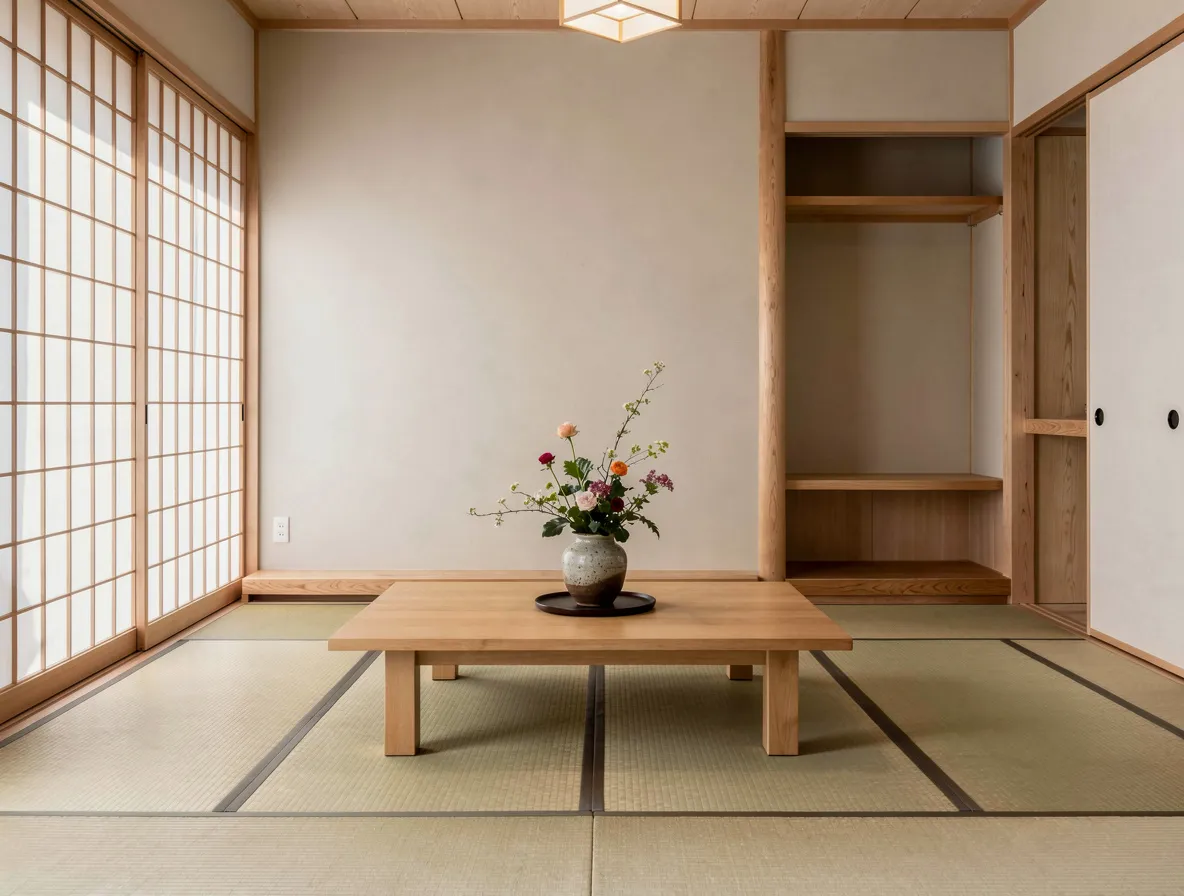
Japanese
Tatami mats, shoji screens, and low furniture bring the serene simplicity and harmony of Japanese minimalism.
Common Questions
Natural Design: FAQ
What counts as a natural material in interior design?
Materials that come directly from the earth or from living organisms: stone, clay, wood, wool, linen, cotton, silk, jute, rattan, leather, and cork. Materials that are minimally processed to preserve their natural structure.
Are natural materials more expensive than synthetic alternatives?
Often more expensive upfront, but lower cost over a lifetime because they last longer and can be repaired. The cost-per-year calculation for natural materials almost always beats synthetic alternatives.
What are the easiest natural materials to start with?
Wool or cotton rugs, linen curtains, ceramic or stoneware tableware, a solid wood chopping board or furniture piece. These are affordable entry points that make an immediate sensory and visual difference.
Ready to Transform Your Space?
Upload a photo and see it in natural style - or any of our 80+ other styles - in seconds.