Neo-Classic Design
Classical architecture and decoration reimagined with contemporary sensibility - neo-classic design honors historical precedent while living completely in the present.
About the Style
What Is Neo-Classic Design?
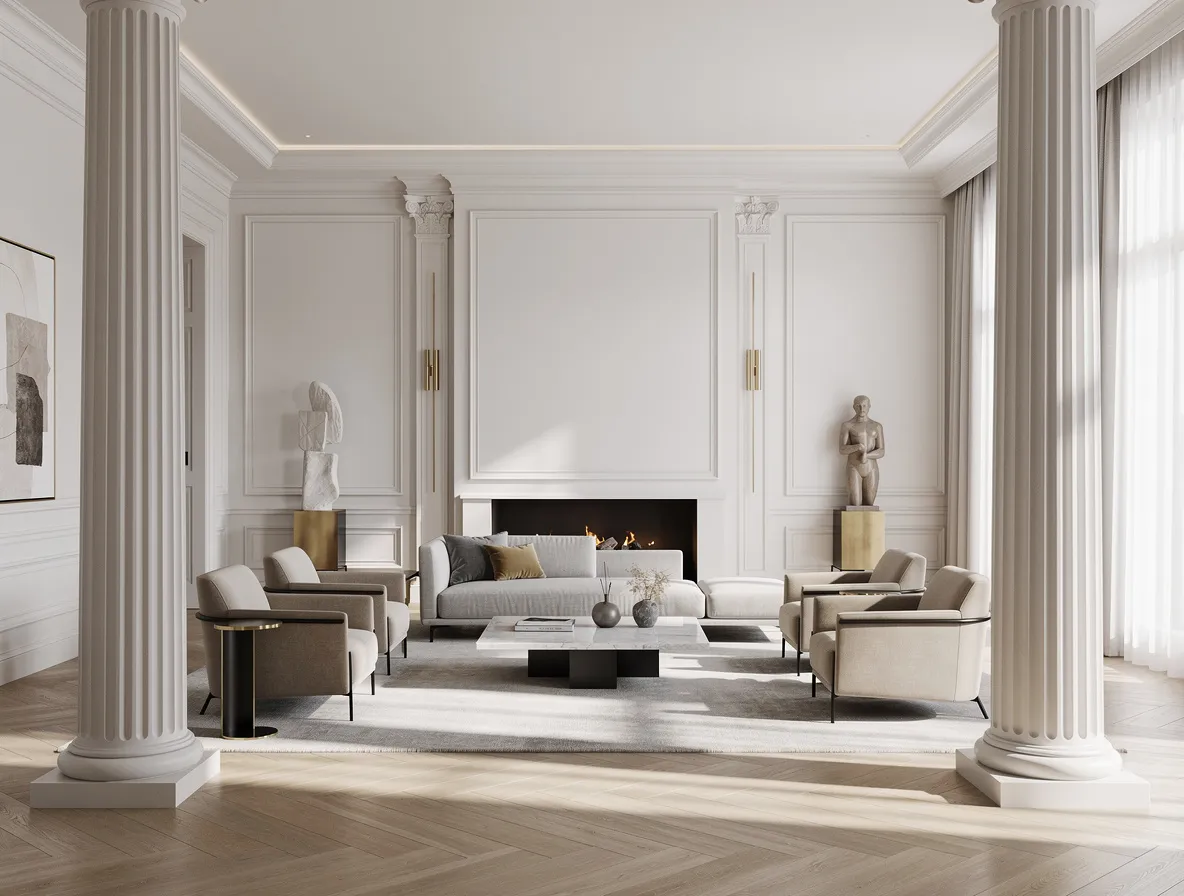
Neo-classical design is the re-application of Greek and Roman architectural vocabulary to contemporary interiors - Doric columns, pediment details, fluted pilasters, and classical moldings translated into modern building contexts. At its best, it creates dialogue between historical permanence and contemporary freshness. The palette is restrained: stone, ivory, and warm gray with brass or gilded accents.
Why People Love It
-
The classical tradition is 2,500 years old and has never been improved upon
-
Classical architectural details work in any scale of building
-
The restraint of neo-classic design is intellectually sophisticated and enduring
-
Connects the home directly to the Western architectural tradition
Key Characteristics
-
Classical column and pilaster details
-
Pediment and entablature references
-
Fluted furniture legs and decorative elements
-
Medallion and rosette ceiling features
-
Restrained stone and ivory palette
-
Contemporary materials within classical forms
Color Palette
Materials
Ideal For
Room-by-Room
Neo-Classic Design in Every Room
How neo-classic design translates across every space in your home
Living Room
Classical cornice and center rose, a contemporary sofa in stone-colored linen, marble fireplace, and simple gilt-framed mirror.
Kitchen
Columns or pilasters flanking the range, classical overhead molding, marble countertops, and a stone floor with a simple key pattern border.
Bedroom
A fluted headboard or classical bedframe, cornice detailing, simple ivory and stone palette, and linen curtains to full height.
Bathroom
Full marble, classical pilasters flanking the mirror, a pediment over the vanity, and Doric-profile fixtures.
Exterior
Columns and pediment over the entrance, classical rusticated base, symmetrical facade, and stone or rendered finish in ivory or pale gray.
Visualize It First
See Neo-Classic Design in Your Space
Upload any photo and our AI transforms it into neo-classic style in seconds
Upload a photo
Any room, any angle. Interior or exterior - phone photo is fine.
Select "Neo-Classic"
Choose this style from our library or describe it to the AI in plain language.
Get your design
Photorealistic result in seconds. Download in HD or 4K resolution.
Expert Advice
How to Achieve Neo-Classic Design
Practical tips from designers who work with neo-classic style every day.
Study authentic classical orders before specifying moldings - a correctly profiled Ionic or Corinthian cornice looks more authoritative than a generic molding.
Use architectural details (columns, pilasters, pediments) sparingly - one classical entrance portal or fireplace surround is more powerful than many small references.
Combine contemporary furniture with classical architecture rather than period furniture - this is the neo-classic approach that avoids museum-like formality.
Apply a stone or plaster palette throughout - warm ivory, pale stone, and soft gray all read as neoclassical rather than cold or clinical.
Commission high-quality plaster moldings rather than using polyurethane alternatives - the weight and shadow profile of plaster are irreplaceable.
Iconic Examples
The Buildings That Defined Neo-Classical Design
Neo-classical architecture and interior design was a deliberate revival of Greco-Roman ideals, and a small number of specific buildings became the definitive examples of what this meant in practice.
The White House - Democratic Neoclassicism
James Hoban designed the White House drawing from the Leinster House in Dublin - a mid-Georgian neoclassical design with Ionic pilasters, a projecting portico, and a formal symmetry that signaled democratic aspiration through classical authority. Every subsequent American public building referenced this template. The East Room, Blue Room, and State Dining Room remain the defining interiors of American neoclassical style.
Jefferson's Monticello - Palladian Ideal
Thomas Jefferson designed his own home, Monticello, over 40 years as a working study in Palladian design. The interior alcove bed (eliminating wasted space), the skylight and dome that brought natural light deep into the plan, and the entrance hall as a museum of scientific specimens make it the most intellectually ambitious domestic interior in American history.
Edinburgh - Athens of the North
Edinburgh's New Town expansion built between 1765 and 1850 is the most complete neoclassical urban environment in Britain - entire streets of uniform stone neoclassical facades, with the National Monument on Calton Hill (a deliberate copy of the Parthenon) as its centerpiece. Edinburgh's neoclassical interiors are the benchmark for disciplined, scholarly neoclassical design.
Sir John Soane's Museum
Sir John Soane's house at Lincoln's Inn Fields is the most extraordinary neoclassical interior in the world - a single domestic building that contains 30,000 architectural fragments, sculptures, and paintings, all arranged in a neoclassical spatial sequence of extraordinary complexity. It remains one of London's most visited buildings and the definitive example of neoclassical design taken to its most personal extreme.
Style Pairings
Styles That Complement Neo-Classic
Mix neo-classic with these styles for a layered, personal look.
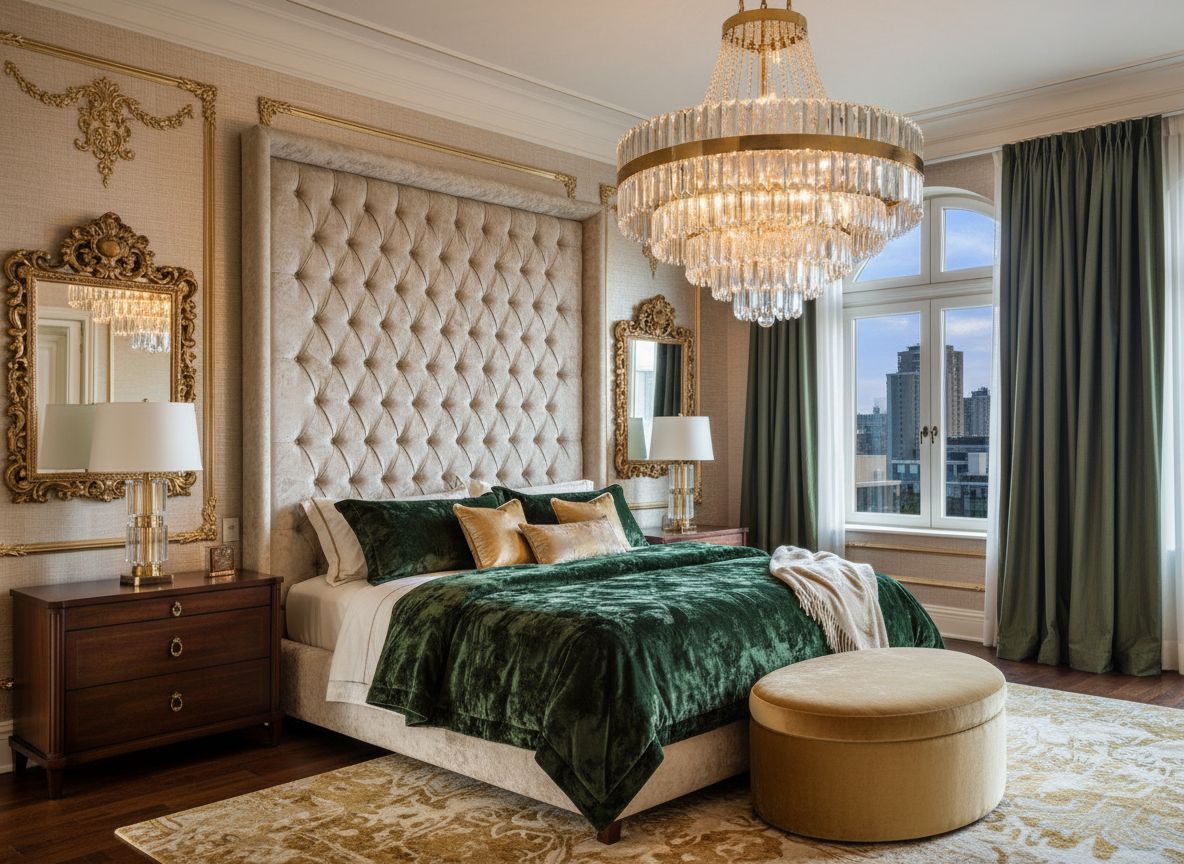
Traditional
Timeless elegance with ornate details and rich finishes. Crown molding, raised panels, and classic palettes for sophisticated spaces.
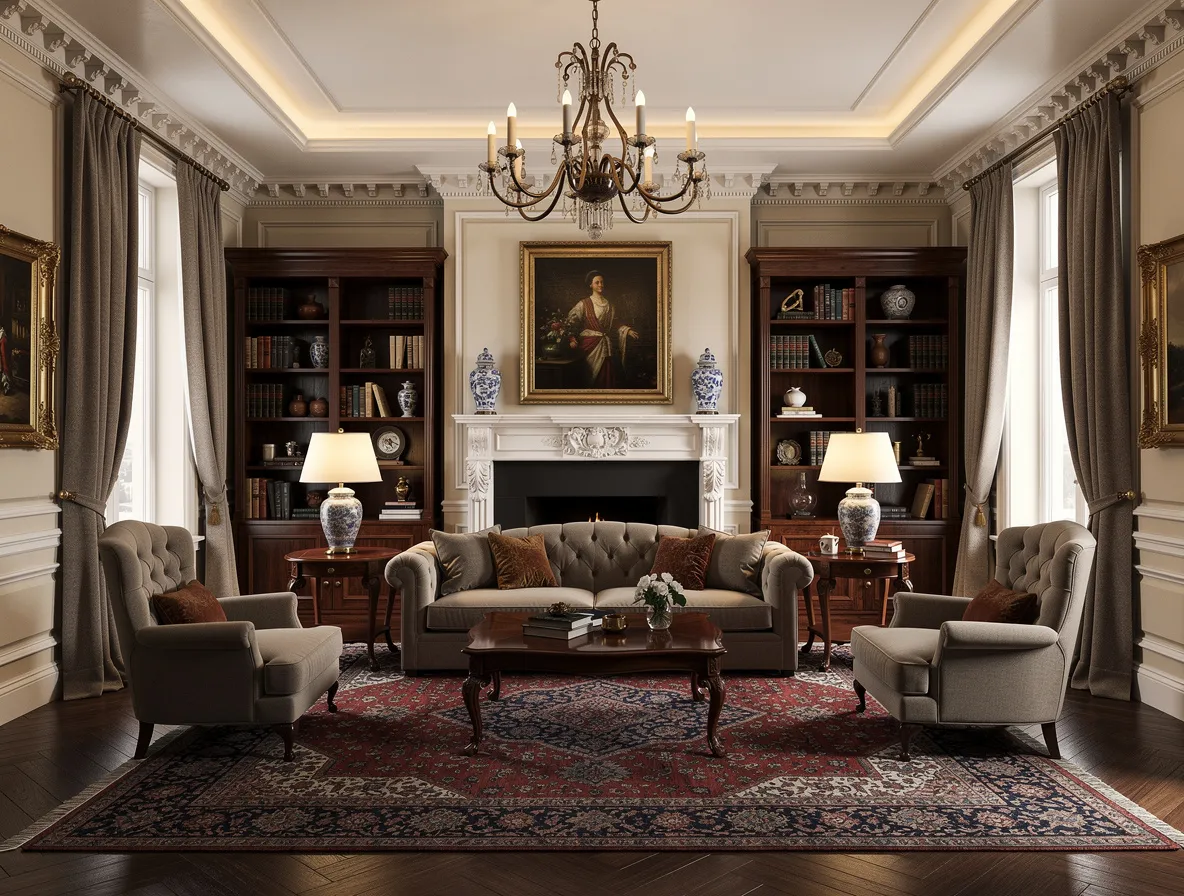
Classic
Elegant furnishings, balanced symmetry, and crown molding with rich wood tones create a look that never fades.
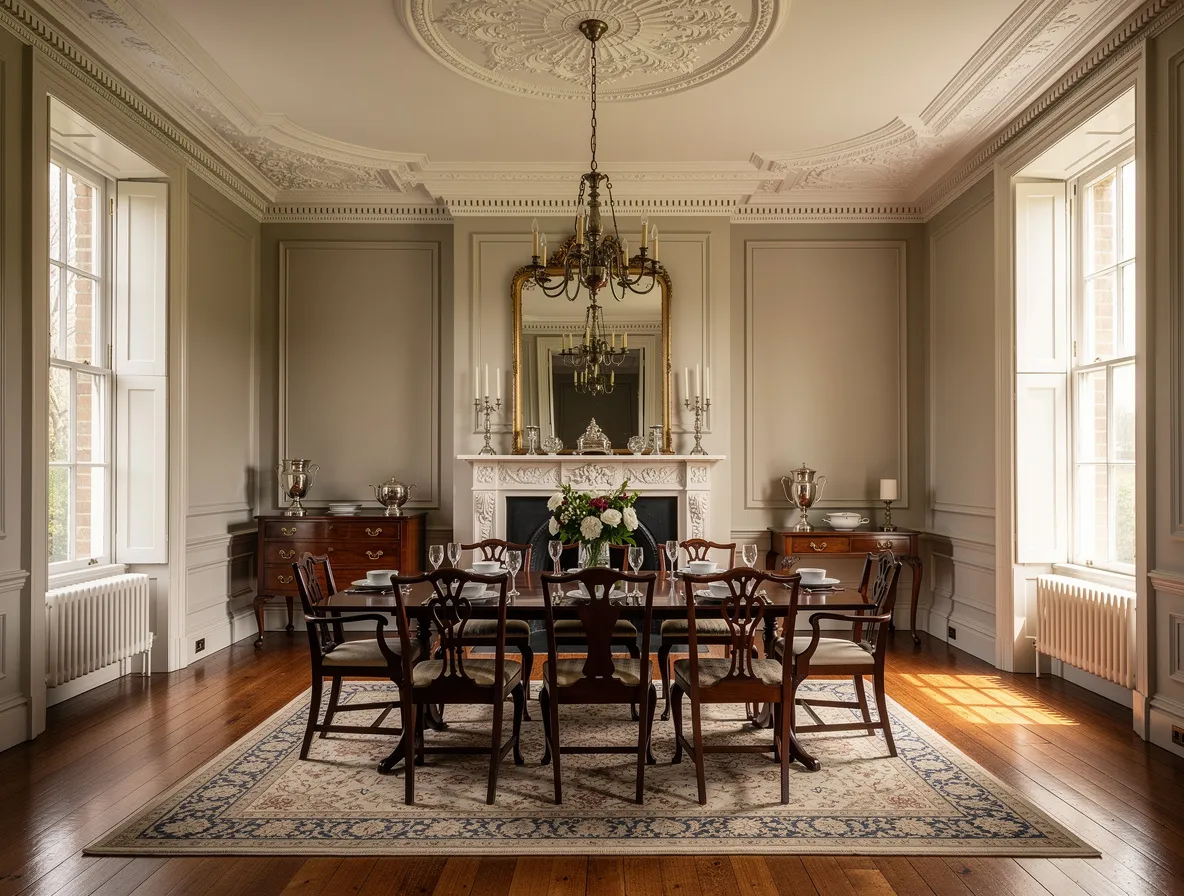
Georgian
Tall sash windows, ornate plasterwork, and marble fireplaces define this stately British architectural tradition.
Refined
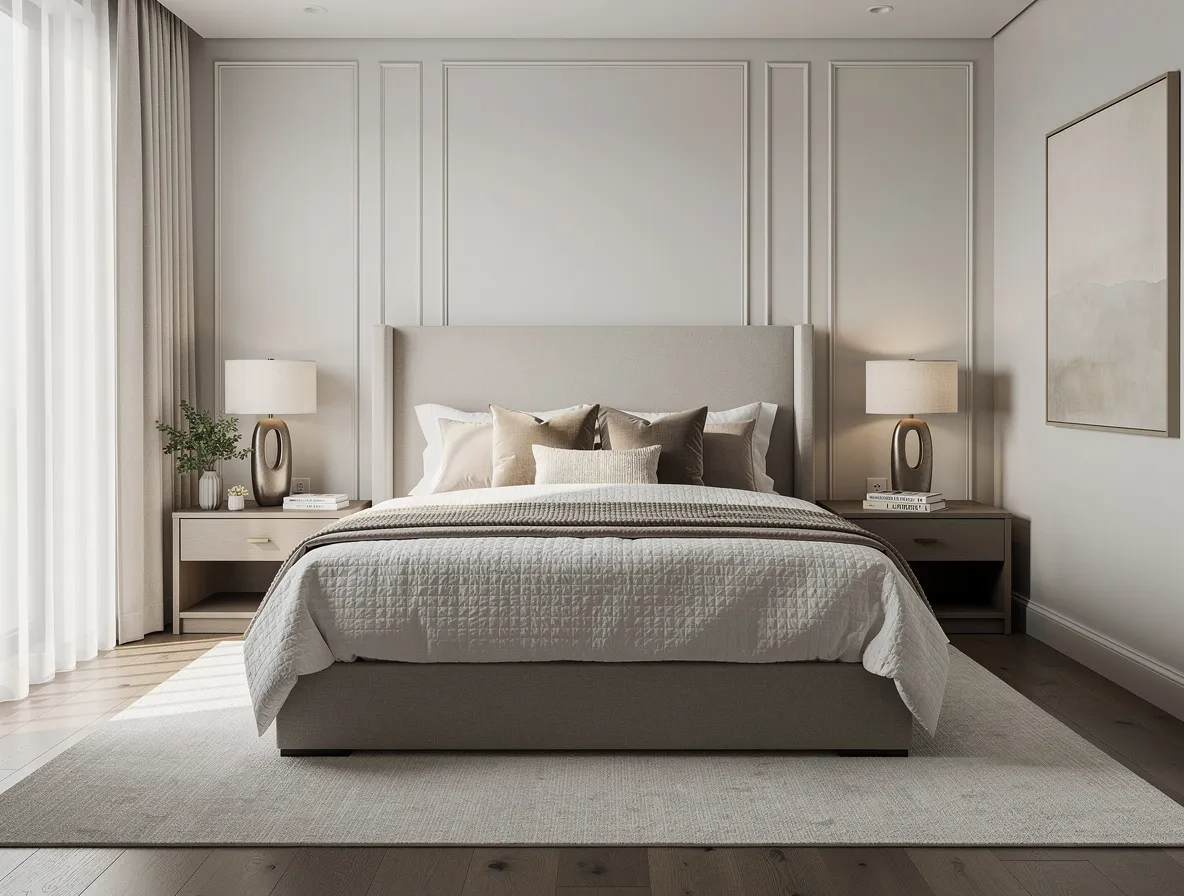
Quality linens, custom millwork, and understated luxury with exquisite attention to detail in every element.
Common Questions
Neo-Classic Design: FAQ
What defines neo-classical interior design?
Classical architectural elements (columns, pilasters, pediments, entablatures) applied to interior surfaces, symmetrical composition, restrained ornament in the Greco-Roman tradition, and a palette of stone, cream, and architectural white.
What is the difference between classical and neo-classical design?
Classical design refers to ancient Greek and Roman originals. Neo-classical (from roughly 1750 onwards) is a revival of classical principles in response to contemporary circumstances - usually as a reaction against excess or as an expression of democratic or rational values.
What colors are used in neo-classical interiors?
Stone cream and warm white as the dominant tones. Deep grays and warm taupes for contrast. Pompeian red, Pompeian blue, and deep ochre as accent colors inspired by archaeological discoveries at Herculaneum and Pompeii.
How do I add neo-classical elements to a modern home?
Add simple crown molding and panel molding to walls, use symmetrical furniture arrangements, introduce architectural quality columns or pilasters as room dividers, and choose fabrics in classical patterns - Greek key, laurel wreath, and simple stripe.
Ready to Transform Your Space?
Upload a photo and see it in neo-classic style - or any of our 80+ other styles - in seconds.