Traditional Design
Warm, layered, and richly detailed - traditional design draws on centuries of European and American decorating heritage to create homes of enduring elegance.
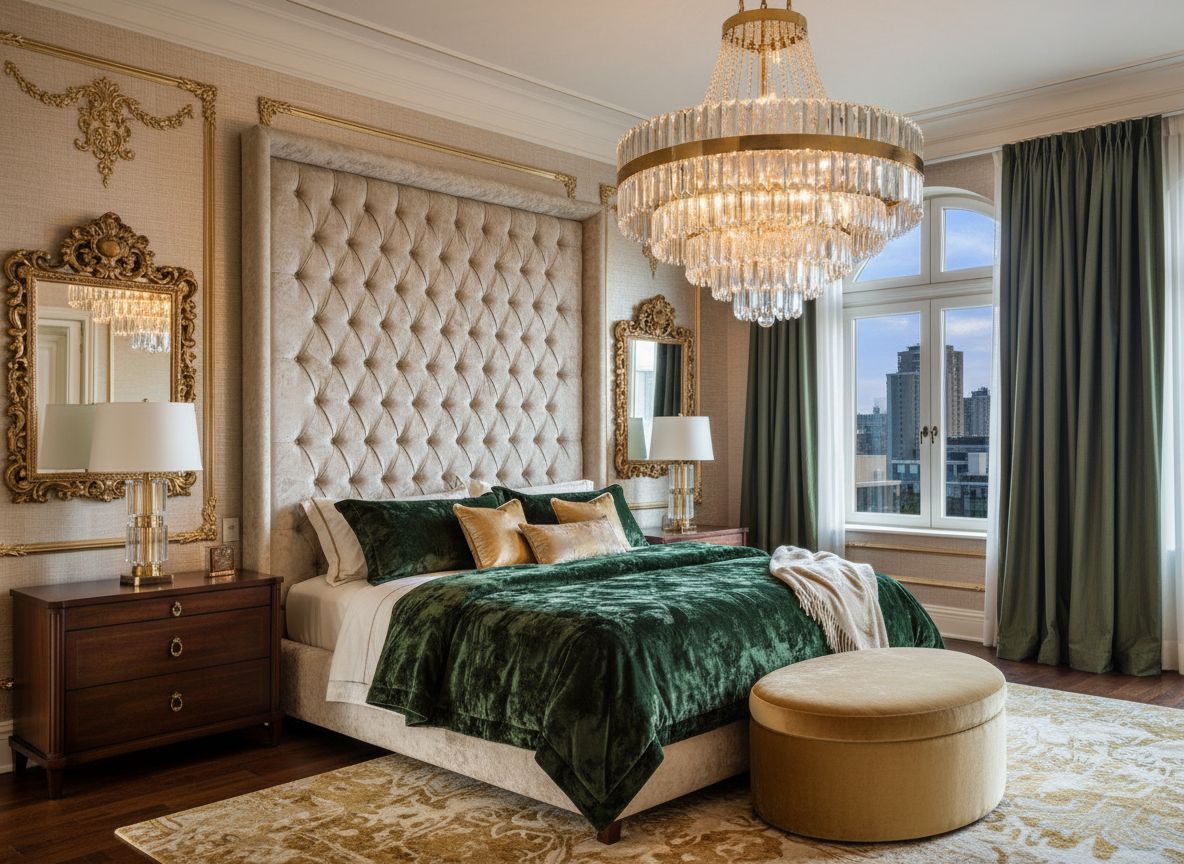
About the Style
What Is Traditional Design?
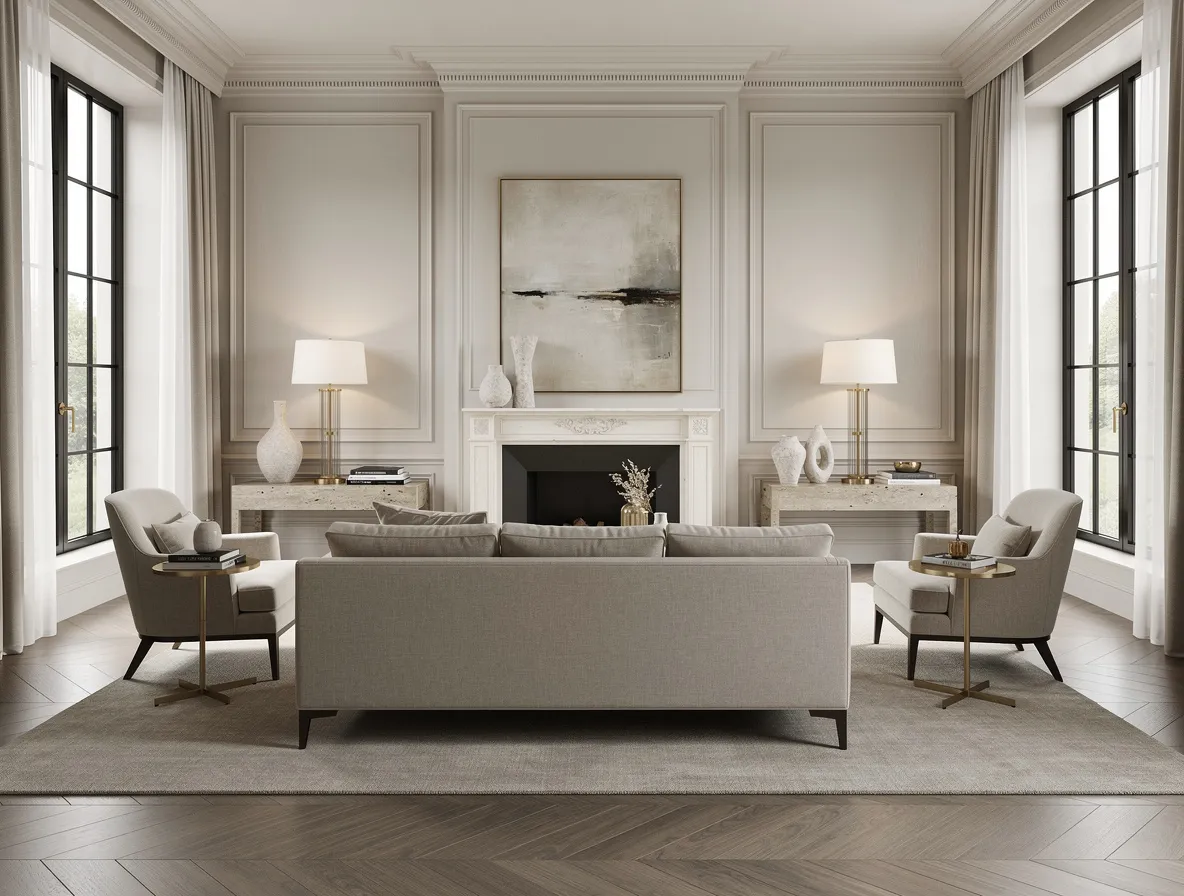
Traditional interior design is rooted in the decorating conventions of 18th and 19th century Europe, adapted into the classic American home aesthetic. Rich wood tones, upholstered furniture with rolled arms and carved legs, symmetrical arrangements, and layered textiles with pattern define the style. It values permanence, quality, and a sense of history - spaces feel curated over time rather than assembled at once.
Why People Love It
-
Rich history and depth that modern styles simply cannot replicate
-
Quality pieces last generations - a genuine investment in permanence
-
Warm, layered palette creates the most welcoming formal spaces
-
Pattern-on-pattern mixing rewards confident decorating decisions
Key Characteristics
-
Symmetrical furniture arrangement throughout
-
Rich mahogany, walnut, or cherry wood tones
-
Upholstered furniture with rolled arms and turned legs
-
Crown molding and wainscoting details
-
Layered patterned textiles - damask, toile, chintz
-
Formal dining spaces with coordinated suites
Color Palette
Materials
Ideal For
Room-by-Room
Traditional Design in Every Room
How traditional design translates across every space in your home
Living Room
Tufted Chesterfield sofa, wing-back chairs flanking a fireplace, a Persian rug, oil paintings in gilded frames, and silk damask curtains to the floor.
Kitchen
Raised-panel cabinetry in cream or forest green, brass bin-pull hardware, a ceramic farmhouse sink, and blue-and-white tile splashback.
Bedroom
Four-poster or canopy bed with fabric draping, embroidered bedding, a vanity with trifold mirror, matching side tables, and patterned wallpaper.
Bathroom
Pedestal sink with cross-handle faucets, wainscoting, framed mirror, brass towel bar, and black-and-white hex tile floor.
Exterior
Brick or painted clapboard with black or forest green shutters, a paneled front door with brass hardware, and symmetrical plantings flanking the entry.
Visualize It First
See Traditional Design in Your Space
Upload any photo and our AI transforms it into traditional style in seconds
Upload a photo
Any room, any angle. Interior or exterior - phone photo is fine.
Select "Traditional"
Choose this style from our library or describe it to the AI in plain language.
Get your design
Photorealistic result in seconds. Download in HD or 4K resolution.
Expert Advice
How to Achieve Traditional Design
Practical tips from designers who work with traditional style every day.
Anchor every room with a symmetrical arrangement - matching lamps, flanking chairs, or paired sconces either side of a focal point create traditional order.
Layer rugs, curtains, and upholstery in complementary patterns rather than matching them exactly - toile with plaid, damask with stripe.
Use crown molding, wainscoting, and ceiling medallions to add architectural detail to plain rooms - these are inexpensive but completely transformative.
Choose furniture with visible wood legs, carved details, and cabriole or tapered forms rather than modern straight-line alternatives.
Hang art gallery-style in a symmetrical arrangement - a single large piece or a balanced grouping with consistent gilded or mahogany frame finishes.
Design History
The Centuries of Style That Created Traditional Design
Traditional interior design is not a single style but a distillation of centuries of English, American, and European domestic design - a curated inheritance from Georgian elegance through Victorian abundance.
The Georgian Foundation
Georgian architecture and interiors established the baseline of traditional design: symmetry, proportion, restrained ornament, and quality craftsmanship. Cabinetmakers like Thomas Chippendale and George Hepplewhite created furniture forms - the wing chair, the sideboard, the four-poster bed - that remain traditional design staples today.
Victorian Abundance
The Victorian period pushed traditional design toward maximum richness - patterned wallpapers, layered textiles, collections of objects on every surface, and deeply upholstered furniture. While the most extreme Victorian excess has been edited away, its legacy in pattern-on-pattern combinations and rich color remains central to traditional interiors.
The American Colonial Revival
American traditional design developed its own vocabulary through the Colonial Revival movement - reproductions of early American furniture, formal parlors with symmetrically arranged pairs of chairs and lamps, and a preference for mahogany and cherry wood with brass hardware. This became the default language of American domestic formality.
The English Country House Model
Decorator Nancy Lancaster and the firm Colefax and Fowler established the English Country House look as the global benchmark for traditional design - faded chintz, antique rugs, family portraits, and an air of comfortable, slightly worn elegance. This 'lived-in luxury' became the aspirational version of traditional that persists today.
Style Pairings
Styles That Complement Traditional
Mix traditional with these styles for a layered, personal look.
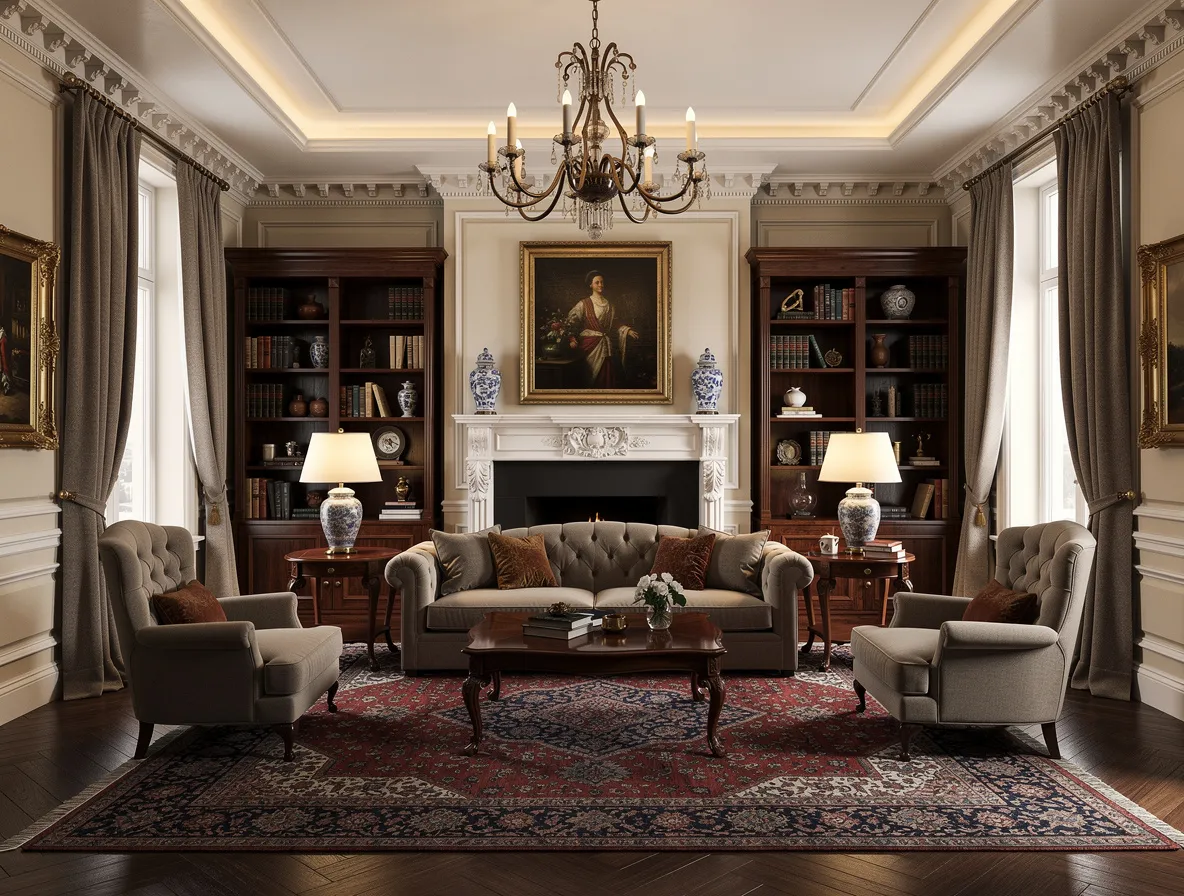
Classic
Elegant furnishings, balanced symmetry, and crown molding with rich wood tones create a look that never fades.
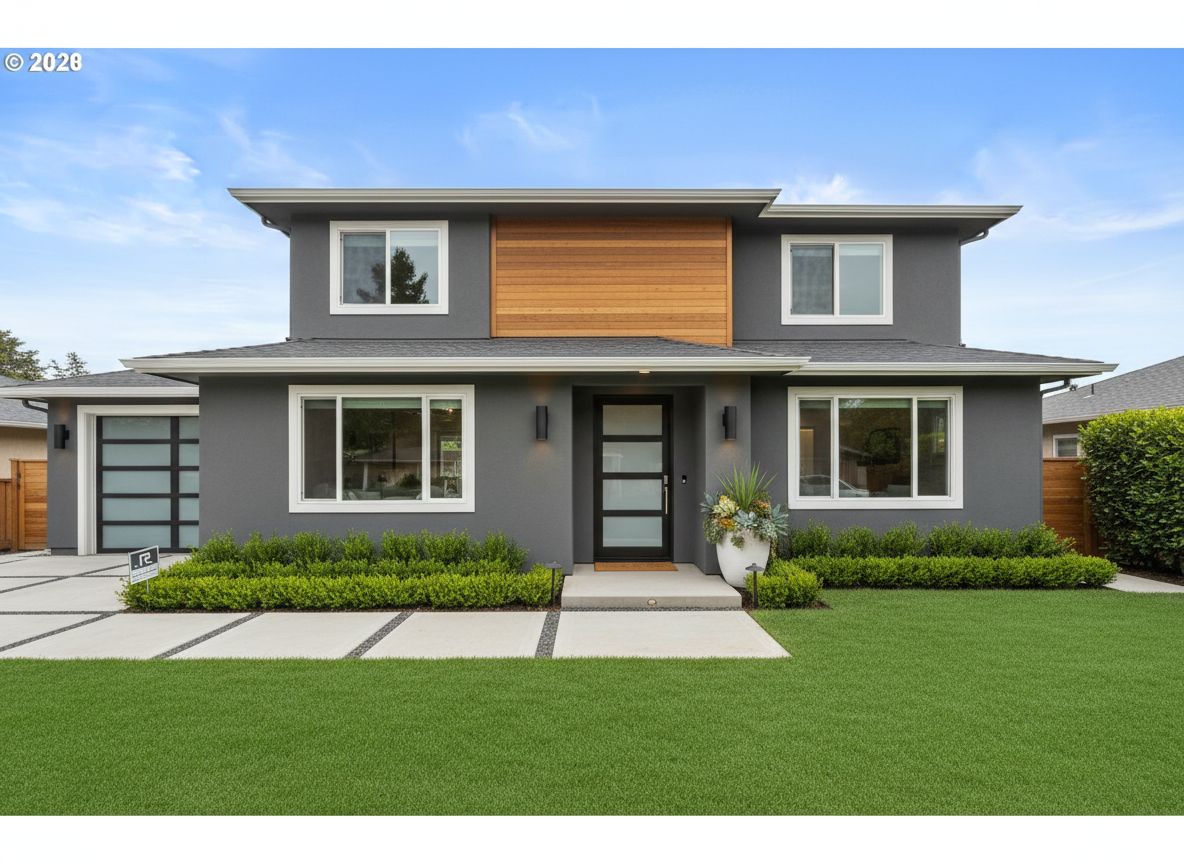
Colonial
Classic American architecture with symmetrical design, formal layouts, and stately details inspired by early American homes.
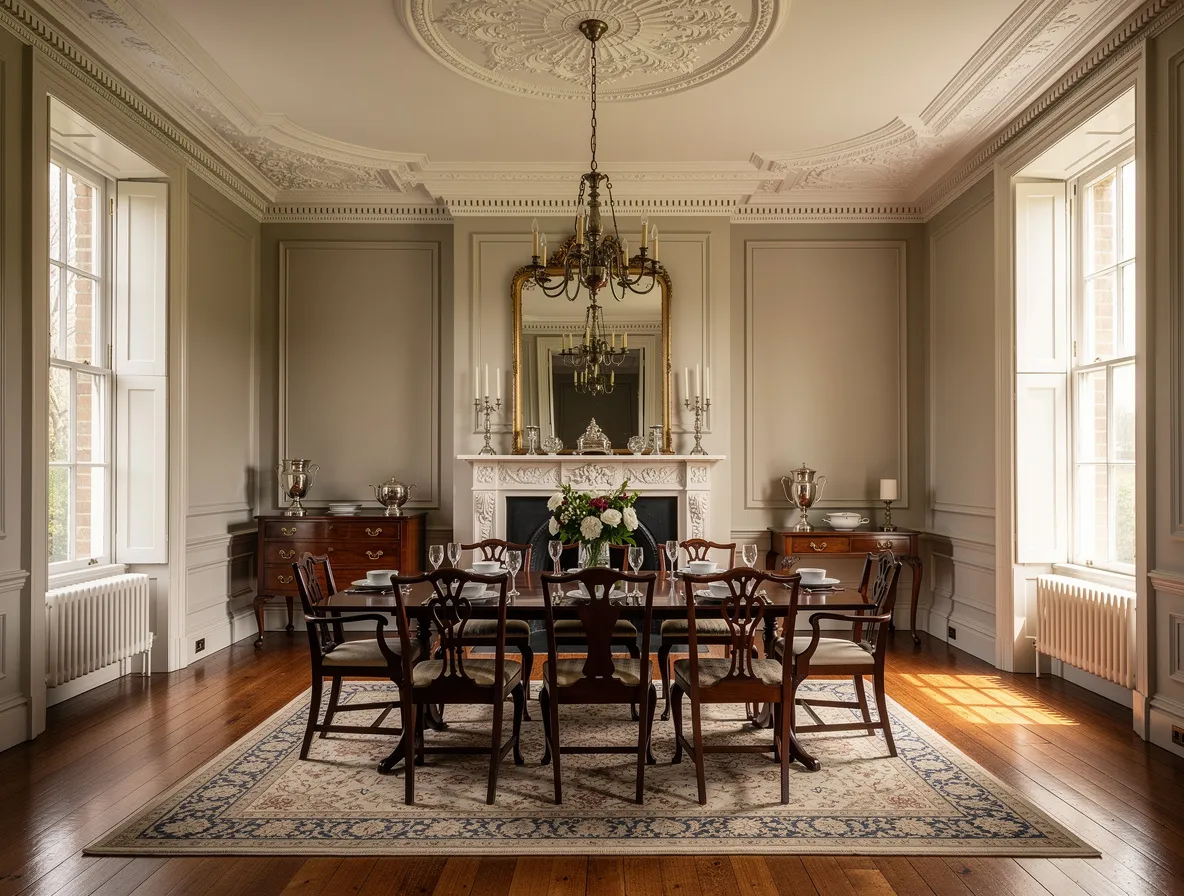
Georgian
Tall sash windows, ornate plasterwork, and marble fireplaces define this stately British architectural tradition.
Timeless
A seamless blend of classic and contemporary that transcends trends — quality materials and balanced proportions that always look right.
Common Questions
Traditional Design: FAQ
What is the difference between traditional and classic design?
Traditional is rooted in English and American domestic history - warm wood tones, upholstered furniture, symmetry. Classic design references European palace interiors - more formal, more gilded, more architectural ornament.
What wood types are most associated with traditional design?
Mahogany, cherry, walnut, and dark oak are the signature woods. Furniture typically features carved details, turned legs, and rich stained finishes rather than natural or painted wood.
Can traditional design work in a modern home?
Yes - updated traditional or transitional design blends traditional furniture and patterns with simpler, cleaner architecture. The key is editing: choose your strongest traditional pieces and pair them with neutral backgrounds.
What patterns are used in traditional interior design?
Floral chintz, damask, toile de Jouy, plaid and tartan, and classic stripe. These are typically used in upholstery, curtains, and cushions, often in combinations of two or three complementary patterns.
How do I update a traditional room without losing its character?
Repaint the walls in a fresh color - the antique white or cream of the 2000s can be replaced with a richer clay, forest green, or deep blue that feels both traditional and current. Keep the furniture, change the color story.
Ready to Transform Your Space?
Upload a photo and see it in traditional style - or any of our 80+ other styles - in seconds.