Colonial Design
American colonial design combines early settler practicality with 18th-century Georgian elegance, creating welcoming homes of balanced proportion and honest craft.
About the Style
What Is Colonial Design?
Colonial design reflects the aesthetic of early American homes from the 1600s through the Federal period of the early 1800s. Symmetrical facades, wide-plank wood floors, paneled wainscoting, Windsor chairs, and simple four-poster beds define the style. As it evolved through the Georgian and Federal periods, it incorporated finer details - dentil molding, Palladian windows, and Adam-style plasterwork - while retaining a fundamentally practical character.
Why People Love It
-
Deep American historical roots create a genuine sense of place and belonging
-
Symmetrical elegance works at any budget - it is about proportion, not price
-
Simple, honest materials age beautifully and develop character over decades
-
Transitional quality works as a foundation for many complementary styles
Key Characteristics
-
Wide-plank pine or oak floors
-
Paneled wainscoting and chair rails
-
Windsor or ladder-back chairs
-
Symmetrical room arrangements
-
Dentil crown molding
-
Four-poster beds with turned posts
Color Palette
Materials
Ideal For
Room-by-Room
Colonial Design in Every Room
How colonial design translates across every space in your home
Living Room
Windsor chairs around a central hearth, a camelback sofa in muted plaid or toile, wide-plank floors, and colonial-red painted walls with white wainscoting.
Kitchen
Simple painted wood cabinetry, a brick fireplace, exposed beams, open dresser for dishware, and a long harvest table as the centerpiece.
Bedroom
Tall four-poster bed in turned cherry or maple, a quilted bedspread, simple braided rug, and a Windsor rocker in the corner.
Bathroom
Painted wainscoting, pedestal sink, cross-handle fixtures, hex tile floor, and a simple mirror in a painted wood frame.
Exterior
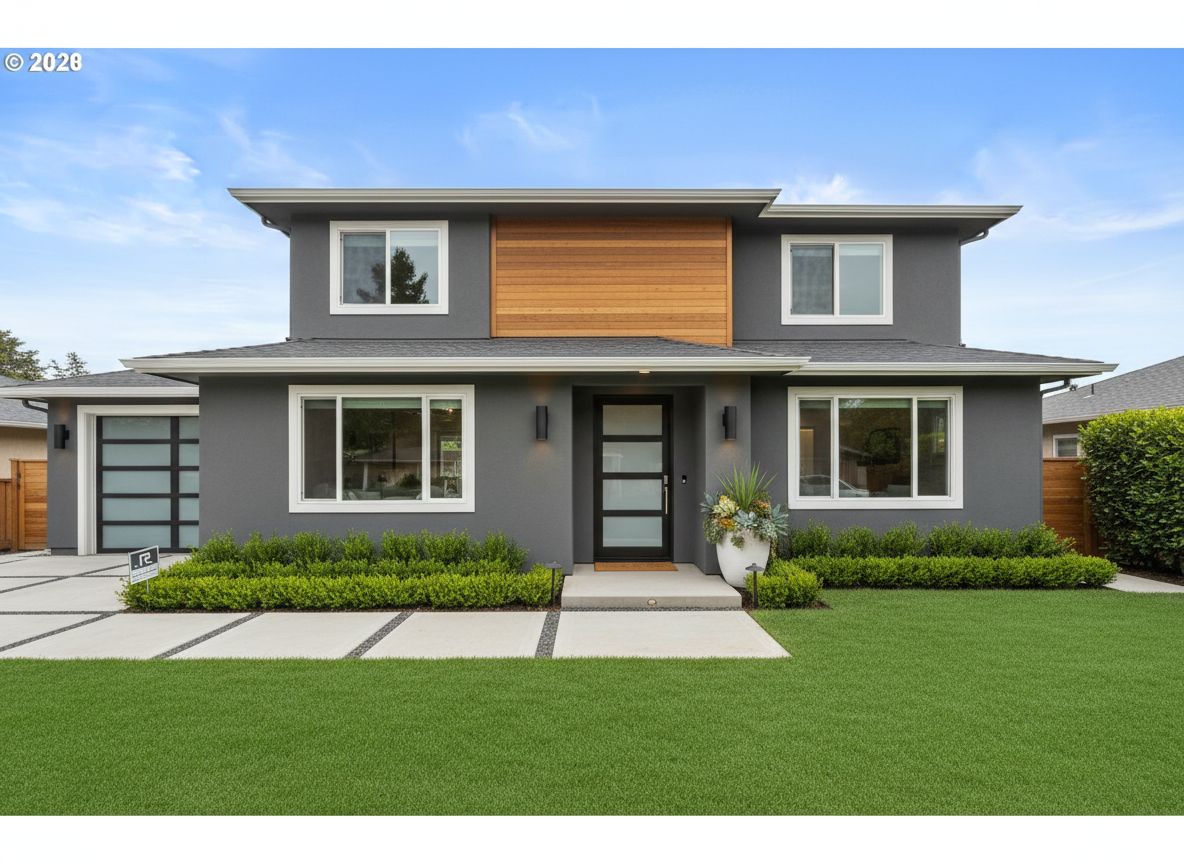
Symmetrical painted clapboard or brick facade, a central paneled door with a broken pediment surround, and flanking shutters in a period color.
Visualize It First
See Colonial Design in Your Space
Upload any photo and our AI transforms it into colonial style in seconds
Upload a photo
Any room, any angle. Interior or exterior - phone photo is fine.
Select "Colonial"
Choose this style from our library or describe it to the AI in plain language.
Get your design
Photorealistic result in seconds. Download in HD or 4K resolution.
Expert Advice
How to Achieve Colonial Design
Practical tips from designers who work with colonial style every day.
Paint walls in Williamsburg or Benjamin Moore Historical Collection colors - these are period-accurate and tested through real colonial home restoration.
Install or restore wide-plank floors (ideally pine with a natural oil finish) - the most authentic colonial floor treatment available.
Use simple hardware - cast iron, pewter, or black-painted wood rather than brass or chrome - for period-correct authenticity.
Hang period maps, botanical prints, or portraits in simple frames in a formal symmetrical arrangement on the main stair or dining room wall.
Add a proper hearth fireplace surround with a paneled overmantel - the fireplace was the colonial centerpiece and should dominate the room.
Design History
How Colonial America Invented Its Own Design Language
American Colonial design was not a copy of English style - it was a pragmatic reinvention, shaped by the materials available, the skills of immigrant craftsmen, and the demands of a new climate.
Survival First, Beauty Second
The earliest colonial interiors were entirely utilitarian - timber-framed structures with small windows (glass was expensive), a central fireplace that provided heat and cooking, and rough-hewn furniture made from locally available wood. Floors were packed earth or wide plank boards. Decoration was minimal and functional.
Prosperity and the Georgian Influence
As trade wealth grew, wealthier colonists began building in the Georgian style arriving from England - symmetrical facades, central hallways with matching rooms on each side, and formal parlors. Williamsburg, Virginia became the model colonial city, its carefully proportioned buildings setting the standard for Colonial Revival design centuries later.
The Colonial Revival
America's centennial celebrations triggered a nostalgia for colonial heritage. Architects began studying and reproducing original colonial buildings, creating the Colonial Revival style that remained the dominant American domestic architecture through the mid-20th century. This is the 'colonial' most people actually have in mind when they decorate.
Williamsburg Restored and Reopened
John D. Rockefeller Jr. funded the restoration of Colonial Williamsburg, creating a living museum that became a reference point for American traditional interior design. The Williamsburg color palette - deep blues, greens, russets, and ochres - became the definitive Colonial color standard.
Style Pairings
Styles That Complement Colonial
Mix colonial with these styles for a layered, personal look.
Traditional
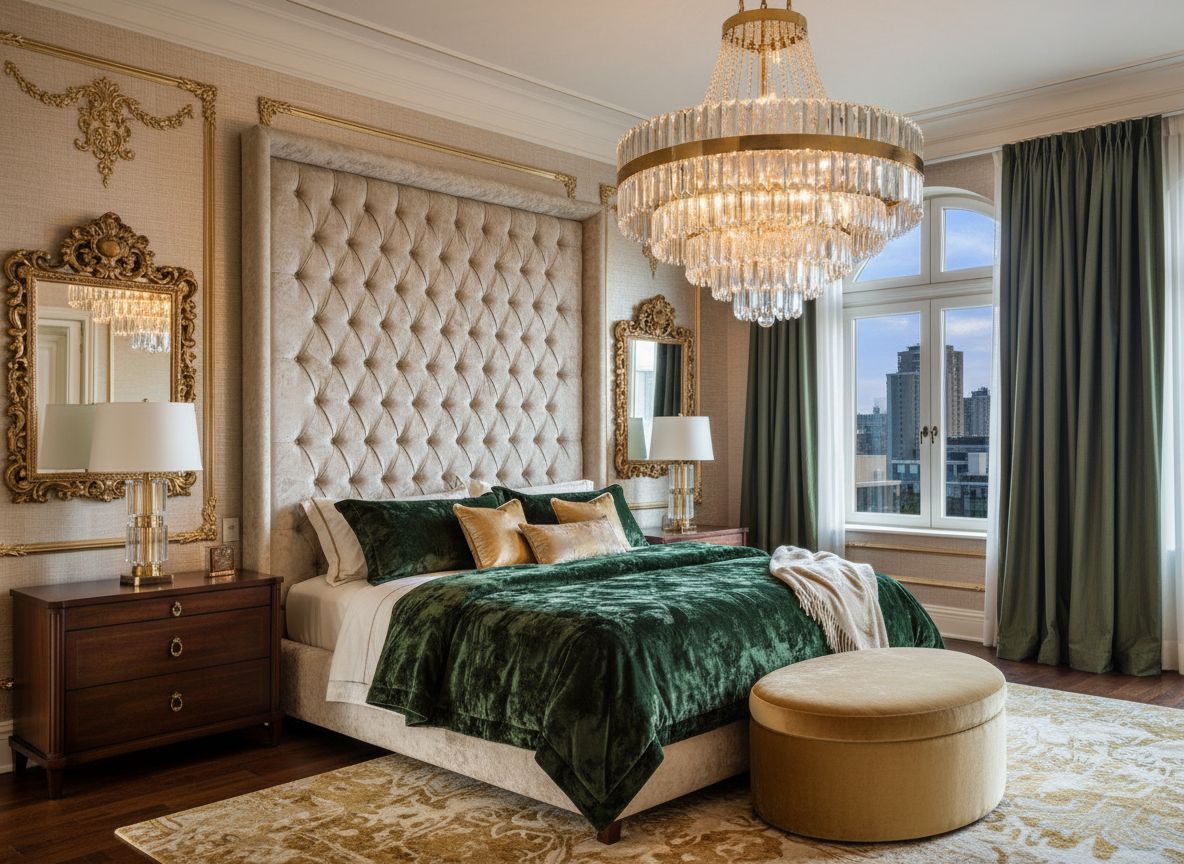
Timeless elegance with ornate details and rich finishes. Crown molding, raised panels, and classic palettes for sophisticated spaces.
Classic
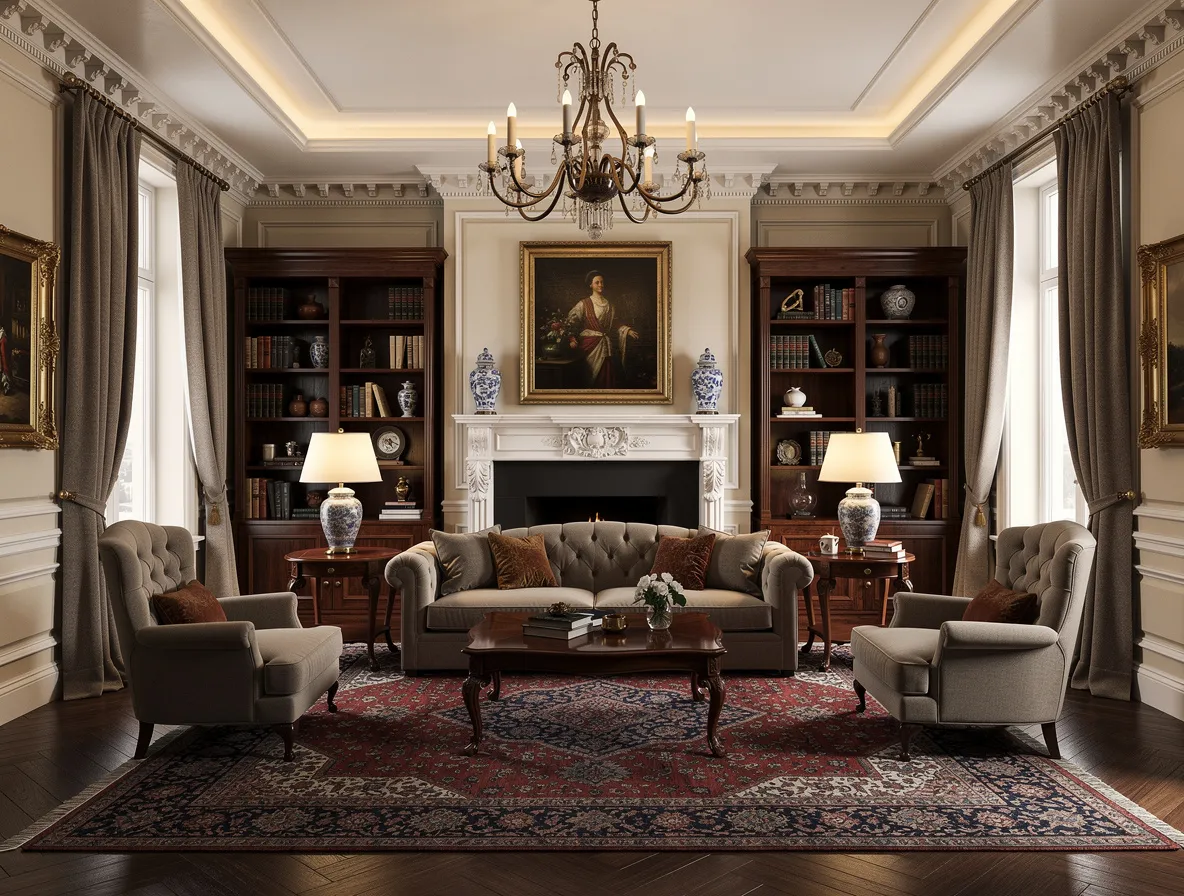
Elegant furnishings, balanced symmetry, and crown molding with rich wood tones create a look that never fades.
Georgian
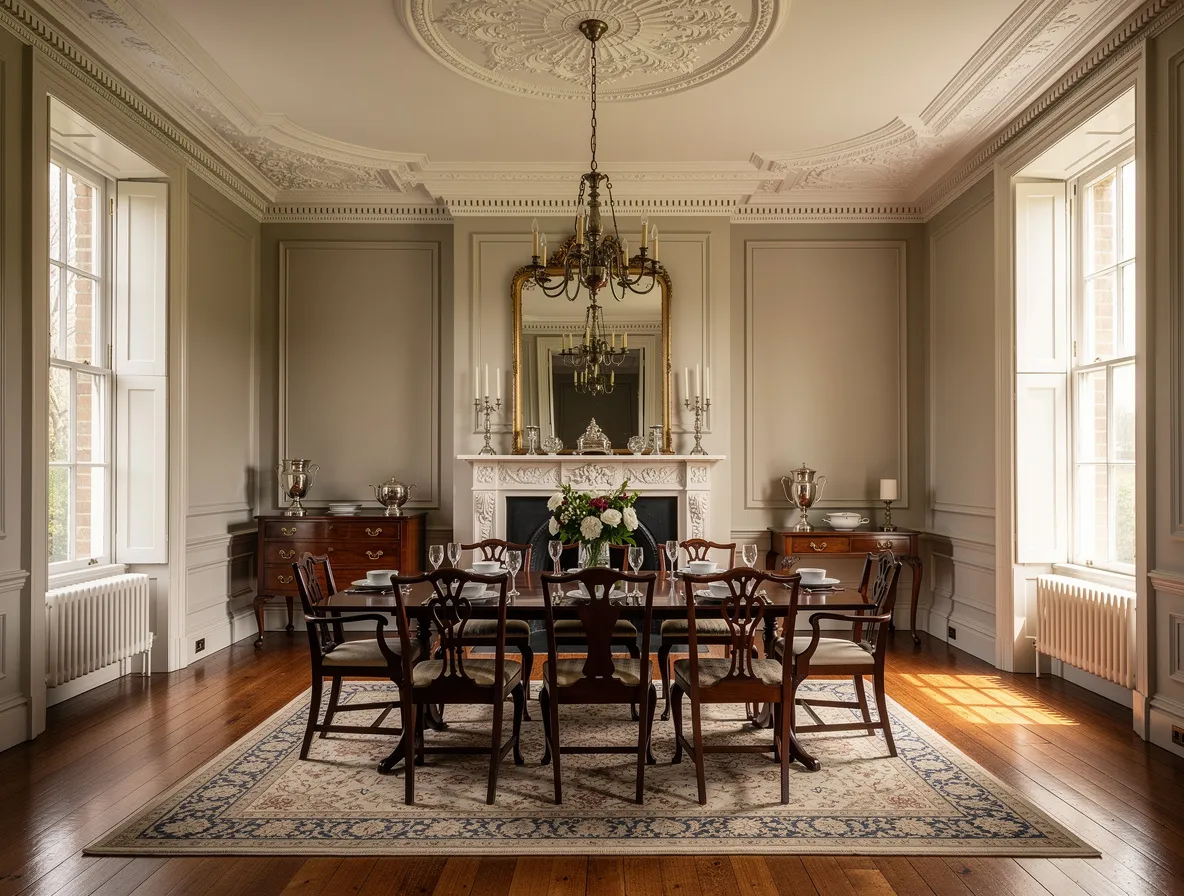
Tall sash windows, ornate plasterwork, and marble fireplaces define this stately British architectural tradition.
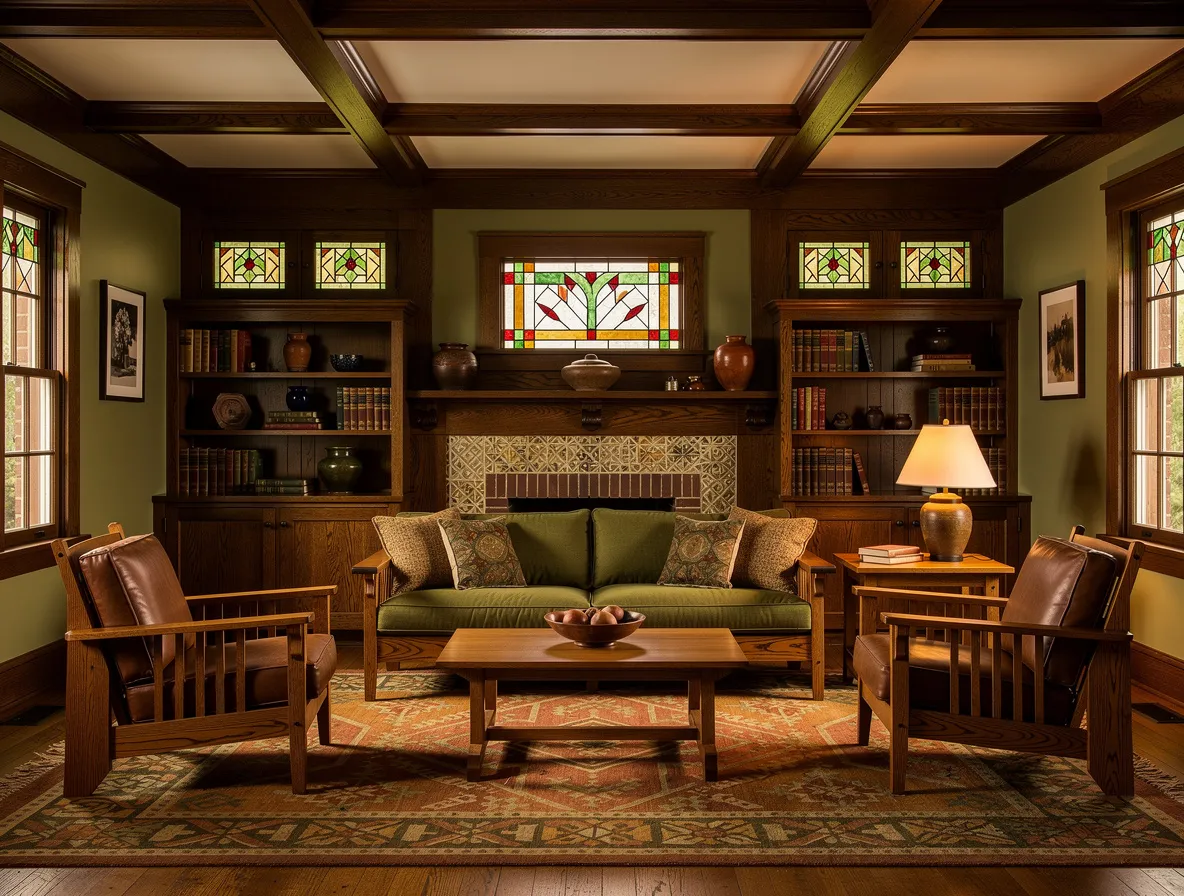
Craftsman
Built-in bookcases, rich wood trim, and stained glass accents celebrate the arts-and-crafts movement's legacy.
Common Questions
Colonial Design: FAQ
What defines Colonial interior design?
Symmetry, wide plank wood floors, paneled walls, simple crown molding, and a restrained but rich color palette. Furniture is typically early American or Queen Anne style with clean lines and minimal ornamentation.
What colors are associated with Colonial design?
Deep historic colors inspired by the Williamsburg palette - navy blue, hunter green, deep red, mustard yellow, and off-white. Walls are often a single strong color paired with white woodwork.
Can Colonial design work in a new-build home?
Yes - the key is architectural details. Adding wainscoting, simple panel molding, and wide plank flooring creates Colonial character even in a house built yesterday.
What is the difference between Colonial and Colonial Revival?
Original Colonial design (1600s-1770s) was functional and modest. Colonial Revival (1876 onwards) is a romanticised, more polished version - architecturally Georgian with American patriotic associations.
Ready to Transform Your Space?
Upload a photo and see it in colonial style - or any of our 80+ other styles - in seconds.