Tuscan Design
Cypress trees, rolling hills, ancient stone farmhouses, and the warm ochre light of Italy define Tuscan style - earthy, generous, and profoundly beautiful.
About the Style
What Is Tuscan Design?
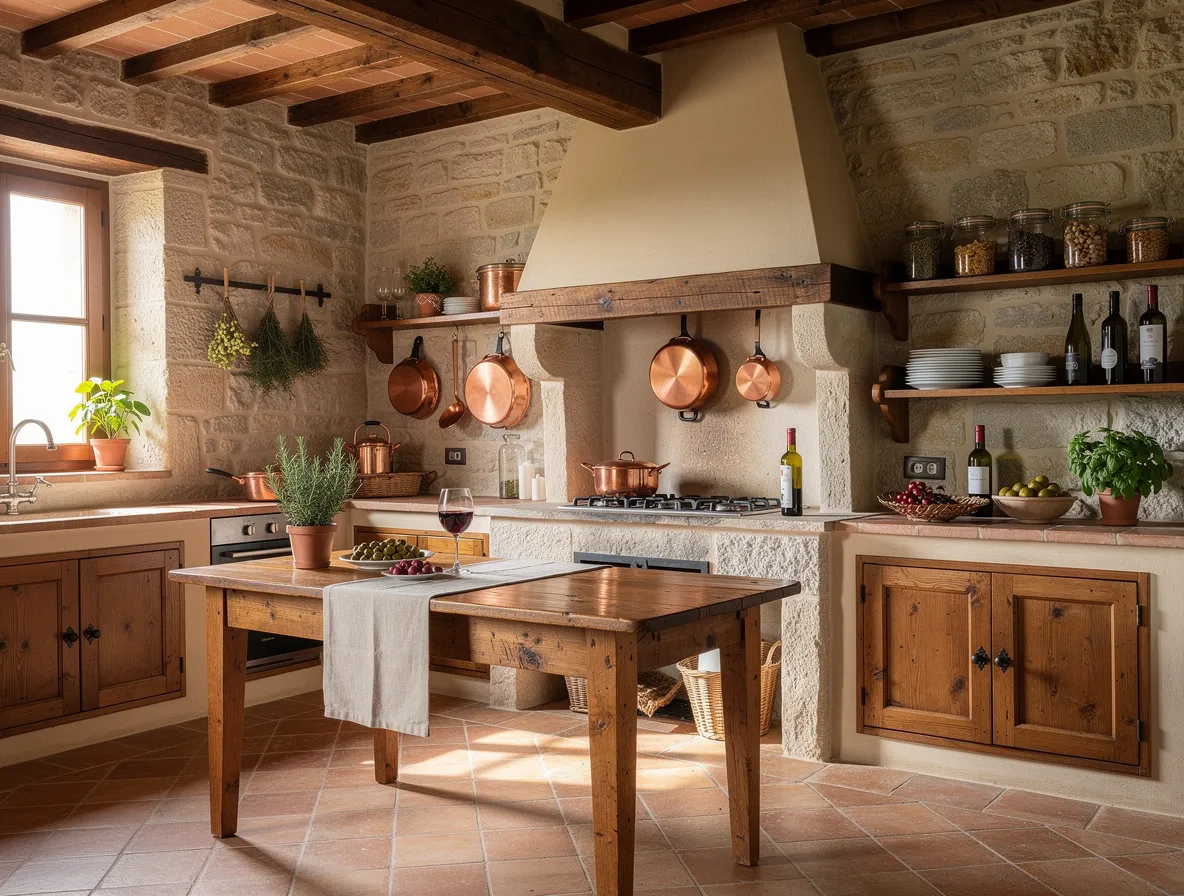
Tuscan interior design is rooted in the rural architecture of the Italian countryside - the thick-walled stone farmhouses (casali) and hilltop villages of Chianti, Siena, and Arezzo. Warm ochre, sienna, and terracotta earth tones, exposed stone walls, terracotta tile floors, rustic timber beams, hand-crafted ceramics, and a generous table at the center of the home define the Tuscan aesthetic. It is the domestic expression of dolce vita.
Why People Love It
-
The warmest and most humanly generous of all design traditions
-
Earth tones in pigment plaster age beautifully over decades
-
Terracotta tile floors develop a patina with age that becomes more beautiful
-
Hospitality is built into the design - the central table is the whole point
Key Characteristics
-
Warm ochre, sienna, and terracotta earth-tone walls
-
Exposed stone walls or dressed stonework
-
Terracotta tile floors with natural imperfection
-
Rough-hewn timber ceiling beams
-
Hand-thrown ceramic accessories
-
A generous central table for family dining
Color Palette
Materials
Ideal For
Room-by-Room
Tuscan Design in Every Room
How tuscan design translates across every space in your home
Living Room
Exposed stone fireplace, terracotta tile floor, a thick plaster wall in warm ochre, iron chandelier, dark timber beams, and a worn leather sofa.
Kitchen
Terracotta tile floor, stone walls or pigment plaster in sienna, a massive central timber table, open shelving with Deruta ceramics, and a cast iron range.
Bedroom
Wrought iron bed frame, terracotta tile floor with a kilim rug, pigment plaster walls in terracotta, timber beams, and simple cotton bedding.
Bathroom
Terracotta or stone tile floor, Venetian plaster walls, a stone or ceramic basin, wrought iron fixtures, and a wooden-framed mirror.
Exterior
Natural stone or pigment-stucco walls in ochre or sienna, terracotta roof tiles, cypress trees, a stone-paved loggia, and a kitchen garden.
Visualize It First
See Tuscan Design in Your Space
Upload any photo and our AI transforms it into tuscan style in seconds
Upload a photo
Any room, any angle. Interior or exterior - phone photo is fine.
Select "Tuscan"
Choose this style from our library or describe it to the AI in plain language.
Get your design
Photorealistic result in seconds. Download in HD or 4K resolution.
Expert Advice
How to Achieve Tuscan Design
Practical tips from designers who work with tuscan style every day.
Apply pigment-tinted limewash or Italian mineral plaster in warm sienna, ochre, or terracotta to walls - never paint, which looks flat and cheap.
Expose or install stone walls wherever possible - even a single exposed stone chimney breast transforms the entire room character.
Choose antique terracotta floor tiles from salvage suppliers - old terracotta develops an irreplaceable depth and patina that new tiles lack.
Invest in a large, heavy timber dining table as the centerpiece of the kitchen or dining room - in Tuscany, the table is the architecture.
Collect hand-thrown local ceramics from Deruta or San Gimignano - a shelf of distinctive Italian pottery is the fastest route to Tuscan character.
Signature Materials
The Materials That Make Tuscany's Interiors Unique
Tuscan design is inseparable from the geology and agriculture of its region. Its signature materials are not stylistic choices - they are the natural outputs of a specific landscape.
Terracotta - Fired Tuscan Earth
Terracotta floor tiles from Impruneta (a town south of Florence) are considered the world's finest - denser and more durable than ordinary terracotta because of the specific clay composition of the Impruneta hills. They have been used in Florentine buildings since the 13th century. Authentic Impruneta terracotta develops a patina over decades of use that cannot be replicated by new tile.
Pietra Serena - The Gray Stone of Florence
Pietra serena (serene stone) is a fine-grained blue-gray sandstone quarried in the Fiesole hills above Florence. Brunelleschi and Michelangelo both used it for architectural details in their most important buildings. Its gray color against white plaster creates the characteristic cool Florentine palette. It is still quarried and used in authentic Tuscan interior architecture today.
Travertine - The Roman-Tuscan Connection
Travertine limestone, quarried near Tivoli east of Rome, was used by the ancient Romans for major structures (the Colosseum is largely travertine) and remains a Tuscan and Italian favorite for floor and wall surfaces. Its warm cream color with natural void-patterning is irreproducible by any manufactured material - every slab is unique.
Rough Plaster - The Intonaco Tradition
Intonaco - the final coat of Italian lime plaster - is applied by skilled plasterers with a rough-textured float to create the uneven, slightly three-dimensional wall surface typical of Tuscan interiors. Unlike smooth gypsum plaster, intonaco absorbs and reflects light unevenly, creating the soft warmth that is impossible to replicate with paint alone. Restoring original Tuscan plaster is now considered more valuable than covering it.
Style Pairings
Styles That Complement Tuscan
Mix tuscan with these styles for a layered, personal look.
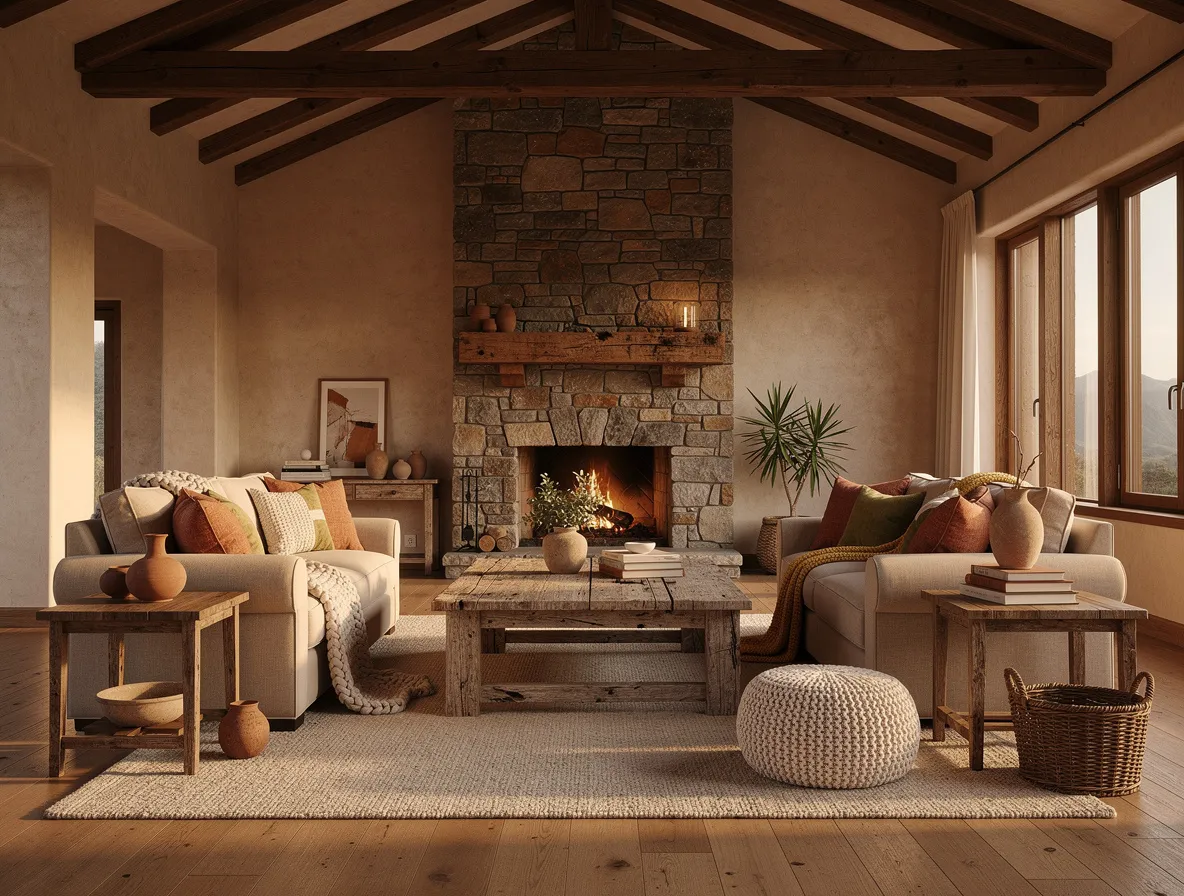
Rustic
Exposed wooden beams, stone fireplaces, and reclaimed wood furniture bring raw, organic beauty to every room.
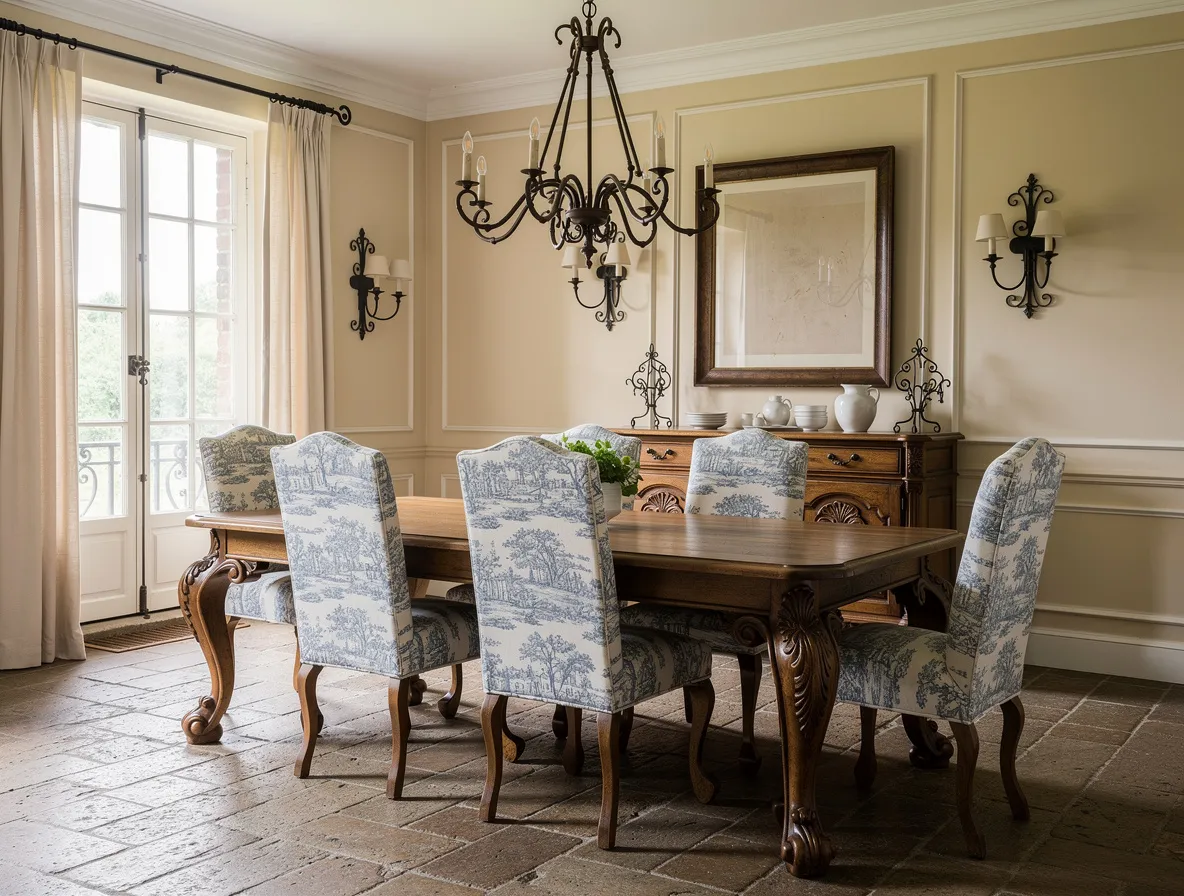
Provincial
French provincial elegance with carved wood furniture, toile fabric, and soft cream walls for rustic sophistication.
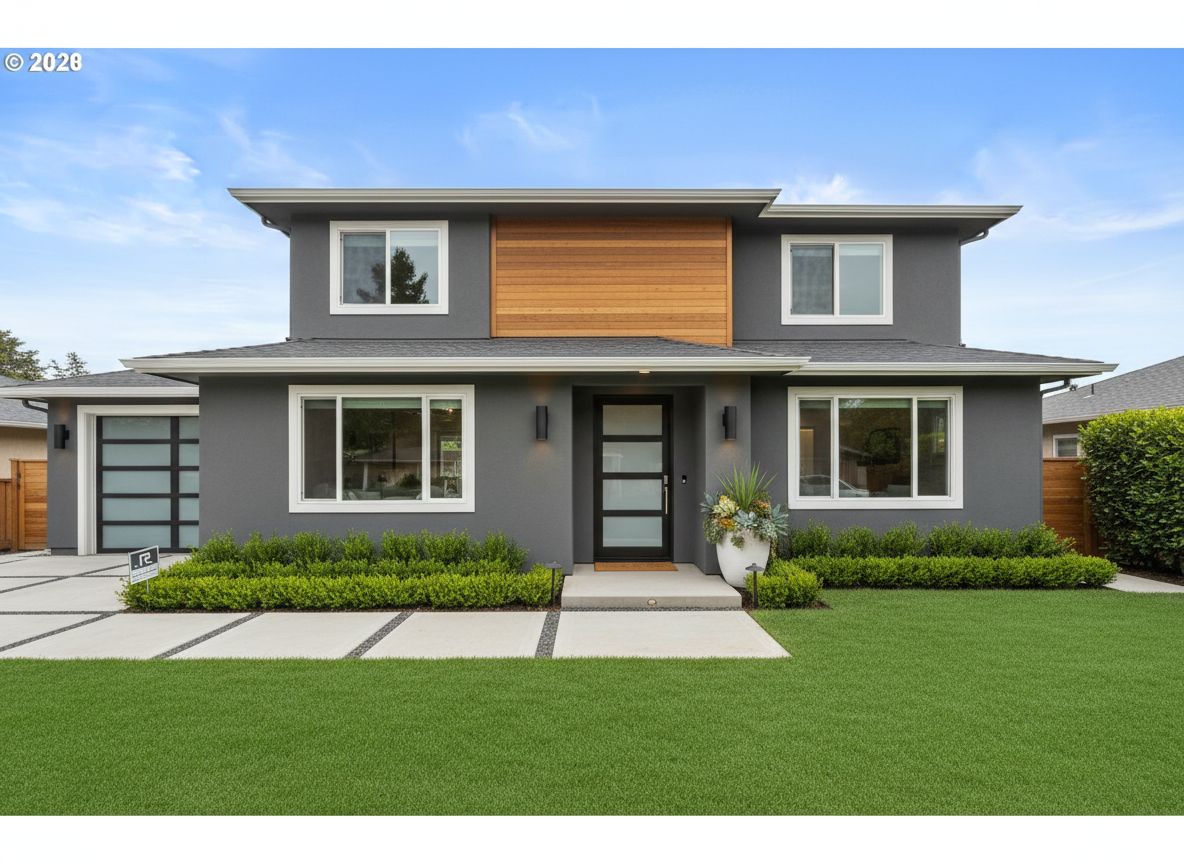
Mediterranean
Sun-drenched warmth inspired by coastal European villas. Terracotta, arches, and rich earth tones throughout.
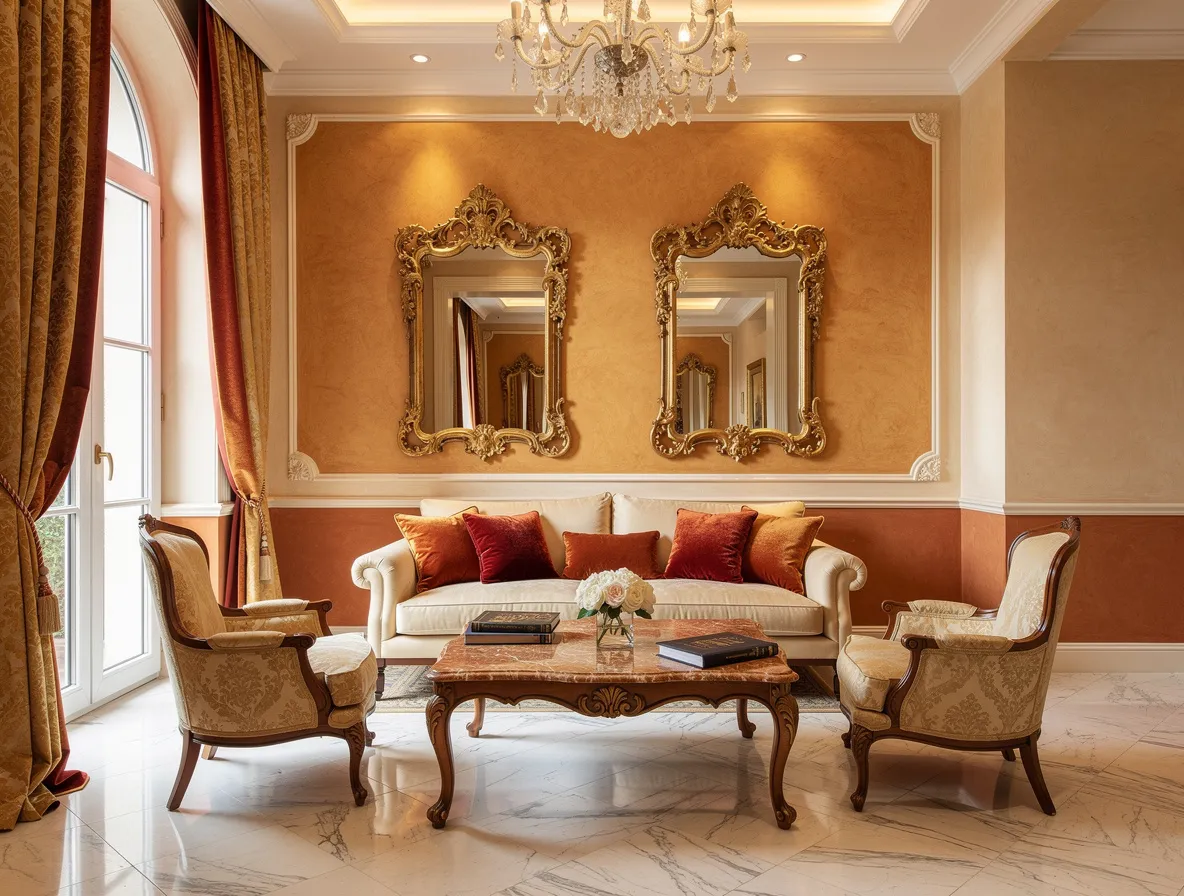
Italian
Marble floors, Venetian plaster, and ornate mirrors create luxurious spaces with warm Mediterranean soul.
Common Questions
Tuscan Design: FAQ
What defines Tuscan interior design?
Terracotta tile floors, rough plaster walls in warm ochre or natural tones, exposed stone or brick, heavy wooden beams, wrought iron fixtures, and a warm, aged color palette of sienna, ochre, and olive green.
What colors are associated with Tuscan design?
Warm siennas, burnt ochre, golden yellow, olive green, terracotta red, and warm stone cream. The palette is derived directly from the colors of the Tuscan landscape - vineyard, stone farmhouse, and harvest sky.
Can I achieve Tuscan style without a villa?
Yes - terracotta floor tiles, warm ochre or sienna wall paint, and a few key pieces (a rough-hewn wooden table, wrought iron candleholders, a terracotta pot) establish the Tuscan atmosphere in any space.
What is the difference between Tuscan and Mediterranean design?
Tuscan is a specific regional subset of Mediterranean - heavier, warmer, and more olive-toned. Mediterranean is broader, encompassing Greek, Spanish, and Moroccan influences that tend to be lighter, bluer, and more tile-patterned.
Ready to Transform Your Space?
Upload a photo and see it in tuscan style - or any of our 80+ other styles - in seconds.