Mediterranean Design
Warm sun, terracotta, mosaic tiles, and arched doorways bring the timeless elegance of the Mediterranean basin into every room.
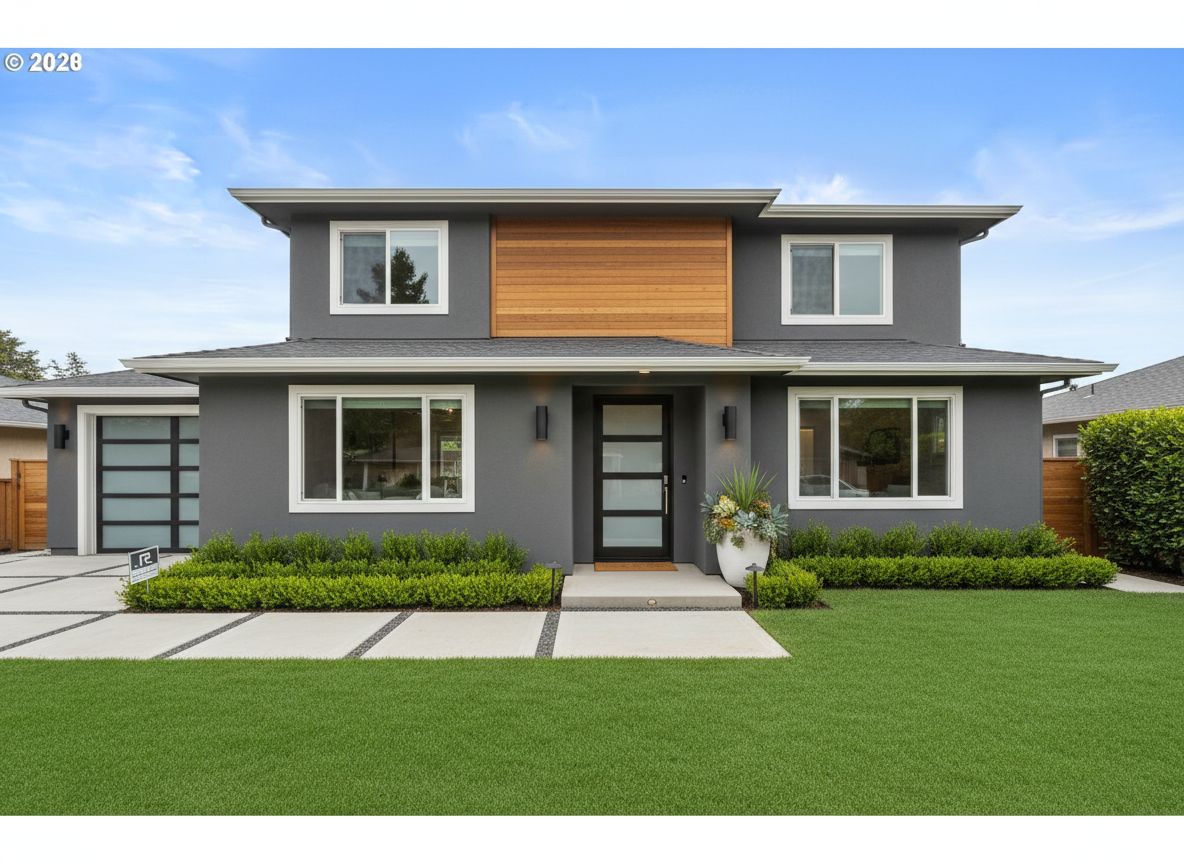
About the Style
What Is Mediterranean Design?
Mediterranean design draws from the shared visual language of Spain, Italy, Greece, and North Africa - the architecture of sun-warmed climates where indoor and outdoor spaces flow together freely. Thick stucco walls, terracotta tile floors, hand-painted ceramic tiles, arched openings, wrought iron details, and a warm earth-tone palette define the style. It is sensory, generous, and timeless.
Why People Love It
-
Arched openings and terracotta floors create unmatched architectural warmth
-
Indoor-outdoor flow through courtyards and terraces is a daily lifestyle luxury
-
Hand-painted tiles are unique - no two are identical
-
The palette of sun, earth, and sea is universally beautiful and calming
Key Characteristics
-
Arched doorways and windows
-
Terracotta or hand-painted ceramic tile floors
-
Stucco or Venetian plaster walls
-
Wrought iron balustrades and hardware
-
Hand-painted decorative tile accents
-
Indoor-outdoor flow through courtyard or terrace
Color Palette
Materials
Ideal For
Room-by-Room
Mediterranean Design in Every Room
How mediterranean design translates across every space in your home
Living Room
Arched openings, terracotta tile floor, white stucco walls, wrought iron chandelier, mosaic accent table, and terracotta pots with olive trees.
Kitchen
Hand-painted decorative tile splashback, terracotta floor, a stone or concrete island, wrought iron hardware, and open shelving with ceramics.
Bedroom
White-washed walls, terracotta tile or wooden floor, iron bed frame, embroidered linen bedding, and a tiled inset niche for the headboard.
Bathroom
Full hand-painted tile walls or floor, a freestanding stone or ceramic tub, wrought iron fixtures, and an arched mirror.
Exterior
White stucco or ochre plaster walls, terracotta roof tiles, arched entry, a courtyard with a central fountain, and bougainvillea on every wall.
Visualize It First
See Mediterranean Design in Your Space
Upload any photo and our AI transforms it into mediterranean style in seconds
Upload a photo
Any room, any angle. Interior or exterior - phone photo is fine.
Select "Mediterranean"
Choose this style from our library or describe it to the AI in plain language.
Get your design
Photorealistic result in seconds. Download in HD or 4K resolution.
Expert Advice
How to Achieve Mediterranean Design
Practical tips from designers who work with mediterranean style every day.
Install terracotta or hand-painted cement tile on floors throughout - these are the most important single investment in Mediterranean character.
Create an arched opening somewhere in the home - between kitchen and dining, or as a niche - even a non-structural painted arch reads architecturally.
Use stucco or limewash plaster on walls rather than smooth paint - the texture catches light and adds genuine depth to walls.
Install a central courtyard fountain or an exterior terrace with a pergola covered in climbing jasmine or bougainvillea.
Collect hand-painted ceramic tiles from Spanish or Portuguese artisans and use them as a splashback feature - even 20 tiles create a focal point.
The Science
Why Mediterranean Homes Are Where People Live the Longest
The Mediterranean design environment is not just beautiful - it may be literally good for your health. The five Blue Zone communities (areas of exceptional longevity) include three Mediterranean ones.
Light, Shade, and Circadian Rhythms
Mediterranean architecture uses thick walls, deep window reveals, and internal courtyards to create a specific pattern of light - bright outdoors, shaded indoors. This creates clear circadian cues that regulate sleep cycles. Research on circadian biology shows that dramatic light-dark cycling (rather than constant artificial indoor light) is strongly associated with better sleep, mood, and metabolic health.
The Courtyard as Social Medicine
Blue Zone researcher Dan Buettner identified social connection as one of the most powerful predictors of longevity. The Mediterranean courtyard - the walled garden at the center of a home, shared by an extended family or neighbors - is a designed space for daily social interaction. The architecture literally enforces the social behavior that protects health.
Natural Ventilation and Air Quality
Mediterranean homes use cross-ventilation through deep window openings, high ceilings, and the thermal mass of stone walls to cool interiors without mechanical air conditioning. Research on indoor air quality consistently shows that naturally ventilated spaces have significantly lower concentrations of pollutants and pathogens than mechanically conditioned ones.
The Thermal Mass Effect
Stone and terracotta walls absorb heat during the day and release it at night, maintaining stable indoor temperatures in climates with hot days and cool nights. This passive thermal regulation reduces physiological stress on the body - the immune system and hormonal regulation work more efficiently when body temperature is stable.
Style Pairings
Styles That Complement Mediterranean
Mix mediterranean with these styles for a layered, personal look.
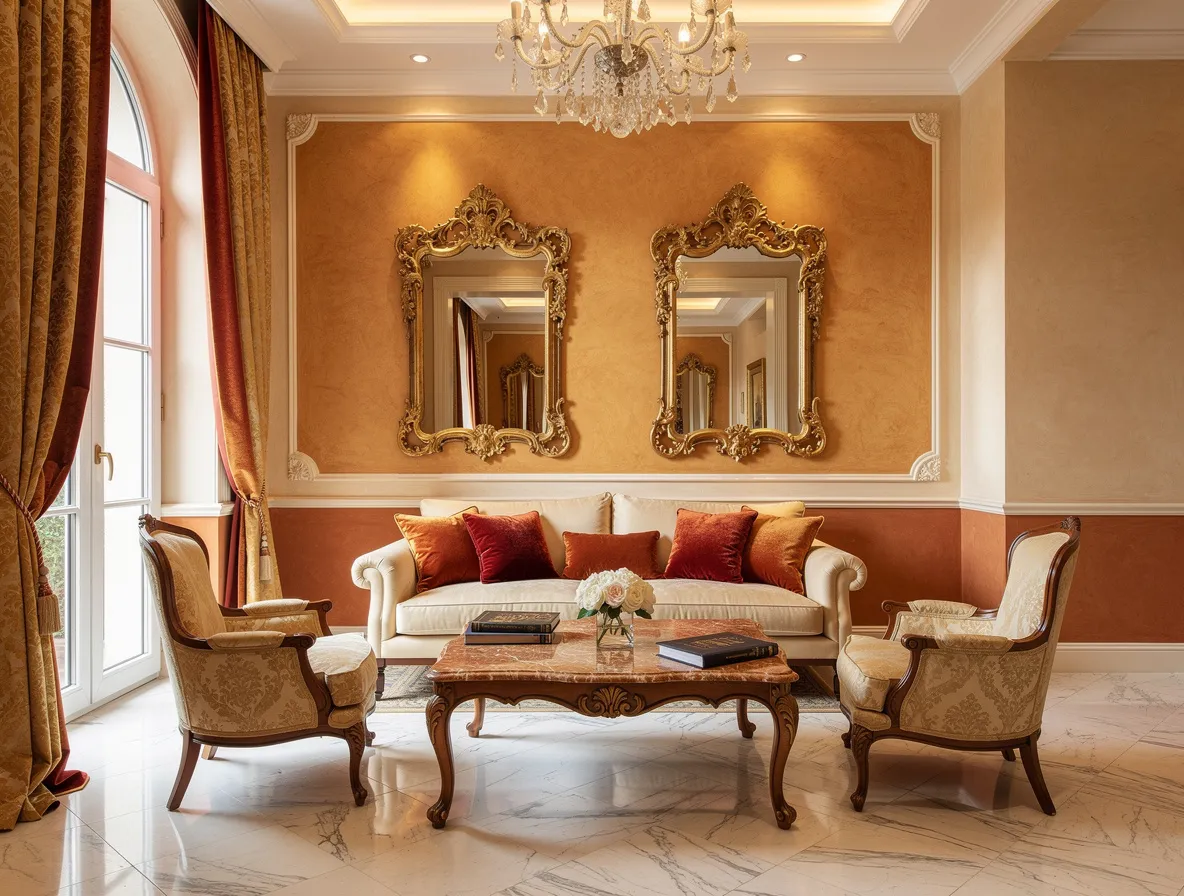
Italian
Marble floors, Venetian plaster, and ornate mirrors create luxurious spaces with warm Mediterranean soul.
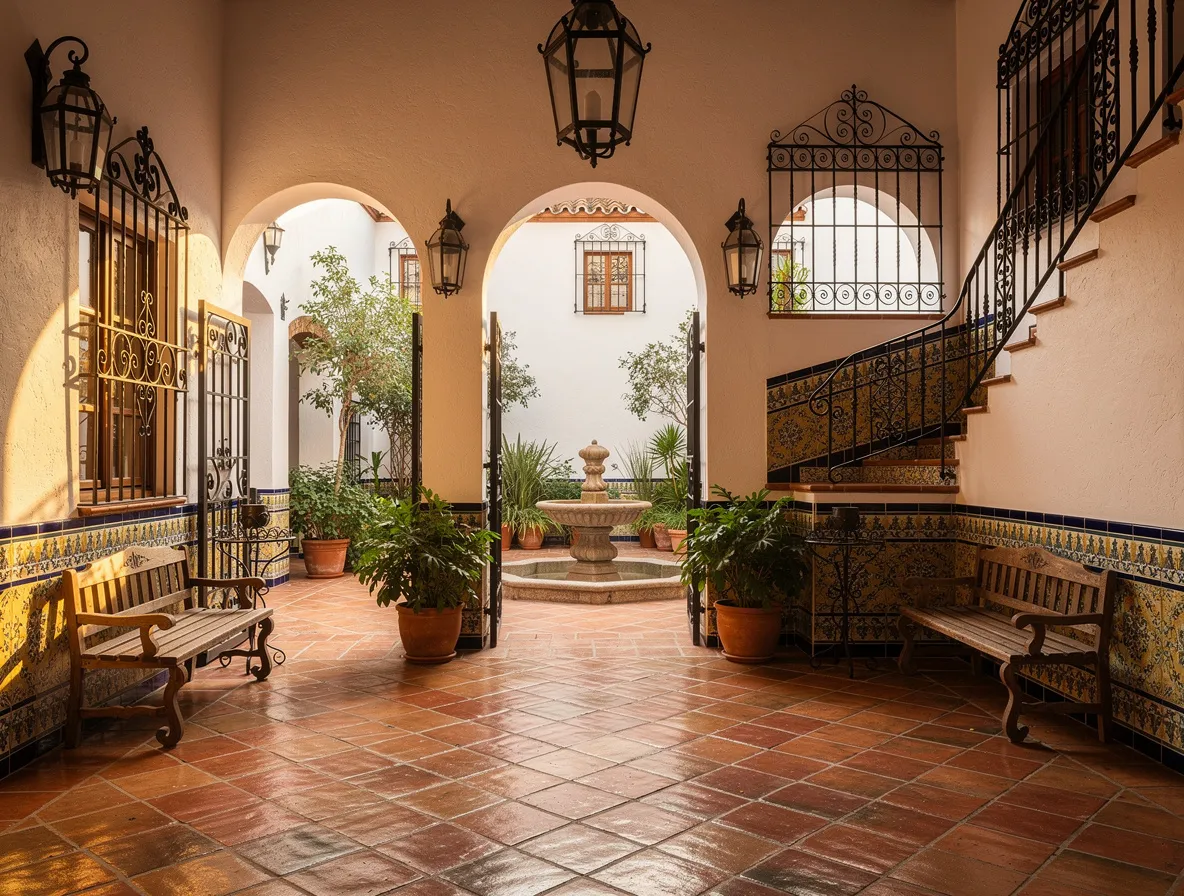
Spanish
Terracotta tiles, wrought iron, arched doorways, and colorful ceramic tiles celebrate Spanish colonial warmth.
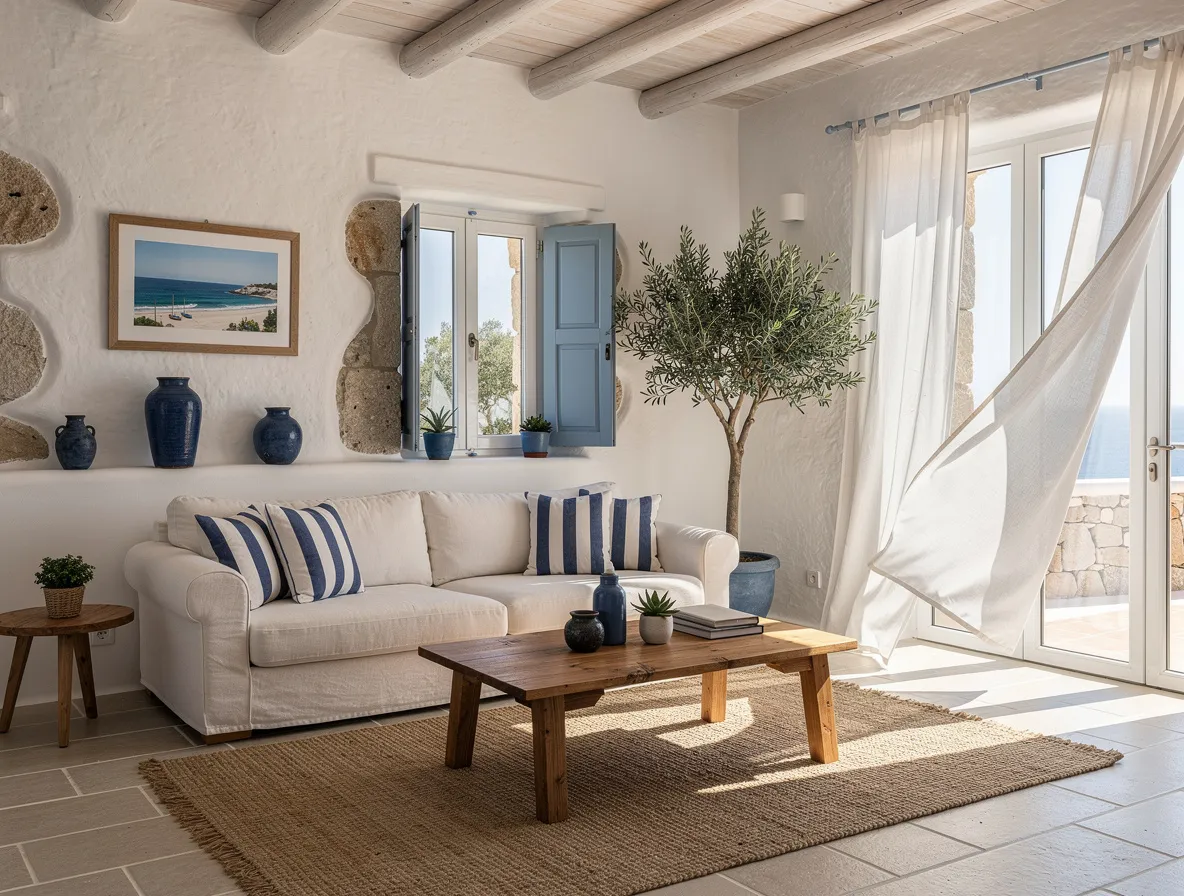
Greek
Whitewashed walls, blue accents, and flowing linen curtains capture the bright, breezy spirit of the Greek islands.
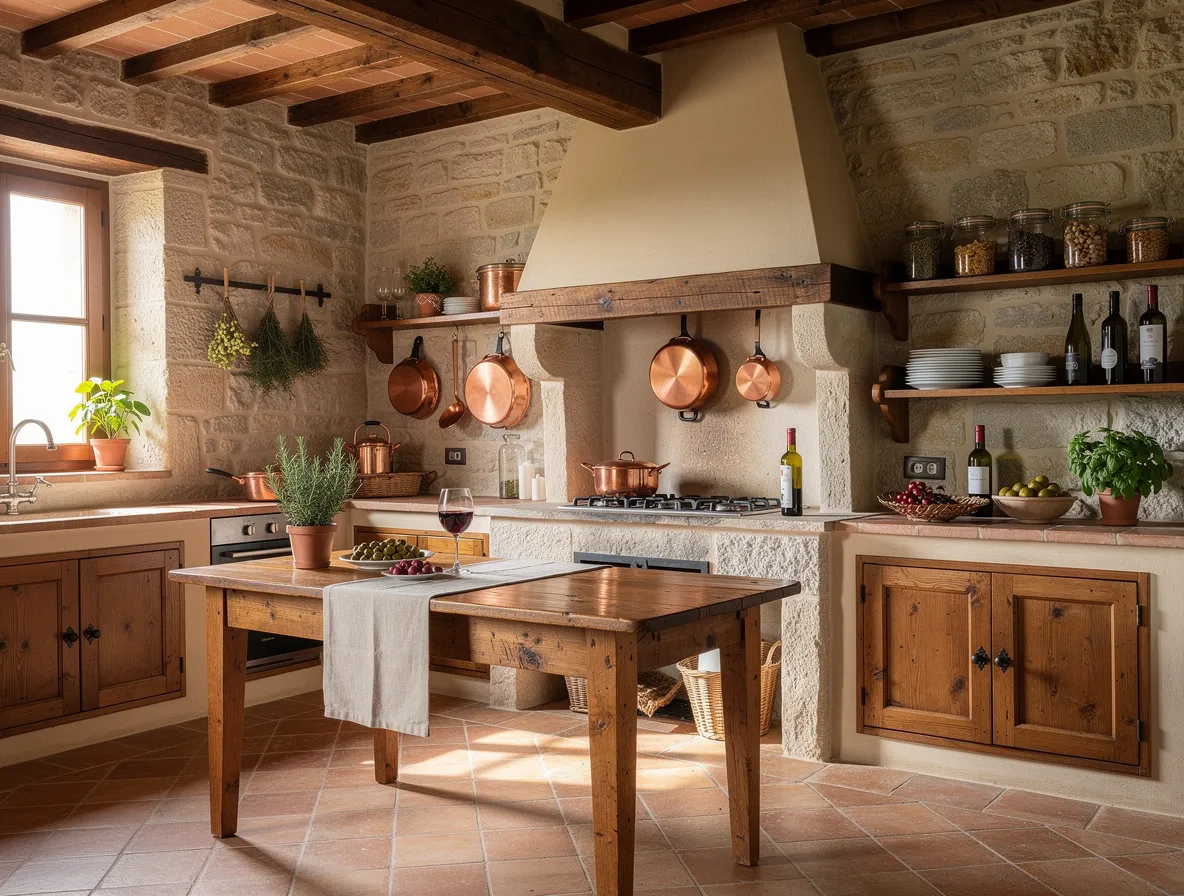
Tuscan
Stone walls, terracotta floors, and exposed wooden beams evoke the rustic elegance of the Italian countryside.
Common Questions
Mediterranean Design: FAQ
What defines Mediterranean interior design?
Terracotta tile floors, whitewashed or warm plaster walls, arched doorways and windows, wrought iron details, handmade ceramic tiles, natural fiber textiles, and a strong indoor-outdoor connection.
What colors are used in Mediterranean design?
Terra cotta and warm ochre, deep cobalt blue (particularly Moroccan-influenced), white plaster, warm stone gray, olive green, and burnt orange. The palette is sun-bleached and mineral.
Can Mediterranean design work in a cold climate?
Yes - bring the materials indoors without the outdoor lifestyle. Terracotta floors (with underfloor heating), white plaster walls, arched details in doorways, and hand-painted tiles create the aesthetic regardless of climate.
What types of tiles are used in Mediterranean interiors?
Terracotta quarry tiles for floors, hand-painted cement tiles for kitchen and bathroom splashbacks, zellige tiles for accent surfaces, and simple white subway tile for utilitarian spaces. Imperfection and handmade quality are valued over precision.
What is the difference between Mediterranean and Tuscan style?
Tuscan is a specific regional subset of Mediterranean - heavier on warm terracotta, rough plaster, olive and grape vine references, and rustic Italian farmhouse character. Mediterranean is broader, encompassing Greek, Spanish, Moroccan, and Italian influences.
Ready to Transform Your Space?
Upload a photo and see it in mediterranean style - or any of our 80+ other styles - in seconds.