Italian Design
Where ancient beauty meets modern invention - Italian design fuses classical grandeur with mid-century modernism and an unrivaled eye for material quality.
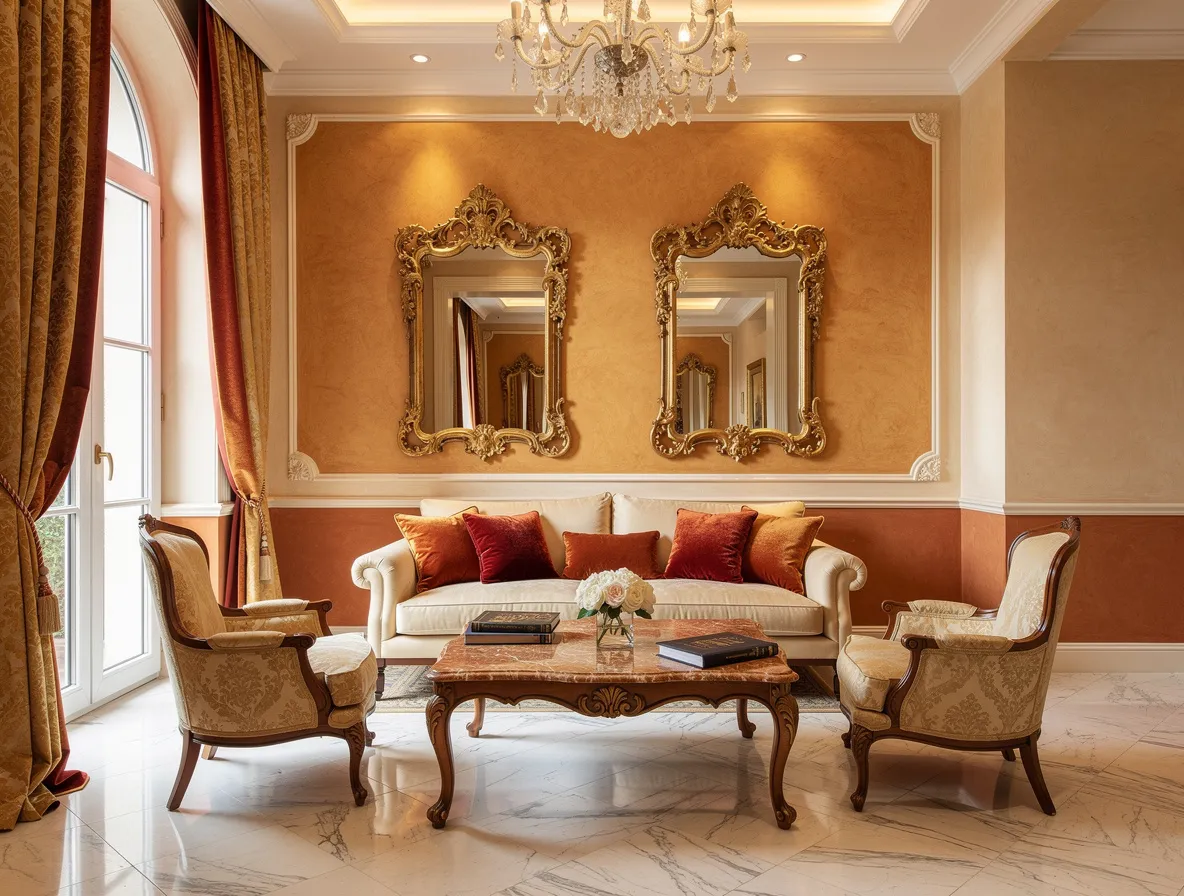
About the Style
What Is Italian Design?
Italian interior design encompasses both the grand classical tradition of marble, fresco, and Renaissance proportion and the revolutionary modernism of 20th-century Milan. What unites them is an obsession with material quality - the finest marble, the best leather, the most perfectly executed furniture - and a conviction that beauty is a serious, worthy pursuit. Italian homes are neither minimalist nor maximalist but precisely, confidently themselves.
Why People Love It
-
Italian furniture design is the global benchmark for quality and invention
-
Marble and Venetian plaster transform any room into something genuinely beautiful
-
The mix of classical grandeur and modern invention is uniquely Italian and endlessly interesting
-
Italian textiles - leather, silk, cashmere - feel luxurious and last for generations
Key Characteristics
-
Marble surfaces - floors, walls, and countertops
-
Venetian plaster or fresco-inspired wall treatments
-
Italian mid-century and contemporary furniture
-
Quality leather upholstery in warm tones
-
Dramatic Roman blind or simple linen curtains
-
Original art or significant art reproductions
Color Palette
Materials
Ideal For
Room-by-Room
Italian Design in Every Room
How italian design translates across every space in your home
Living Room
Italian leather sofa, travertine coffee table, Venetian plaster accent wall, an original painting, and a dramatic Italian floor lamp.
Kitchen
Full marble surfaces, Italian design handles, a professional-grade Italian range, and a simple long dining table of solid stone or timber.
Bedroom
Upholstered Italian bed with a statement headboard, silk or linen bedding, marble bedside tables, and dramatic floor-to-ceiling curtains.
Bathroom
Full Carrara marble floor and walls, an Italian freestanding bath, Fantini or Vola fixtures, and a frameless floor-to-ceiling mirror.
Exterior
Plaster or stone facade in warm white or ochre, terracotta roof, cypress trees flanking the entry, and a central fountain or urn.
Visualize It First
See Italian Design in Your Space
Upload any photo and our AI transforms it into italian style in seconds
Upload a photo
Any room, any angle. Interior or exterior - phone photo is fine.
Select "Italian"
Choose this style from our library or describe it to the AI in plain language.
Get your design
Photorealistic result in seconds. Download in HD or 4K resolution.
Expert Advice
How to Achieve Italian Design
Practical tips from designers who work with italian style every day.
Invest in one piece of Italian furniture - a B&B Italia sofa, a Cassina chair - rather than many budget alternatives. It transforms a room.
Use Venetian plaster (stucco veneziano) on at least one wall - it creates a depth and luminosity that no paint can match.
Choose natural marble rather than engineered stone wherever possible - the variation, veining, and warmth are irreplaceable.
Keep art seriously - an original oil painting, a significant print, or a quality sculpture treated with genuine respect changes the quality of a room.
Reference the Italian piazza principle in open living spaces - furniture arranged to facilitate conversation, not face the television.
Iconic Examples
The Interiors That Put Italian Design on the Global Map
Italian interior design dominates global luxury because of a series of specific interiors and cultural moments that established its authority - not just tradition, but a relentless contemporary reinvention.
La Triennale and the Birth of Italian Design
The Milan Triennale exhibition began in 1933 and became the world stage for Italian design innovation. It was here that Gio Ponti, Carlo Mollino, and Franco Albini created rooms that demonstrated Italian design could be both deeply cultured and radically modern. The Triennale established Milan as the world's design capital, a position it still holds.
Carlo Mollino's Fantastical Apartments
Carlo Mollino designed two apartments in Turin (his own studio apartment and the Casa Devalle) that were so extraordinary they could not be categorised. Biomorphic furniture, surrealist art, and an obsessive attention to every detail created spaces that felt designed by a brilliant eccentric. They remain the most unique interiors ever produced by an Italian designer.
Ferrari and the Italian Design Identity
Enzo Ferrari's showrooms and factory spaces in Maranello established a specific Italian interior language for commercial spaces - travertine floors, red leather accents, Carrara marble, and a theatrical relationship between the car (or object) and the space it inhabits. The Ferrari aesthetic became shorthand for Italian luxury worldwide.
Memphis - Italian Design Breaks All the Rules
Ettore Sottsass launched Memphis at the 1981 Milan Furniture Fair with furniture and objects in bold patterns, clashing colors, and deliberately anti-functional forms. It was the most controversial design movement in decades - and it changed everything. Memphis demonstrated that Italian design could be irreverent and avant-garde, not just classically refined.
Style Pairings
Styles That Complement Italian
Mix italian with these styles for a layered, personal look.
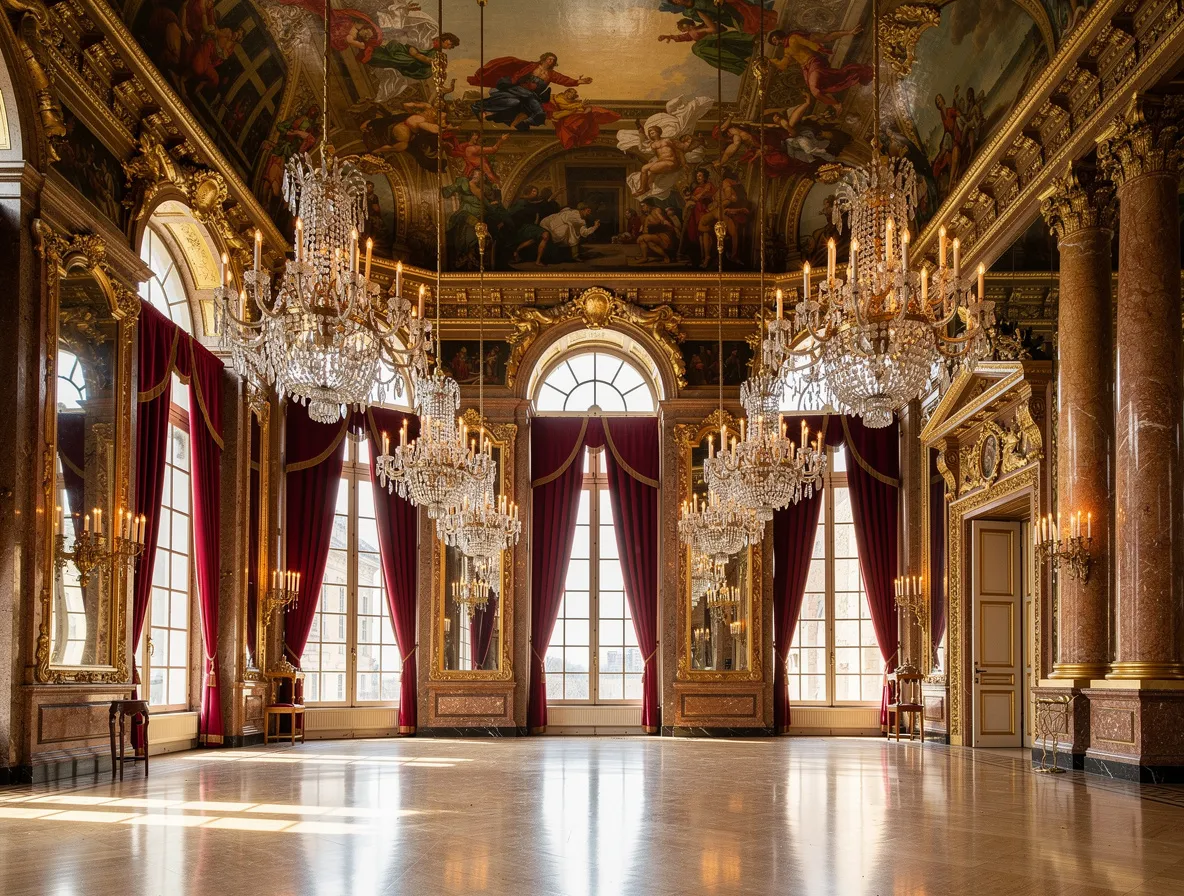
Baroque
Dramatic opulence with ornate gold gilding, dramatic ceiling details, heavy velvet drapes, and crystal chandeliers.
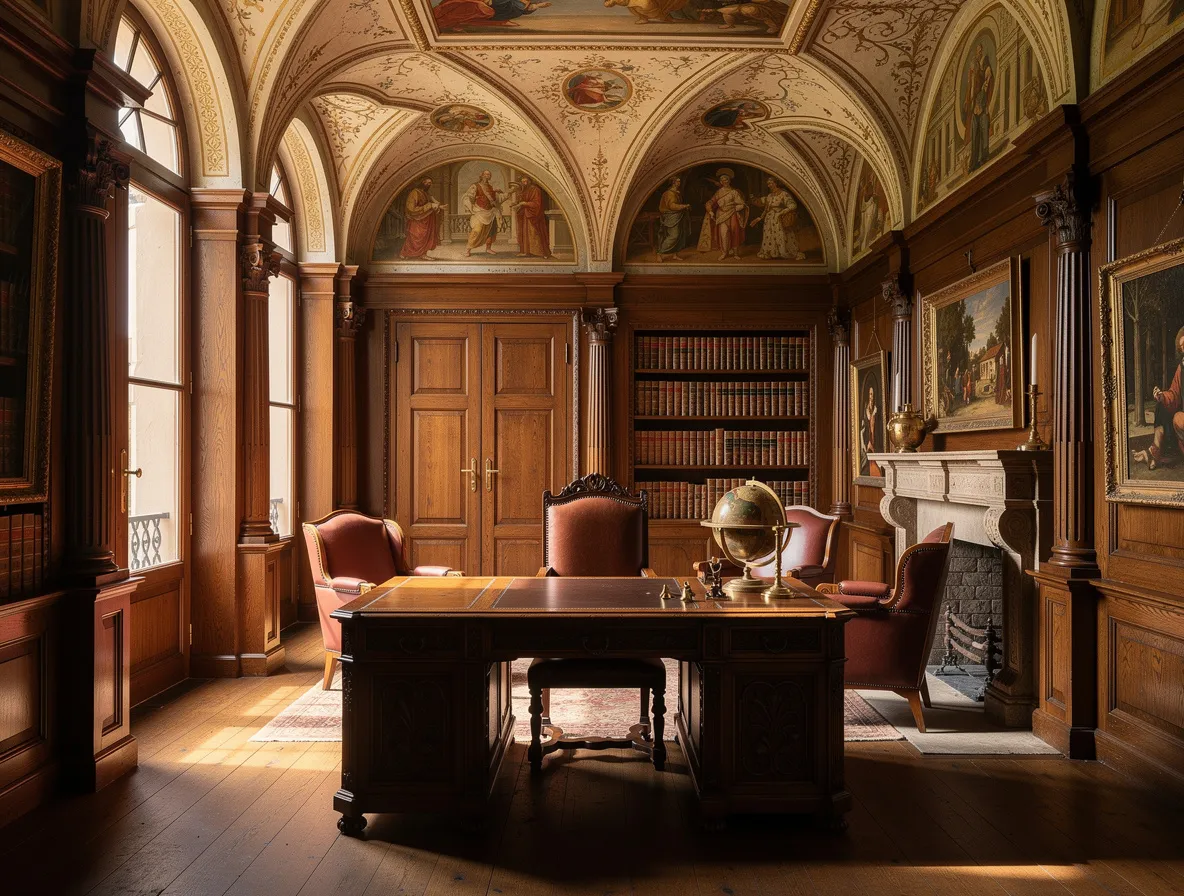
Renaissance
Arched doorways, classical proportions, and rich wood paneling inspired by the great masters of European design.
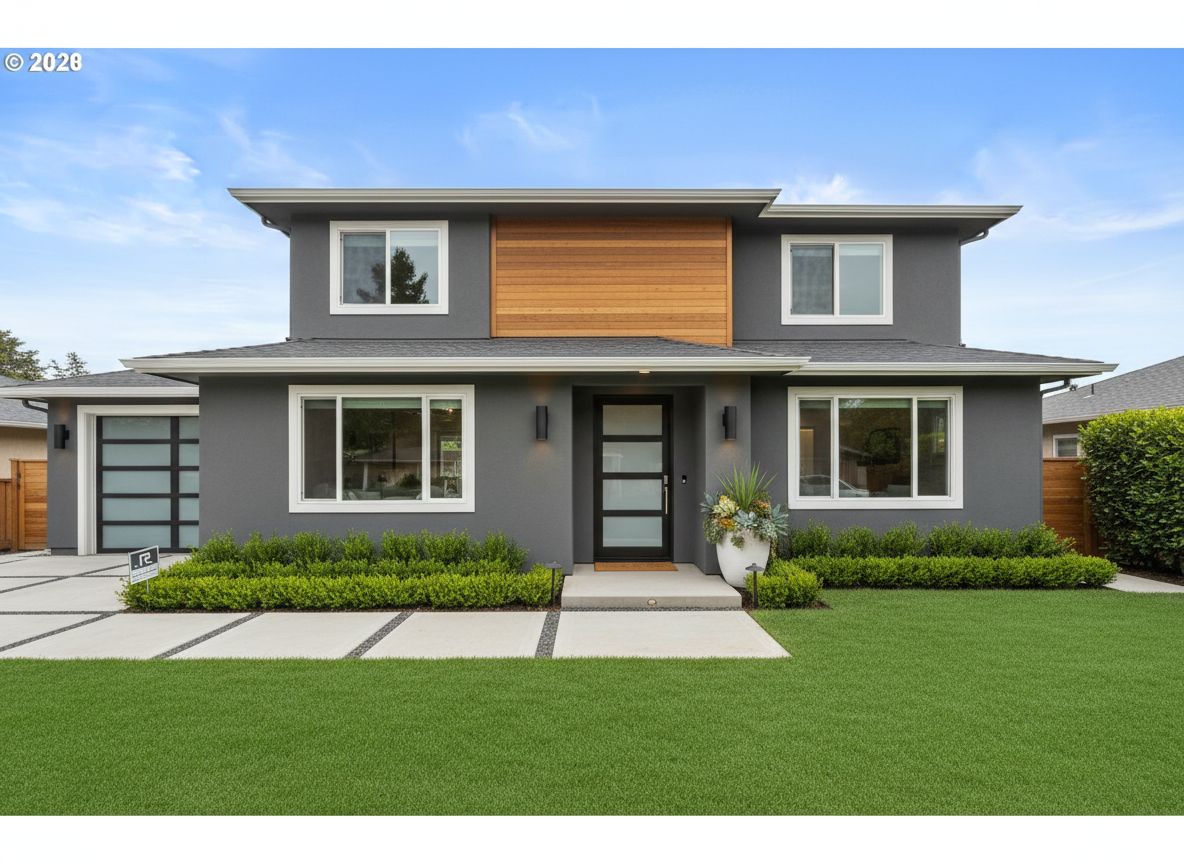
Mediterranean
Sun-drenched warmth inspired by coastal European villas. Terracotta, arches, and rich earth tones throughout.
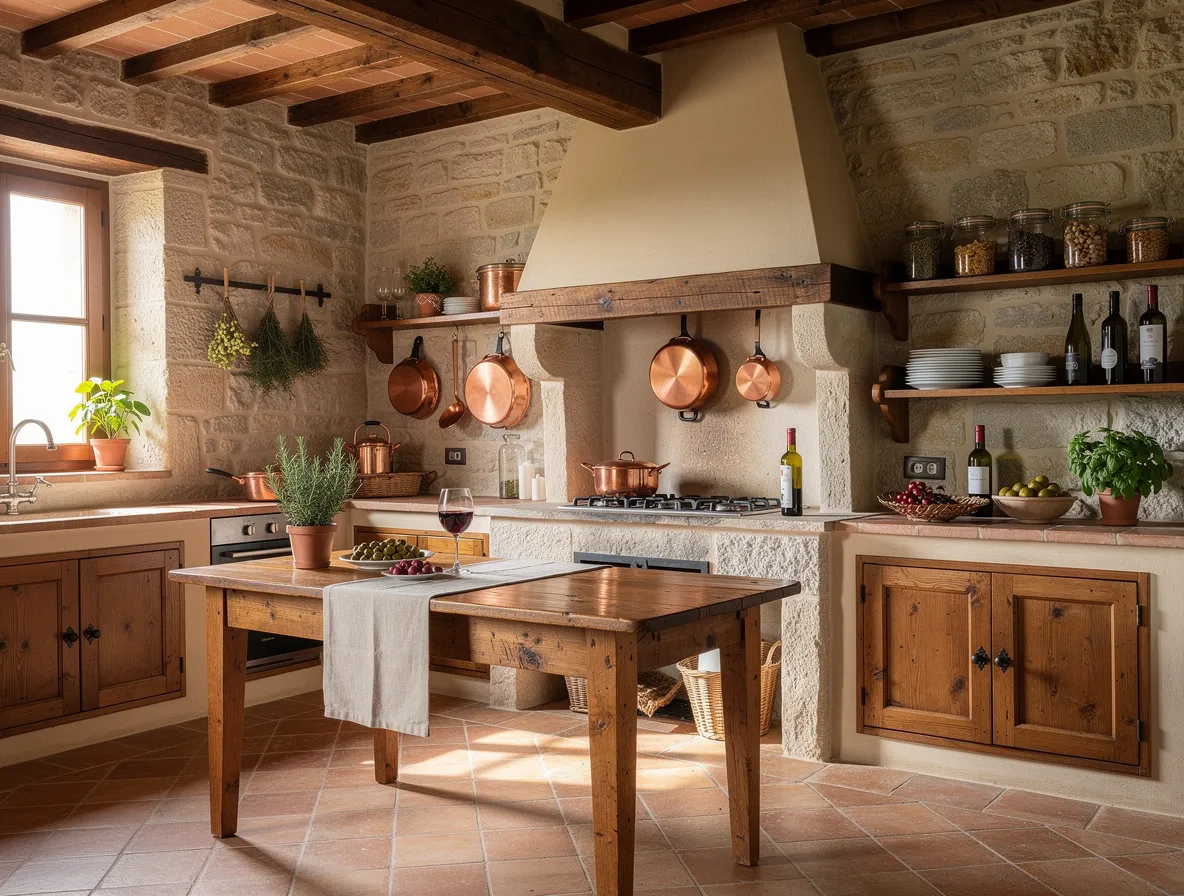
Tuscan
Stone walls, terracotta floors, and exposed wooden beams evoke the rustic elegance of the Italian countryside.
Common Questions
Italian Design: FAQ
What defines Italian interior design?
Quality of materials, craftsmanship as a value in itself, confidence in mixing old and new, a theatrical relationship between light and space, and a sophistication that is earned rather than applied.
What materials are signature to Italian interiors?
Carrara marble, travertine, polished concrete, Venice plaster (stucco veneziano), silk and velvet upholstery, and hand-glazed ceramics. Italian design always prioritises the material quality before the form.
What Italian furniture brands should I know?
For luxury: B&B Italia, Poliform, Cassina, Molteni. For accessible: Calligaris, Natuzzi. These brands represent the authentic Italian furniture manufacturing tradition centered around Brianza in Lombardy.
What is the difference between Italian and French interior design?
Italian design is more theatrical and material-focused - drama and luxury. French design is more intellectual and mixed-period - wit and character. Italy excels at the individual showpiece object; France at the composed room.
Ready to Transform Your Space?
Upload a photo and see it in italian style - or any of our 80+ other styles - in seconds.