Renaissance Design
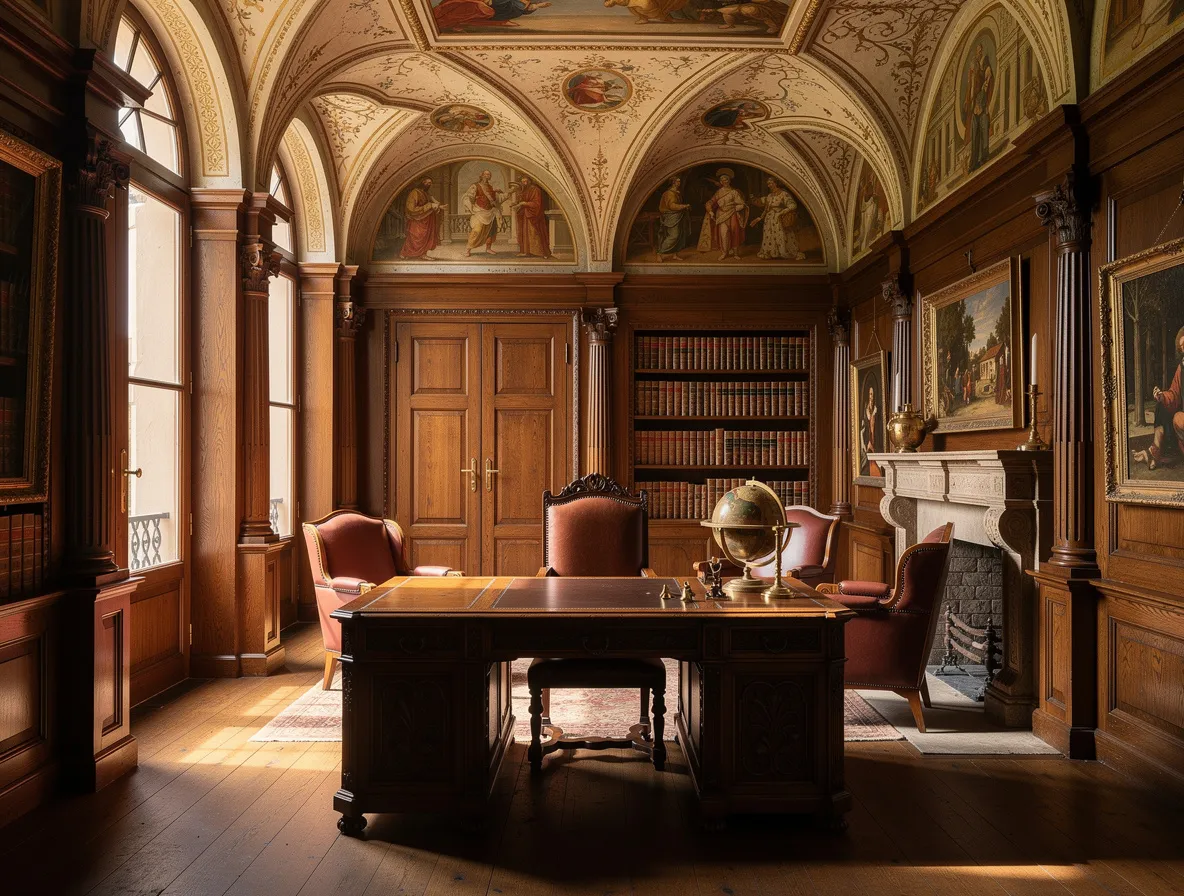
Inspired by ancient Rome and Greece, Renaissance interiors celebrate classical scholarship, perfect proportion, and the harmony of human-scaled beauty.
About the Style
What Is Renaissance Design?
Renaissance design (14th-17th century) marked Europe's rediscovery of classical antiquity, translating Greek and Roman architecture into interior spaces of perfect proportion and scholarly ornament. Coffered ceilings, marble floors with geometric inlay, classical columns and pilasters, tapestries depicting mythological scenes, and wainscoted walls with painted plaster define the authentic Renaissance interior. Florence and Rome remain its spiritual homes.
Why People Love It
-
Most profound connection to the Western intellectual and artistic tradition
-
Classical proportions deliver a sense of order and rightness in every room
-
Materials like marble and carved walnut improve with centuries of use
-
Coffered ceilings are among the most beautiful architectural elements ever devised
Key Characteristics
-
Coffered timber or plaster ceilings
-
Marble floors with geometric inlay patterns
-
Classical columns, pilasters, and entablatures
-
Tapestries or fresco-inspired wall treatments
-
Carved walnut furniture with classical motifs
-
Symmetrical plan with a strong central axis
Color Palette
Materials
Ideal For
Room-by-Room
Renaissance Design in Every Room
How renaissance design translates across every space in your home
Living Room
Coffered ceiling, marble floor with geometric inlay, carved walnut seating with tapestry upholstery, a classically framed mirror, and arched alcoves.
Kitchen
Stone-flagged floor, a wide hearth with a carved stone surround, painted ceramic tiles, a heavy oak refectory table, and wrought-iron chandelier.
Bedroom
Carved walnut bed with columned posts and a painted panel headboard, geometric tile floor with rug, and Venetian plaster walls in sienna tones.
Bathroom
Full marble treatment - floor, walls, and bath surround - classical pilasters flanking a freestanding stone tub, gilded bronze fixtures.
Exterior
Classical rusticated base, arched windows with keystones, a pediment portico entry, symmetrical facade, and pilasters defining the main floor level.
Visualize It First
See Renaissance Design in Your Space
Upload any photo and our AI transforms it into renaissance style in seconds
Upload a photo
Any room, any angle. Interior or exterior - phone photo is fine.
Select "Renaissance"
Choose this style from our library or describe it to the AI in plain language.
Get your design
Photorealistic result in seconds. Download in HD or 4K resolution.
Expert Advice
How to Achieve Renaissance Design
Practical tips from designers who work with renaissance style every day.
Reproduce a coffered ceiling in paint or applied molding strips if you cannot build the real thing - the geometric grid is immediately transformative.
Use terracotta or sienna-toned Venetian plaster above a dado rail for an authentic fresco-inspired wall treatment in any room.
Source classical motif hardware - acanthus leaves, guilloche, egg-and-dart - for any joinery to embed Renaissance vocabulary in functional details.
Hang a large tapestry or tapestry-inspired textile on the main wall of a dining or living room - the Renaissance interior always featured woven narrative art.
Select furniture in carved walnut or chestnut with classical details - cassone chests, sgabello chairs, and X-frame seats are all authentic Renaissance forms.
Design History
How the Medici Family Invented the Modern Interior
Renaissance interior design did not emerge from a stylistic movement - it was commissioned into existence by one extraordinarily wealthy Florentine family with an obsession for antiquity.
Brunelleschi's Proportional Revolution
Filippo Brunelleschi returned from measuring Roman ruins in 1420 and designed the Ospedale degli Innocenti in Florence using mathematically precise classical proportions. This was the first Renaissance building and introduced the idea that interior spaces should follow rational geometric rules rather than medieval accumulative construction.
The Medici Commission Everything
Cosimo de' Medici hired Michelozzo to build the Palazzo Medici Riccardi (1444) - the first Renaissance palace. Its interior courtyard, with round-arched loggias and classical capitals, created the model for all subsequent Renaissance domestic design. The Medici then commissioned Donatello, Fra Angelico, Botticelli, and Michelangelo for interior decoration, establishing art as a domestic furnishing.
Leonardo Designs Rooms
Leonardo da Vinci designed the Sala delle Asse ceiling in the Castello Sforzesco in Milan (1498-99) - a painted pergola of interlacing mulberry trees with gold ropes and coats of arms, so convincingly three-dimensional that it appears to open the room to the sky. It established illusionist ceiling painting as a Renaissance interior convention.
Raphael and the Stanza della Segnatura
Raphael's Vatican rooms for Pope Julius II created the first complete interior design program of the Renaissance - every wall and ceiling surface integrated into a single intellectual and visual scheme. The School of Athens alone established the painted room as a vehicle for ideas, a tradition that runs through every subsequent grand interior.
Style Pairings
Styles That Complement Renaissance
Mix renaissance with these styles for a layered, personal look.
Classic
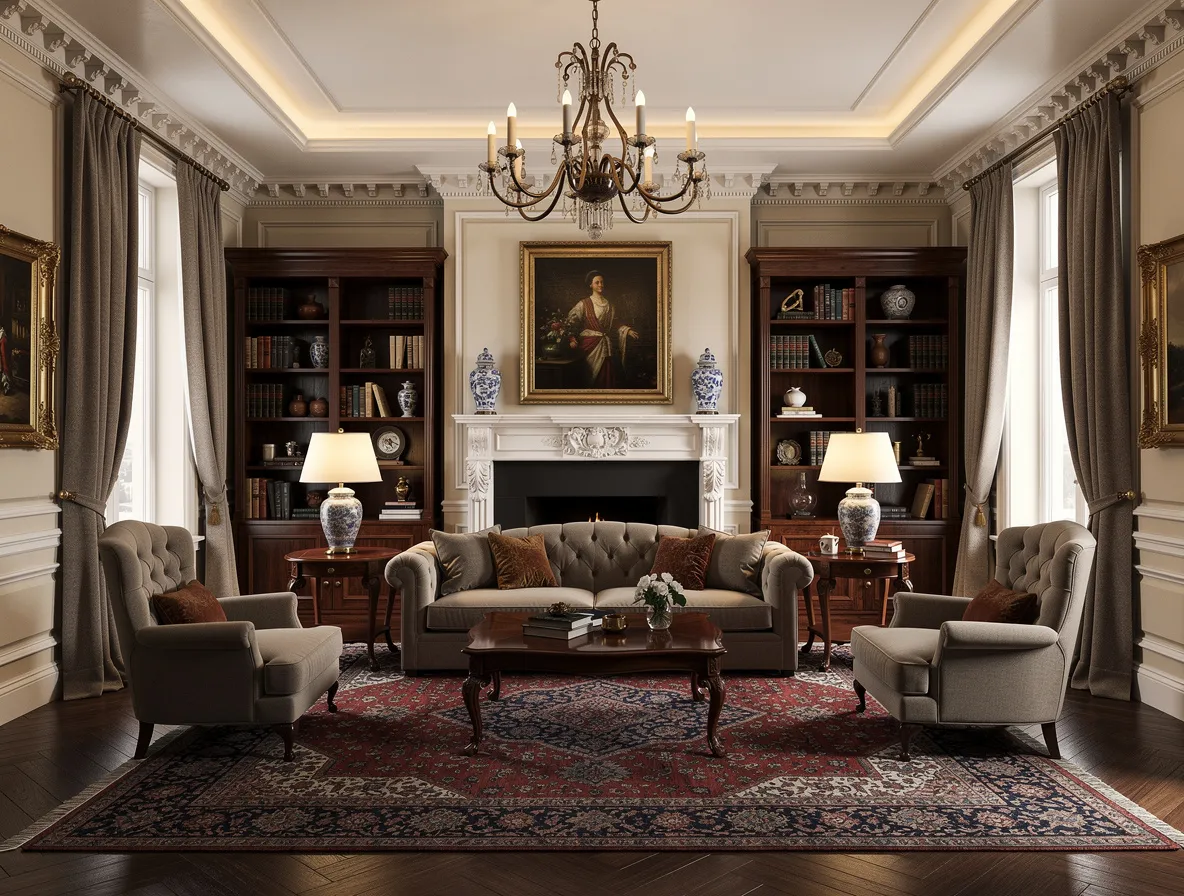
Elegant furnishings, balanced symmetry, and crown molding with rich wood tones create a look that never fades.
Baroque
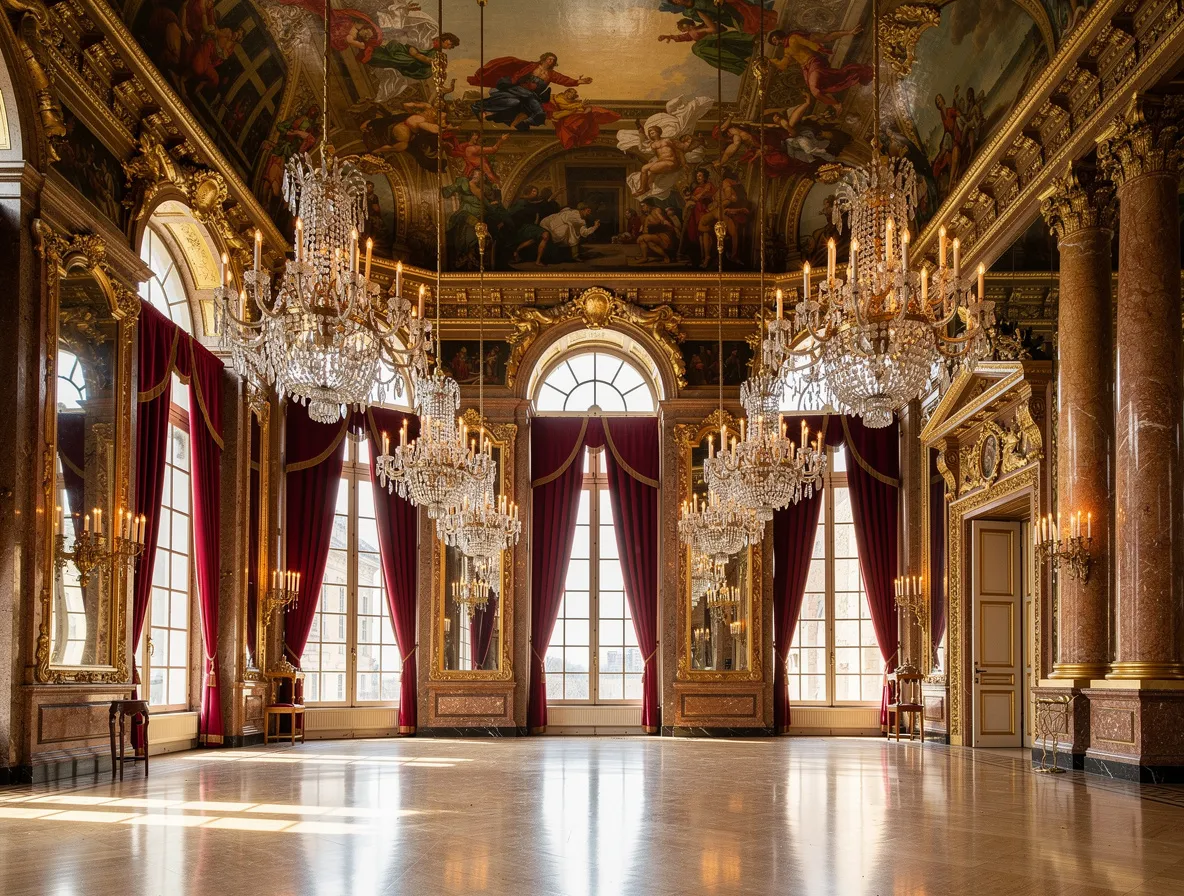
Dramatic opulence with ornate gold gilding, dramatic ceiling details, heavy velvet drapes, and crystal chandeliers.
Mediterranean
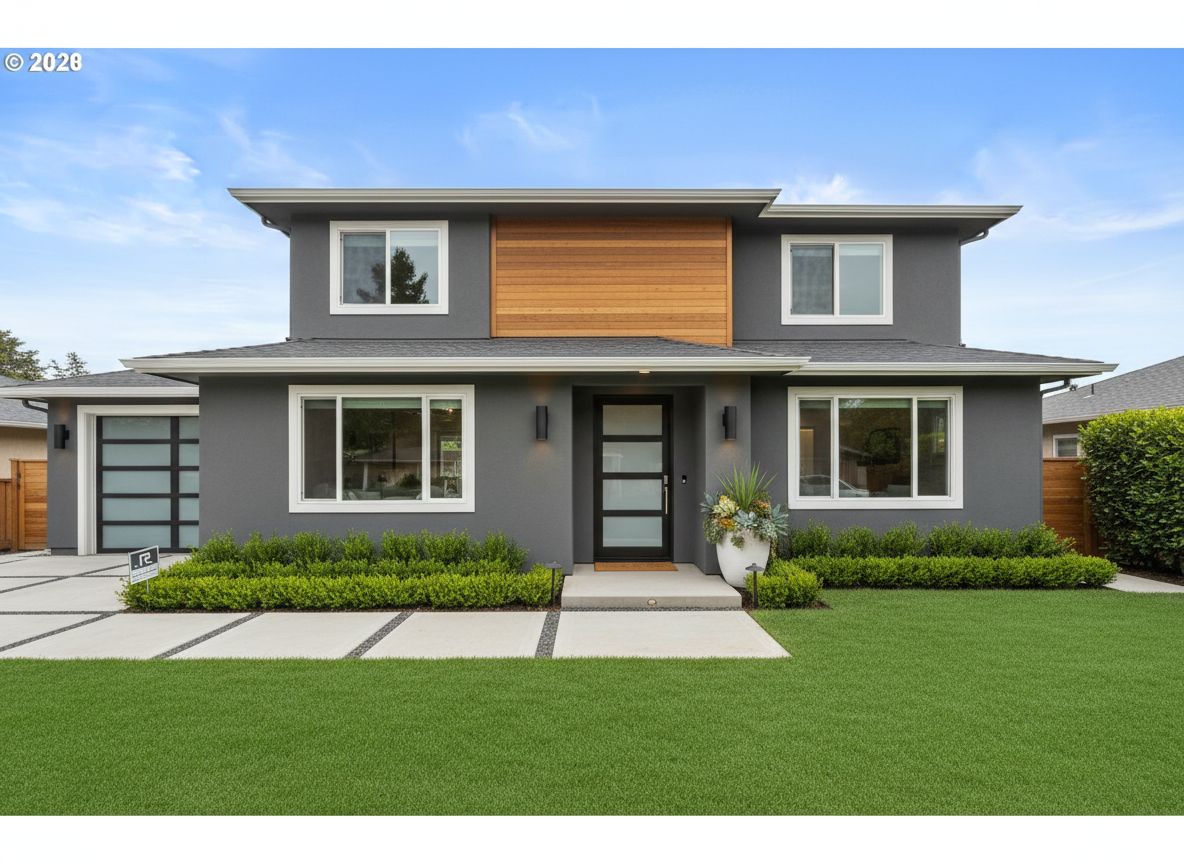
Sun-drenched warmth inspired by coastal European villas. Terracotta, arches, and rich earth tones throughout.
Italian
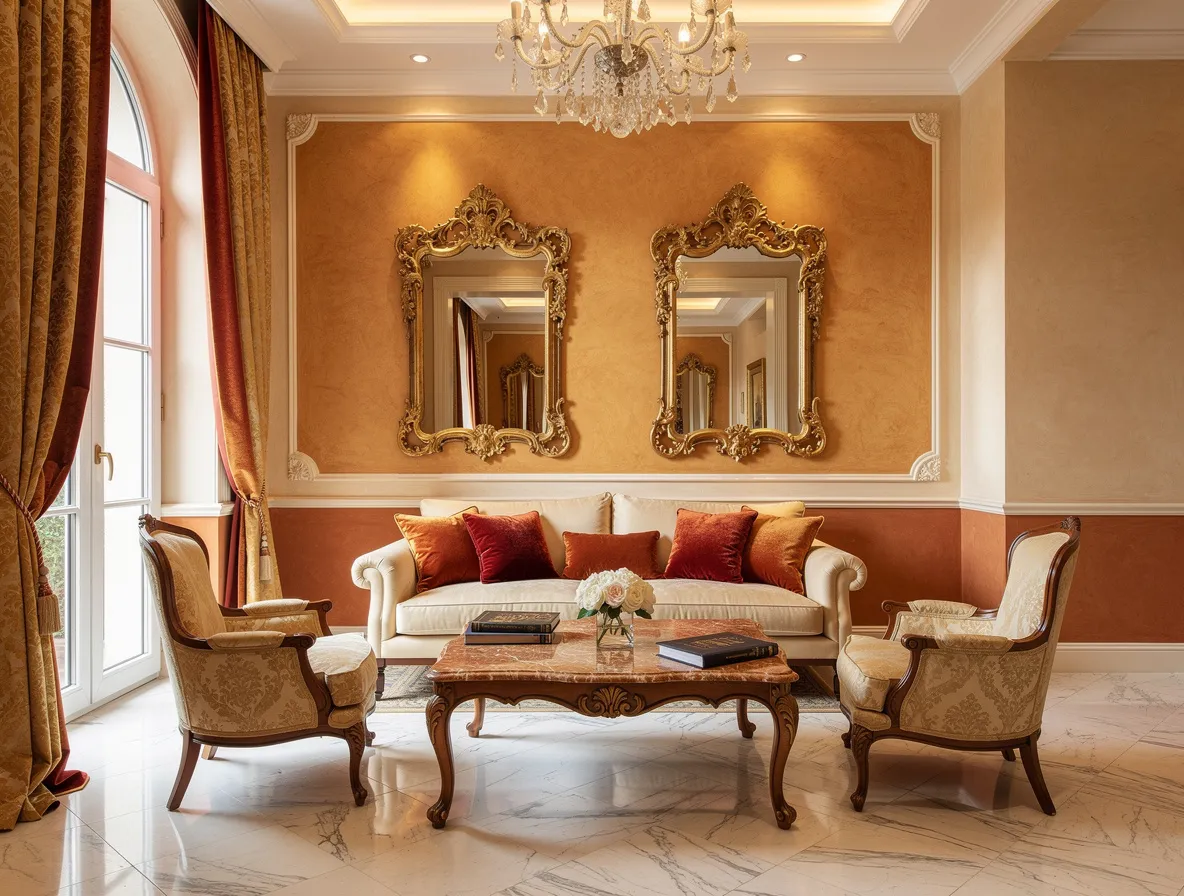
Marble floors, Venetian plaster, and ornate mirrors create luxurious spaces with warm Mediterranean soul.
Common Questions
Renaissance Design: FAQ
What defines Renaissance interior design?
Mathematical proportion, classical architectural orders applied to interior surfaces, symmetry, and the integration of figurative art into wall and ceiling decoration. It is intellectual design - every element can be justified rationally.
What materials are used in Renaissance interiors?
Pietra serena (dark gray Florentine stone) for architectural details, painted plaster for walls and ceilings, terracotta for floors, walnut for furniture, and silk for wall hangings and upholstery.
How do I incorporate Renaissance design into a modern interior?
Use classical symmetry in your furniture arrangement, introduce large-scale figurative art (prints of Renaissance paintings are affordable), and use warm plaster tones, terracotta, and walnut wood for materials.
Ready to Transform Your Space?
Upload a photo and see it in renaissance style - or any of our 80+ other styles - in seconds.