Baroque Design
Dramatic, theatrical, and exuberantly grand - Baroque design brings 17th-century European court splendor to interior spaces through gilded opulence and powerful chiaroscuro.
About the Style
What Is Baroque Design?
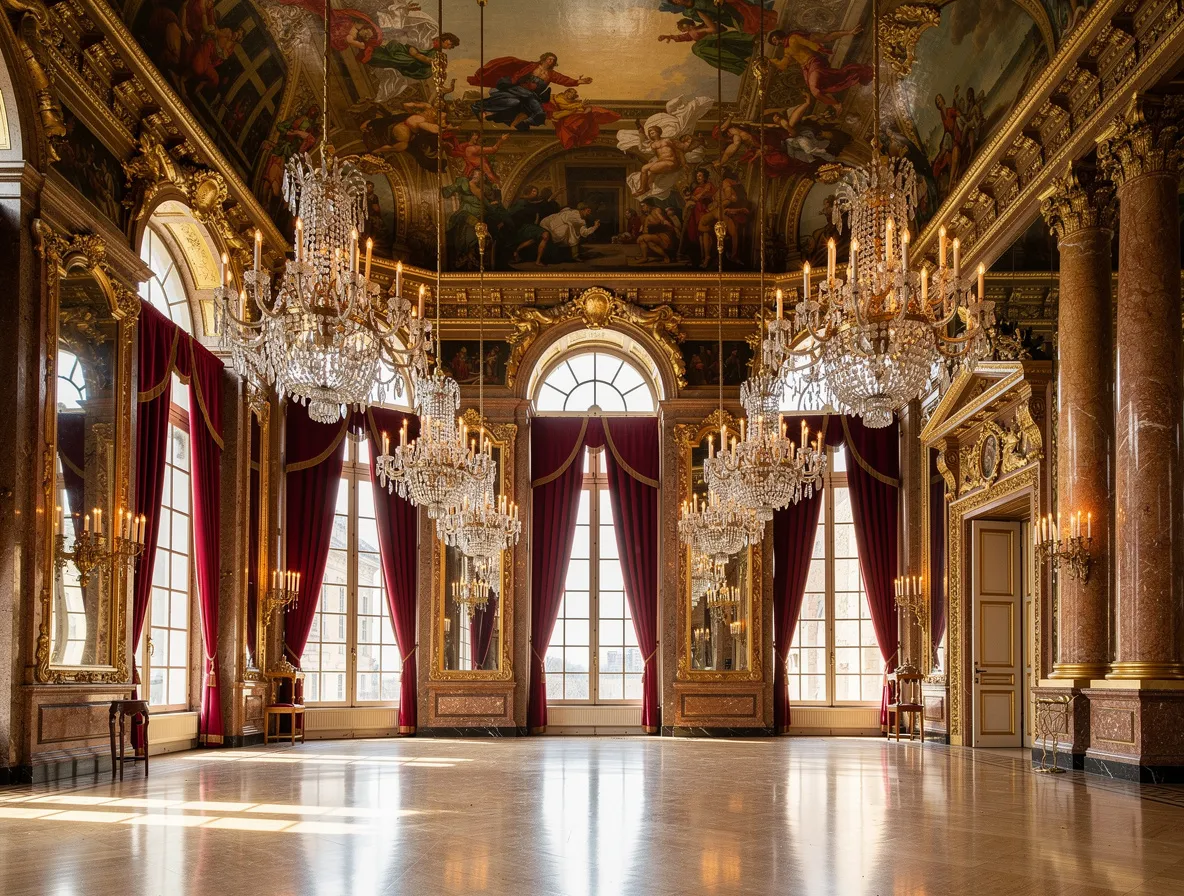
Baroque design originated in early 17th-century Rome as the Catholic Church commissioned artists to overwhelm the senses and inspire religious awe. Characterized by dramatic contrasts of light and shadow, gilded surfaces, ceiling frescoes, marble columns, heavy silk draperies, and elaborately carved furniture, Baroque interiors communicate power and theatrical emotion. The style reached its zenith in the Palace of Versailles.
Why People Love It
-
Unmatched theatrical drama that creates unforgettable impressions on visitors
-
Gilded surfaces transform light dramatically throughout the day and evening
-
Deep historical roots connect a home to the grandest European tradition
-
Photography-worthy in every corner and at every angle and time
Key Characteristics
-
Gilded surfaces and gold-leaf ornament
-
Dramatic painted ceiling panels or frescoes
-
Marble columns and pilasters
-
Heavy silk or velvet curtains in jewel tones
-
Elaborately carved and gilded furniture
-
Powerful chiaroscuro lighting effects
Color Palette
Materials
Ideal For
Room-by-Room
Baroque Design in Every Room
How baroque design translates across every space in your home
Living Room
Gilded carved sofa in crimson silk, painted ceiling with classical figures, marble floor with geometric inlay, heavy velvet drapes, and a crystal chandelier.
Kitchen
In a Baroque home, the dining room compensates - gilded chairs, a frescoed ceiling, silver service on display, and marble floor.
Bedroom
State bed with tall gilded posts, crimson silk canopy and hangings, a frescoed ceiling, painted armoire, and an inlaid marble floor with a Persian carpet.
Bathroom
Marble surfaces throughout, gilded hardware, a freestanding stone bath, painted fresco panel above the tub, and candelabra providing the only light.
Exterior
Rusticated stone base, applied columns or pilasters, carved stone pediments over windows, sculptural urns and balustrades, and a dramatic central entrance portal.
Visualize It First
See Baroque Design in Your Space
Upload any photo and our AI transforms it into baroque style in seconds
Upload a photo
Any room, any angle. Interior or exterior - phone photo is fine.
Select "Baroque"
Choose this style from our library or describe it to the AI in plain language.
Get your design
Photorealistic result in seconds. Download in HD or 4K resolution.
Expert Advice
How to Achieve Baroque Design
Practical tips from designers who work with baroque style every day.
Focus on the ceiling as the primary canvas - a painted, gilded, or dramatically detailed ceiling is the single most powerful Baroque statement.
Use gilded frames for all mirrors and art - antique gold leaf frames are the essential Baroque accessory available at every price point.
Choose one dominant jewel color (crimson, cobalt, or emerald) for upholstery and curtains and build the entire palette around it.
Install proper marble or marble-effect flooring and let the natural veining do the decorative work - Baroque architecture always begins with the floor.
Conceal practical lighting within chandeliers, sconces, and candelabra - the light source should always appear to be flame, not technology.
Iconic Examples
The World's Greatest Baroque Interiors
Baroque interior design achieved its most extreme and magnificent expressions in palaces built for the most powerful rulers of the 17th and 18th centuries.
The Hall of Mirrors
Le Brun's Hall of Mirrors at Versailles is 73 meters long, lined with 357 mirrors opposite 17 arched windows overlooking the garden. It cost the equivalent of billions in today's money and was designed to project French power so overwhelmingly that foreign ambassadors would be physically diminished by its scale. It remains the single most influential room in Western interior design history.
Bernini's Sant'Andrea al Quirinale
Bernini designed this oval church as a total work of art - architecture, sculpture, and painting unified to create an emotional experience rather than just a building. His concept of the Gesamtkunstwerk (total artwork) where every element from floor to ceiling serves a single dramatic narrative directly inspired all subsequent baroque interior design.
Russia's Answer to Versailles
Peter the Great built Peterhof Palace near St Petersburg as a deliberate assertion that Russia could match France. The Grand Cascade - 64 fountains and over 200 bronze sculptures - is the most spectacular baroque landscape in the world. The interiors, restored after WWII destruction, preserve the most complete surviving baroque interior schemes anywhere.
The Belvedere Palace
Johann Lukas von Hildebrandt designed the Upper Belvedere for Prince Eugene of Savoy, creating the definitive example of Austrian Baroque. Its Sala Terrena - a room of arched vaults supported by sculptural atlantes figures with painted frescoes between - represents baroque interior design at its most architecturally integrated.
Style Pairings
Styles That Complement Baroque
Mix baroque with these styles for a layered, personal look.
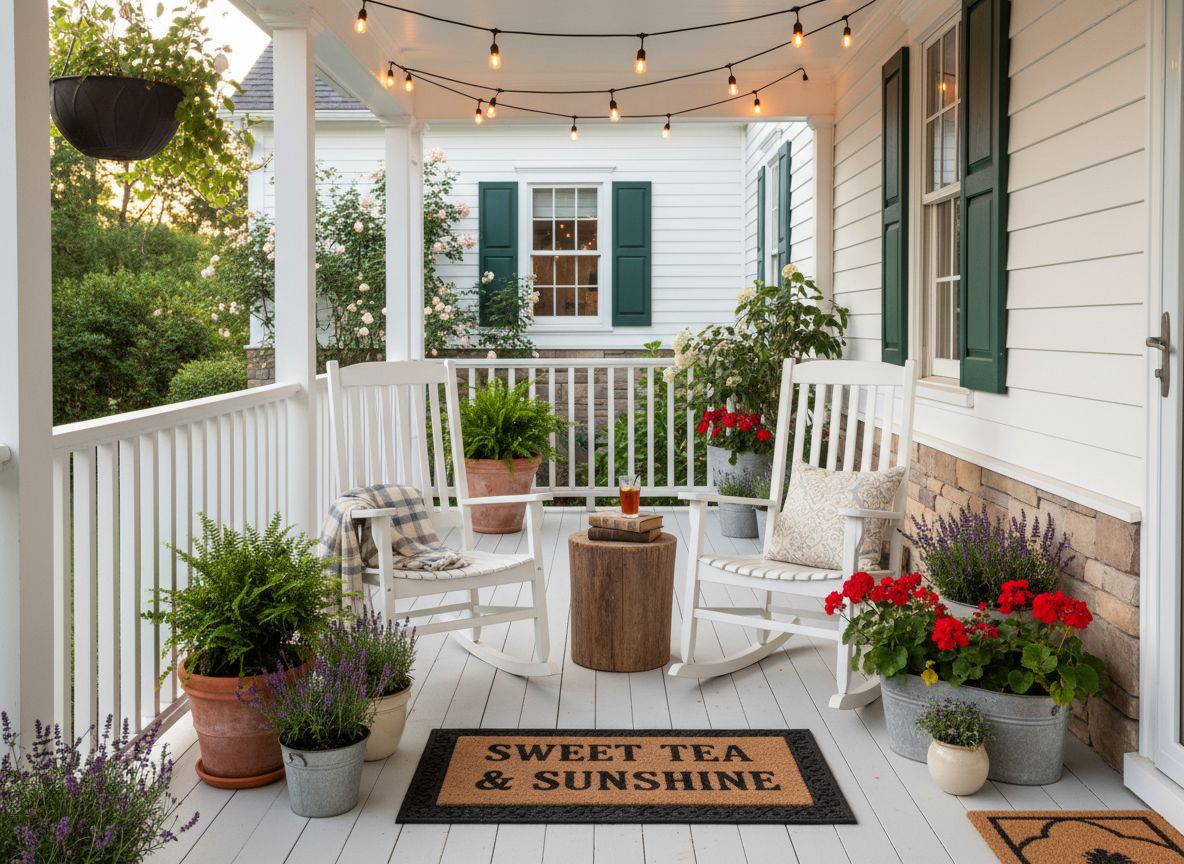
Victorian
Opulent and ornate with intricate woodwork, rich fabrics, and bold wallpapers — a nod to 19th-century grandeur.
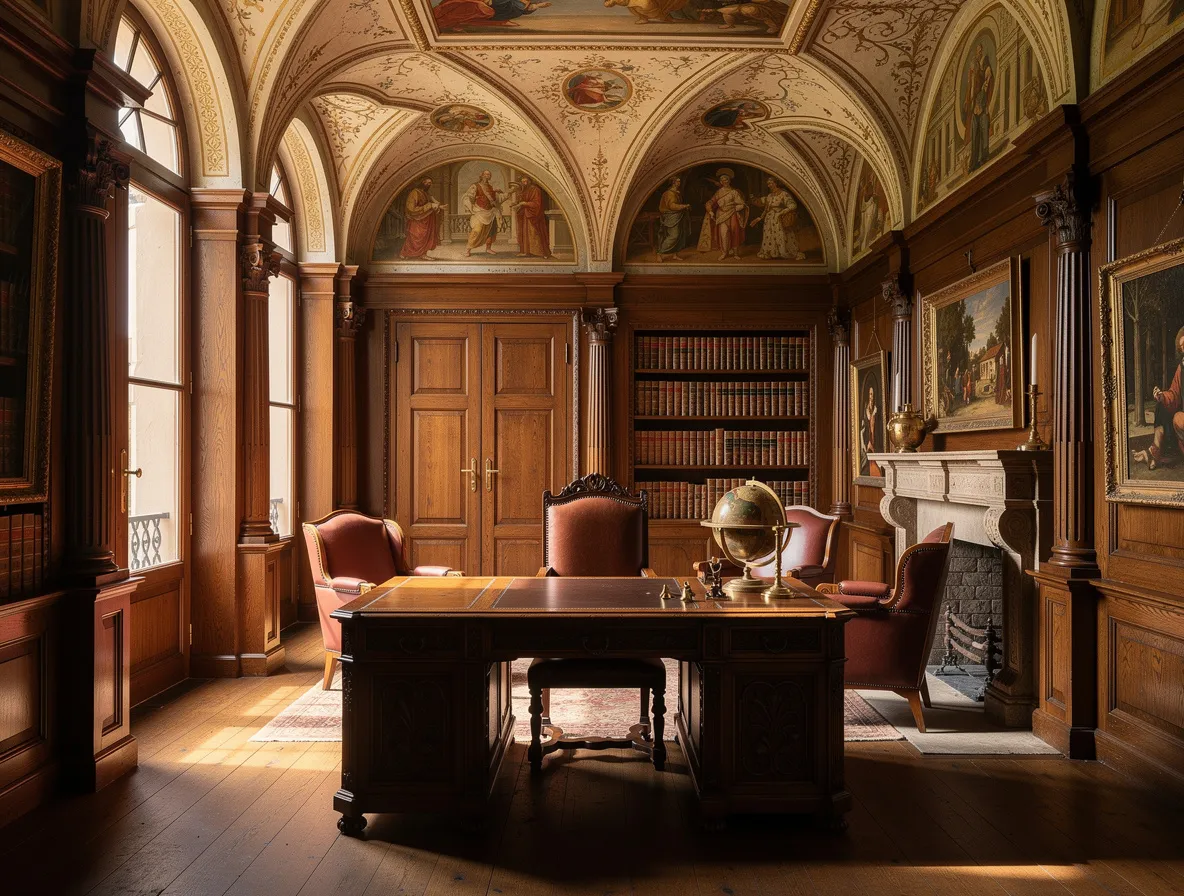
Renaissance
Arched doorways, classical proportions, and rich wood paneling inspired by the great masters of European design.
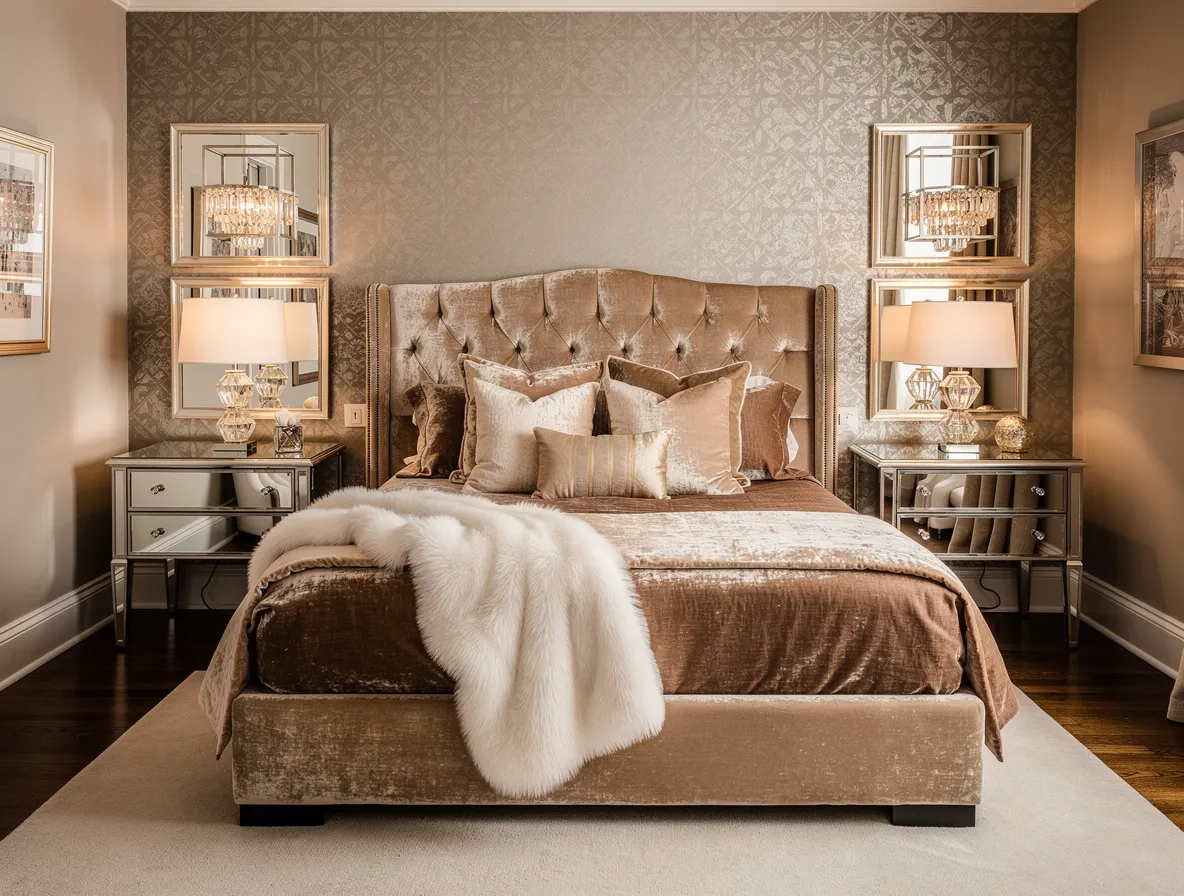
Glamorous
Mirrored furniture, faux fur throws, crystal lamps, and metallic wallpaper for a dazzling Hollywood-inspired bedroom.
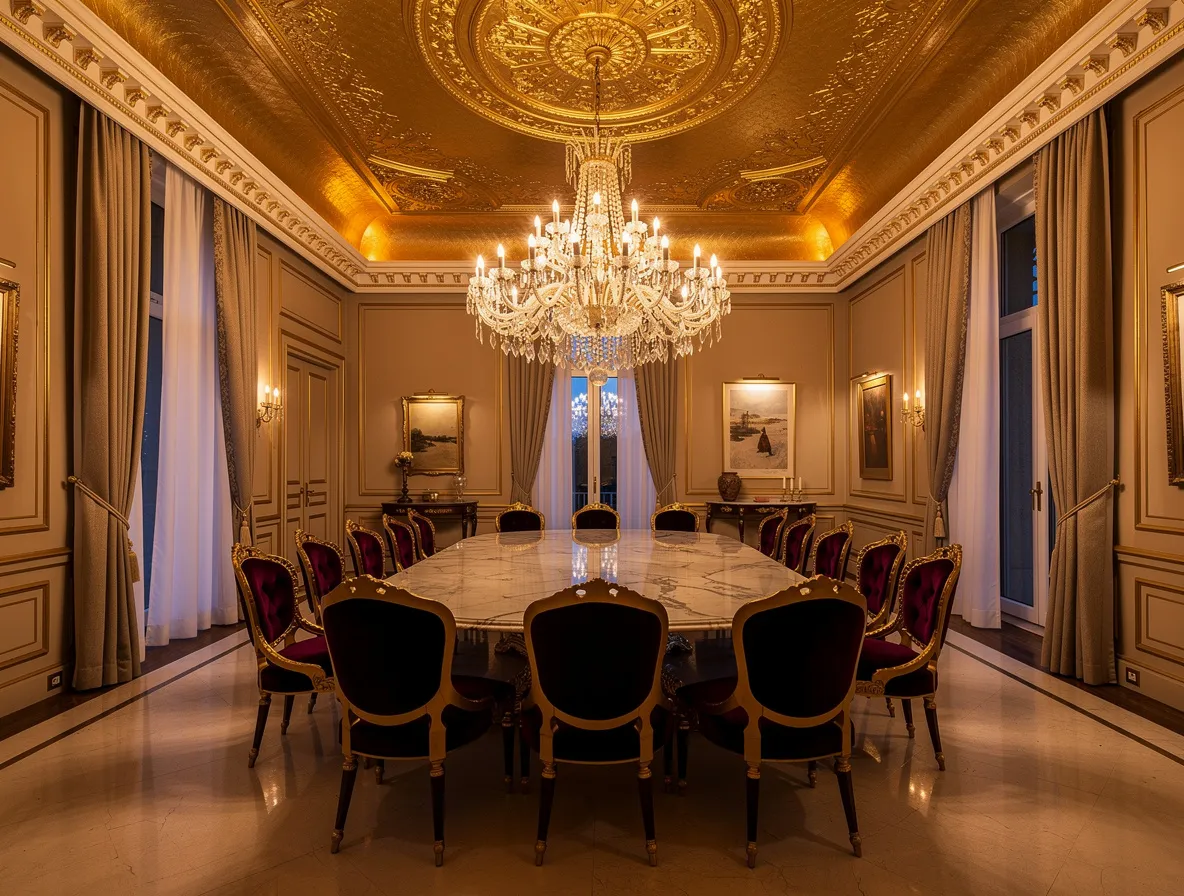
Opulent
Gold leaf ceilings, crystal chandeliers, marble tables, and velvet chairs for the most extraordinary dining experiences.
Common Questions
Baroque Design: FAQ
What defines baroque interior design?
Maximum ornament, theatrical drama, rich colors - particularly gold, crimson, and cobalt - curved forms, large-scale paintings as wall decoration, and an explicit goal of impressing and overwhelming the visitor.
Can baroque elements work in a modern home?
Yes, in edited form. A single baroque-framed mirror, an ornate chandelier, or a gilded console table can bring baroque drama into a contemporary space. The key is contrast - one ornate piece against a simple background has more impact than a room full of ornament.
What is the difference between baroque and rococo design?
Baroque is heavier, grander, and more architectural - built for power and awe. Rococo (which came later, from roughly 1720-1780) is lighter, more playful, and more intimate - curves become shells and flowers rather than triumphal arches.
What materials are used in baroque interiors?
Gilded wood (ormolu), marble in multiple colors, silk damask and velvet upholstery, inlaid parquetry floors, painted canvas ceilings, and silver or brass fixtures. The more expensive the material, the more baroque the effect.
Ready to Transform Your Space?
Upload a photo and see it in baroque style - or any of our 80+ other styles - in seconds.