Victorian Design
Exuberantly ornate and unapologetically layered, Victorian design revels in rich color, intricate pattern, and the confident accumulation of beautiful objects.
About the Style
What Is Victorian Design?
Victorian interior design - spanning Queen Victoria's reign from 1837 to 1901 - is characterized by an embrace of industrialization's newly available decorative resources. Deeply saturated jewel tones, elaborate wallpaper, carved mahogany furniture, heavy velvet drapes, patterned floors, and an eclectic display of collected objects define the style. Rooms were intended to demonstrate prosperity and taste through deliberate abundance.
Why People Love It
-
Maximum richness and atmosphere impossible to achieve in any other style
-
Every surface is an opportunity for beauty and pattern interest
-
Rich colors create the most dramatic dining and entertaining spaces
-
Deeply personal - displays collecting and taste as a form of biography
Key Characteristics
-
Deep jewel-tone walls - burgundy, forest green, sapphire
-
Elaborate patterned wallpaper
-
Carved mahogany furniture with turned details
-
Heavy velvet and damask window treatments
-
Marble fireplace as room centerpiece
-
Display of collected objects, ceramics, and portraits
Color Palette
Materials
Ideal For
Room-by-Room
Victorian Design in Every Room
How victorian design translates across every space in your home
Living Room
Deep burgundy wallpaper, a carved marble fireplace, tufted Chesterfield sofa in deep teal velvet, Persian rug, and collections of ceramics and portraits.
Kitchen
Forest green painted cabinetry, Minton geometric tile floor, a Belfast sink, dresser displaying blue-and-white china, and a large central pine table.
Bedroom
Half-tester or full tester bed with fabric canopy, patterned wallpaper, a marble-topped dressing table, and velvet or quilted bedspread in jewel tones.
Bathroom
High-tank pull-chain toilet, claw-foot tub with exposed nickel fittings, black-and-white geometric tile, and a pedestal sink with cross-handle faucets.
Exterior
Ornate painted timber fretwork, decorative barge boards, bay windows, a patterned slate roof, and a rich door color with brass hardware.
Visualize It First
See Victorian Design in Your Space
Upload any photo and our AI transforms it into victorian style in seconds
Upload a photo
Any room, any angle. Interior or exterior - phone photo is fine.
Select "Victorian"
Choose this style from our library or describe it to the AI in plain language.
Get your design
Photorealistic result in seconds. Download in HD or 4K resolution.
Expert Advice
How to Achieve Victorian Design
Practical tips from designers who work with victorian style every day.
Choose one dominant jewel tone for walls and repeat it in lighter and deeper shades in textiles and accessories - burgundy walls with rose and plum upholstery.
Layer patterns fearlessly: a floral wallpaper with a plaid upholstery and a Persian rug was standard Victorian practice and still works beautifully.
Install or restore a proper marble fireplace surround - the Victorians treated the fireplace as the room altar and it should be the dominant focal point.
Display collections deliberately on shelving, in cabinets, and on mantels - Victorian interiors were intentionally biographical, not minimalist.
Use gilded or dark-stained picture rail hooks to hang art in the traditional Victorian stacked arrangement - multiple rows at different heights.
Curious Facts
The Strangest Design Rules of the Victorian Home
Victorian interior design operated under a remarkable set of beliefs, superstitions, and social rules that shaped every decision about color, furniture arrangement, and decoration.
Bare Floors Were a Sign of Poverty
Victorians covered every inch of floor with carpet or rugs - the wood floor beneath was invisible by design. In a wealthy Victorian home, exposed floorboards were a humiliation, associated with poverty and inadequate furnishing. This is why Victorian houses often had underfloor boards that were never finished to any high standard.
Green Paint Could Be Lethal
Many Victorian greens - particularly Scheele's Green and Paris Green, the fashionable shades of the 1860s and 1870s - were made with arsenic. As rooms heated up or wallpaper got damp, arsenic vapors were released. Several deaths were attributed to arsenic wallpaper, and Charles Dickens reportedly refused to sleep in green rooms. The practice continued for decades after the danger was known.
Too Much Furniture Was a Status Symbol
What looks like overcrowding to modern eyes was strategic. In an era when furniture was expensive, maximum furniture was maximum wealth displayed. Victorian parlors were filled with display cases of curiosities, multiple seating arrangements, side tables, plant stands, and footstools - each object a visible proof of financial success.
Mirrors Must Never Face Each Other
Victorian superstition held that two mirrors facing each other would trap the souls of those reflected between them. The convention of never placing mirrors directly opposite each other - which many people follow today without knowing why - comes from this Victorian belief.
Style Pairings
Styles That Complement Victorian
Mix victorian with these styles for a layered, personal look.
Traditional
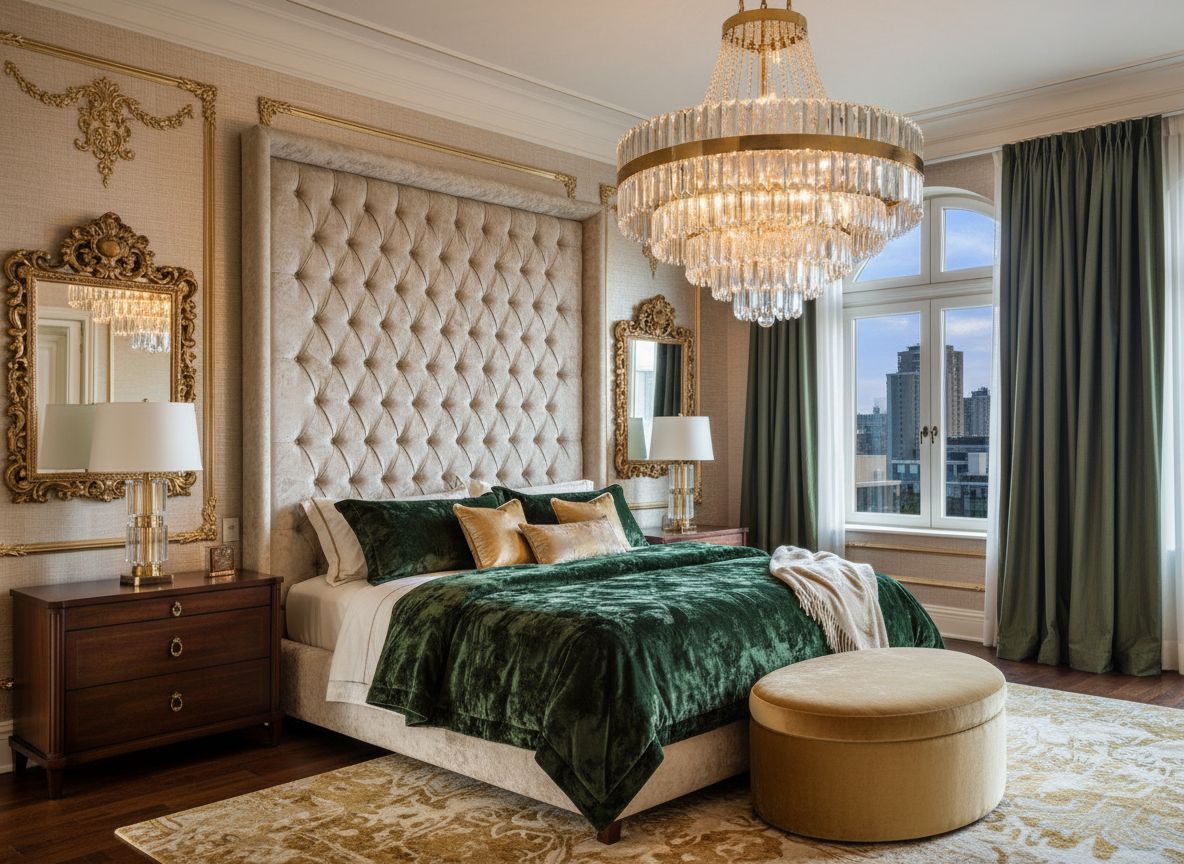
Timeless elegance with ornate details and rich finishes. Crown molding, raised panels, and classic palettes for sophisticated spaces.
Georgian
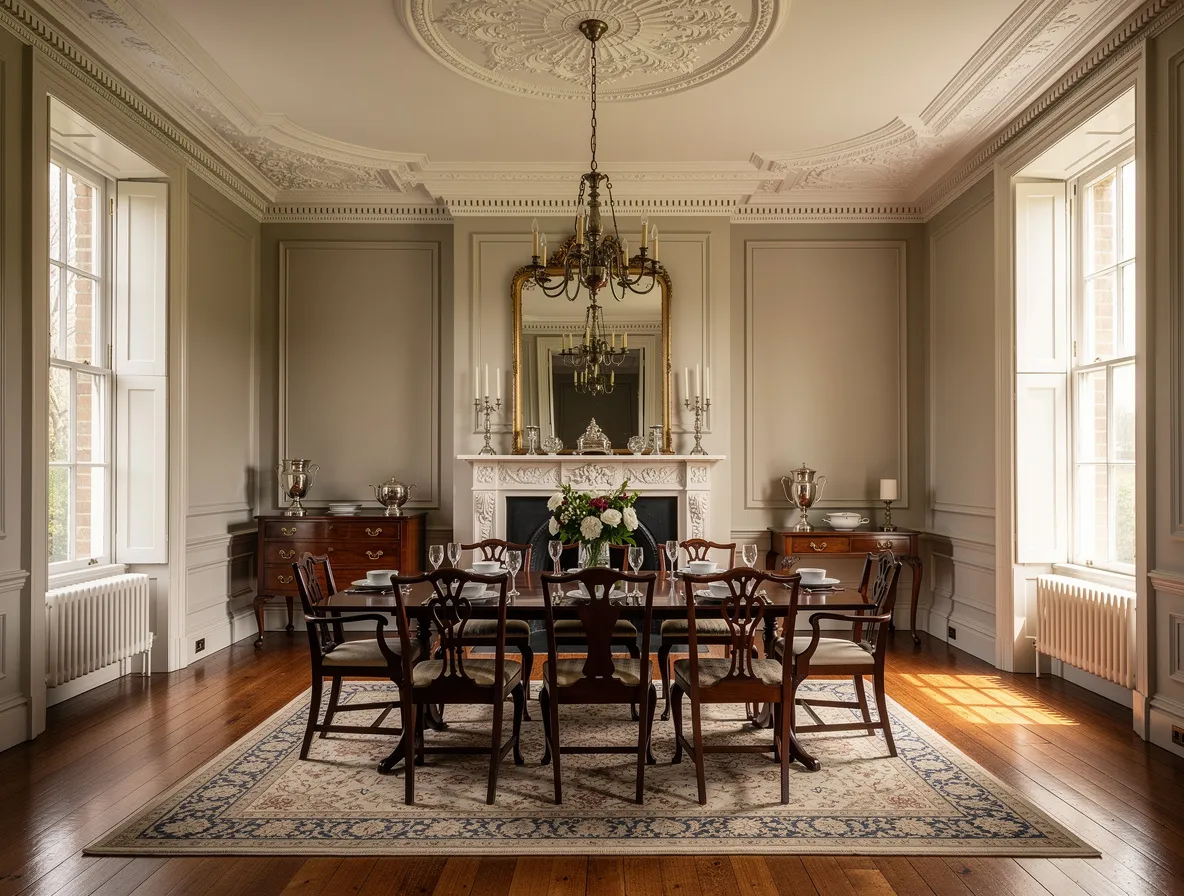
Tall sash windows, ornate plasterwork, and marble fireplaces define this stately British architectural tradition.
Baroque
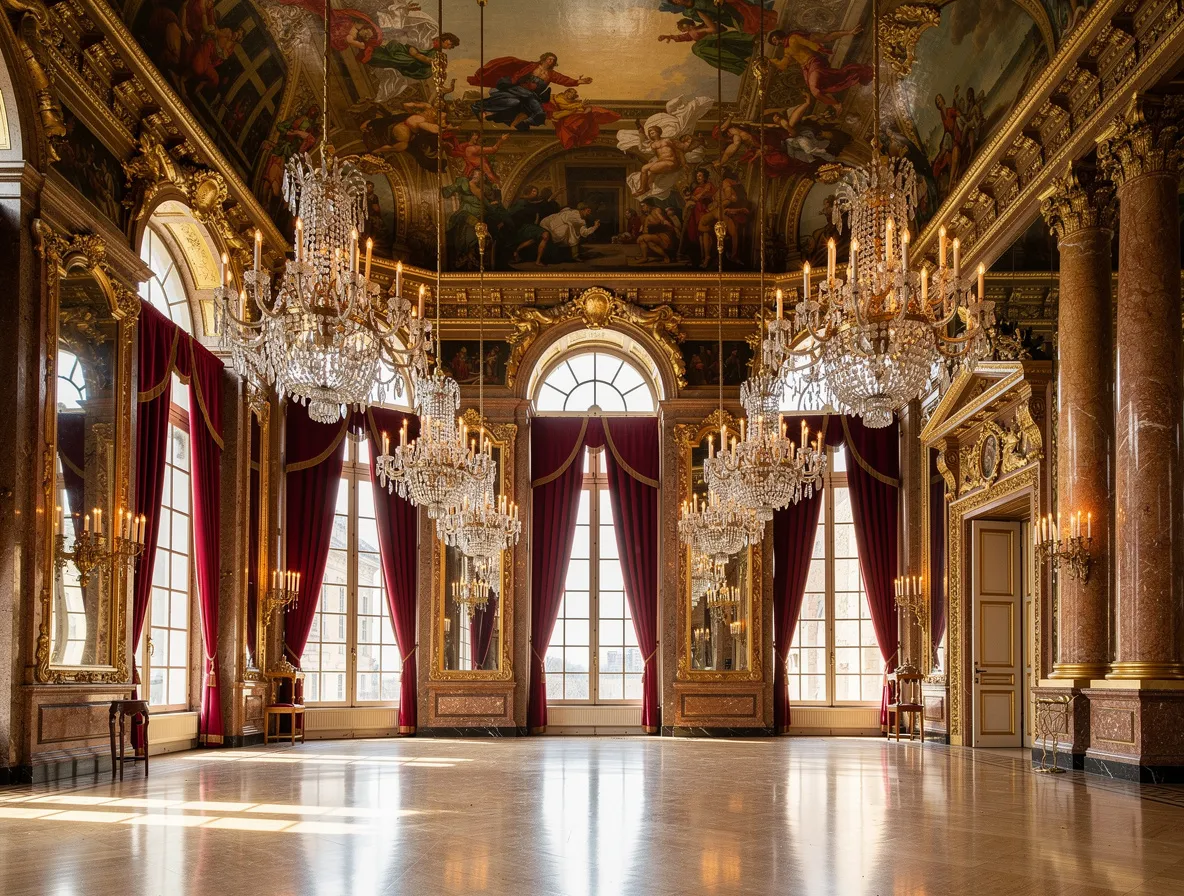
Dramatic opulence with ornate gold gilding, dramatic ceiling details, heavy velvet drapes, and crystal chandeliers.
Eclectic
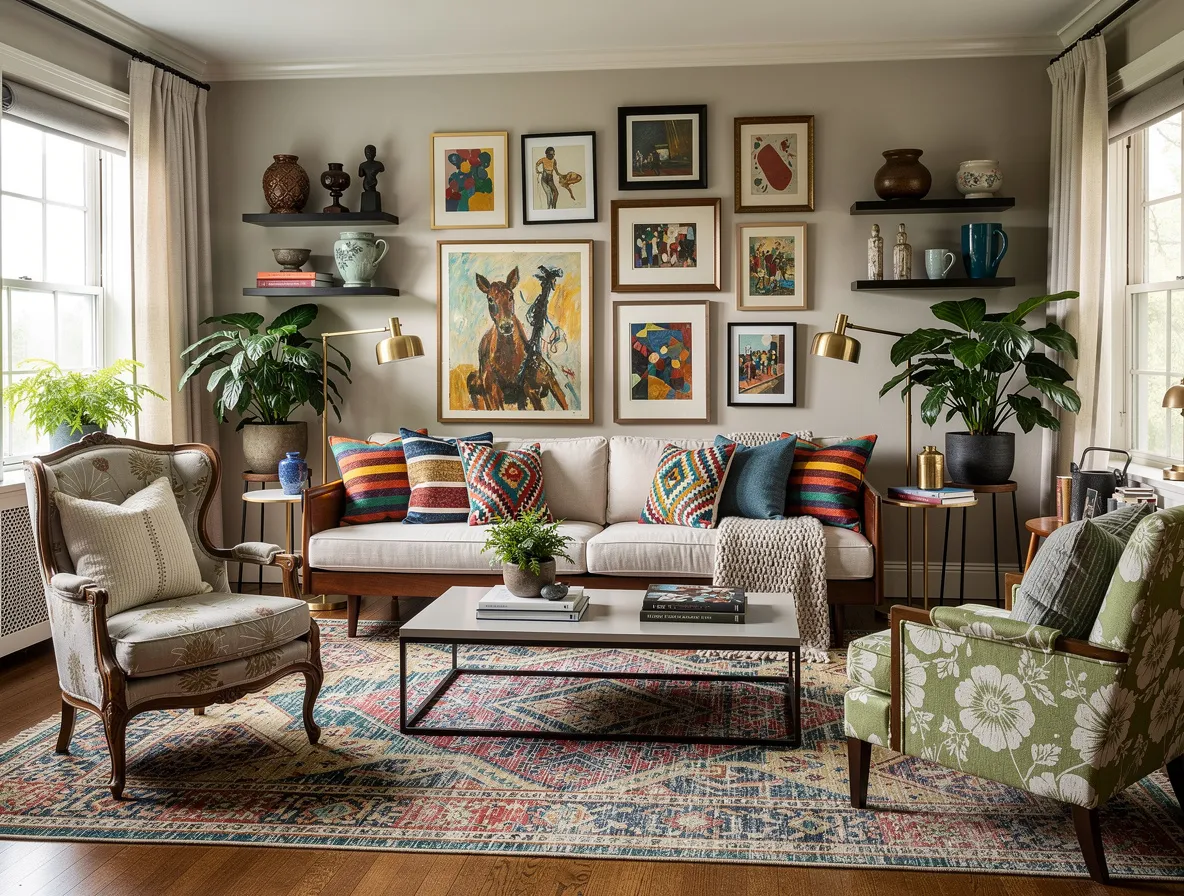
Mixed patterns, collected artwork, and bold colors create a curated, one-of-a-kind space full of personality.
Common Questions
Victorian Design: FAQ
What colors are typical in a Victorian interior?
Rich, dark colors in the early Victorian period - deep crimson, forest green, navy, gold. The late Victorian period embraced the lighter, more natural colors of the Aesthetic Movement - olive, sage, peacock blue, and dusty rose.
What makes a room look Victorian?
Patterned wallpaper, heavy drapes with multiple layers, a mixture of furniture styles and periods, dark wood furniture with carved details, and collections of objects on every surface. Pattern layering is the defining characteristic.
Can you do a Victorian interior in a modern home?
Absolutely - modern Victorian uses the color richness and pattern mixing of the original period without the heavy furniture or excessive accumulation. One strong wallpaper, rich drapes, and a few antique pieces can create the effect.
What is the difference between Victorian and Edwardian design?
Edwardian design (1901-1910) lightened and simplified Victorian excess - lighter colors, less pattern layering, more attention to sunlight and ventilation. It is Victorian with a cleaner conscience.
Ready to Transform Your Space?
Upload a photo and see it in victorian style - or any of our 80+ other styles - in seconds.