Greek Design
Whitewashed walls, cobalt blue accents, natural stone, and the clarity of Mediterranean light define the supremely pure and elemental Greek interior.
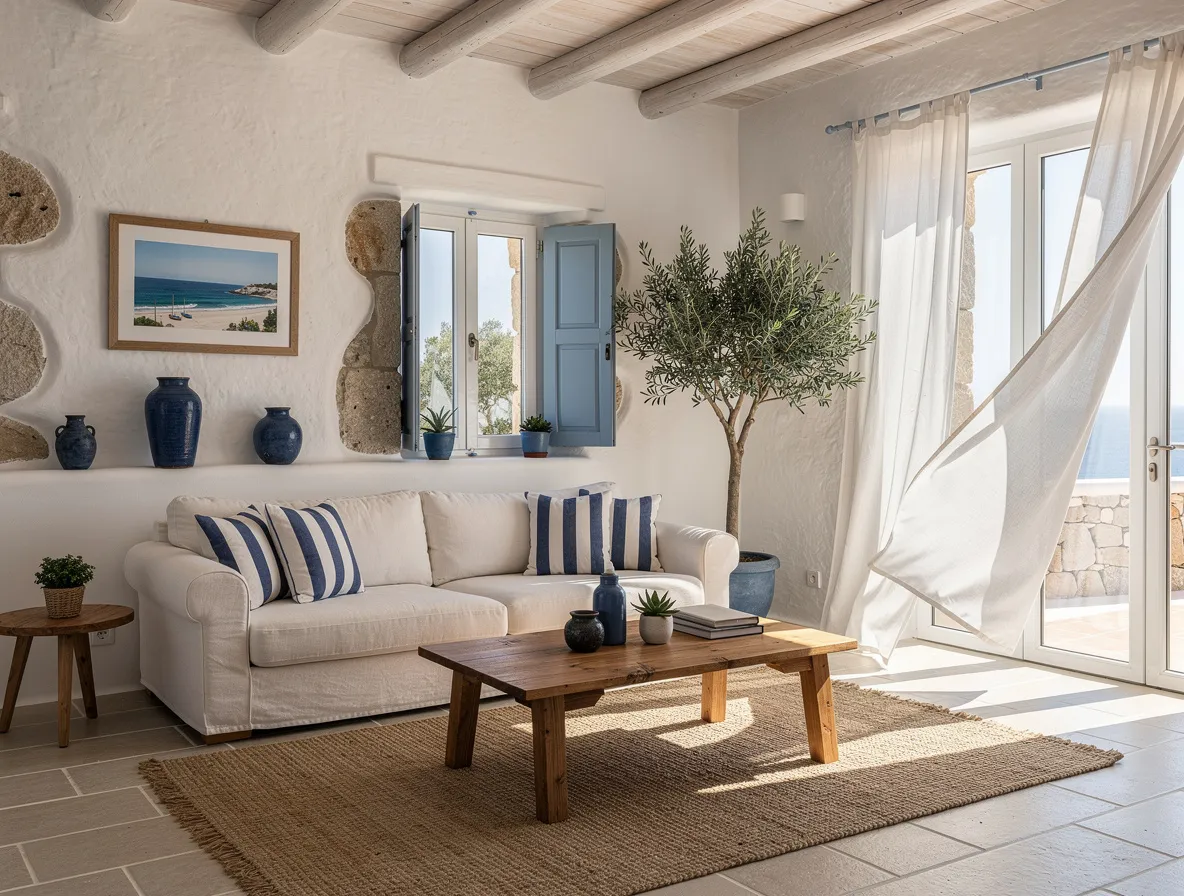
About the Style
What Is Greek Design?
Greek interior design draws from both the classical ancient tradition and the vernacular whitewashed architecture of the Cycladic islands. The Aegean aesthetic - brilliant white walls, cobalt blue shutters and domes, natural stone floors, simple timber furniture, and the constant presence of the sea - creates rooms of elemental beauty and clarity. Ancient Greek design contributes columns, classical proportions, and marble that underpin the entire Western architectural tradition.
Why People Love It
-
The white-and-blue palette is among the most universally beautiful in design history
-
Whitewashed walls and natural stone floors require almost no maintenance
-
Connection to Western architectural origins gives spaces a profound sense of meaning
-
Brilliant simplicity creates rooms that feel genuinely pure and calming
Key Characteristics
-
Brilliant whitewashed walls inside and out
-
Cobalt blue accents - shutters, cushions, pottery
-
Natural stone tile or flagstone floors
-
Simple timber or whitewashed furniture
-
Classical columns or pilasters where appropriate
-
Strong connection to natural light and outdoor views
Color Palette
Materials
Ideal For
Room-by-Room
Greek Design in Every Room
How greek design translates across every space in your home
Living Room
Brilliant white walls, a limestone floor, simple white-slipcovered seating with cobalt cushions, a terracotta pot with an olive tree, and a view of the sea.
Kitchen
White painted cabinetry, a stone countertop, blue-painted shelves, terracotta tile floor, and simple white ceramic dishware displayed openly.
Bedroom
White cotton bedding, whitewashed timber bed frame, natural stone floor, cobalt blue shutters, and a single terracotta oil lamp.
Bathroom
White marble or limestone walls and floor, a simple white basin, chrome or bronze fixtures, a round mirror with a simple frame.
Exterior
Brilliant whitewashed stucco walls, cobalt blue shutters and dome details, a stone terrace, bougainvillea on the walls, and a view to the sea.
Visualize It First
See Greek Design in Your Space
Upload any photo and our AI transforms it into greek style in seconds
Upload a photo
Any room, any angle. Interior or exterior - phone photo is fine.
Select "Greek"
Choose this style from our library or describe it to the AI in plain language.
Get your design
Photorealistic result in seconds. Download in HD or 4K resolution.
Expert Advice
How to Achieve Greek Design
Practical tips from designers who work with greek style every day.
Use a pure brilliant white for all walls - the Cycladic white is not warm or cream but a bright, reflective, lime-based white.
Introduce cobalt blue as a single consistent accent - one blue-painted door, cobalt cushions, blue pottery - not multiple competing blue tones.
Use natural stone or simple terracotta tile floors throughout - the texture and naturalness are essential to the Greek interior.
Keep furniture simple and white or bleached timber - no ornate profiles, no upholstery other than simple cotton or linen cushions.
Maximize window openings and connection to outdoor terraces - the Greek interior always borrows light and views from its landscape.
Design History
The Three Orders That Gave Western Design Its Grammar
Greek architecture invented a set of proportional rules so elegant and logically consistent that they have been the foundation of Western design for 2,500 years.
The Doric Order - Strength and Severity
The Doric order - the oldest and most austere - was developed in Dorian Greek colonies in the 7th century BC. It is recognised by its simple, unadorned capital (the top of the column), no base, and robust proportions. The Parthenon's columns are Doric. The order was associated with masculinity, strength, and military virtue, and its proportional system (column diameter to height ratio of 1:5.5) remains architecturally valid today.
The Ionic Order - Elegance and Refinement
The Ionic order developed in Ionian Greek cities (modern western Turkey) and added a scroll-shaped capital (volute), a column base, and more slender proportions. It was associated with intellectual pursuits and was used in temples dedicated to goddesses. The ratio of 1:9 (diameter to height) gives it a lighter, more refined quality that the Romans and Renaissance architects used for domestic and intellectual buildings.
The Corinthian Order - Maximum Ornament
The Corinthian order was the Greeks' most elaborate capital - an inverted bell surrounded by acanthus leaves. According to Vitruvius, it was invented after a sculptor saw a basket of a dead girl's toys overgrown by acanthus leaves on her grave. The Corinthian became the Roman favorite and is the order used in the most ornate buildings - the Pantheon, the US Capitol, and Corinthian columns in countless interior design applications.
Stuart and Revett's Antiquities of Athens
When James Stuart and Nicholas Revett published precise measurements of Athenian buildings in 1758, they gave architects and designers the first accurate reference for Greek design. The Greek Revival movement that followed (1800-1850) transformed American and European domestic design - adding Greek key patterns, anthemion friezes, and Ionic columns to everything from plantation houses to soup tureens.
Style Pairings
Styles That Complement Greek
Mix greek with these styles for a layered, personal look.
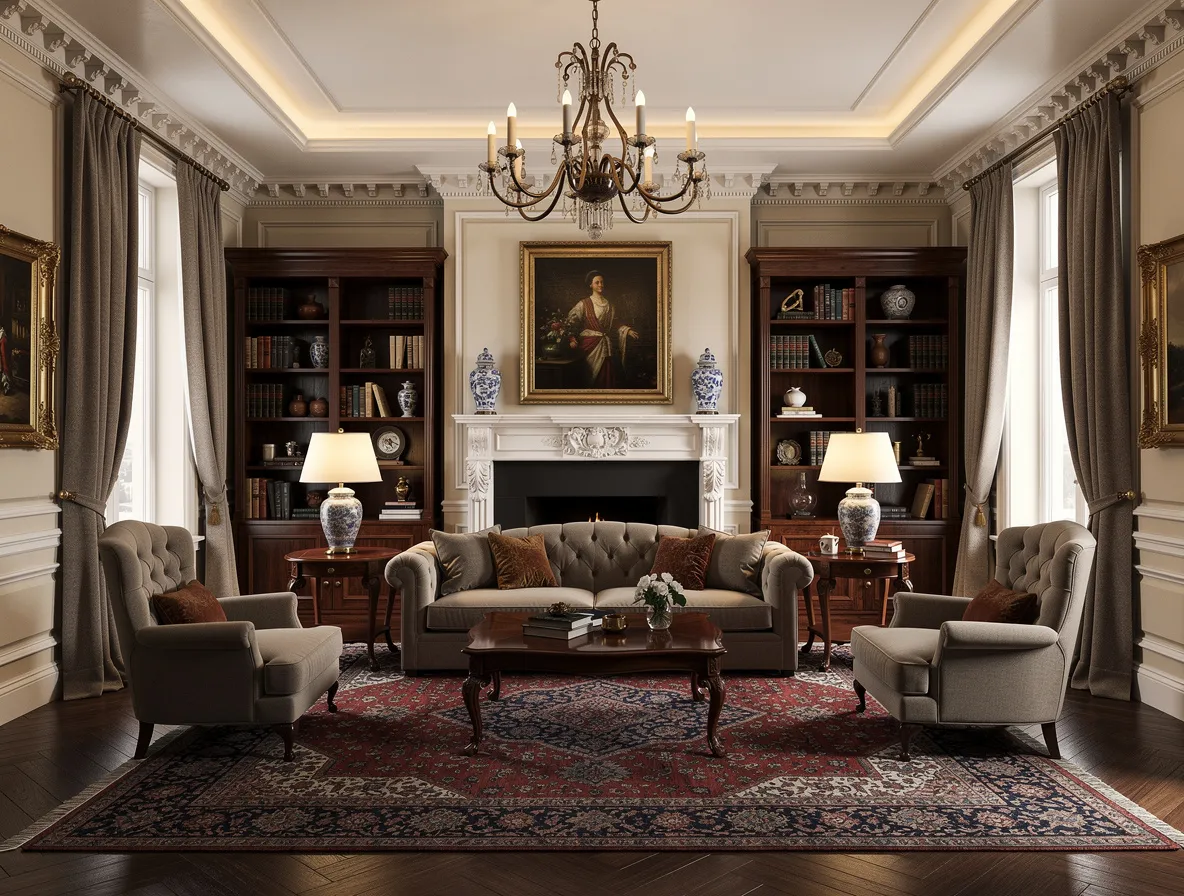
Classic
Elegant furnishings, balanced symmetry, and crown molding with rich wood tones create a look that never fades.
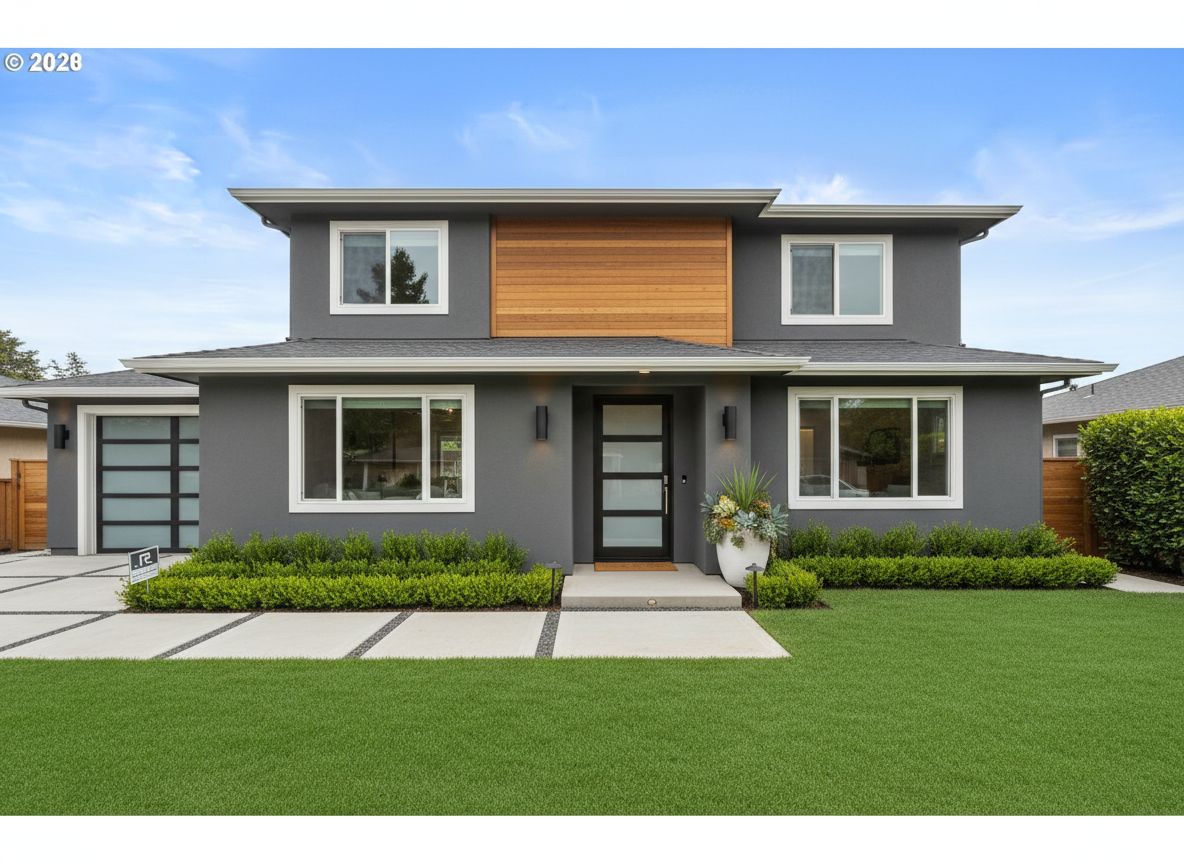
Mediterranean
Sun-drenched warmth inspired by coastal European villas. Terracotta, arches, and rich earth tones throughout.
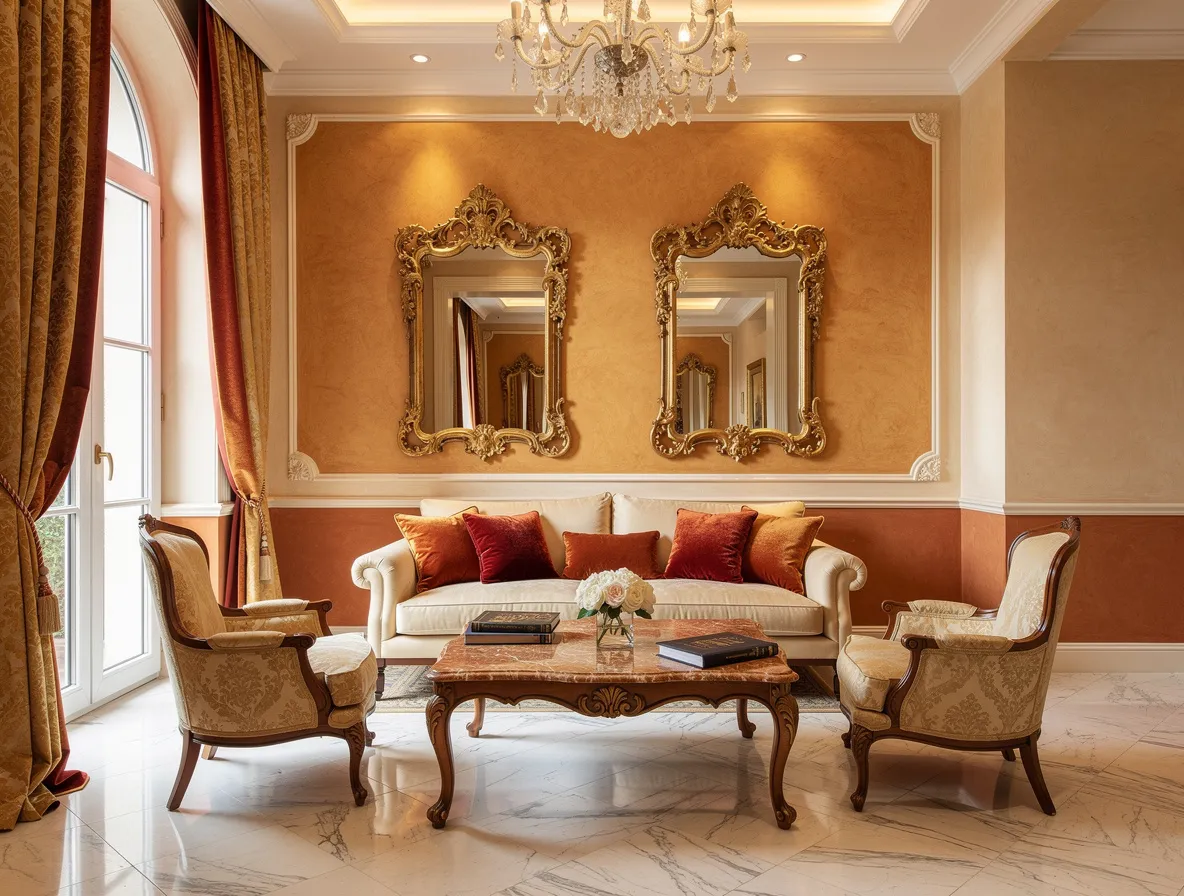
Italian
Marble floors, Venetian plaster, and ornate mirrors create luxurious spaces with warm Mediterranean soul.
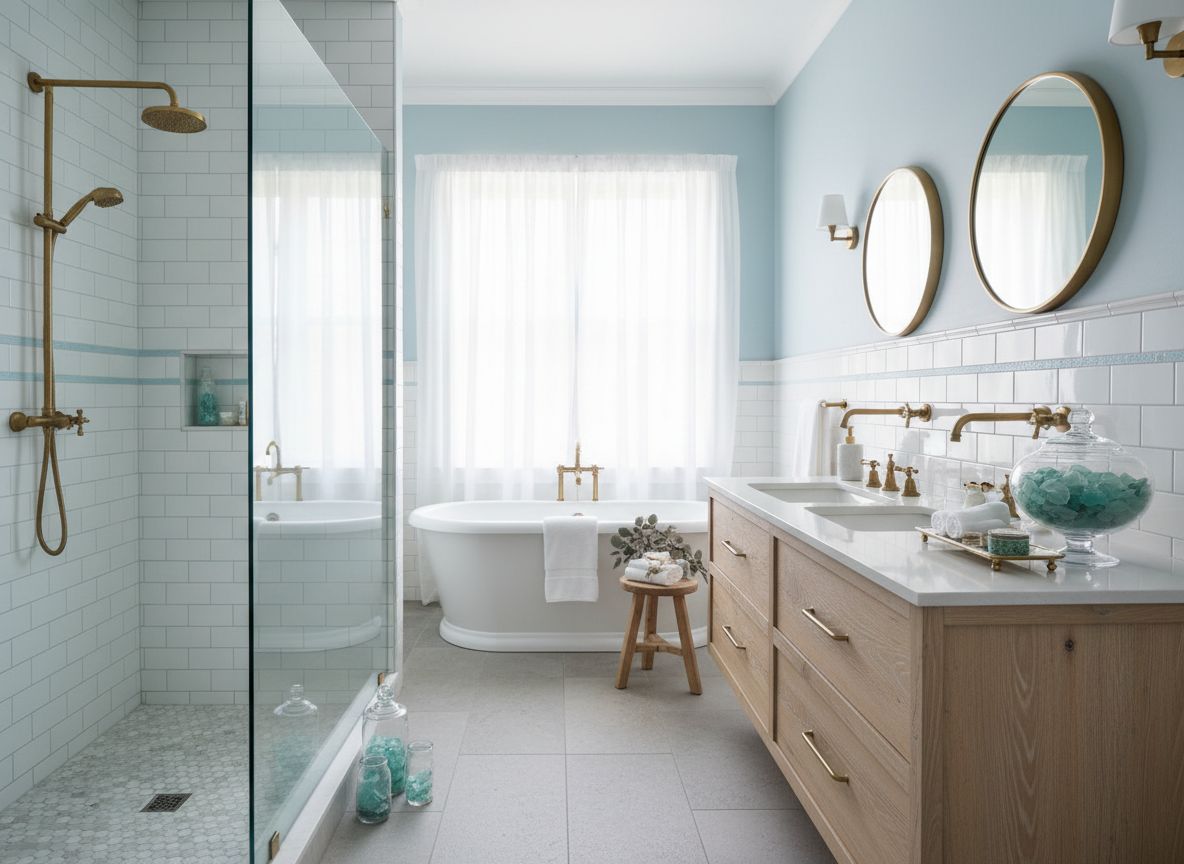
Coastal
Beach-house vibes with ocean-inspired colors and relaxed elegance. Perfect for seaside homes or anyone who loves the shore.
Common Questions
Greek Design: FAQ
What defines Greek interior design?
White walls reflecting Mediterranean light, geometric patterns (particularly the Greek key or meander), blue accents referencing sea and sky, terracotta and natural stone, and a clean, uncluttered emphasis on form over decoration.
What is the Greek key pattern and how is it used?
The Greek key (meander) is a continuous geometric pattern of right-angled spirals. It appears on borders of rugs, upholstery trim, tile edges, and decorative moldings. It is one of the oldest continuously used decorative motifs in Western design.
What colors represent Greek design?
Brilliant white walls with cobalt blue, natural stone gray, terracotta, and gold. This is the palette of the Cycladic islands - Santorini and Mykonos - and has become the globally recognised shorthand for Greek design.
How do I incorporate Greek design elements into a modern home?
White walls are the foundation. Add a Greek key patterned rug, some blue ceramic accessories, a terracotta pot or two, and column-inspired architectural details. Greek design is about clarity and proportion as much as decoration.
Ready to Transform Your Space?
Upload a photo and see it in greek style - or any of our 80+ other styles - in seconds.