Coastal Design
Sun-bleached tones, natural textures, and an effortless breezy spirit bring the serenity of seaside living into any interior.
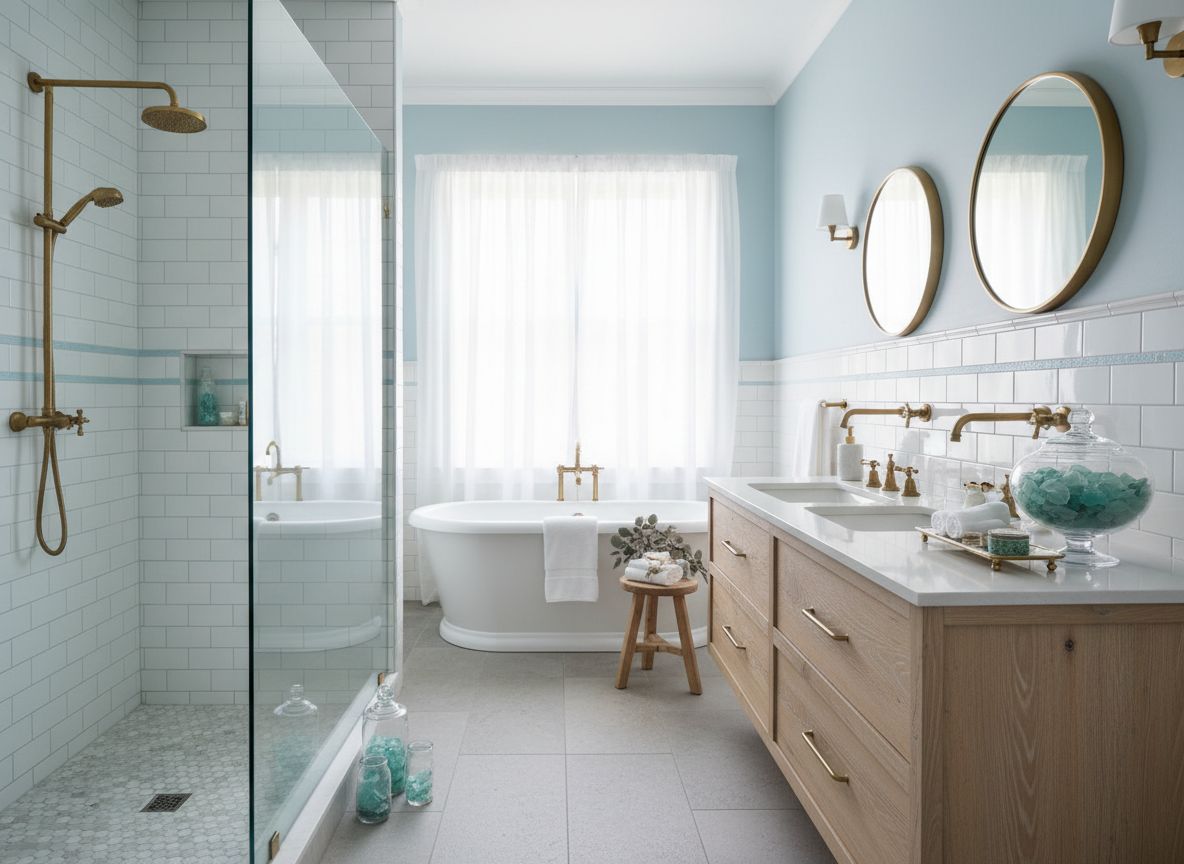
About the Style
What Is Coastal Design?
Coastal design captures the relaxed rhythm of beach living through a palette drawn from sand, sea, and sky. Whitewashed timbers, navy and aqua accents, rattan furniture, and linen textiles define the look. The style prioritizes natural light, airy open spaces, and materials that reference the ocean - making any room feel like a permanent vacation retreat.
Why People Love It
-
Instantly creates a relaxed, vacation-like atmosphere for daily living
-
Natural materials age beautifully and only improve with wear and time
-
Works anywhere - not just at the beach - because it is about a mood
-
Palette of blues and whites is universally calming for any family
Key Characteristics
-
Whitewashed or bleached timber furniture
-
Navy, aqua, and sandy neutral palette
-
Rattan and wicker accent pieces
-
Linen and cotton textiles in white and blue
-
Generous natural light with sheer window treatments
-
Subtle nautical-inspired decor elements
Color Palette
Materials
Ideal For
Room-by-Room
Coastal Design in Every Room
How coastal design translates across every space in your home
Living Room
White slipcovered sofa, jute area rug, rattan armchairs, navy throw pillows, and a driftwood coffee table with shells create effortless coastal living.
Kitchen
White Shaker cabinets with sea glass hardware, open shelving with casual dishware, and a butcher block island give the coastal kitchen approachable warmth.
Bedroom
Whitewashed timber bed frame, blue-and-white striped linen bedding, sheer curtains, and a woven pendant light deliver relaxed seaside bedroom charm.
Bathroom
White subway tile, navy or sea glass grout, teak bath mat, brushed nickel fixtures, and a porthole-style mirror capture coastal bathroom style effortlessly.
Exterior
White or pale gray clapboard siding, navy shutters, a wraparound porch with rattan seating, and coastal plantings define the classic seaside home exterior.
Visualize It First
See Coastal Design in Your Space
Upload any photo and our AI transforms it into coastal style in seconds
Upload a photo
Any room, any angle. Interior or exterior - phone photo is fine.
Select "Coastal"
Choose this style from our library or describe it to the AI in plain language.
Get your design
Photorealistic result in seconds. Download in HD or 4K resolution.
Expert Advice
How to Achieve Coastal Design
Practical tips from designers who work with coastal style every day.
Start with white walls and let furniture and textiles carry the coastal color - sandy tones, driftwood, and ocean blues layered progressively.
Mix rattan chairs, a jute rug, and linen curtains to build the natural texture foundation that coastal design depends on.
Whitewash or limewash existing timber furniture rather than buying new - it is inexpensive and delivers instant coastal character.
Use sheer white linen curtains instead of blinds to maximize light and allow breezes to move the fabric for life and movement.
Edit nautical accessories carefully - one or two driftwood pieces or coral accents add seaside character without becoming a themed souvenir shop.
The Psychology
Why Coastal Interiors Make You Feel Calmer
It is not coincidence that coastal design feels relaxing - there is robust scientific research explaining exactly why proximity to water, and environments that evoke it, measurably reduce stress.
Blue Mind Theory
Marine biologist Wallace J. Nichols coined the term 'blue mind' after reviewing decades of neuroscience research. Being near, in, on, or under water shifts the brain into a mildly meditative state - lower heart rate, lower cortisol, reduced neural activity in the default mode network, which is the part of the brain responsible for rumination.
The Color Blue Slows the Heart Rate
Multiple studies have measured cardiovascular responses to color. Blue and blue-green tones consistently produce measurable reductions in heart rate and blood pressure compared to warm reds and oranges. Coastal color palettes are unintentionally cardiovascular medicine.
Natural Light and Open Horizons
Coastal design maximises natural light and emphasises views to the horizon - both of which trigger neurological responses associated with safety and opportunity. Wide sightlines are evolutionarily read as low-threat environments, which reduces baseline anxiety.
Texture as a Sensory Cue
The rough textures of woven seagrass, linen, and weathered wood trigger tactile memories of beach environments. Research on sensory cues shows that environmental textures can activate associated emotional memories without conscious recognition, creating calm without the person knowing why.
Style Pairings
Styles That Complement Coastal
Mix coastal with these styles for a layered, personal look.
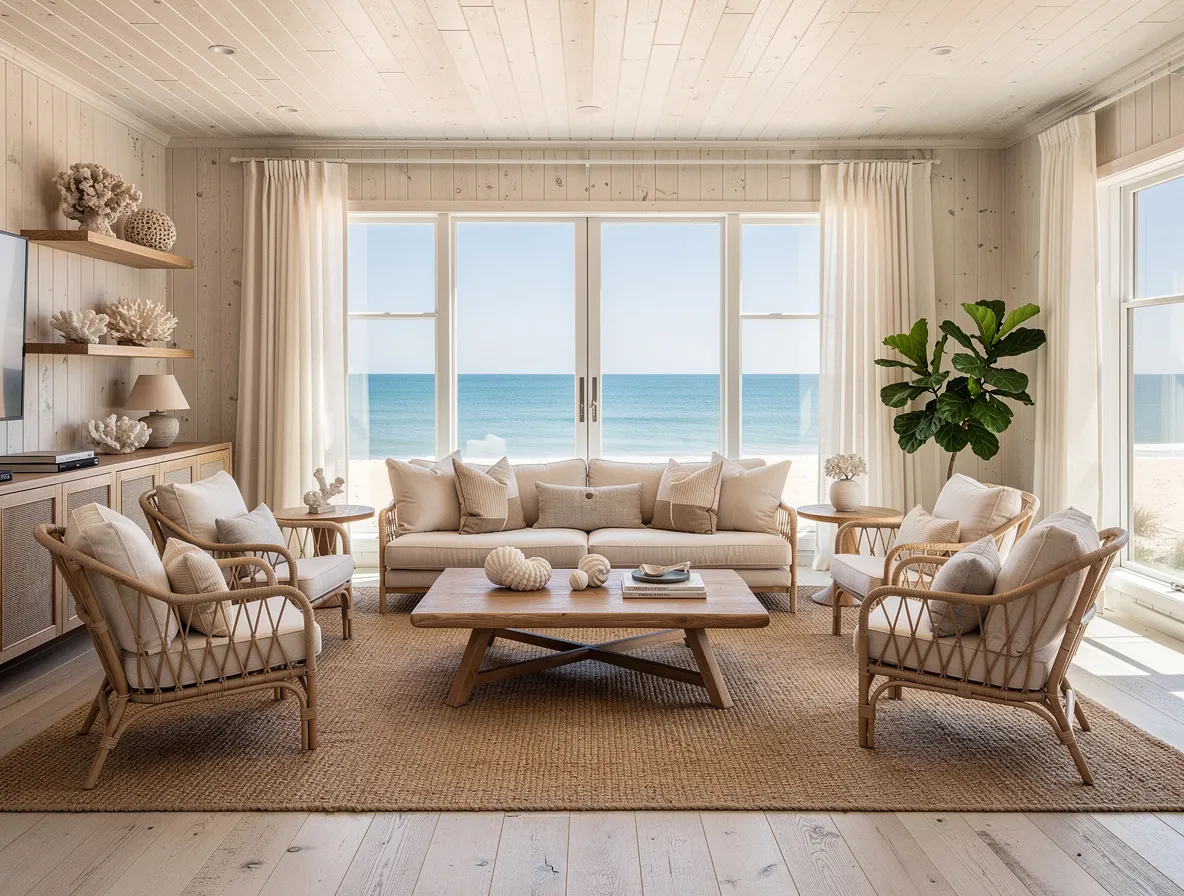
Beach
Whitewashed wood, sandy neutral tones, and rattan furniture create a relaxed, vacation-ready atmosphere.
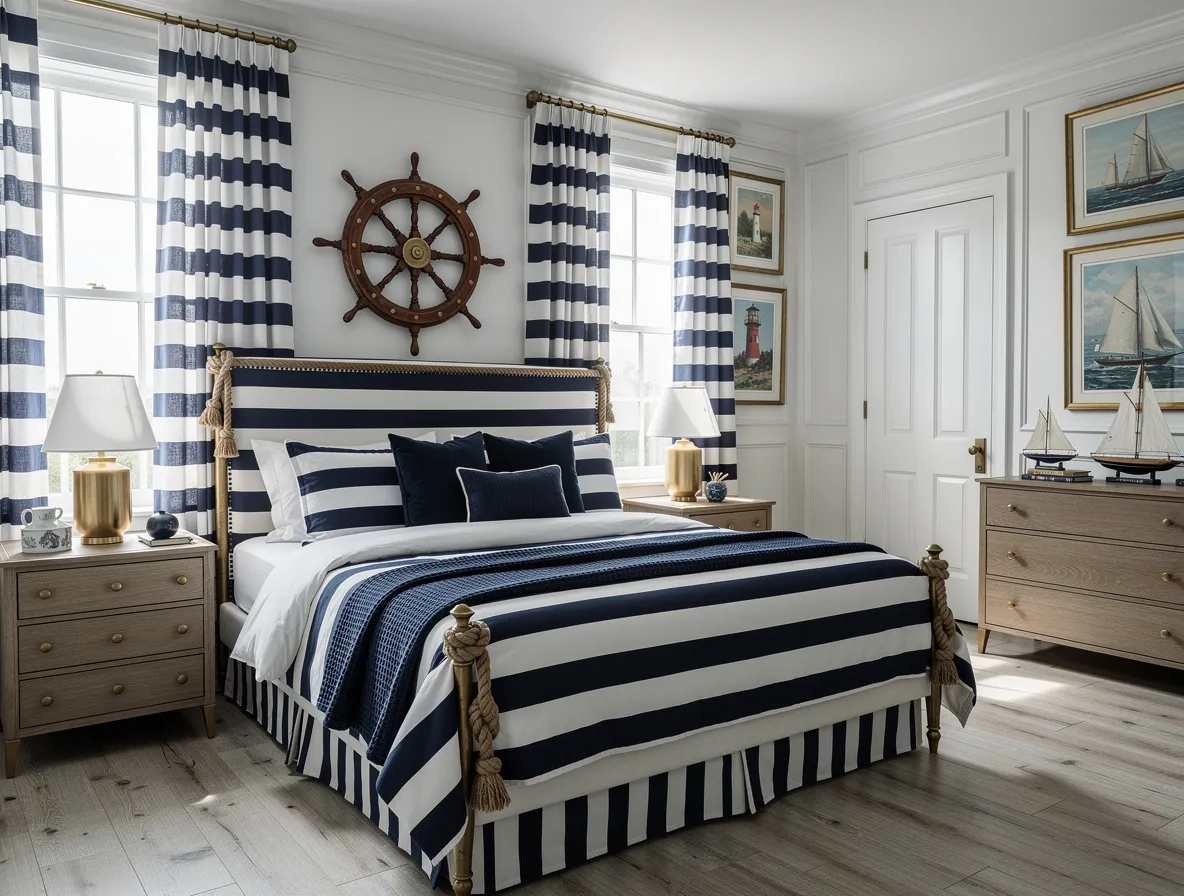
Nautical
Navy-and-white stripes, rope details, and brass hardware bring classic maritime charm to any interior.
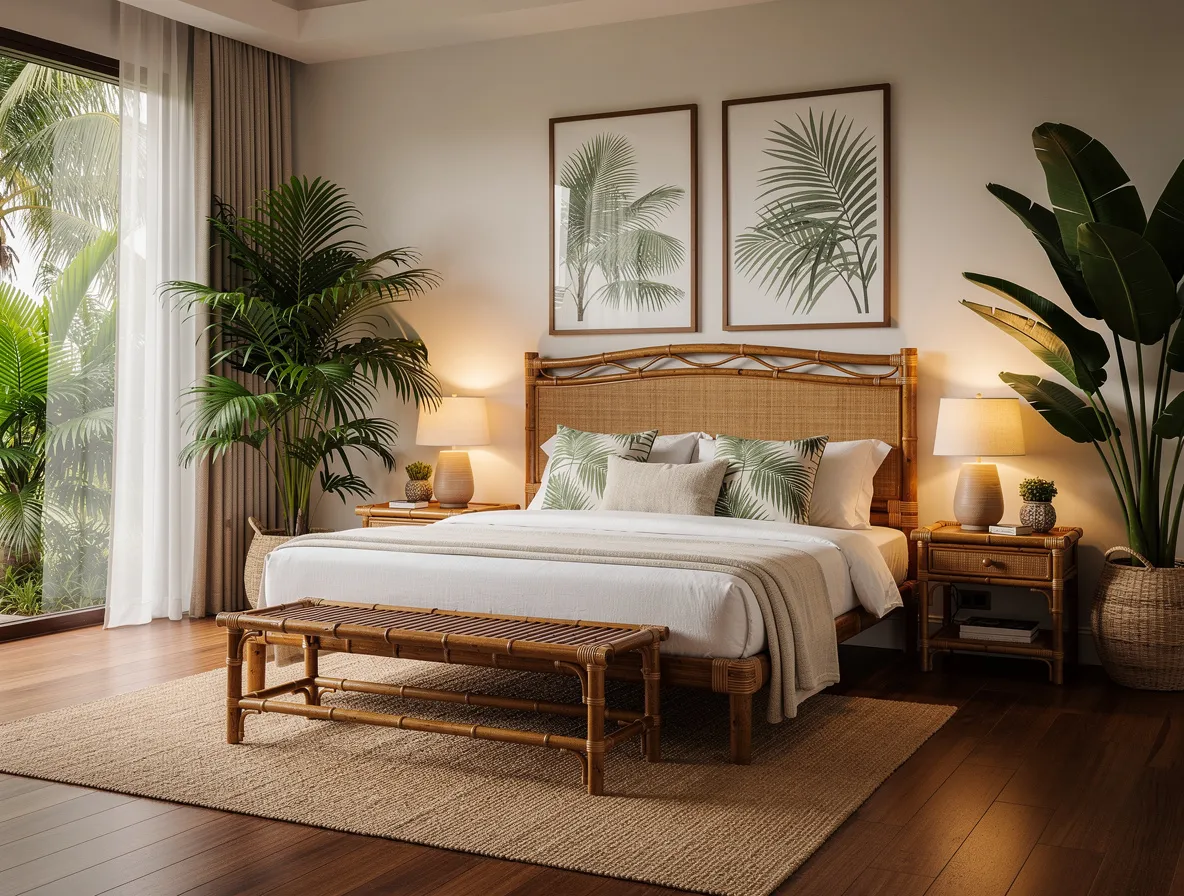
Tropical
Bamboo furniture, palm-leaf prints, and lush greenery create a vibrant, resort-inspired paradise at home.
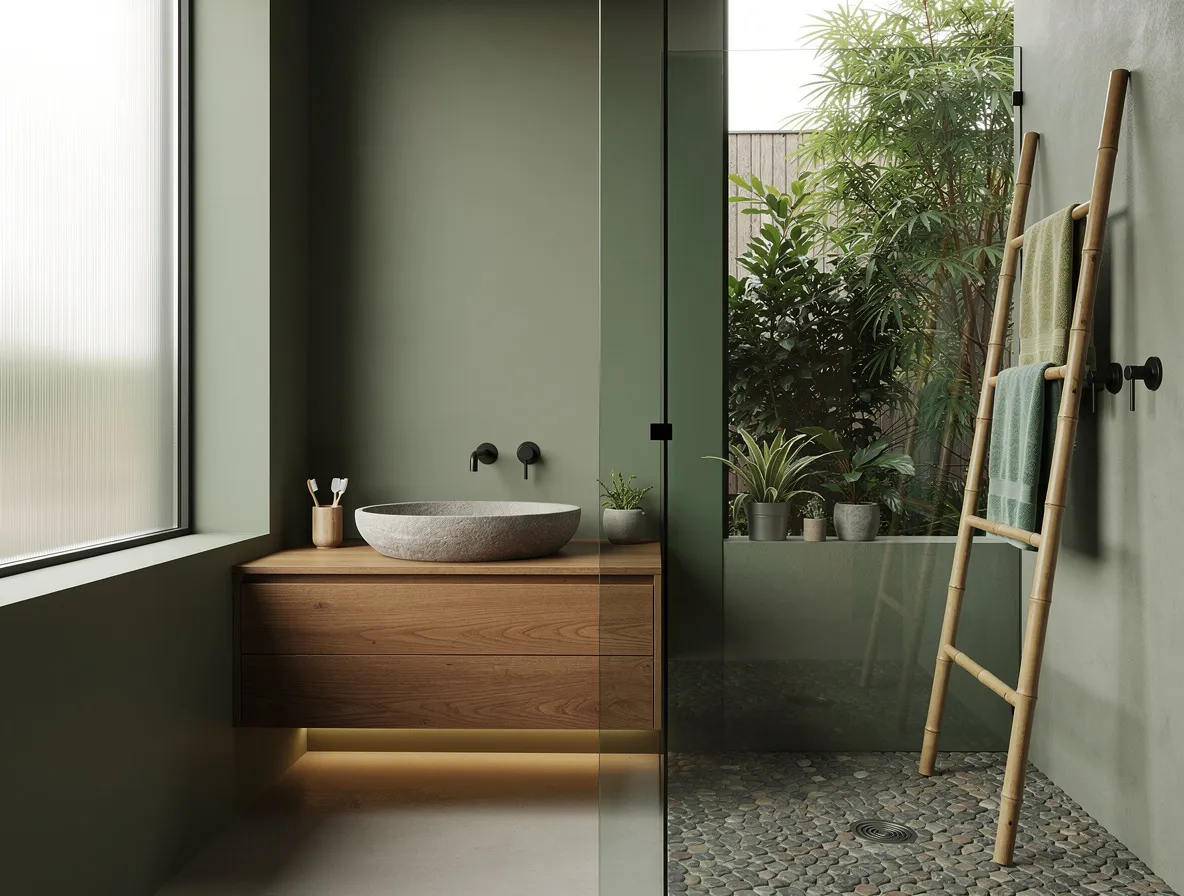
Natural
Stone basins, wooden vanities, and pebble accents bring the serenity of the outdoors into every room.
Common Questions
Coastal Design: FAQ
What is the difference between coastal and nautical design?
Coastal is relaxed, organic, and inspired by beach living - driftwood, linen, sandy tones. Nautical is more structured and references sailing heritage - rope, navy blue, brass, stripes, and anchors.
Can coastal design work inland, far from any ocean?
Absolutely. Coastal design is about the feeling of airy, light-filled space and natural materials - not geographic location. It works wherever you want to create a calm, uncluttered atmosphere.
What colors define coastal design?
Soft blues, sandy beiges, warm whites, sage greens, and bleached driftwood tones. Avoid saturated or dark colors. The palette should feel like it has been faded by sun and salt.
What materials are most used in coastal interiors?
Whitewashed or bleached wood, woven rattan and seagrass, linen and cotton in natural tones, ceramic tiles, and weathered metals like aged brass or brushed nickel.
How do I avoid making a coastal room look kitschy?
Avoid literal seashell and anchor accessories. Instead, use the color palette and natural materials without the obvious nautical props. Subtlety is the difference between coastal chic and beach shop souvenir.
Ready to Transform Your Space?
Upload a photo and see it in coastal style - or any of our 80+ other styles - in seconds.