Nautical Design
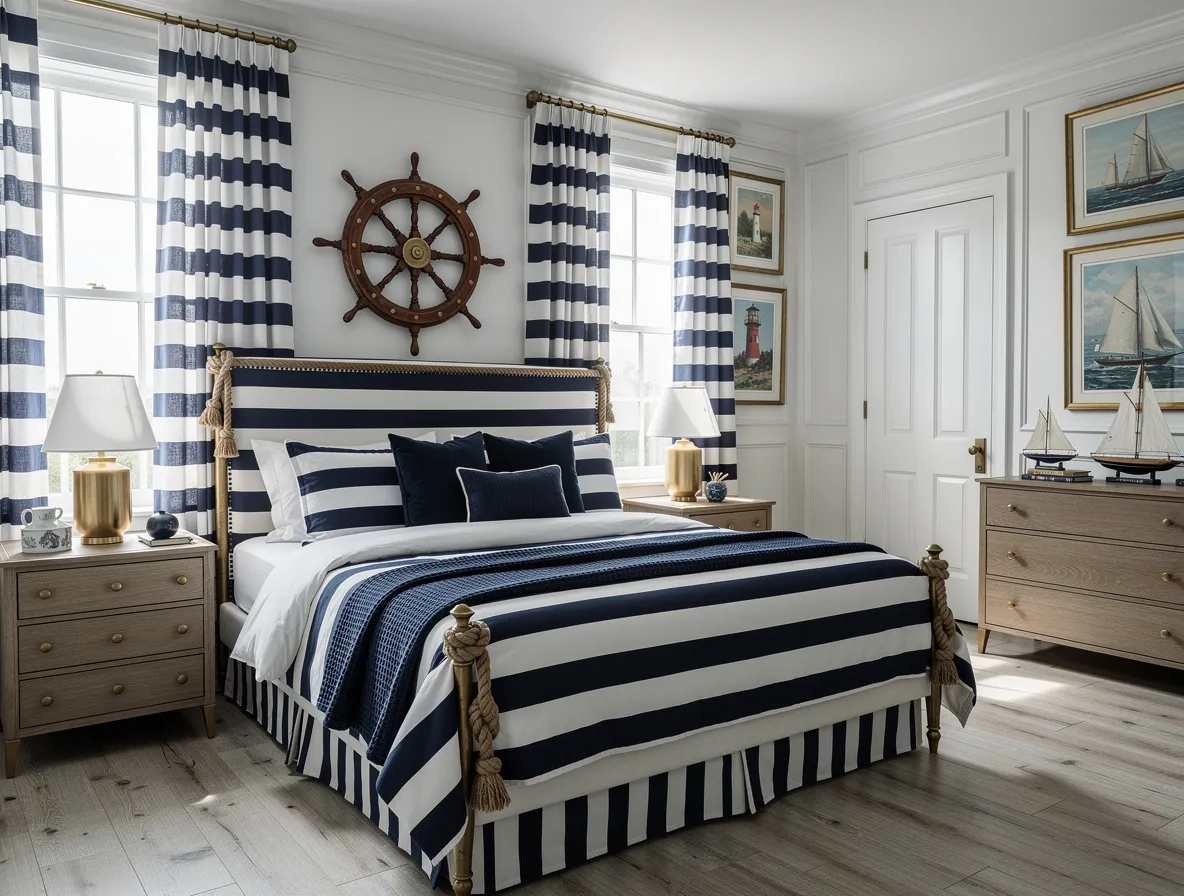
Navy and white stripes, ship-lap paneling, brass portholes, and rope details bring the disciplined elegance of maritime tradition into the home.
About the Style
What Is Nautical Design?
Nautical design draws from the visual language of sailing ships, yacht interiors, and working harbors. Navy blue and white are the foundational colors; rope, brass, and teak are the materials; and stripes, anchors, and porthole shapes are the motifs. Unlike casual coastal design, nautical interiors have a disciplined, purposeful quality - everything has a function, and the design reflects the ordered beauty of a well-rigged vessel.
Why People Love It
-
Navy and white is one of the most classically beautiful and enduring color combinations
-
Teak and brass materials used in genuine maritime applications age magnificently
-
The discipline and order of nautical design creates very satisfying, organized spaces
-
Works beautifully in small spaces - yacht design is the original small-space efficiency expert
Key Characteristics
-
Navy blue and white as primary colors
-
Horizontal stripe patterns in textiles
-
Teak or whitewashed timber details
-
Brass hardware and porthole mirrors
-
Rope detailing in accessories and furniture
-
Ship-lap or V-groove timber paneling
Color Palette
Materials
Ideal For
Room-by-Room
Nautical Design in Every Room
How nautical design translates across every space in your home
Living Room
Navy and white striped sofa, teak coffee table, ship-lap paneling, brass porthole mirror, rope-trimmed accessories, and a framed nautical chart.
Kitchen
White cabinetry with navy accents, brass hardware, a ship-lap backsplash, teak cutting board, and ceramic dishware in navy and white.
Bedroom
Navy and white striped bedding, ship-lap headboard wall, brass porthole mirror, rope nautical knot display, and a teak bedside table.
Bathroom
White hexagonal tile, navy grout, a porthole mirror, brass fixtures, ship-lap walls, and a teak bath mat.
Exterior
White clapboard or ship-lap exterior, navy shutters, brass door hardware, a flagpole with a maritime flag, and a dock or waterfront terrace.
Visualize It First
See Nautical Design in Your Space
Upload any photo and our AI transforms it into nautical style in seconds
Upload a photo
Any room, any angle. Interior or exterior - phone photo is fine.
Select "Nautical"
Choose this style from our library or describe it to the AI in plain language.
Get your design
Photorealistic result in seconds. Download in HD or 4K resolution.
Expert Advice
How to Achieve Nautical Design
Practical tips from designers who work with nautical style every day.
Anchor the palette with true navy (not any blue) and crisp white - stripes in these two colors applied to bedding, cushions, and curtains establish the nautical character.
Install ship-lap or V-groove timber paneling painted in white or navy on one wall - it is the single most impactful nautical architectural element.
Use porthole mirrors consistently - one in each room in the same brass or chrome frame - rather than as isolated curiosities.
Substitute rope for standard curtain hardware - rope-wrapped curtain poles, rope handles on drawers, and knotted rope accessories all work.
Frame nautical charts or vintage maritime maps rather than standard art - they are beautiful, specific, and deeply appropriate.
Design History
How Sailors' Quarters Became a Luxury Design Aesthetic
Nautical interior design is not a romantic invention - it descends directly from the pragmatic design tradition of working sailing vessels, where every inch mattered and everything had to be secured against 40-foot waves.
The Ship's Mess Aesthetic
Navy mess halls and officers' wardrooms on 18th and 19th-century ships were designed to function in extreme conditions - teak floors that resisted salt water and scrubbed clean, brass fittings that did not rust, walls of dark varnished wood panels, and simple benches fixed to the deck. This practical combination of materials became the visual language of nautical design that decorators have been referencing ever since.
The Original Rope Work
Sailors spent their idle hours doing scrimshaw and knotwork - elaborate decorative arrangements of rope that served no functional purpose beyond keeping hands busy. These rope ornaments migrated from ships to shore and became a decorative motif. Modern nautical design uses rope railings, rope-wrapped mirrors, and knotwork accessories that descend directly from this tradition.
Teak and Brass - Engineering Requirements Become Decor
Teak was the preferred decking material on sailing vessels because it is naturally water-resistant, splinter-resistant when wet, and incredibly durable. Brass was used for every metal fitting because it resisted salt corrosion better than iron or steel. These two materials - teak and brass - became the signature palette of nautical design not as a stylistic choice but because they were the best available engineering solutions.
The Naval Architecture of Built-Ins
Space is always the fundamental problem on a vessel. Naval architects responded with built-in benches with storage beneath, fold-down tables, and overhead racks - everything fixed and multi-functional. This tradition of built-in, space-maximising furniture is directly ancestral to the built-in storage that defines all good small-space design today.
Style Pairings
Styles That Complement Nautical
Mix nautical with these styles for a layered, personal look.
Traditional
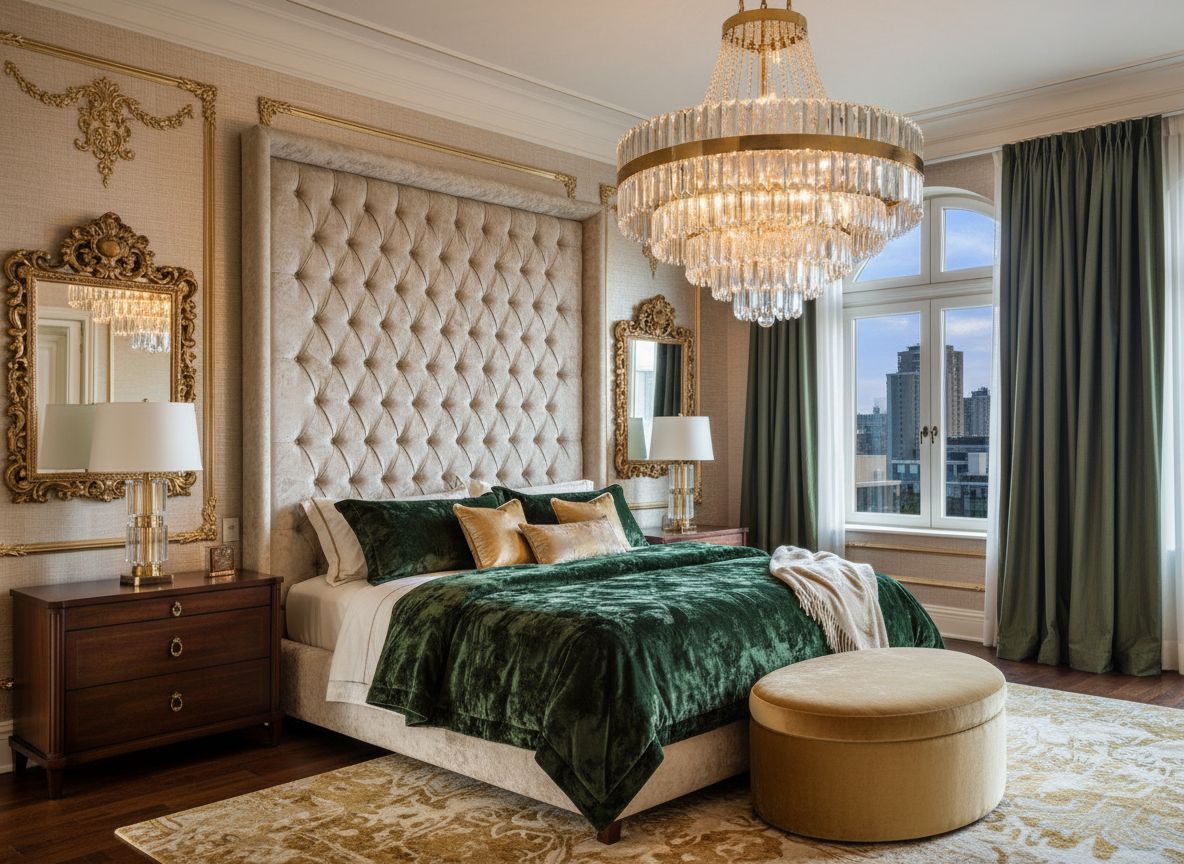
Timeless elegance with ornate details and rich finishes. Crown molding, raised panels, and classic palettes for sophisticated spaces.
Farmhouse
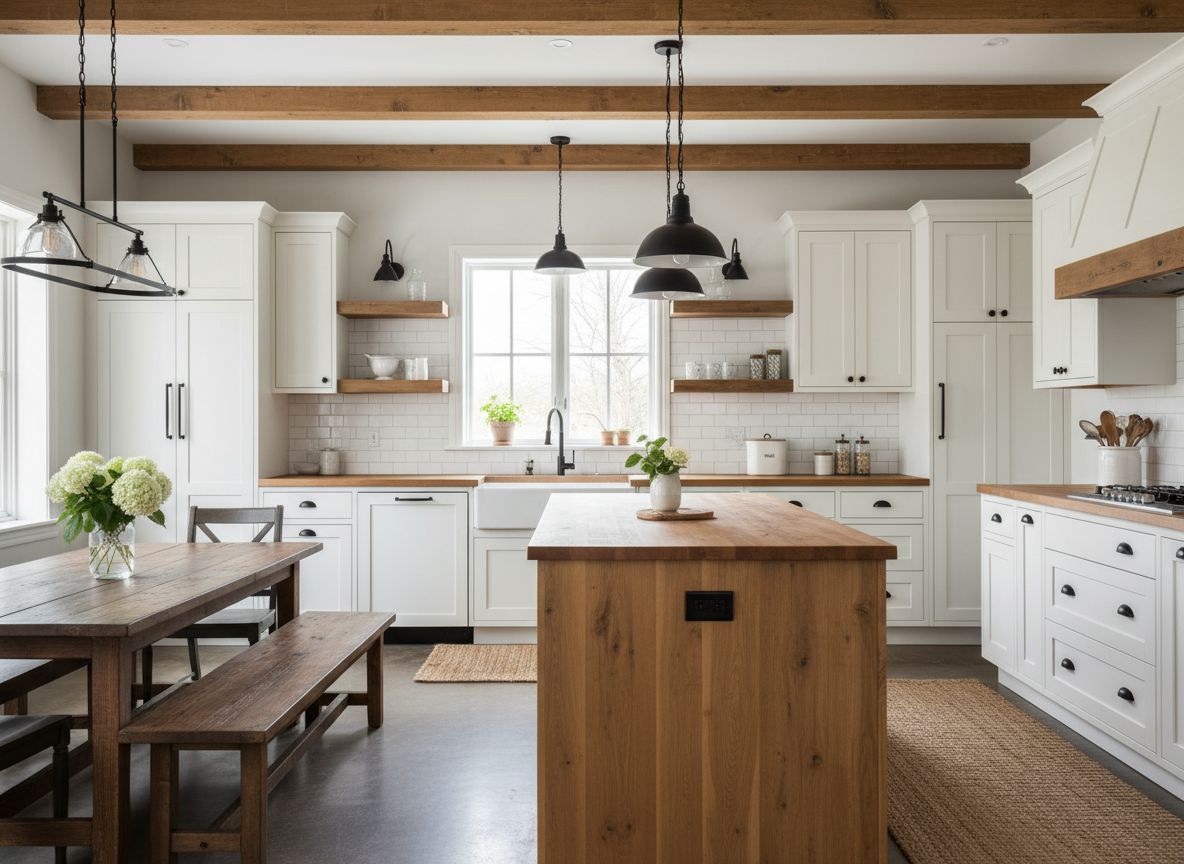
Warm, inviting spaces with rustic charm and modern comfort. Shaker cabinets, natural wood elements, and vintage-inspired fixtures.
Coastal
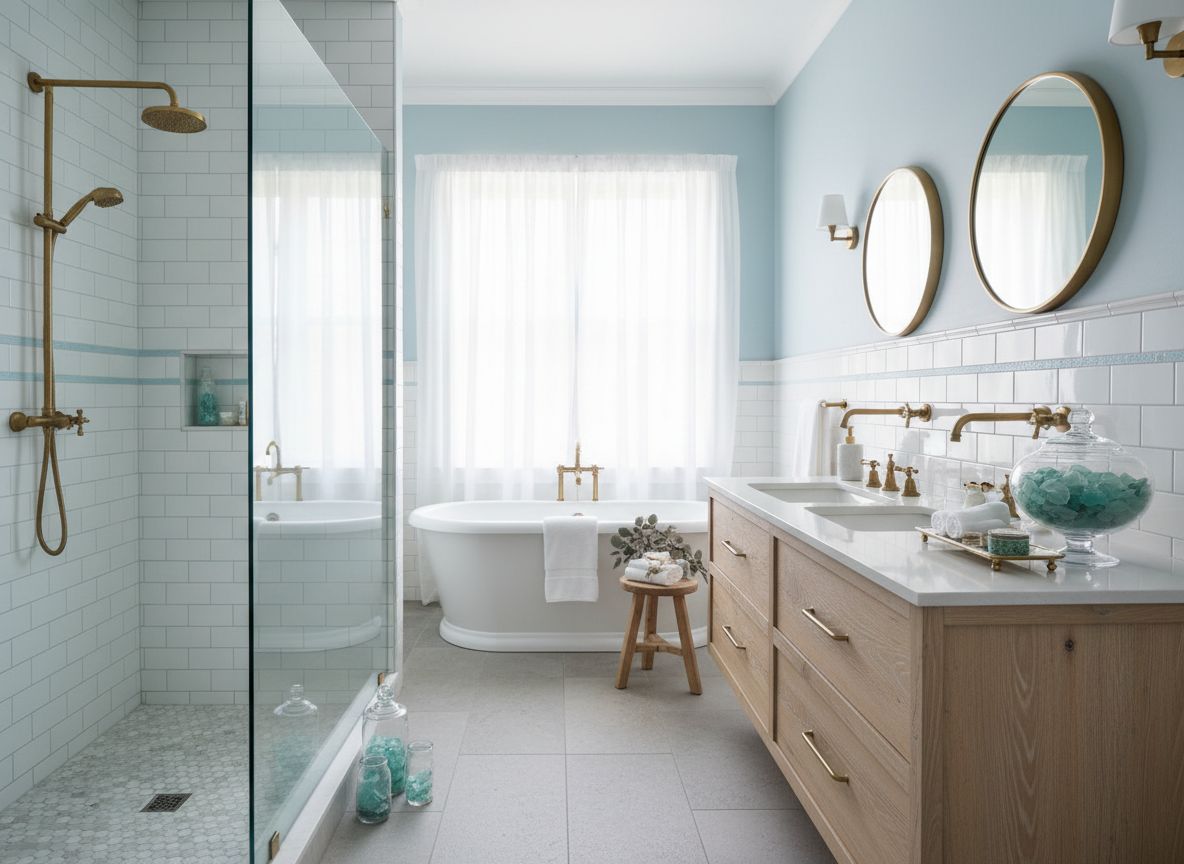
Beach-house vibes with ocean-inspired colors and relaxed elegance. Perfect for seaside homes or anyone who loves the shore.
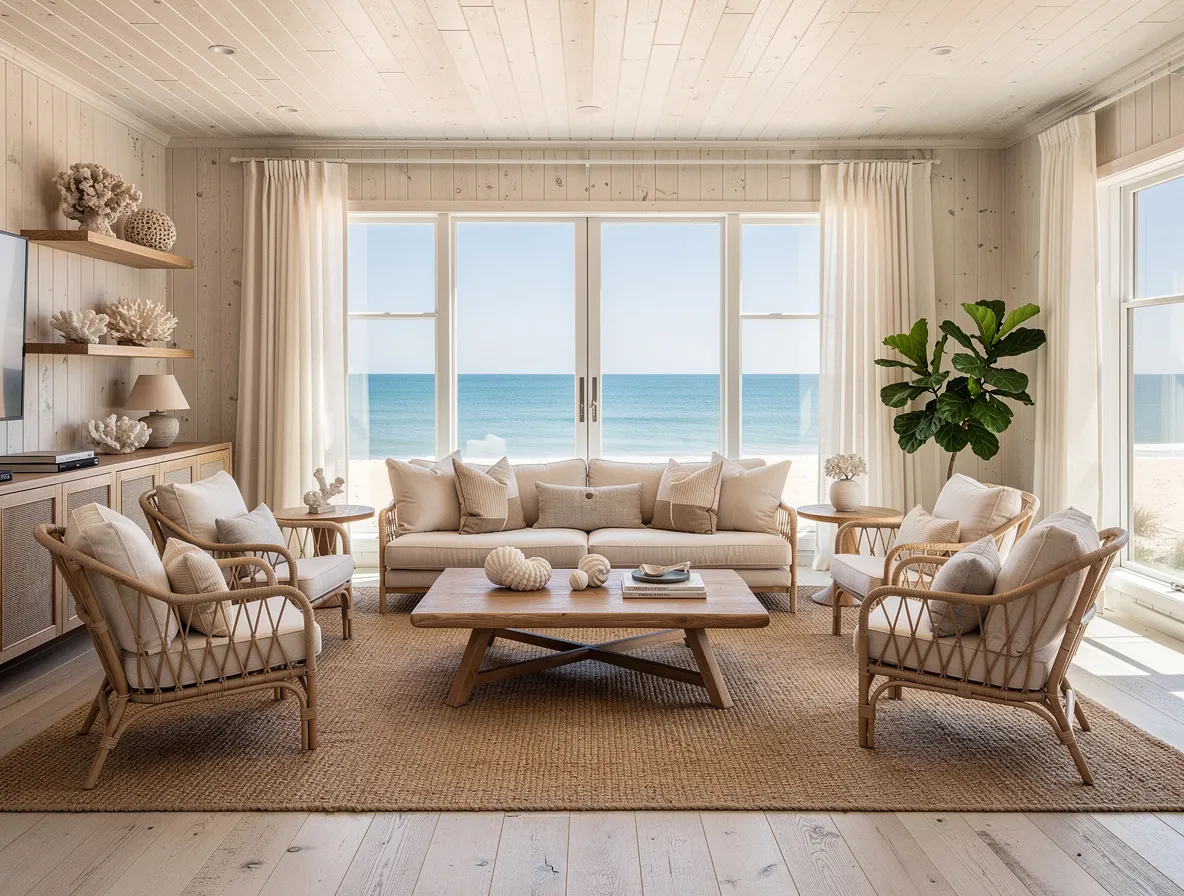
Beach
Whitewashed wood, sandy neutral tones, and rattan furniture create a relaxed, vacation-ready atmosphere.
Common Questions
Nautical Design: FAQ
What is the difference between nautical and coastal design?
Nautical is more heritage-focused and uses explicit maritime references - rope, brass, navy blue, stripes, anchors. Coastal is lighter, sandier, and more relaxed. Nautical is a ship; coastal is a beach house.
What colors are used in nautical design?
Classic navy blue and white with brass or antique gold accents. Red is a traditional nautical accent. The contrast between deep navy and crisp white is the defining nautical color signal.
What materials are signature to nautical interiors?
Teak and other dark hardwoods, brass fixtures, rope elements, crisp white cotton or canvas upholstery, porthole-style mirrors, and ship-lap wall panels.
How do I prevent nautical design from looking like a theme restaurant?
Edit ruthlessly. One or two genuine maritime objects (an old compass, a navigation chart, a brass ship lamp) is sophisticated. Anchor-print everything with lobster traps on the wall is a theme park. Quality and restraint define the difference.
Ready to Transform Your Space?
Upload a photo and see it in nautical style - or any of our 80+ other styles - in seconds.