Beach Design
Barefoot luxury, bleached woods, soft sandy tones, and an ocean breeze atmosphere define beach design for homes that celebrate warm-climate living.
About the Style
What Is Beach Design?
Beach design captures the sensory experience of a warm beach holiday - the sensation of sand underfoot, bleached timber, the smell of sea air, and the visual palette of shoreline materials. Lighter and more sun-drenched than coastal design, beach style leans into whitewash, natural fiber, turquoise accents, and the free-spirited energy of surf culture and warm-weather living.
Why People Love It
-
Creates a permanent holiday atmosphere that makes daily life feel like a vacation
-
Whitewashed and natural materials are forgiving, durable, and sand-proof
-
Indoor-outdoor connection to decks and gardens is daily quality of life
-
The free-spirited energy of beach style is genuinely mood-lifting
Key Characteristics
-
Whitewashed or sun-bleached timber throughout
-
Sandy, natural fiber floor coverings
-
Turquoise and white color palette
-
Casual, relaxed furniture arrangements
-
Shells, coral, and sea glass as accessories
-
Indoor-outdoor flow through sliding or folding walls
Color Palette
Materials
Ideal For
Room-by-Room
Beach Design in Every Room
How beach design translates across every space in your home
Living Room
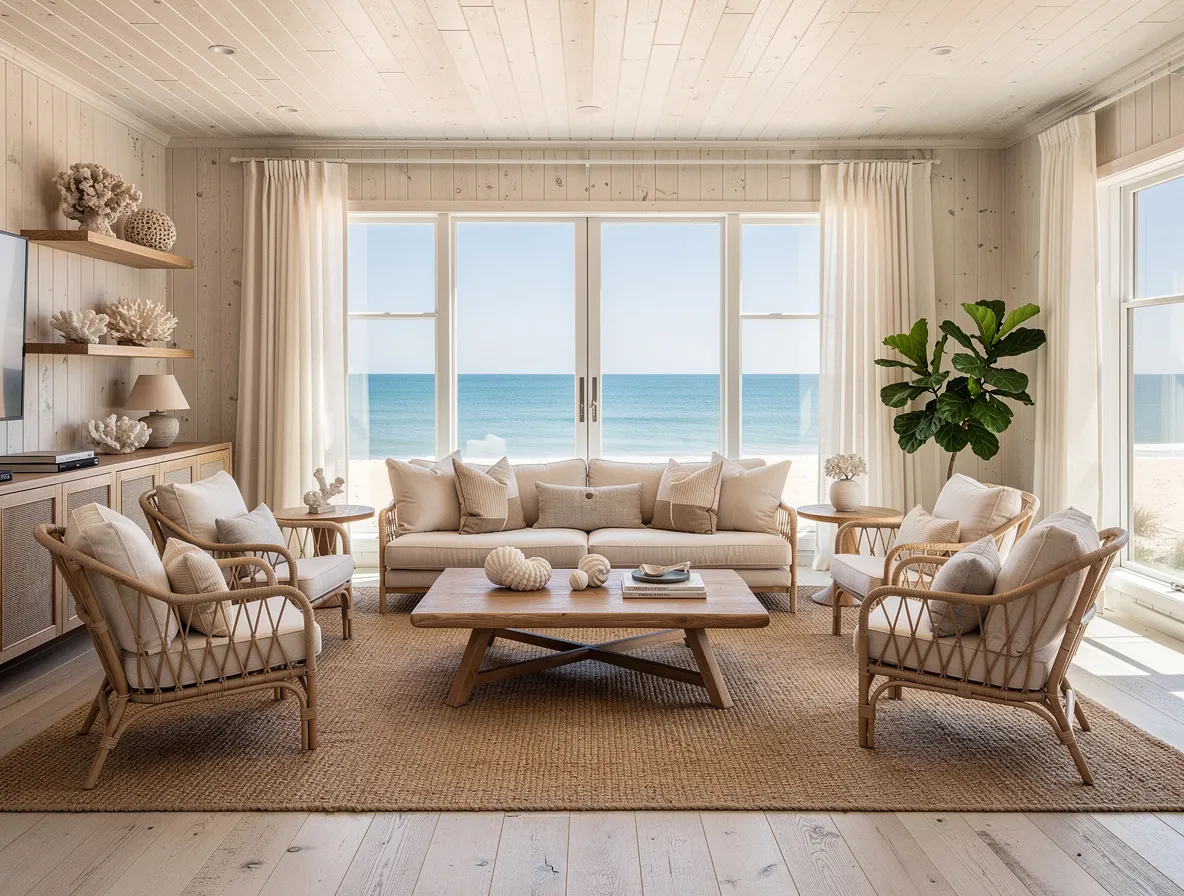
Whitewashed timber walls, sisal rug, oversized linen sofa, rattan chairs, folding glass doors to the deck, and sea glass and shells as accessories.
Kitchen
White painted cabinetry, butcher block island, open shelves with casual dishware in white and turquoise, and a direct view to the water.
Bedroom
Whitewashed timber bed, turquoise or white linen bedding, a ceiling fan, and a window or balcony door framing a sea view.
Bathroom
White hexagonal or pebble tile floor, shiplap walls, an outdoor-style shower in stone or concrete, and a wall-hung mirror in a simple frame.
Exterior
Whitewashed or natural timber cladding, a large wrap-around deck with hammock and casual furniture, outdoor shower, and coastal plantings.
Visualize It First
See Beach Design in Your Space
Upload any photo and our AI transforms it into beach style in seconds
Upload a photo
Any room, any angle. Interior or exterior - phone photo is fine.
Select "Beach"
Choose this style from our library or describe it to the AI in plain language.
Get your design
Photorealistic result in seconds. Download in HD or 4K resolution.
Expert Advice
How to Achieve Beach Design
Practical tips from designers who work with beach style every day.
Install fold-away or sliding glass walls that open the living space completely to a deck or terrace - the beach connection is the most important design element.
Use sisal or seagrass rugs throughout rather than wall-to-wall carpet - they handle sand and moisture beautifully and age naturally.
Whitewash or limewash all timber furniture and architectural elements - the beach house palette starts with bleached wood as its foundation.
Keep accessories edited to natural objects - shells in a bowl, sea glass in a jar, a piece of driftwood - rather than generic beach-themed merchandise.
Choose outdoor fabrics (Sunbrella or similar) for indoor furniture near doors - they handle sunlight, moisture, and sand far better than standard textiles.
The Psychology
The Blue Mind - Why Water Makes Us Calmer and More Creative
Marine biologist Wallace J. Nichols coined the term Blue Mind to describe a measurable neurological state induced by water - and beach interiors are designed to trigger exactly this response.
Water Activates the Default Mode Network
Brain imaging studies show that proximity to water - or environments that evoke it - activates the brain's default mode network in a way that produces a mildly meditative, low-arousal mental state. Lower cortisol levels, reduced heart rate, and increased alpha brain waves. This is why sitting at the beach feels like the first breath after holding it in all day.
Blue and Green Are Evolutionarily Safe Colors
Evolutionary psychologists suggest that blue and green were the colors of the most resource-rich environments for our ancestors - water and vegetation. These colors are therefore processed by the brain as indicators of safety, abundance, and low threat. The coastal color palette is essentially painting your home in the colors your brain is hardwired to find reassuring.
Negative Ions at the Coast Improve Mood
Breaking waves generate high concentrations of negative ions - electrically charged air molecules. Research suggests these may increase serotonin production and reduce the symptoms of seasonal depression. Waterfall and ocean settings consistently produce the highest negative ion counts of any environment. Beach interiors use natural materials that hold a small electrical charge, subtly mimicking this effect.
Natural Light and Reflective Surfaces
Beach interiors maximise natural light - typically through large windows, light-colored walls, and reflective surfaces like sea glass, mirrors, and metallic accents. Research on natural light exposure consistently shows benefits for circadian rhythm regulation, vitamin D synthesis, and mood. The archetypal beach house is essentially a designed light therapy environment.
Style Pairings
Styles That Complement Beach
Mix beach with these styles for a layered, personal look.
Coastal
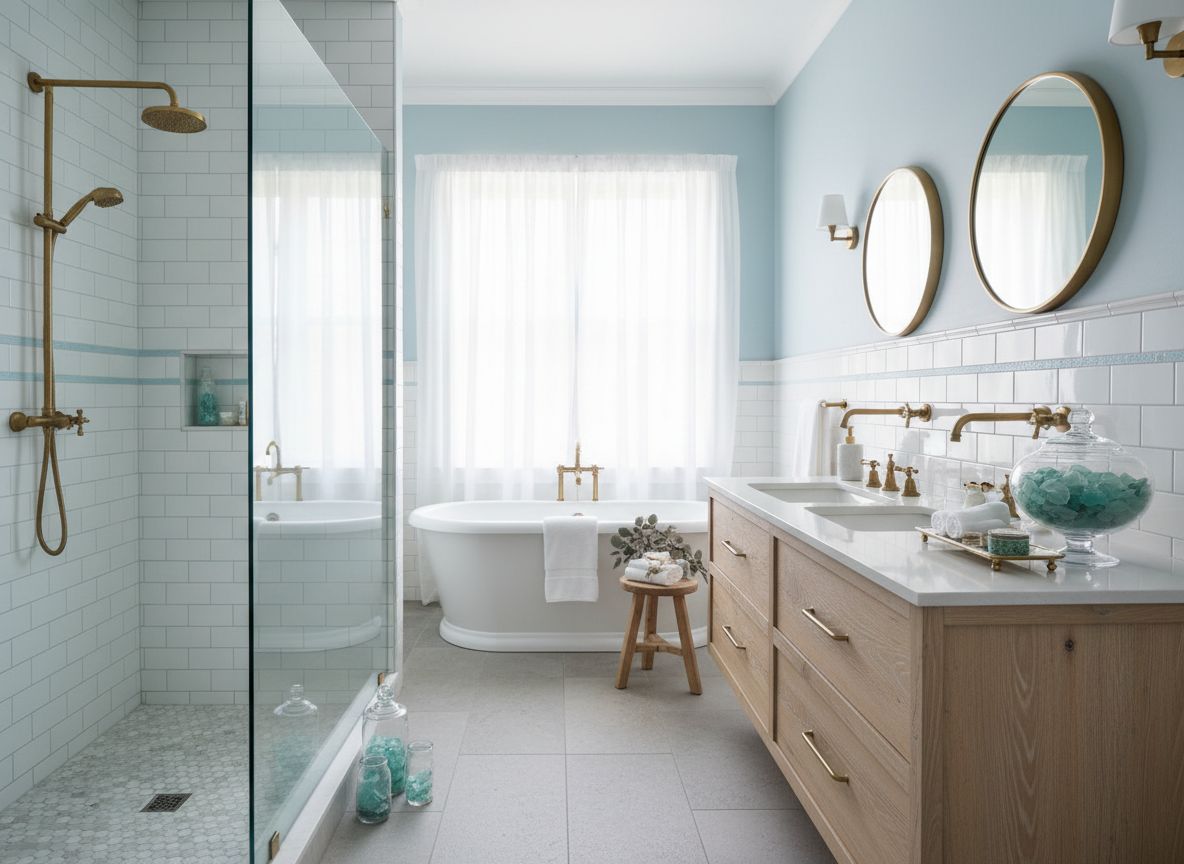
Beach-house vibes with ocean-inspired colors and relaxed elegance. Perfect for seaside homes or anyone who loves the shore.
Nautical
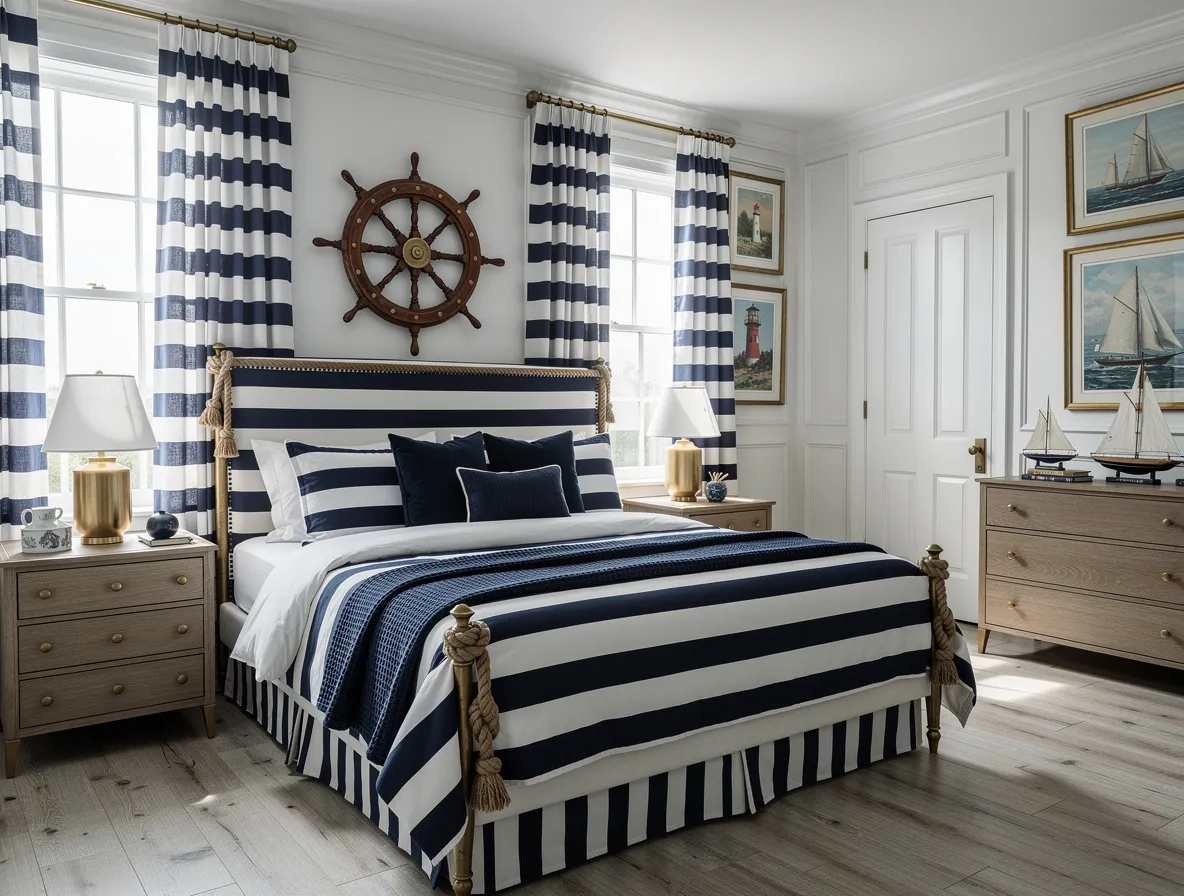
Navy-and-white stripes, rope details, and brass hardware bring classic maritime charm to any interior.
Tropical
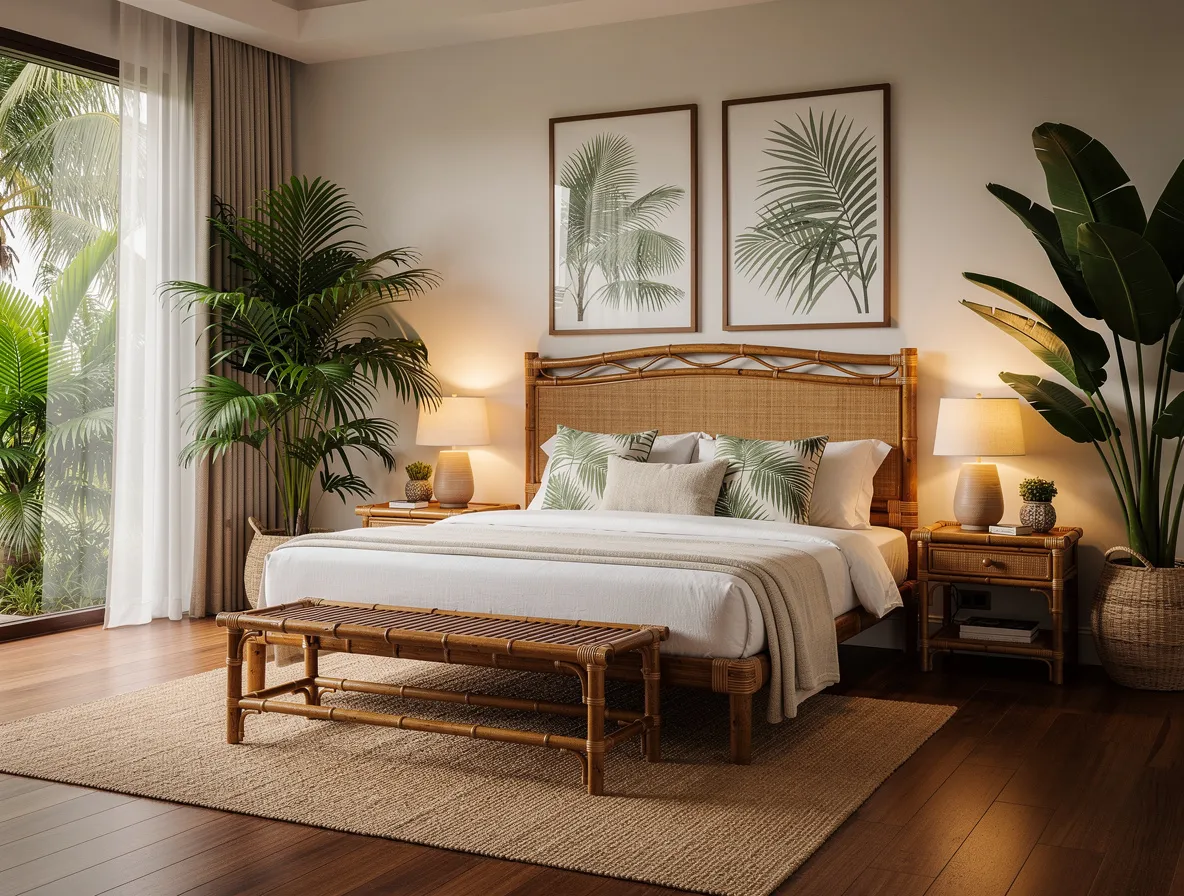
Bamboo furniture, palm-leaf prints, and lush greenery create a vibrant, resort-inspired paradise at home.
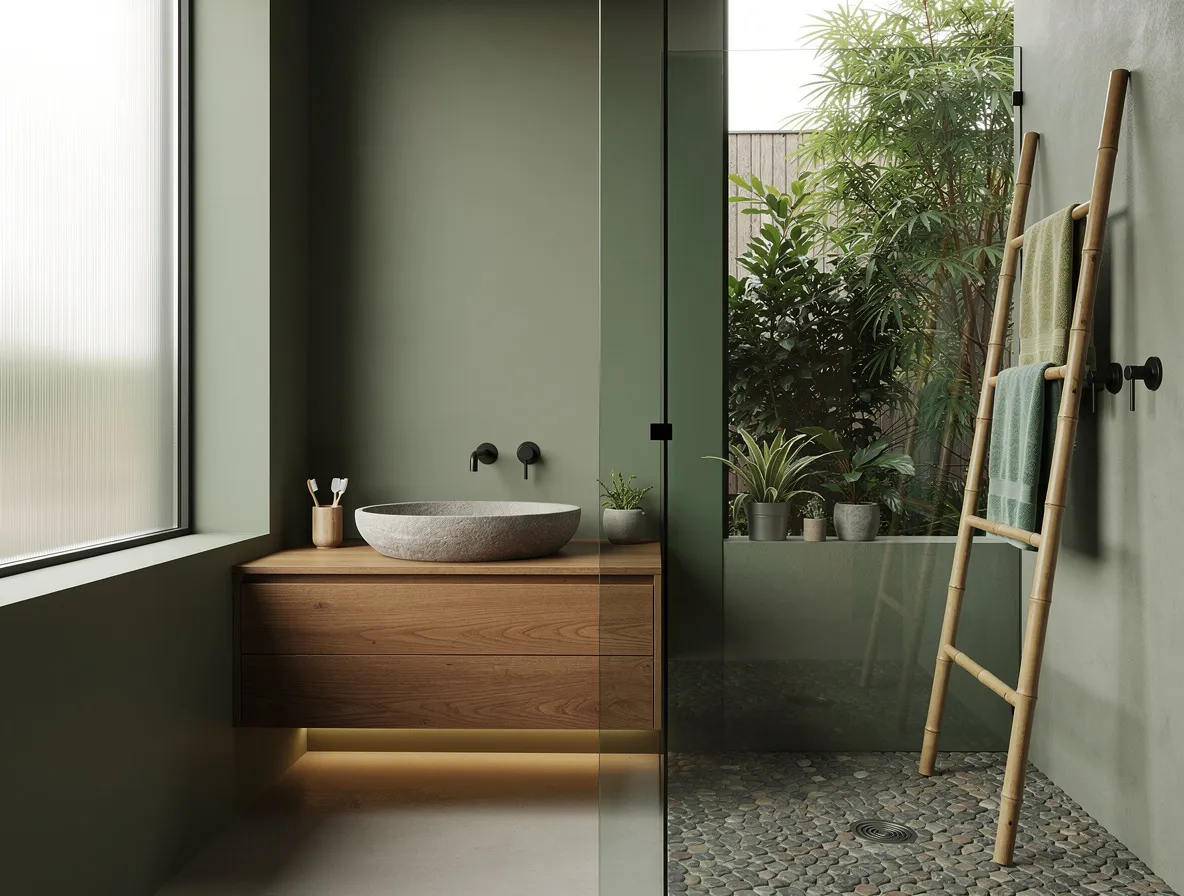
Natural
Stone basins, wooden vanities, and pebble accents bring the serenity of the outdoors into every room.
Common Questions
Beach Design: FAQ
What is the difference between beach and coastal design?
Very little. Coastal is slightly broader and can include nautical elements. Beach design is more specifically sandy, relaxed, and sun-bleached. In practice the terms describe almost the same aesthetic.
What furniture is used in beach design?
Whitewashed or painted wood, rattan and wicker, slipcovered sofas (easy to wash), simple unfinished wood coffee tables, and anything that looks like it was found on a beach or in a fishing village.
How do I avoid making a beach interior look touristy?
Remove the literal seashell accessories and the anchor motifs. Keep the color palette and the light, easy materials, but let the atmosphere suggest the coast rather than spelling it out. Restraint reads as sophisticated; literalism reads as seaside gift shop.
What natural materials are most important in beach design?
Rattan, seagrass, natural linen and cotton, bleached driftwood, washed linen, and sea glass. These materials share a quality of having been softened and lightened by time and sun exposure.
Ready to Transform Your Space?
Upload a photo and see it in beach style - or any of our 80+ other styles - in seconds.