Urban Design
Inspired by city life, urban design channels the energy, density, and cultural diversity of metropolitan living into sophisticated, high-density interior spaces.
About the Style
What Is Urban Design?
Urban interior design reflects the aesthetic realities of city living - smaller footprints, mixed building typologies, cultural diversity, and the specific beauty of urban texture. It borrows from industrial, contemporary, and loft aesthetics but adds the sophistication of a cosmopolitan sensibility - global art, curated objects from many cultures, efficient furniture design, and a palette that references city materials: concrete, glass, steel, and brick.
Why People Love It
-
City views become the most beautiful and changing artwork in the home
-
Efficient furniture design is both beautiful and genuinely space-saving
-
Cultural diversity of the city feeds the aesthetic with global references
-
The compact urban environment rewards precision and editing
Key Characteristics
-
Efficient, multifunctional furniture solutions
-
City-material palette - concrete, glass, steel
-
Gallery-quality art curation
-
Space-saving and flexible room arrangements
-
Cultural diversity in objects and textiles
-
Views to the city as a primary design element
Color Palette
Materials
Ideal For
Room-by-Room
Urban Design in Every Room
How urban design translates across every space in your home
Living Room
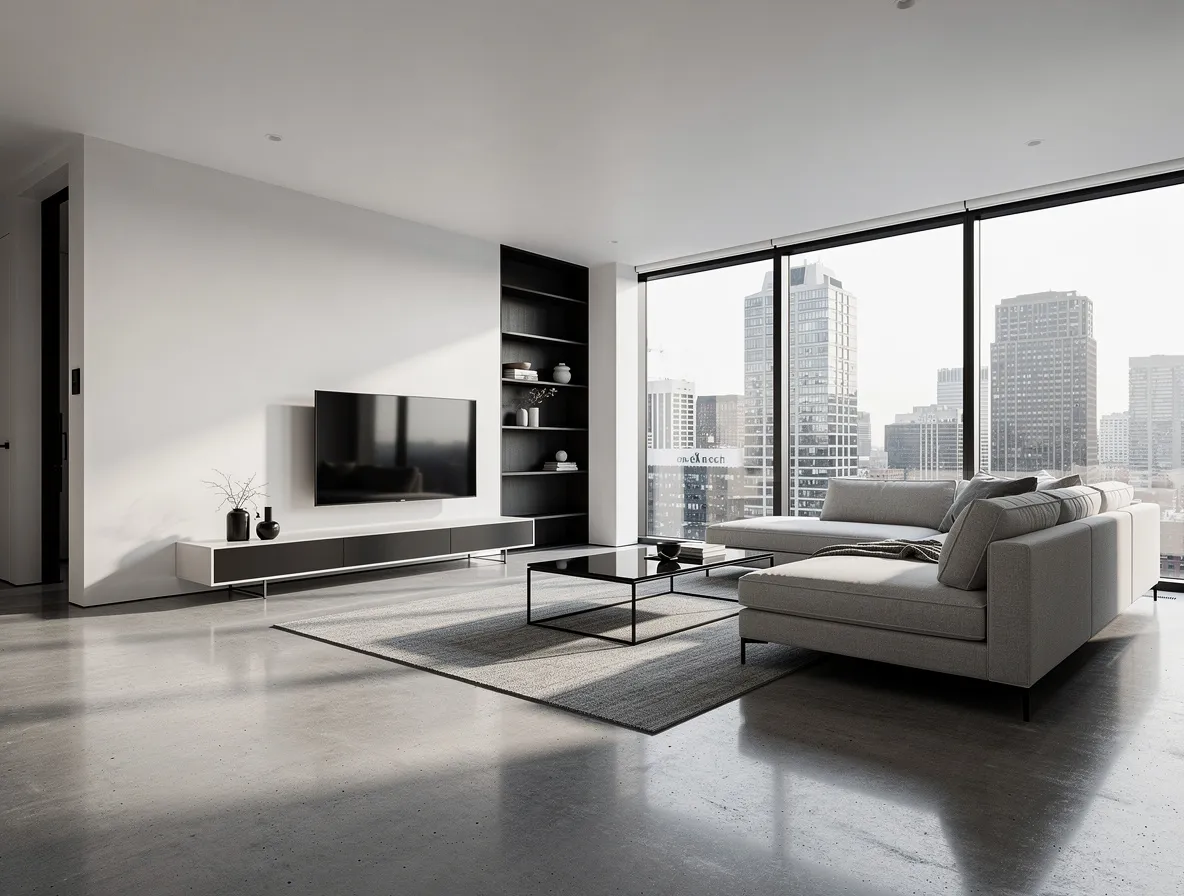
Polished concrete floor, a city-view window treated as the primary artwork, a compact but quality sofa, and curated gallery wall.
Kitchen
Compact and efficient galley or island kitchen, concrete or dark stone surfaces, integrated appliances, and a small breakfast bar.
Bedroom
City view framed as the focal point, blackout roller blinds for sleeping, compact storage solutions, and a quality bed as the investment piece.
Bathroom
Efficient wet-room shower rather than a bath, large-format tile to expand the visual field, and quality fixtures that justify the small scale.
Exterior
A rooftop terrace, balcony garden, or ground-floor courtyard connecting to the city landscape with container planting.
Visualize It First
See Urban Design in Your Space
Upload any photo and our AI transforms it into urban style in seconds
Upload a photo
Any room, any angle. Interior or exterior - phone photo is fine.
Select "Urban"
Choose this style from our library or describe it to the AI in plain language.
Get your design
Photorealistic result in seconds. Download in HD or 4K resolution.
Expert Advice
How to Achieve Urban Design
Practical tips from designers who work with urban style every day.
Treat the city view as your primary artwork - position all furniture to engage with it and minimize window treatments that obscure it.
Invest in multifunctional furniture: a sofa bed for guests, a dining table that doubles as a desk, and built-in storage under every platform.
Use a monochromatic palette to make a small space feel architecturally larger - one material and color running through all surfaces.
Curate art as if you were installing a small museum - quality over quantity, proper lighting above each piece, and consistent framing.
Acknowledge city noise acoustically - acoustic panels disguised as art, thick rugs, and curtains all help create calm inside an urban environment.
How It Evolved
How Urban Design Changed from the 1980s to Today
Urban interior design reflects the evolution of city living itself - from the yuppie aspirations of the 1980s through the digital creative economy to today's hybrid home-office realities.
The Power Loft
Wall Street prosperity and the maturing loft conversion market in New York and London created the 1980s urban interior - dramatic but expensive, with halogen spotlights over abstract art, chrome and glass furniture, and the first generation of professional kitchen appliances in domestic settings. It was aggressive and impressive by design.
The Minimal City Apartment
The 1990s economic recession and the cultural reaction against 1980s excess created the minimalist urban apartment - white walls, bleached wood floors, a few expensive pieces by design-star names, and a deliberately empty feeling. The Philippe Starck hotel look filtered into residential design. Emptiness became aspirational.
The Creative Economy Interior
As tech companies and creative industries replaced finance as the most culturally influential urban employers, the 'live-work' loft became the dominant urban aspiration - a space that looks as designed as a magazine but also contains the tools of a creative business. The MacBook on the marble table, the vinyl records on custom shelving.
The Hybrid Home
The pandemic collapsed the division between home and office permanently for millions of urban dwellers. The 2020s urban interior accommodates multiple functions in the same space - a bedroom that contains a serious work setup, a living room that doubles as a meeting space. The design challenge shifted to making functional complexity look intentional rather than accidental.
Style Pairings
Styles That Complement Urban
Mix urban with these styles for a layered, personal look.
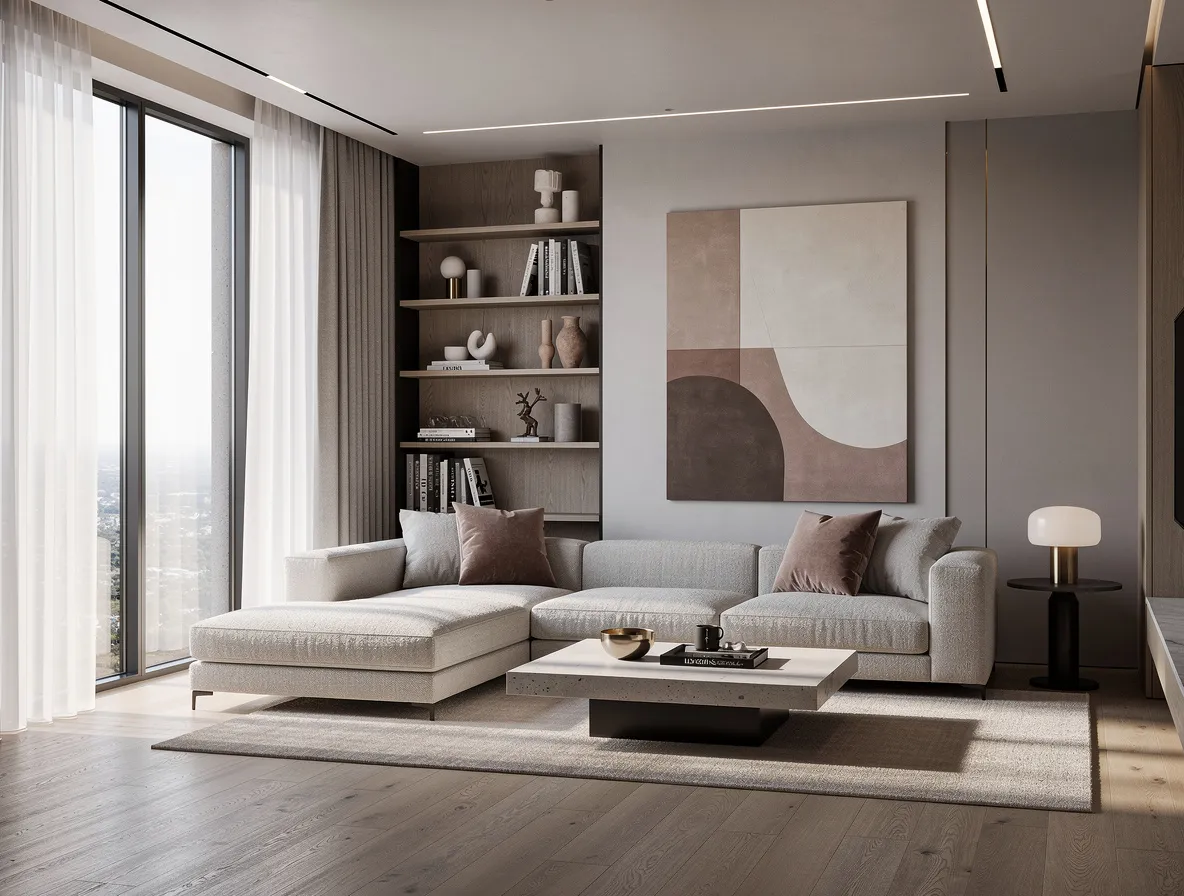
Contemporary
Current and ever-evolving aesthetics that reflect today's design trends. Mixed materials, sophisticated palettes, and forward-thinking layouts.
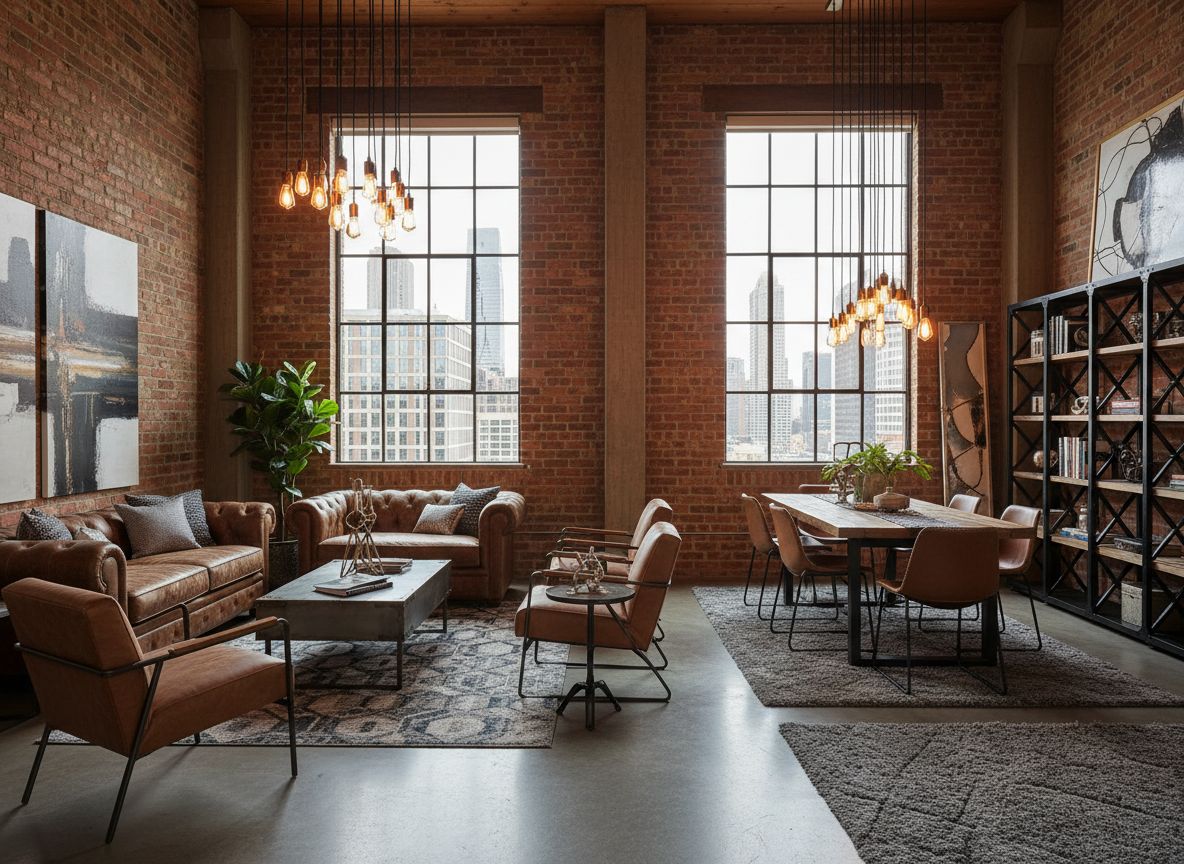
Industrial
Raw, urban aesthetic with exposed elements and mixed materials. Metal, wood, and brick create an edgy loft atmosphere.
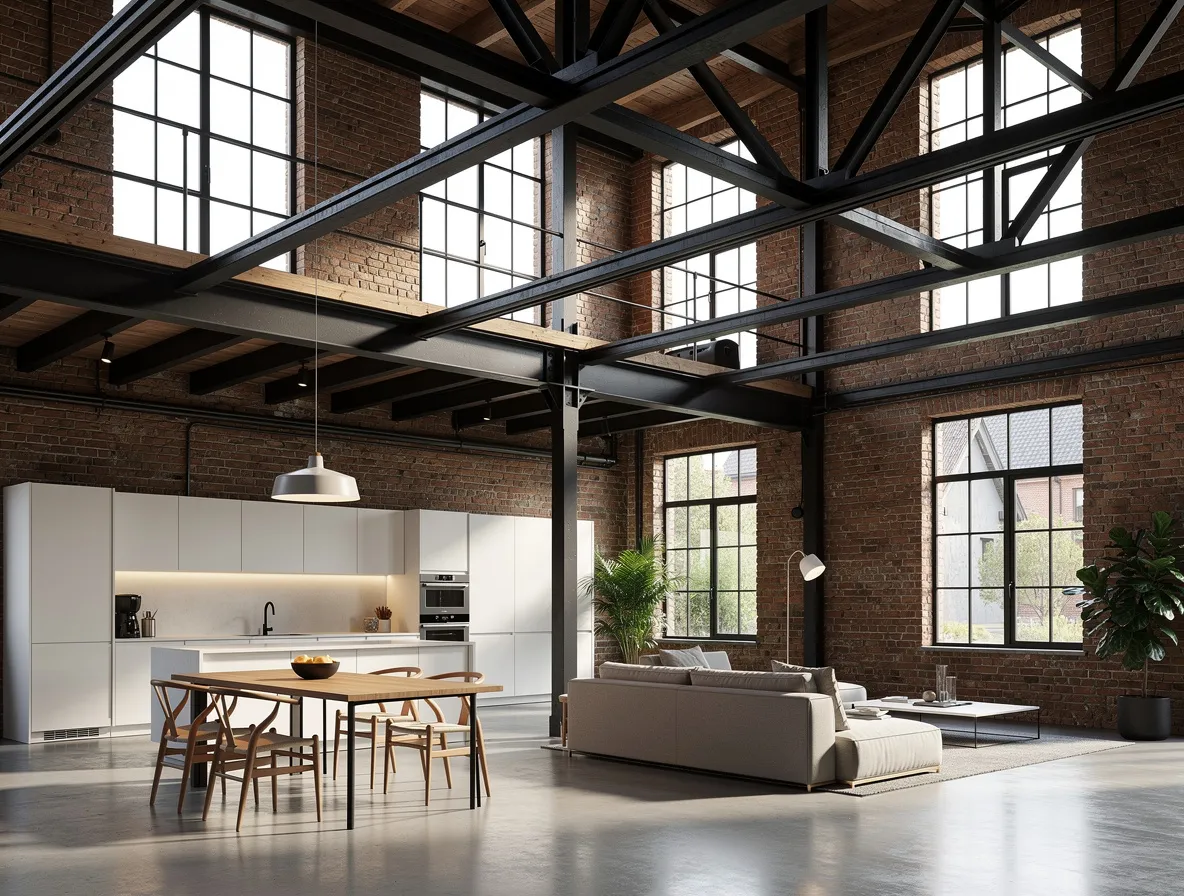
Loft
Double-height ceilings, exposed steel beams, and oversized windows create the ultimate open-plan urban living.
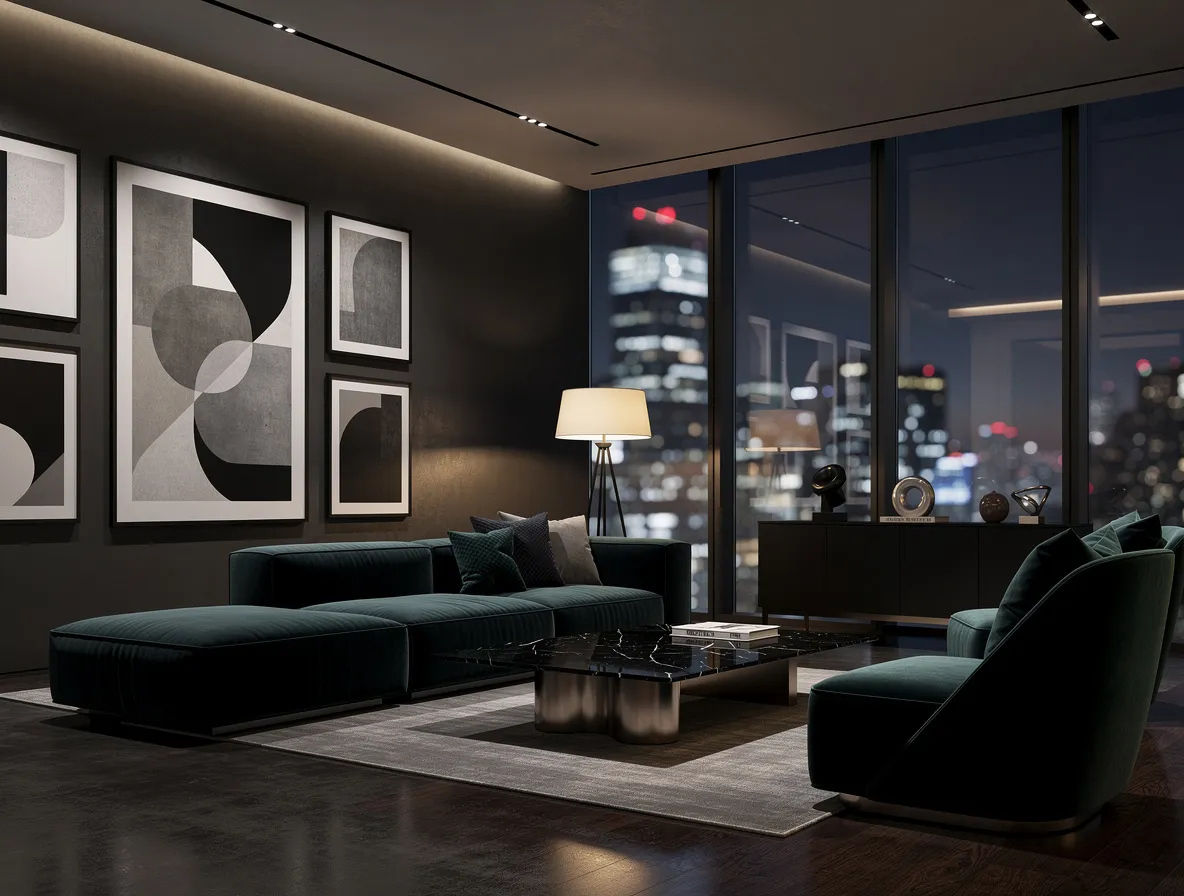
Metropolitan
A sophisticated dark palette, designer furniture, and gallery-style art walls for the ultimate city dwelling.
Common Questions
Urban Design: FAQ
What defines urban interior design?
Compact, multi-functional layouts, integration of technology and work tools, industrial-influenced materials, and a design confidence that acknowledges city living rather than escaping from it.
How do I make a small urban apartment feel larger?
Light walls and floors, mirrors used strategically, furniture scaled to the actual room (not oversized), built-in storage that does not project into the room, and a single sight line that goes as far as possible without obstruction.
What is the difference between urban and industrial design?
Industrial is an aesthetic - raw materials, exposed structure. Urban is broader - it describes a lifestyle and approach to city living. An urban apartment might be industrial, minimalist, contemporary, or any style, as long as it works for compact, busy, connected city life.
What colors work best in an urban interior?
Neutral and sophisticated - warm gray, warm white, charcoal, with one or two bold accent colors. Urban palettes tend to be cooler than suburban ones, reflecting the concrete and glass environment outside.
Ready to Transform Your Space?
Upload a photo and see it in urban style - or any of our 80+ other styles - in seconds.