Loft Design
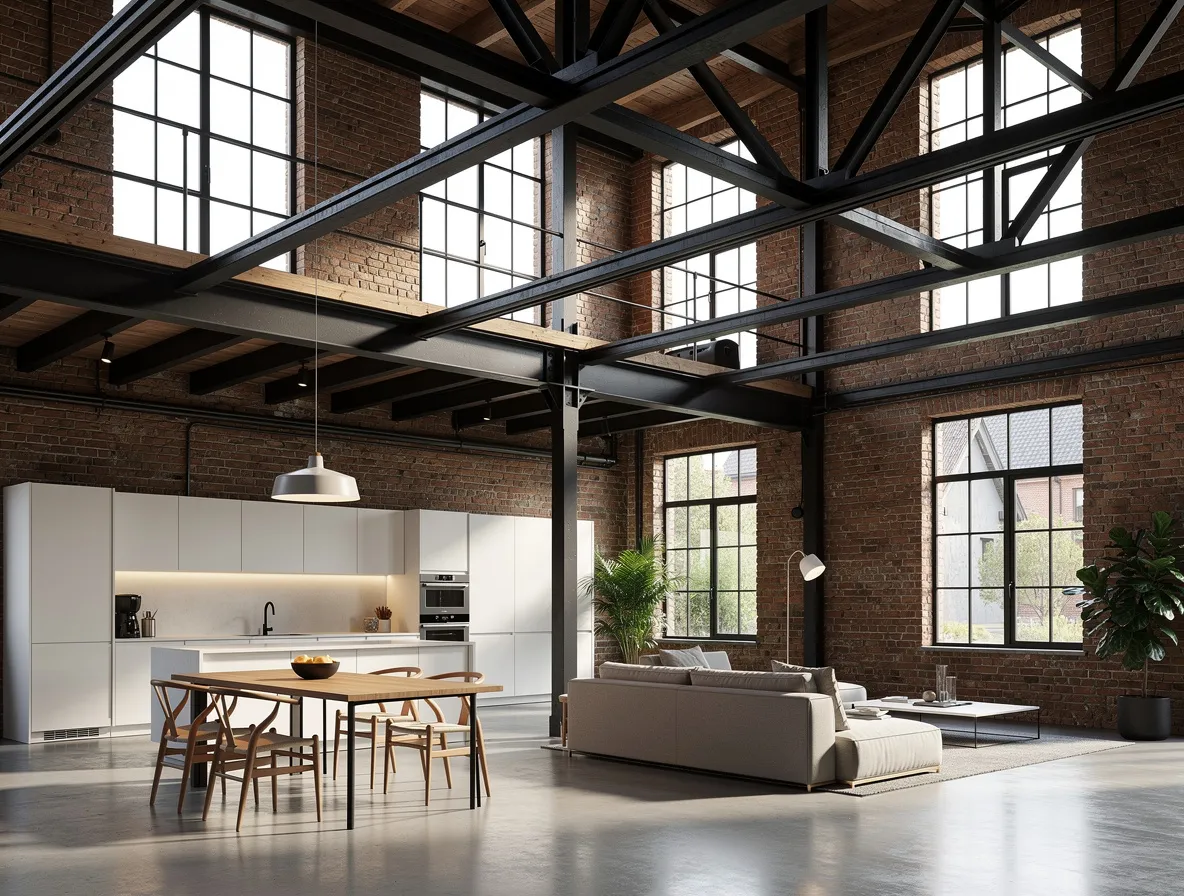
Soaring ceilings, exposed structure, raw materials, and the irreplaceable character of a converted industrial building define authentic loft design.
About the Style
What Is Loft Design?
Loft design emerged in the 1960s and 70s as New York artists moved into abandoned SoHo and TriBeCa warehouses, discovering that raw industrial space was uniquely beautiful. High ceilings with exposed steel or timber, brick or concrete walls, oversized windows with industrial sashes, polished concrete floors, and an open-plan layout with minimal partitions define the authentic loft aesthetic.
Why People Love It
-
Original industrial architecture creates spaces of genuine and irreplaceable beauty
-
Double-height ceilings change the human experience of space profoundly
-
Oversized windows flood spaces with light unavailable in standard apartments
-
Open-plan flexibility allows the space to evolve with life and work changes
Key Characteristics
-
Double-height or high ceilings with exposed structure
-
Open-plan living without fixed partitions
-
Original industrial windows with steel frames
-
Exposed brick or concrete walls
-
Polished concrete or reclaimed timber floors
-
Oversized furniture scaled to the generous space
Color Palette
Materials
Ideal For
Room-by-Room
Loft Design in Every Room
How loft design translates across every space in your home
Living Room
Double-height ceiling with exposed steel beams, polished concrete floor, an oversized sectional sofa, industrial windows, and a single large painting.
Kitchen
Industrial open kitchen with concrete countertops, hanging steel rack for pots, exposed brick wall, and a long island as the social center.
Bedroom
A mezzanine bedroom accessed by industrial stairs, exposed brick wall as the headboard, and polished concrete floor with a large rug.
Bathroom
An enclosed but glass-fronted bathroom pod within the open loft, industrial fixtures, concrete surfaces, and a freestanding tub.
Exterior
The original industrial building exterior retained: steel-frame windows, brick facade, and a rooftop terrace as the outdoor space.
Visualize It First
See Loft Design in Your Space
Upload any photo and our AI transforms it into loft style in seconds
Upload a photo
Any room, any angle. Interior or exterior - phone photo is fine.
Select "Loft"
Choose this style from our library or describe it to the AI in plain language.
Get your design
Photorealistic result in seconds. Download in HD or 4K resolution.
Expert Advice
How to Achieve Loft Design
Practical tips from designers who work with loft style every day.
Resist the temptation to subdivide the space into small rooms - the open plan is the entire point and value of a loft conversion.
Scale furniture to the space: a single oversized sofa, a long dining table, and a large-format rug make more impact than many smaller pieces.
Use a large-scale sliding or industrial rolling door to define areas rather than fixed walls - it is functional, beautiful, and period-appropriate.
Commission a dramatic staircase as an architectural sculpture connecting levels, rather than treating it as a utility.
Install industrial pendant lights at the full ceiling height to exploit the volume - low-hanging pendants close to the ceiling waste the most dramatic feature.
Design History
The Artists Who Accidentally Invented the Most Copied Interior in the World
The loft aesthetic was not designed - it was discovered, by a generation of New York artists who had no choice but to live in industrial buildings, and who turned their necessity into a revolution.
Robert Rauschenberg Moves to Front Street
Robert Rauschenberg rented a large industrial space on Manhattan's Front Street in 1962 for $25 a month. He needed space for his large-format work and could not afford conventional housing. His solution was to live and work in the same raw space - an approach that was technically illegal but enabled the scale and freedom his work required. He invited other artists, and a community formed.
SoHo Becomes the Artist's District
By the late 1960s, the area south of Houston Street (SoHo) had become a community of artists living illegally in former manufacturing buildings. The spaces - typically 2,000-5,000 square feet with large industrial windows, concrete columns, and raw floors - were adapted for living with minimal intervention: a mattress behind a curtain, a kitchen built from salvaged equipment, and the rest left open for work.
New York Legalises Artists' Lofts
Legal recognition came gradually - first in 1971 for artists who could prove professional status. The legal framework triggered a wave of investment: developers began converting entire SoHo buildings at prices the original artist residents could not afford. By the late 1970s, SoHo was a destination neighborhood and the aesthetic its first residents had created accidentally had become the most desirable urban interior style in America.
The Corporate Loft and Global Spread
The loft aesthetic spread globally through the 1990s as any industrial building - warehouses, factories, waterworks - became a potential residential conversion. Developers sold 'loft living' as lifestyle aspiration, often in buildings with none of the original qualities: concrete columns, exposed brick, and industrial windows were added to new construction as theatrical decoration. The authentic and the imitation became indistinguishable.
Style Pairings
Styles That Complement Loft
Mix loft with these styles for a layered, personal look.
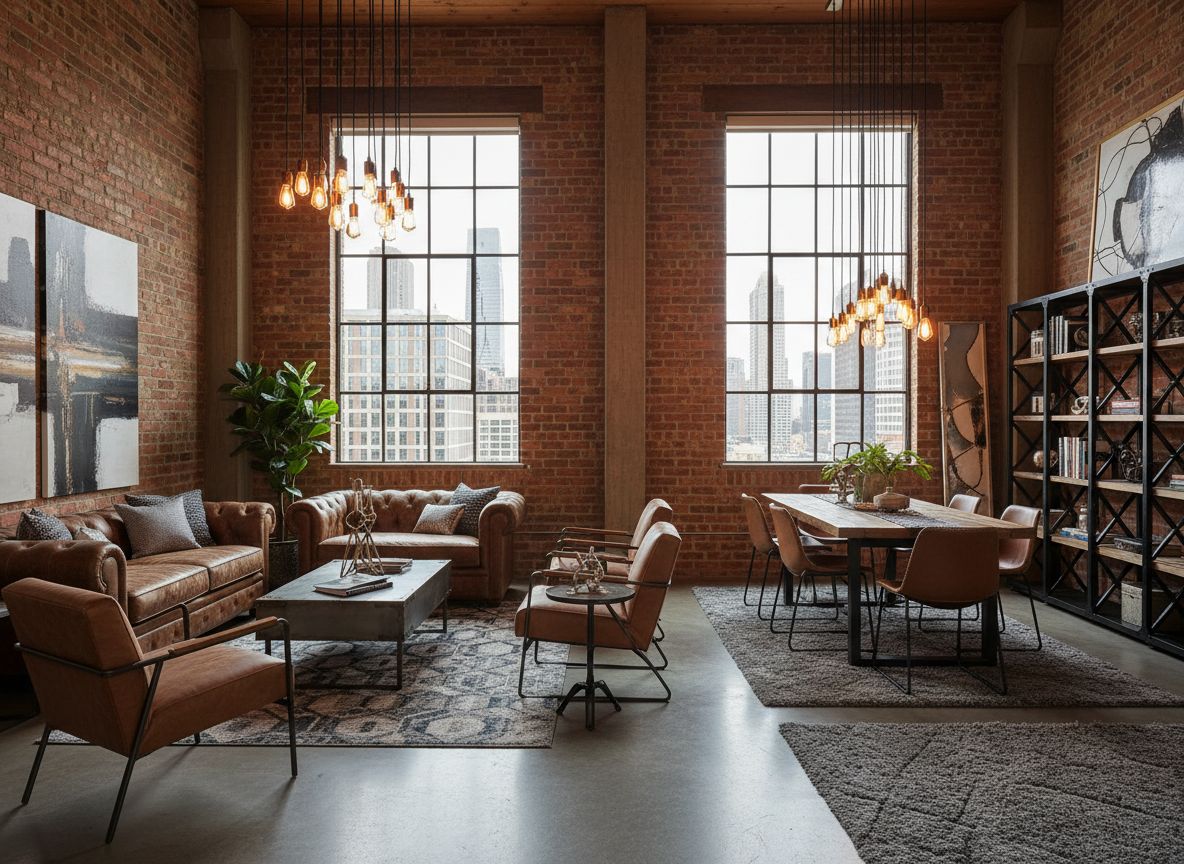
Industrial
Raw, urban aesthetic with exposed elements and mixed materials. Metal, wood, and brick create an edgy loft atmosphere.
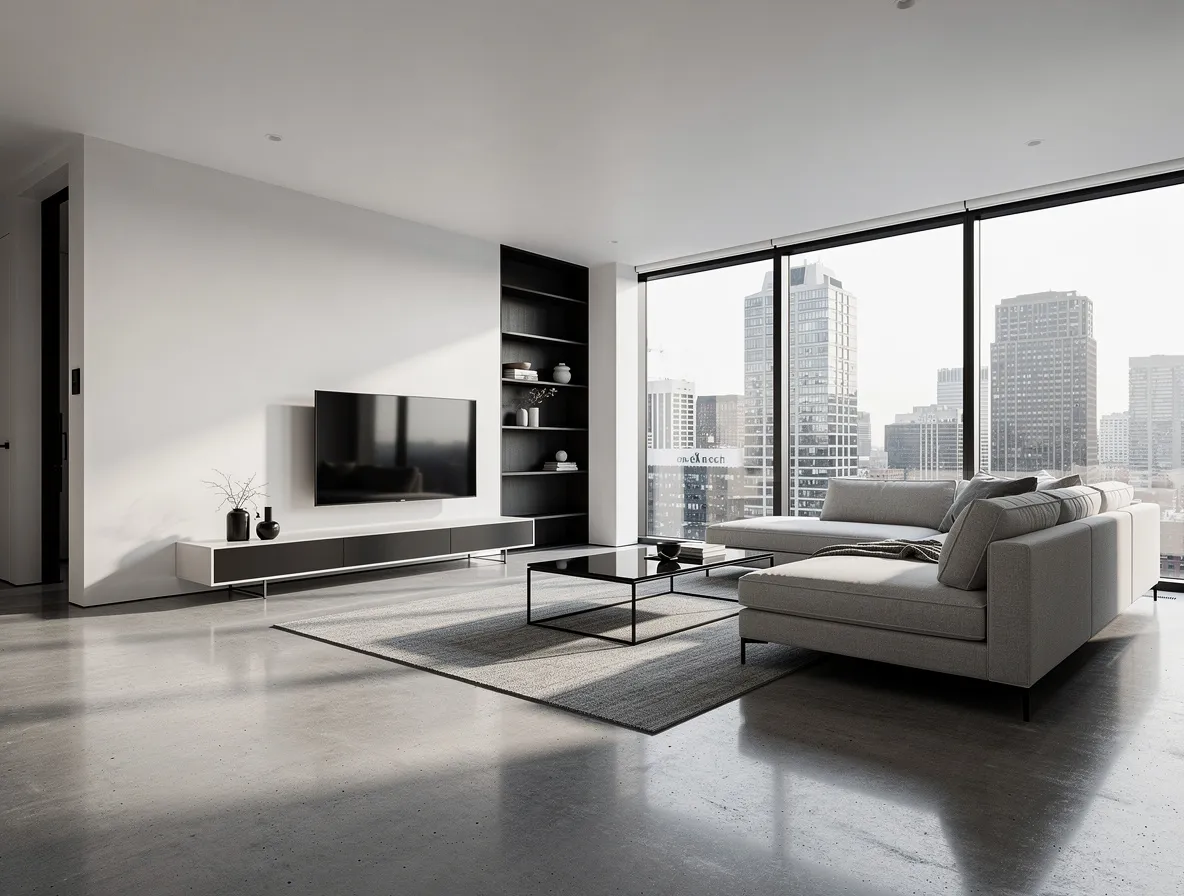
Urban
Polished concrete, floor-to-ceiling windows, and city views define this sophisticated metropolitan aesthetic.
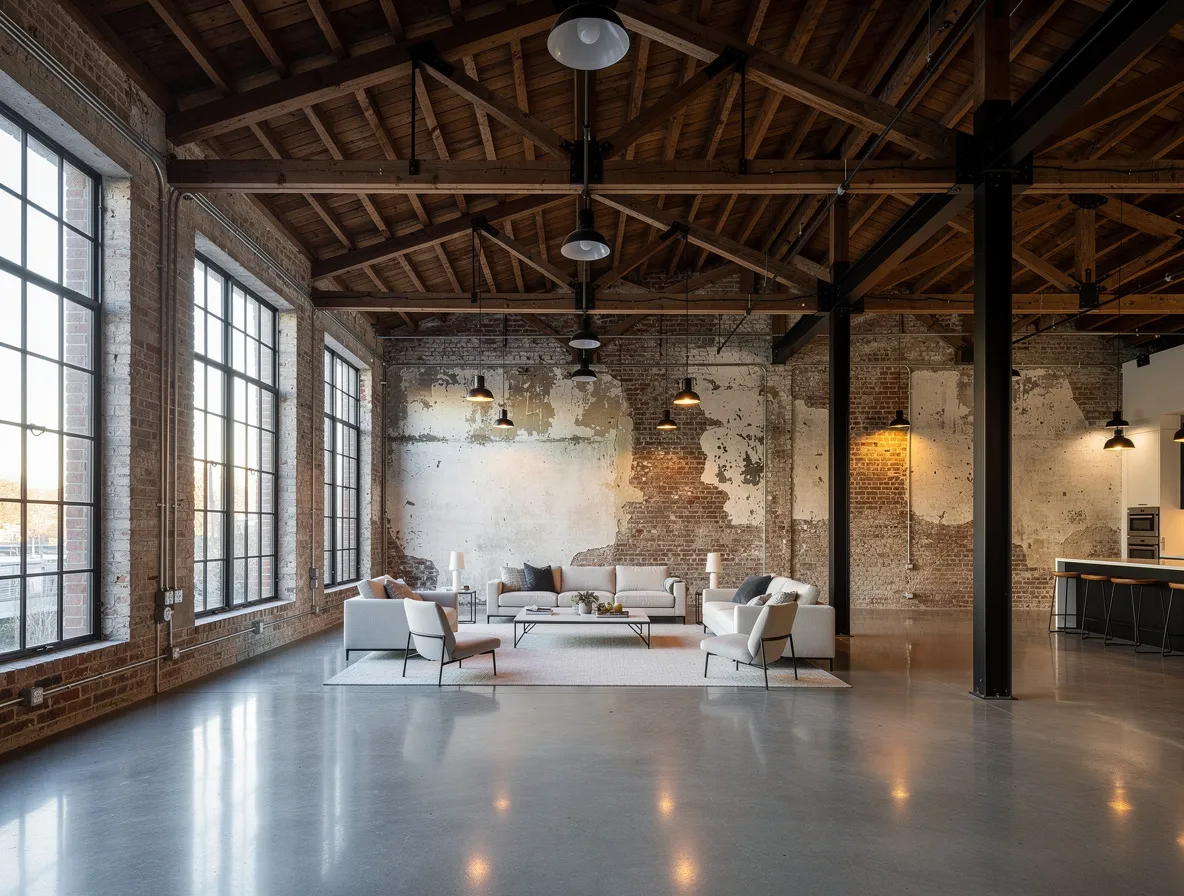
Warehouse
Original timber trusses, steel columns, and raw finishes celebrate the honest character of converted industrial spaces.
Raw
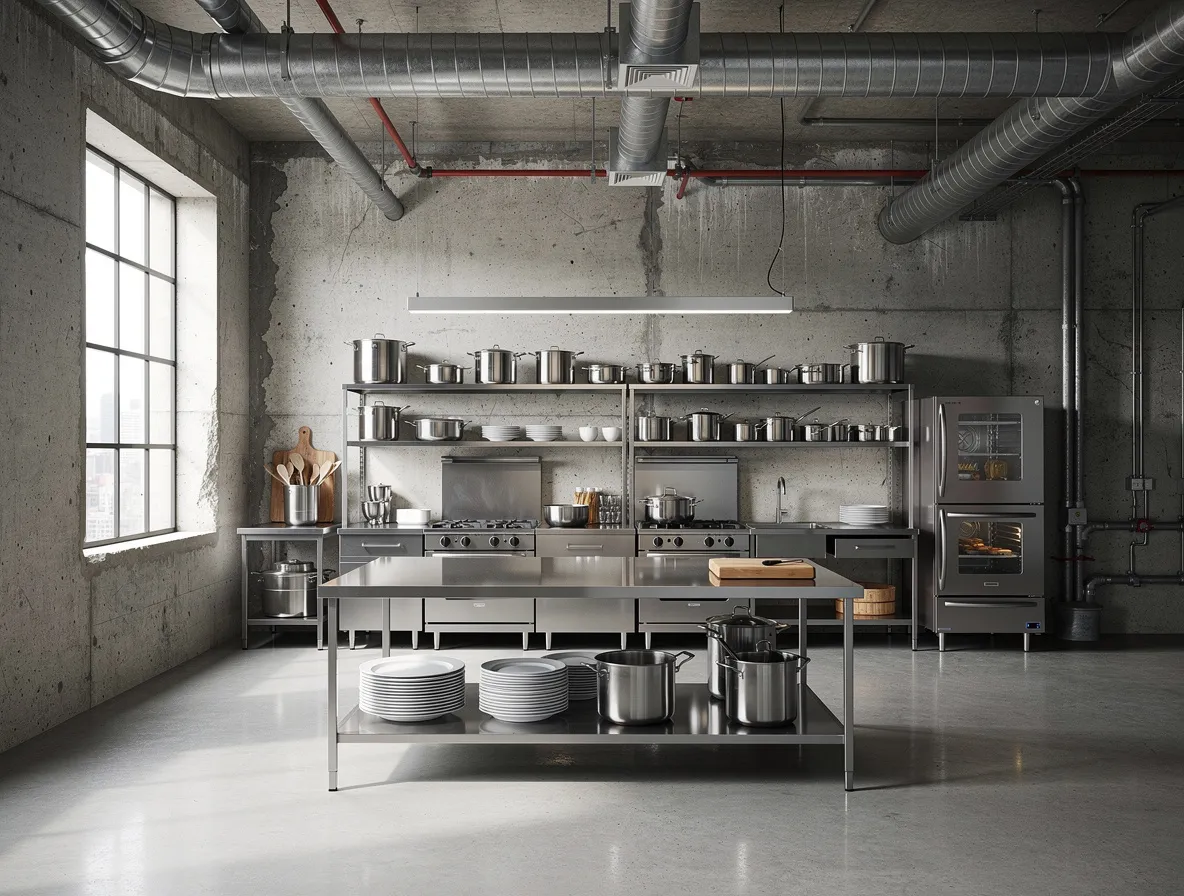
Exposed pipes, unfinished concrete, and utilitarian aesthetics bring an unapologetic, functional edge to the space.
Common Questions
Loft Design: FAQ
What are the key architectural features of a loft interior?
Open-plan layout without internal walls, exposed structural elements (columns, beams), large industrial windows, high ceilings, visible services (pipes, ducts), and concrete or bare board floors. These are features of actual industrial conversions.
How do I create a loft feel in a conventional apartment?
Remove internal doors where possible, paint walls and ceiling the same color to read as a single volume, use open shelving instead of closed cabinetry, expose any structural elements, and choose industrial-style lighting.
What furniture suits a loft space?
Furniture with scale appropriate to high ceilings and large spaces - oversized sofas, long dining tables, large artwork, and statement lighting. Small furniture in a large loft space looks lost and timid.
How do I make a loft feel cozy without losing the open character?
Zone the space with rugs, varying the lighting by zone, and using furniture arrangement to create enclosures within the open plan. Soft materials (rugs, throws, linen curtains) warm a space without dividing it.
Ready to Transform Your Space?
Upload a photo and see it in loft style - or any of our 80+ other styles - in seconds.