Warehouse Design
Industrial architecture at its most raw and magnificent - warehouse design celebrates the heroic scale, brutal materials, and utilitarian beauty of large converted spaces.
About the Style
What Is Warehouse Design?
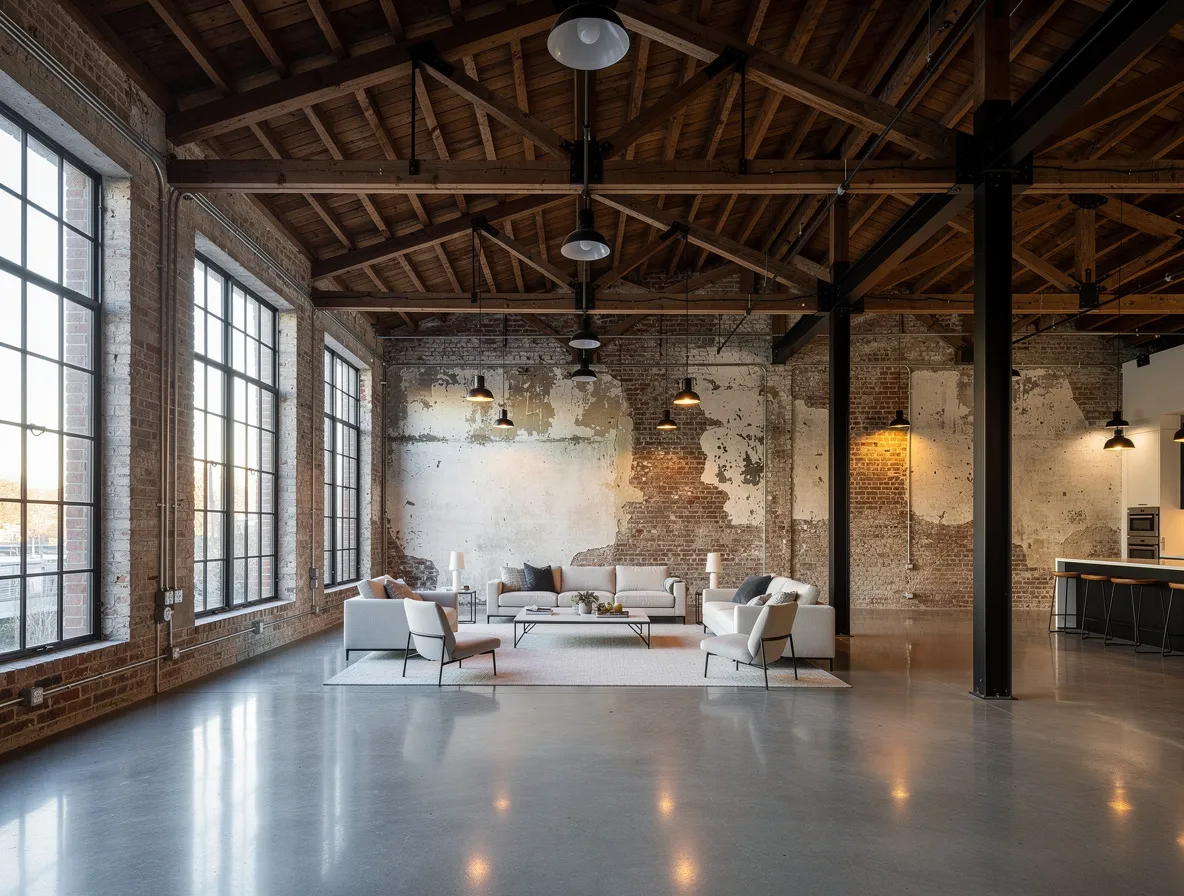
Warehouse design is loft design at a grander, more industrial scale - the conversion of vast commercial or industrial buildings into residential or mixed-use spaces. It retains and celebrates the original industrial architecture: structural steel trusses, loading dock doors, concrete columns and floors, factory windows, and the heroic scale that gives these buildings their unique character. The aesthetic is raw, honest, and architecturally thrilling.
Why People Love It
-
Scale and structural drama impossible to achieve in any other building type
-
The original architecture does most of the design work - preserve it and win
-
Loading dock doors and factory windows create unique internal-external connections
-
The raw palette of concrete, steel, and brick never dates or loses relevance
Key Characteristics
-
Structural steel roof trusses exposed
-
Original loading dock or industrial doors
-
Concrete structural columns throughout
-
Vast open-plan spaces at warehouse scale
-
Factory-scale windows and skylights
-
Raw concrete, brick, and steel throughout
Color Palette
Materials
Ideal For
Room-by-Room
Warehouse Design in Every Room
How warehouse design translates across every space in your home
Living Room
Structural steel trusses overhead, polished concrete floor, multiple seating zones defined by large rugs, and industrial pendant clusters at different heights.
Kitchen
A commercial kitchen integrated into the warehouse space with a large concrete island, steel shelving, and a view through the open plan.
Bedroom
A pod construction within the warehouse - a steel-framed sleeping box with internal lining and external view to the industrial volume.
Bathroom
An enclosed wet room in polished concrete and raw steel, tucked into a corner with floor-to-ceiling glass walls facing the warehouse interior.
Exterior
The original brick or concrete building facade preserved, loading dock doors retained as primary entrance, and industrial-scale landscaping.
Visualize It First
See Warehouse Design in Your Space
Upload any photo and our AI transforms it into warehouse style in seconds
Upload a photo
Any room, any angle. Interior or exterior - phone photo is fine.
Select "Warehouse"
Choose this style from our library or describe it to the AI in plain language.
Get your design
Photorealistic result in seconds. Download in HD or 4K resolution.
Expert Advice
How to Achieve Warehouse Design
Practical tips from designers who work with warehouse style every day.
Preserve every original element - factory doors, concrete columns, steel trusses, and industrial windows are irreplaceable architectural features.
Commission a specialist architect for the conversion rather than a decorator - the structural and regulatory complexity of warehouse conversion requires specialist knowledge.
Zone a vast single space with furniture arrangements, rug definition, and pendant light clusters rather than walls - the open volume must be maintained.
Use industrial-scale furniture: a 12-seat dining table, multiple large sofas, and commercial-grade kitchen equipment scaled to the space.
Install polished concrete floors that flow continuously throughout all zones - the single material unifies the vast space without the interruption of thresholds.
Signature Materials
The Raw Materials That Define Warehouse Design
Warehouse design is built on three materials that were chosen not for beauty but for industrial durability - and have since become celebrated precisely for the beauty that durability produces.
Exposed Concrete - The Honest Wall
Industrial concrete is not decorative concrete - it is structural board-formed concrete, poured against rough timber formwork that leaves the grain of the wood impressed on the surface. The result has visible tie holes, pour lines, and timber grain texture that architects like Tadao Ando have elevated to a fine art. Authentic exposed concrete in a converted warehouse is irreproducible - the marks on its surface are the physical record of its construction.
Cor-Ten Steel - Rust as Decoration
Cor-Ten (weathering steel) was developed in the 1930s for freight car bodies - it forms a stable rust patina that prevents further corrosion, eliminating the need for painting. In warehouse conversions, Cor-Ten steel partition screens, stairs, and cladding bring the warm amber-brown of surface oxidation into interiors. The material is literally decaying in a controlled, beautiful way.
Reclaimed Brick - Industrial Archaeology
Victorian factory brick has a visual quality impossible to replicate with new brick: varied color from hand-mixed clay batches, variable size from pre-standardisation manufacture, surface marks from decades of environmental exposure, and occasional manufacturing defects that create interesting irregularities. Salvaged brick from demolished industrial buildings is genuinely irreplaceable once gone, which is why its value increases continuously.
Steel I-Beam Shelving and Balustrades
The exposed structural steel of industrial buildings - I-beams, Lally columns, angle iron connections - has been adopted as furniture and fitting material in warehouse design. Bookshelves cantilevered from wall-mounted steel brackets, mezzanine balustrades in welded flat bar, stair stringers in structural steel plate. The engineering vocabulary of the building becomes the furniture vocabulary of the interior.
Style Pairings
Styles That Complement Warehouse
Mix warehouse with these styles for a layered, personal look.
Industrial
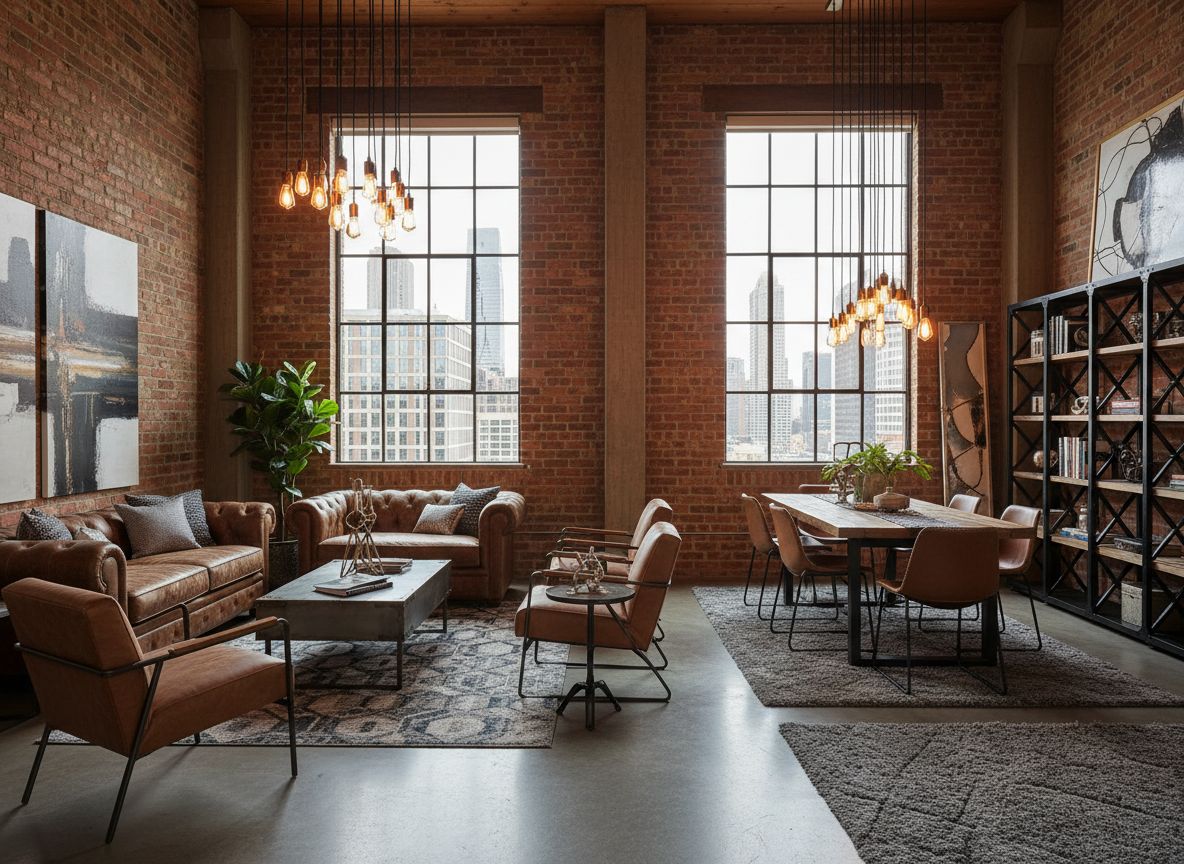
Raw, urban aesthetic with exposed elements and mixed materials. Metal, wood, and brick create an edgy loft atmosphere.
Urban
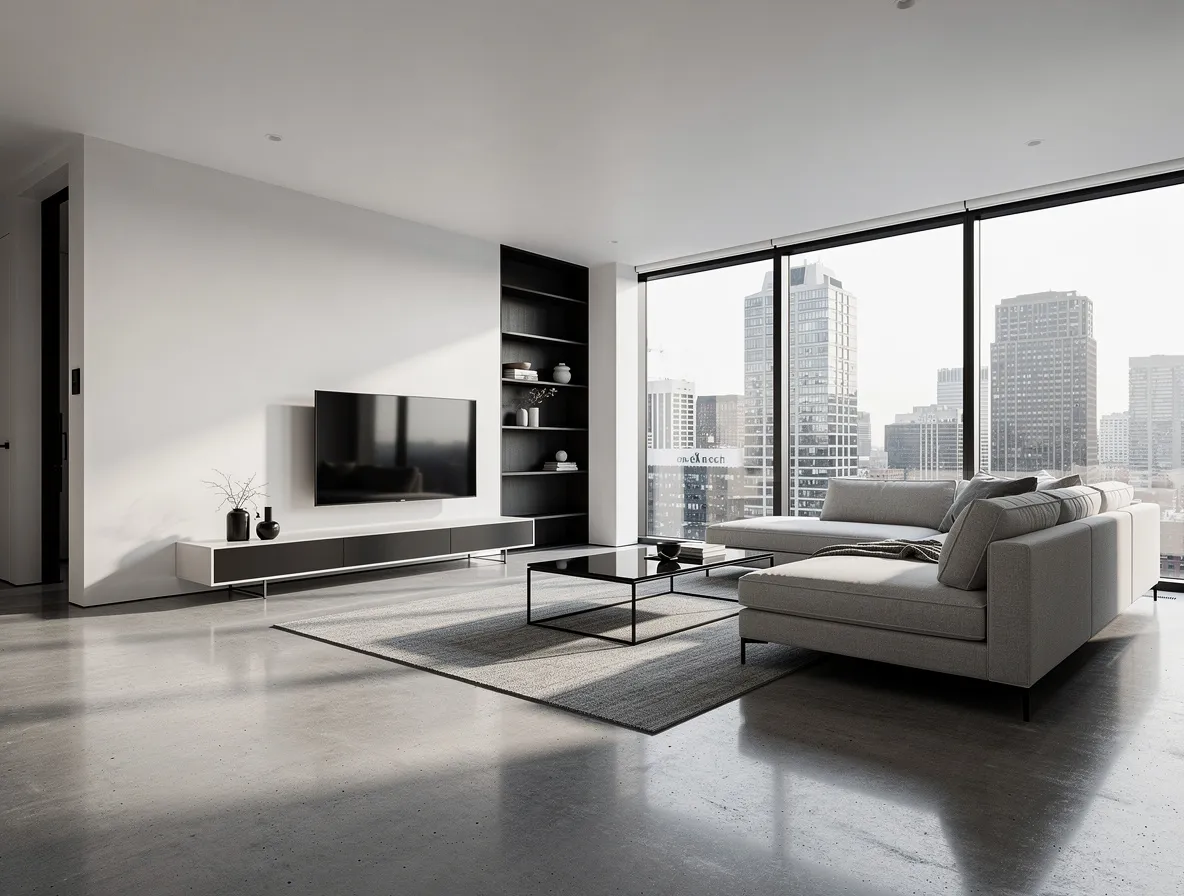
Polished concrete, floor-to-ceiling windows, and city views define this sophisticated metropolitan aesthetic.
Loft
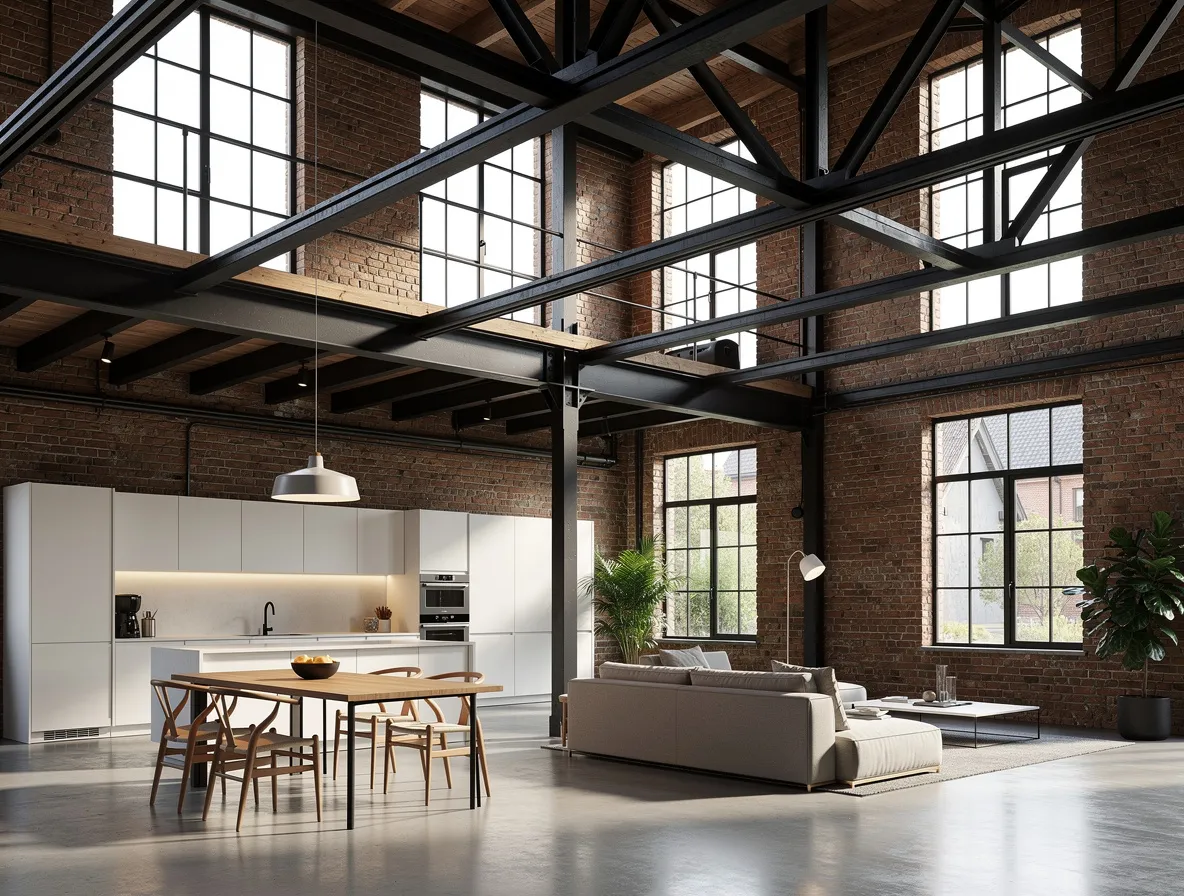
Double-height ceilings, exposed steel beams, and oversized windows create the ultimate open-plan urban living.
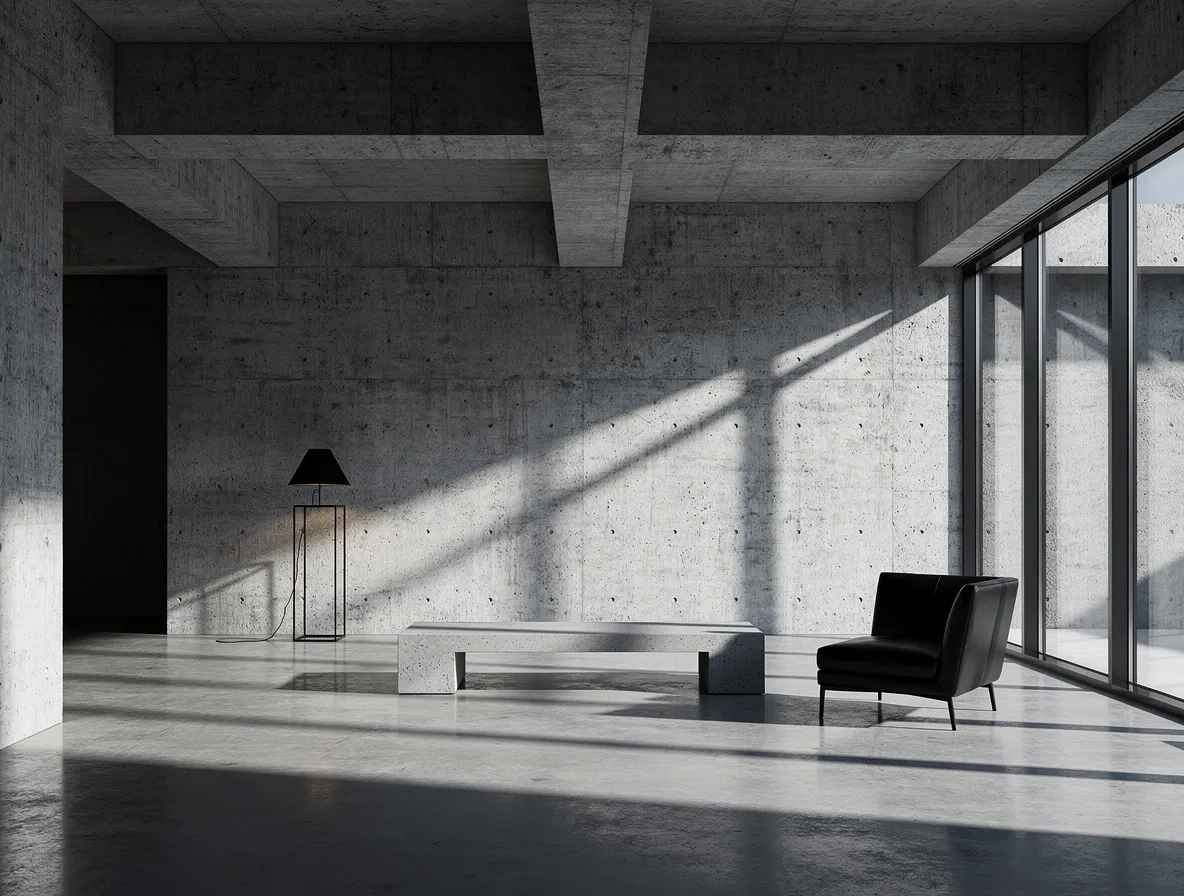
Brutalist
Raw concrete, geometric forms, and dramatic shadows create bold, sculptural interiors that make a statement.
Common Questions
Warehouse Design: FAQ
What is the difference between warehouse and industrial design?
Warehouse design is a specific spatial type - an authentic large-volume converted industrial building. Industrial is an aesthetic applied to any space. You can achieve an industrial look in any apartment; warehouse design requires the genuine spatial characteristics.
How do I warm up a warehouse interior?
Layer textile softness against the hard surfaces - a large wool rug, leather sofas, linen curtains. Add warm-toned lighting (Edison bulbs, warm LED) and plants. The contrast between warm soft elements and raw hard surfaces is what makes warehouse interiors so satisfying.
What lighting works best in a warehouse interior?
Industrial pendant clusters, adjustable spotlight tracks, and Edison filament bulbs are all authentic to the aesthetic. The key is warm color temperature (2700-3000K) to counteract the coolness of concrete and steel.
Ready to Transform Your Space?
Upload a photo and see it in warehouse style - or any of our 80+ other styles - in seconds.