Brutalist Design
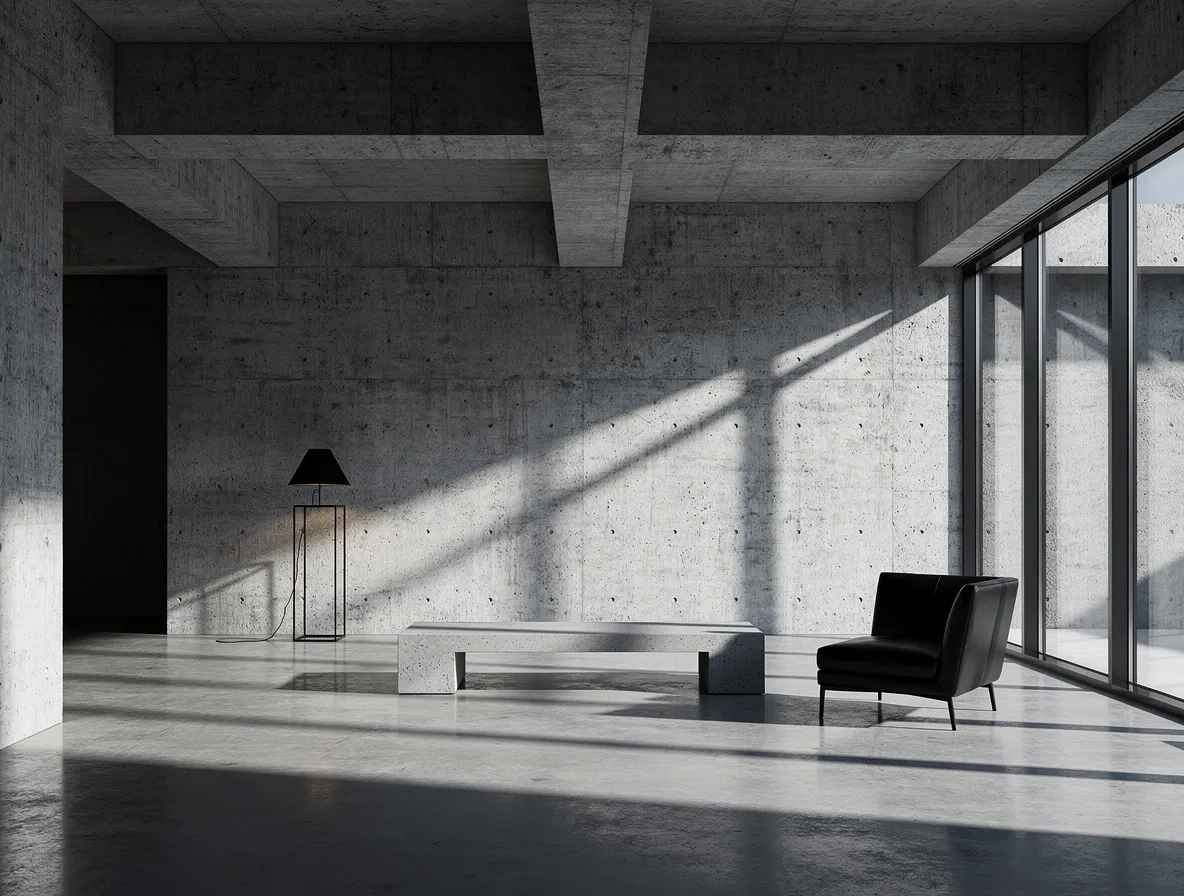
Raw concrete, monolithic forms, and an unflinching celebration of structural honesty define Brutalism - architecture and interior design stripped to its most powerful essence.
About the Style
What Is Brutalist Design?
Brutalism emerged in post-war Britain and internationally as architects celebrated the structural honesty of reinforced concrete. Derived from the French 'beton brut' (raw concrete), Brutalist design exposes structural materials without apology - board-formed concrete walls, concrete ceilings with form ties visible, raw steel connections, and minimal ornament. The aesthetic is austere, powerful, and genuinely polarizing.
Why People Love It
-
No other aesthetic delivers such raw architectural power and presence
-
The texture of board-formed concrete is deeply beautiful and irreplaceable
-
Honesty of structure is intellectually compelling and architecturally courageous
-
Natural light raking across concrete surfaces creates constantly changing shadow art
Key Characteristics
-
Board-formed raw concrete walls and ceilings
-
Form tie marks preserved as authentic texture
-
Monolithic, geometric massing
-
Minimal concealment of structure or services
-
Strong geometric shadow patterns from light
-
Heavy, permanent materials throughout
Color Palette
Materials
Ideal For
Room-by-Room
Brutalist Design in Every Room
How brutalist design translates across every space in your home
Living Room
Board-formed concrete walls and ceiling, a single skylight raking light across the texture, a dark timber floor, and minimal furniture of absolute quality.
Kitchen
Polished concrete countertop, concrete cabinetry faces, raw steel details, and a single skylight as the only natural light source.
Bedroom
Concrete walls, timber floor, a simple but quality bed, narrow window with raking light, and no decorative objects.
Bathroom
Full concrete wet room with no tile, a single slot window at ceiling height, raw steel fixtures, and a concrete integrated basin.
Exterior
Board-formed concrete facade with form tie patterns exposed, geometric massing, minimal landscape, and a powerful concrete entrance portal.
Visualize It First
See Brutalist Design in Your Space
Upload any photo and our AI transforms it into brutalist style in seconds
Upload a photo
Any room, any angle. Interior or exterior - phone photo is fine.
Select "Brutalist"
Choose this style from our library or describe it to the AI in plain language.
Get your design
Photorealistic result in seconds. Download in HD or 4K resolution.
Expert Advice
How to Achieve Brutalist Design
Practical tips from designers who work with brutalist style every day.
Commission board-formed concrete walls from a specialist contractor - the pattern of the formwork boards is the only decoration, and it must be precise.
Use natural light as your primary design tool - skylights, raking windows, and narrow slot windows all create dramatic shadow patterns on concrete.
Choose dark or matte black fixtures, hardware, and furniture to recede against the raw concrete rather than compete with it.
Introduce warmth through timber flooring and thick wool textiles - the contrast between warm material and cold concrete is what makes Brutalism livable.
Display art very selectively - in a Brutalist interior, the walls themselves are the art. One significant piece per room is the maximum.
Iconic Examples
The Buildings People Love to Hate - and Then Love
Brutalist architecture is the only design movement with an active controversy about whether its buildings should be demolished or celebrated. The ones that survive tend to become intensely loved.
The Barbican Estate
The Barbican is the largest brutalist housing estate in Europe - 2,000 flats across three towers and several residential blocks, built over a bombed City of London site. Intensely controversial when opened, it was voted one of the most admired buildings in Britain by its own residents and architectural critics decades later. Barbican apartments now command premium prices specifically because of their brutalist character.
Moshe Safdie's Habitat 67
Moshe Safdie designed Habitat 67 for the Montreal Expo as a vision of modern affordable housing - 354 identical prefabricated concrete modules stacked in 12 different configurations to create 146 unique apartments. Each has outdoor garden space, and the stacking creates a dense, living city-within-a-city. It has become one of the most desirable addresses in Montreal, the opposite of its intended social purpose.
Trellick Tower
Erno Goldfinger's Trellick Tower in west London was the most hated building in Britain when it opened - associated with crime, neglect, and failed social housing policy. It is now a Grade II* listed building with apartments selling for 10 times the average London price. Its distinctive separate service tower, connected to the main block by bridges, has become one of the most photographed architectural silhouettes in the city.
City Hall - The Most Hated Building in America
Boston City Hall has been voted the ugliest building in America in multiple polls. Its monumental poured concrete form, designed by Kallmann McKinnell and Knowles, was intended to symbolize democratic power and civic gravity. It remains brutalism's most extreme example of form divorced from human scale - and is now considered historically significant enough to prevent demolition.
Style Pairings
Styles That Complement Brutalist
Mix brutalist with these styles for a layered, personal look.
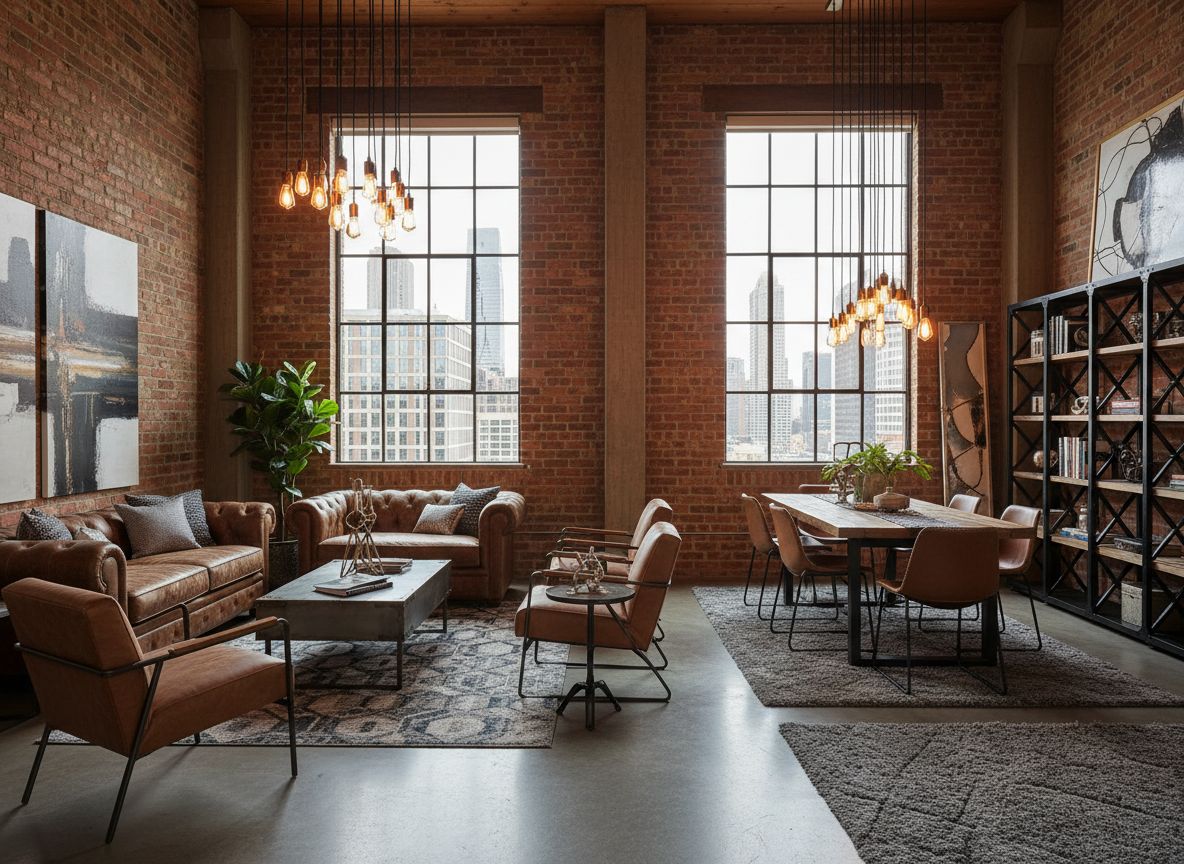
Industrial
Raw, urban aesthetic with exposed elements and mixed materials. Metal, wood, and brick create an edgy loft atmosphere.
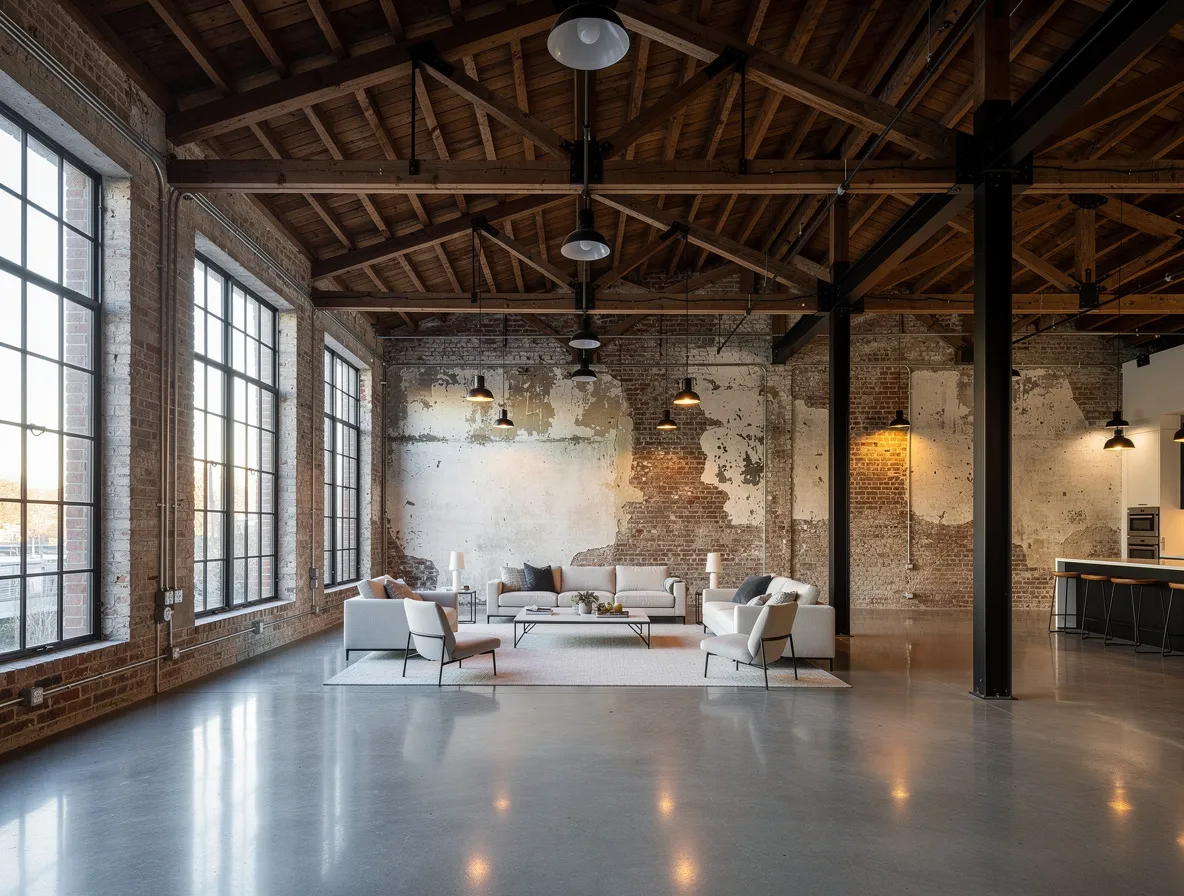
Warehouse
Original timber trusses, steel columns, and raw finishes celebrate the honest character of converted industrial spaces.
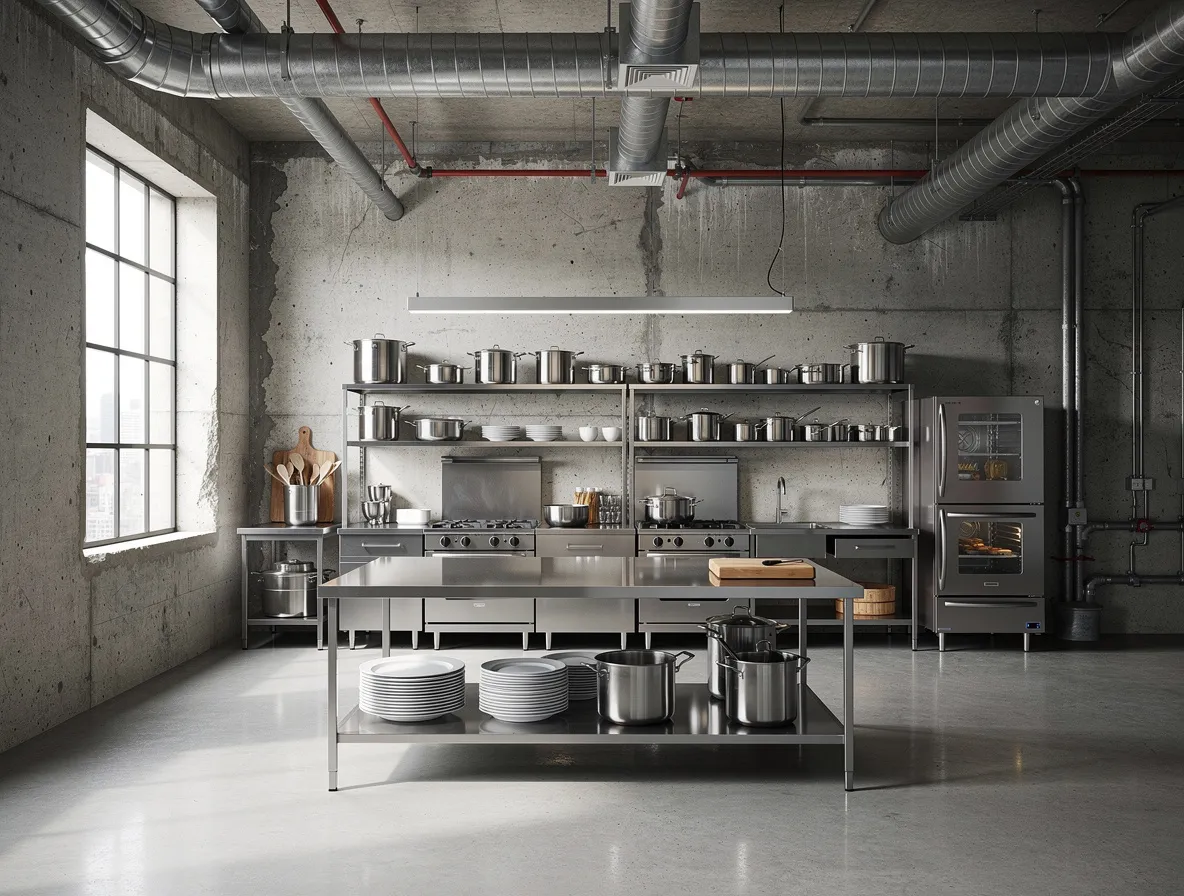
Raw
Exposed pipes, unfinished concrete, and utilitarian aesthetics bring an unapologetic, functional edge to the space.
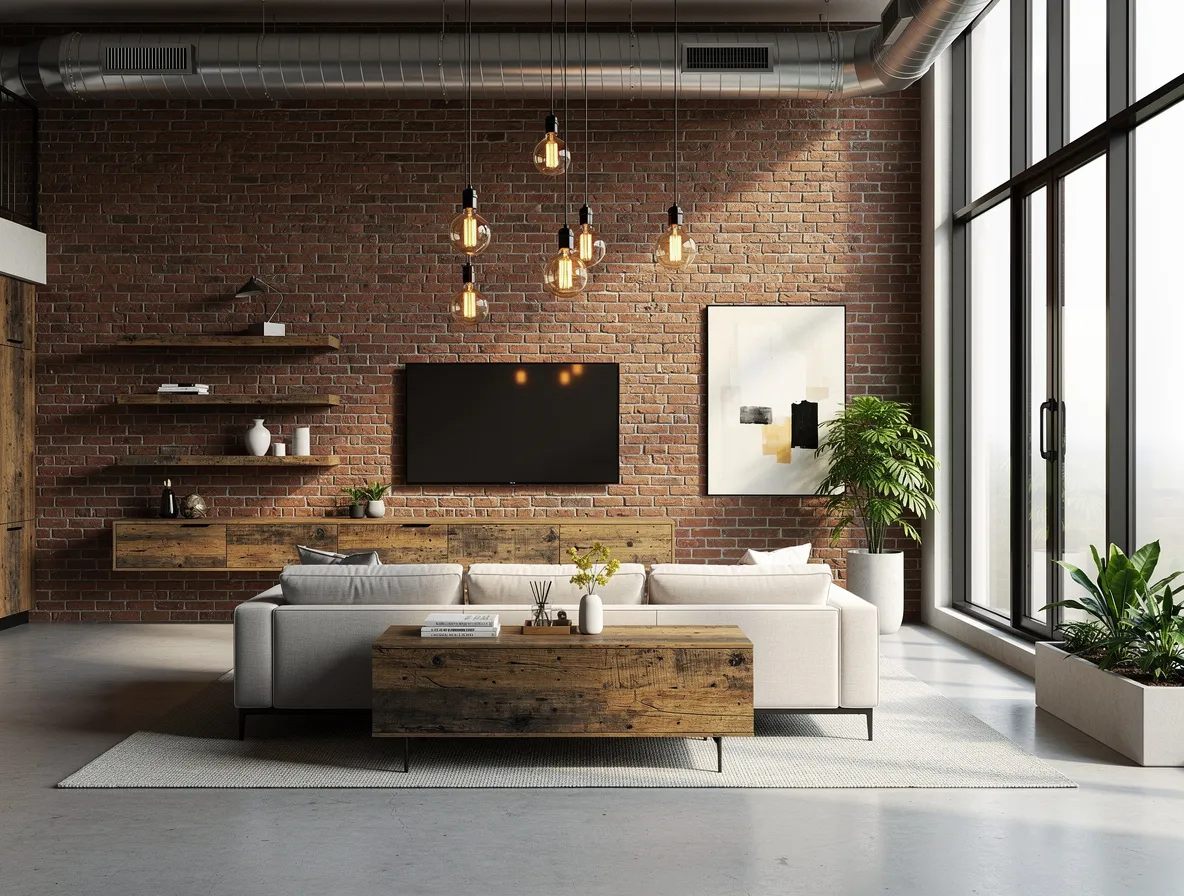
Exposed
Visible brick, ductwork, and steel-frame windows paired with Edison bulbs and reclaimed wood for industrial charm.
Common Questions
Brutalist Design: FAQ
What defines brutalist interior design?
Exposed structural concrete, raw materials without surface treatment, massive forms, dramatic scale, strong light and shadow contrasts, and a deliberate rejection of comfort or decoration. It is confrontational by design.
Can brutalist elements work in a home interior?
Yes - board-formed concrete feature walls, heavy concrete or stone furniture, and angular architectural forms bring brutalist character without the scale and social implications of a Barbican tower. The key is using concrete as a material, not as a political statement.
Why do people love brutalist architecture now?
As it has aged, brutalist concrete has developed a patina and a sense of mass that new buildings cannot replicate. Its honest expression of structure, without facade treatment, now reads as a design value (authenticity) rather than a deficiency.
What colors complement brutalist interiors?
The natural palette of concrete gray is best complemented with warm amber and terracotta accents, or strong primary colors (the original brutalist color theory). Black and white work as graphic contrasts. Avoid pastels or soft tones that fight the weight of the material.
Ready to Transform Your Space?
Upload a photo and see it in brutalist style - or any of our 80+ other styles - in seconds.