Industrial Design
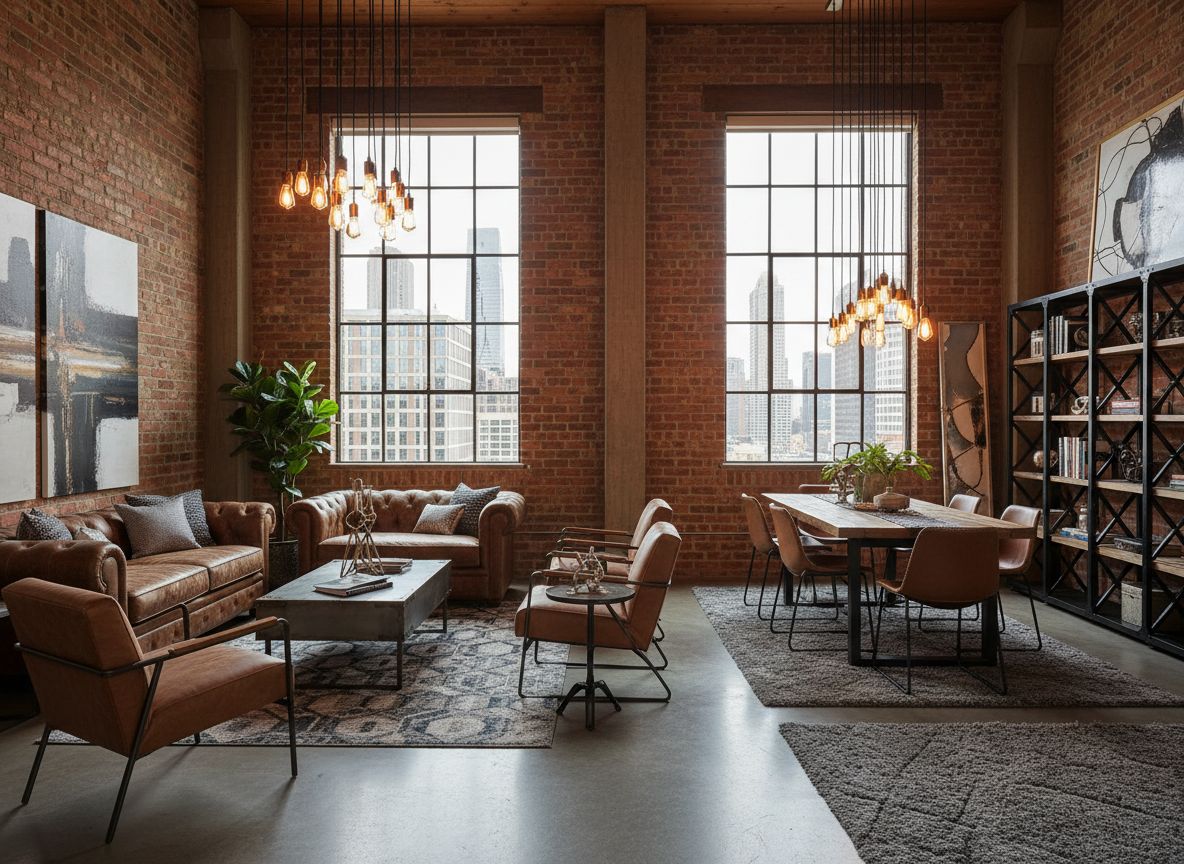
Raw, urban, and unapologetically bold - industrial style celebrates exposed structure and utilitarian beauty drawn from factories and early-20th-century warehouses.
About the Style
What Is Industrial Design?
Industrial design draws from the vocabulary of 19th-century factories and warehouse conversions. Exposed brick walls, concrete floors, steel pipe railings, and visible ductwork are not concealed but celebrated as honest architecture. Paired with Edison bulbs, reclaimed timber, and dark metal finishes, industrial spaces achieve a gritty authenticity and urban character that no other style can replicate.
Why People Love It
-
Creates an atmosphere no other style replicates - genuinely unique and edgy
-
Celebrates imperfection and unfinished, honest materials over perfection
-
Scale works magnificently in high-ceiling converted spaces
-
Pairs effortlessly with leather, vintage wood, and statement art
Key Characteristics
-
Exposed brick walls and concrete surfaces
-
Visible ductwork and metal pipework
-
Steel pipe railings and open shelving
-
Edison bulb pendant lighting clusters
-
Reclaimed timber tabletops and flooring
-
Open-plan layouts with double-height ceilings
Color Palette
Materials
Ideal For
Room-by-Room
Industrial Design in Every Room
How industrial design translates across every space in your home
Living Room
Exposed brick feature wall, concrete floor with a large wool rug, leather Chesterfield sofa, and clustered Edison pendant lights define the industrial living room.
Kitchen
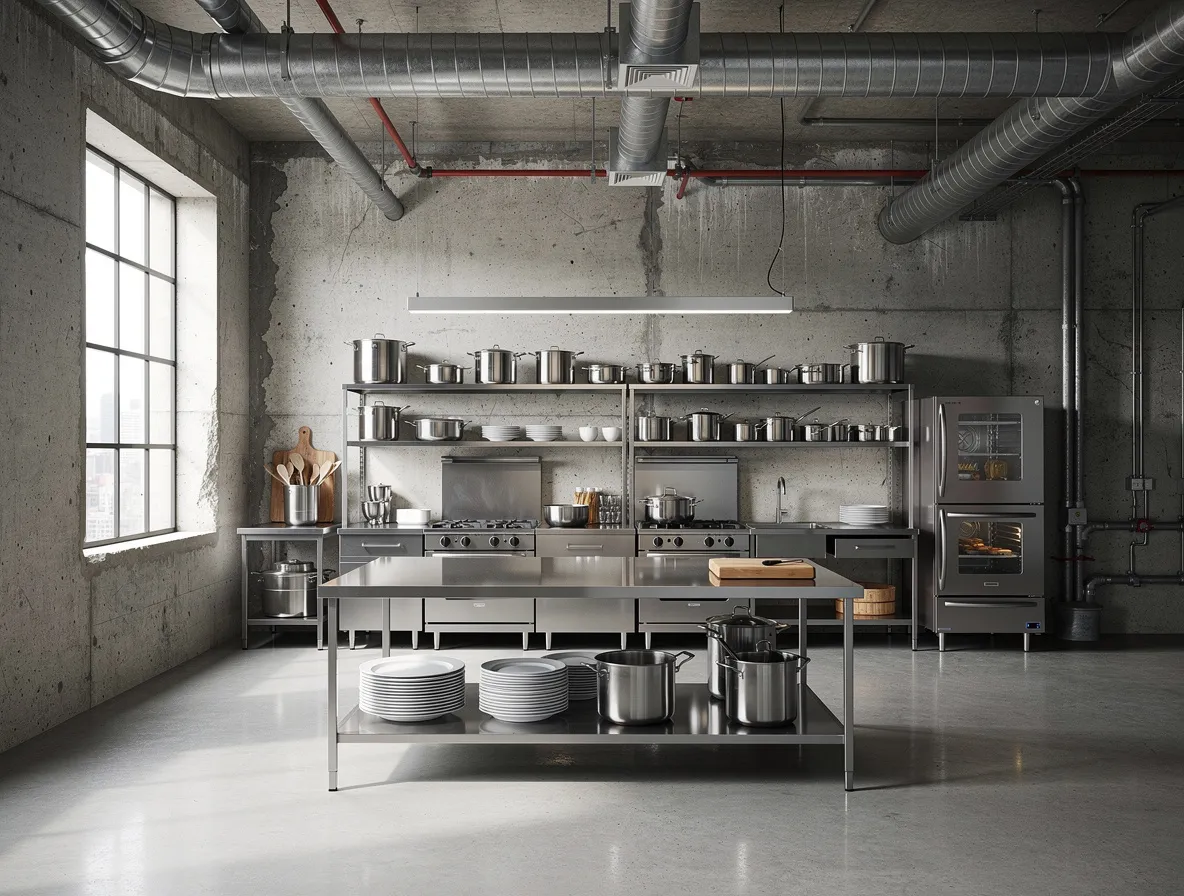
Open steel shelving, concrete worktops, dark matte cabinetry, and an exposed industrial extractor hood give the kitchen a factory-workshop character.
Bedroom
Exposed brick headboard wall, steel bed frame, Edison bedside lamps, and raw wood floors with a thick rug balance edge with genuine comfort.
Bathroom
Concrete sink vessel, exposed copper pipework, black matte fixtures, hexagonal tile floor, and a barn-style sliding door create a dramatic industrial bathroom.
Exterior
Steel-frame windows, raw concrete or brick facade, metal cladding panels, and utilitarian landscaping signal the industrial aesthetic from the street.
Visualize It First
See Industrial Design in Your Space
Upload any photo and our AI transforms it into industrial style in seconds
Upload a photo
Any room, any angle. Interior or exterior - phone photo is fine.
Select "Industrial"
Choose this style from our library or describe it to the AI in plain language.
Get your design
Photorealistic result in seconds. Download in HD or 4K resolution.
Expert Advice
How to Achieve Industrial Design
Practical tips from designers who work with industrial style every day.
If real exposed brick is unavailable, thin brick veneer slips applied to a wall read authentically and cost far less than masonry.
Keep furniture proportionate to industrial scale - chunky leather sofas and solid wood dining tables fill the space without feeling sparse.
Use pipe-style shelving and railings consistently throughout rather than as isolated accent pieces to reinforce the industrial vocabulary.
Balance rawness with softness - a large wool rug, linen curtains, and plants prevent the space feeling cold and unwelcoming.
Cluster Edison pendant lights at varying heights above the dining table or kitchen island for signature industrial drama.
Design History
How Artists in SoHo Invented Industrial Style
Industrial design was not created by designers - it was invented by broke artists who needed cheap space and turned an accident of necessity into one of the most influential aesthetics in history.
Artists Move into Abandoned Factories
When New York's manufacturing industry declined in the 1960s, artists like Rauschenberg, Warhol, and Jasper Johns began renting cheap industrial spaces in SoHo - south of Houston Street. Living there was technically illegal but the spaces were enormous and affordable.
The Loft Aesthetic Is Born
Artists started making these rough spaces livable without hiding what they were. Exposed brick stayed exposed. Steel columns remained unpainted. Ductwork hung from ceilings. The industrial bones became the decor, and the aesthetic that emerged from necessity became fashionable.
New York Legalises Loft Living
Pressure from residents led the city to create legal frameworks for residential loft conversions. Once legitimised, developers converted warehouses and factories across Manhattan, Brooklyn, and eventually cities worldwide, making the aesthetic available to a much wider market.
Coffee Culture Globalises the Look
Third-wave coffee shops adopted industrial aesthetics as their default visual language - exposed pipes, concrete counters, Edison bulbs, factory windows. This put industrial design in front of millions of people daily, and they started bringing it home.
Style Pairings
Styles That Complement Industrial
Mix industrial with these styles for a layered, personal look.
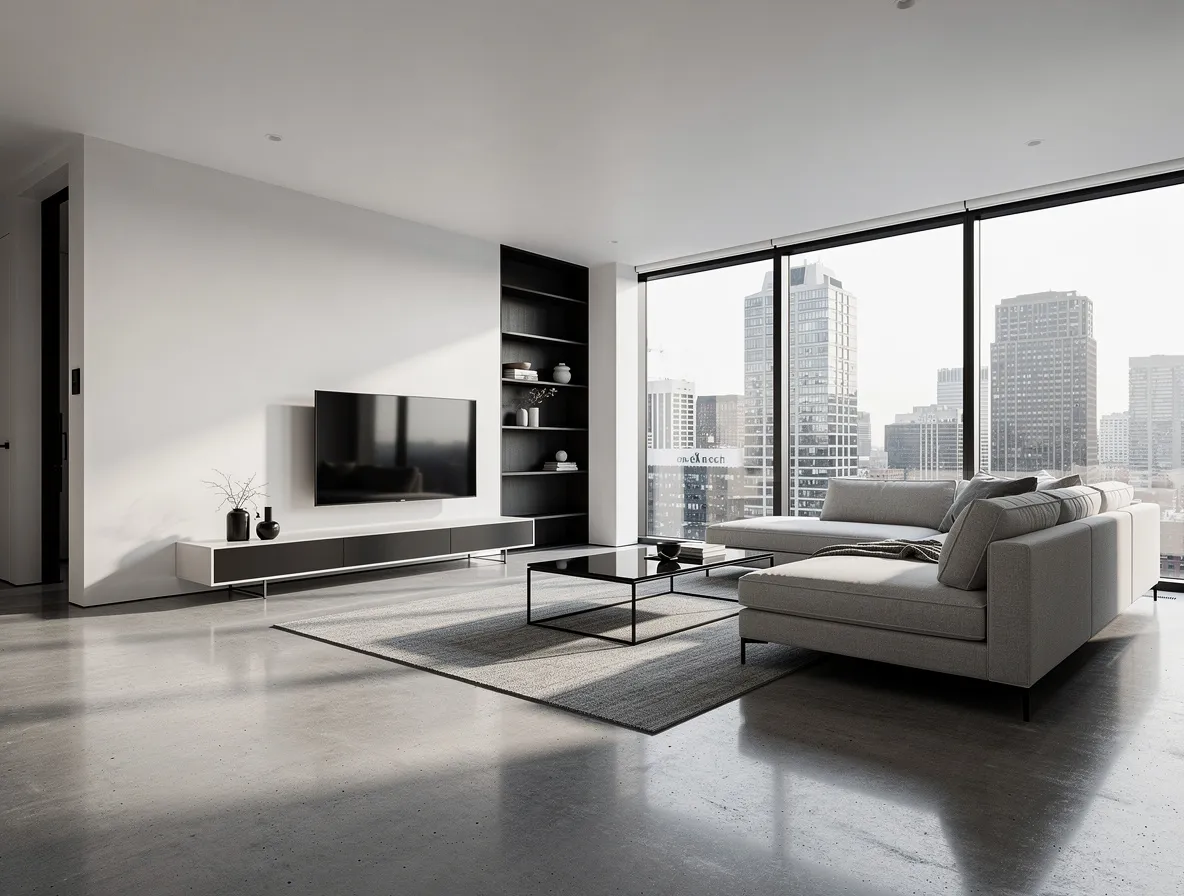
Urban
Polished concrete, floor-to-ceiling windows, and city views define this sophisticated metropolitan aesthetic.
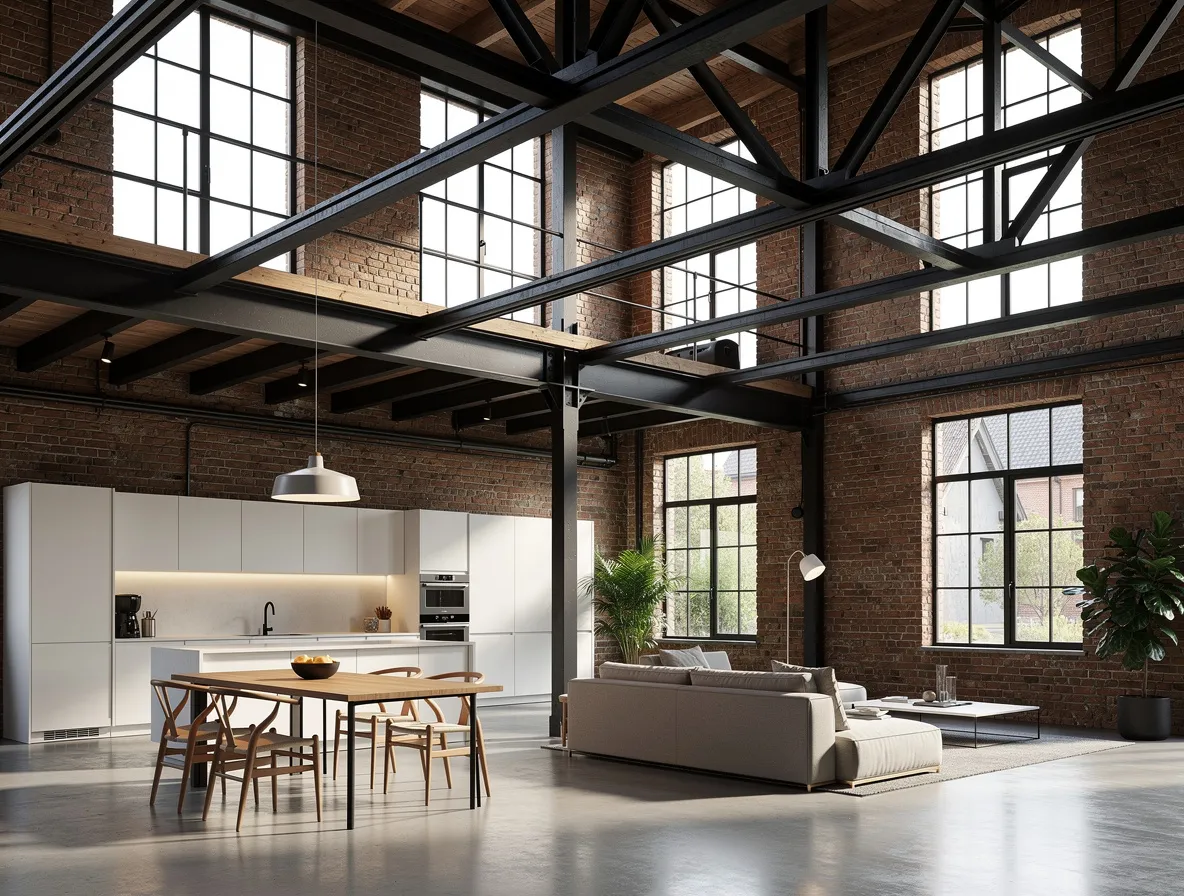
Loft
Double-height ceilings, exposed steel beams, and oversized windows create the ultimate open-plan urban living.
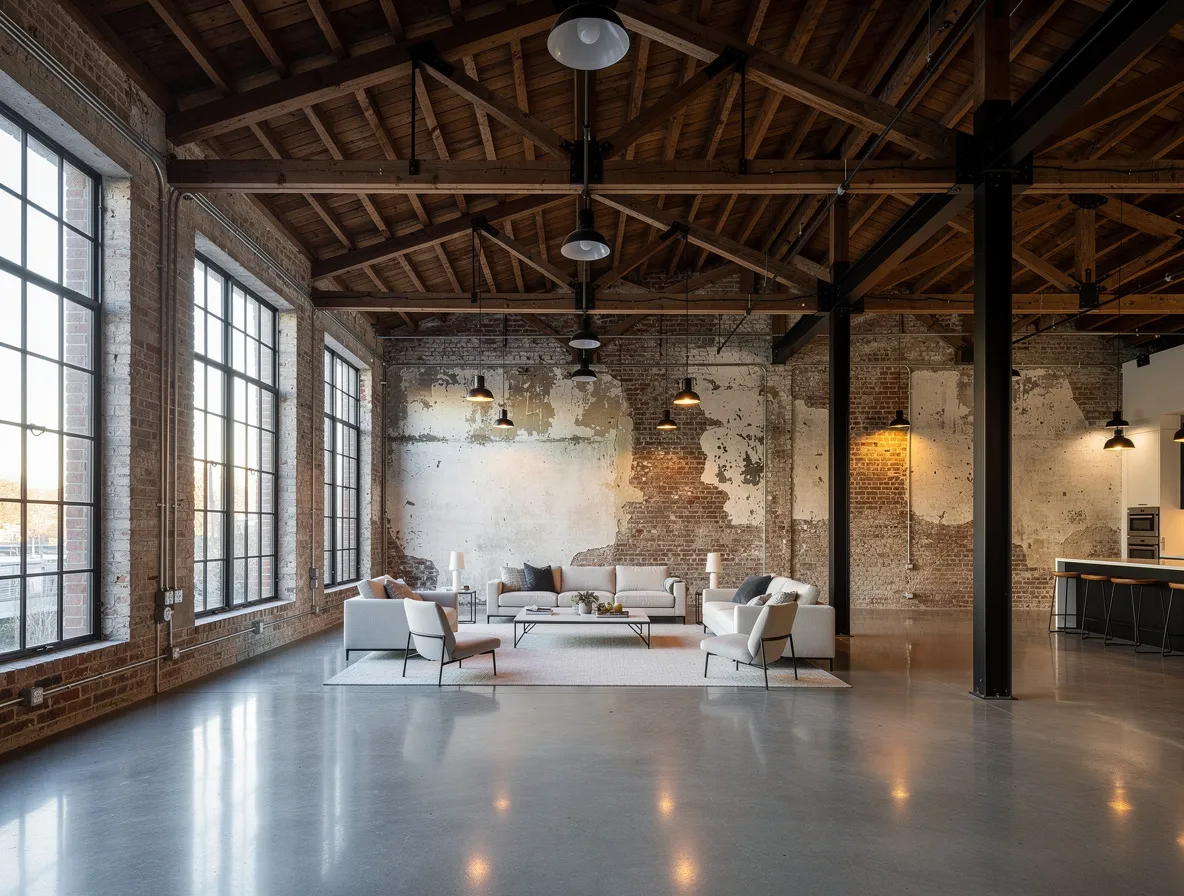
Warehouse
Original timber trusses, steel columns, and raw finishes celebrate the honest character of converted industrial spaces.
Raw
Exposed pipes, unfinished concrete, and utilitarian aesthetics bring an unapologetic, functional edge to the space.
Common Questions
Industrial Design: FAQ
How do I make my home look industrial without it feeling like a warehouse?
Balance raw materials with warm elements. Pair exposed brick with leather seating, add warm Edison bulbs, and use a large soft rug. Industrial bones with cozy layers read as intentional, not accidental.
What colors work with industrial design?
Warm neutrals - raw concrete gray, warm white, aged brown, matte black. Avoid cold blues or bright colors. Deep forest green and burgundy work well as accents against industrial materials.
What is the difference between industrial and loft design?
Loft refers to a spatial type - an open plan in a converted building. Industrial is an aesthetic - raw materials, exposed structure. Most loft spaces use industrial design, but they describe different things.
Can industrial design work in a small apartment?
Yes. Focus on one or two industrial elements - exposed brick, metal shelving, factory-style lighting - rather than going all-in. Layering industrial accents into an otherwise simple space is more achievable and more livable.
Ready to Transform Your Space?
Upload a photo and see it in industrial style - or any of our 80+ other styles - in seconds.