Raw Design
Deliberately unfinished, intentionally imperfect - raw design celebrates the beauty of exposed process, incomplete surfaces, and materials at their most honest and unconcealed.
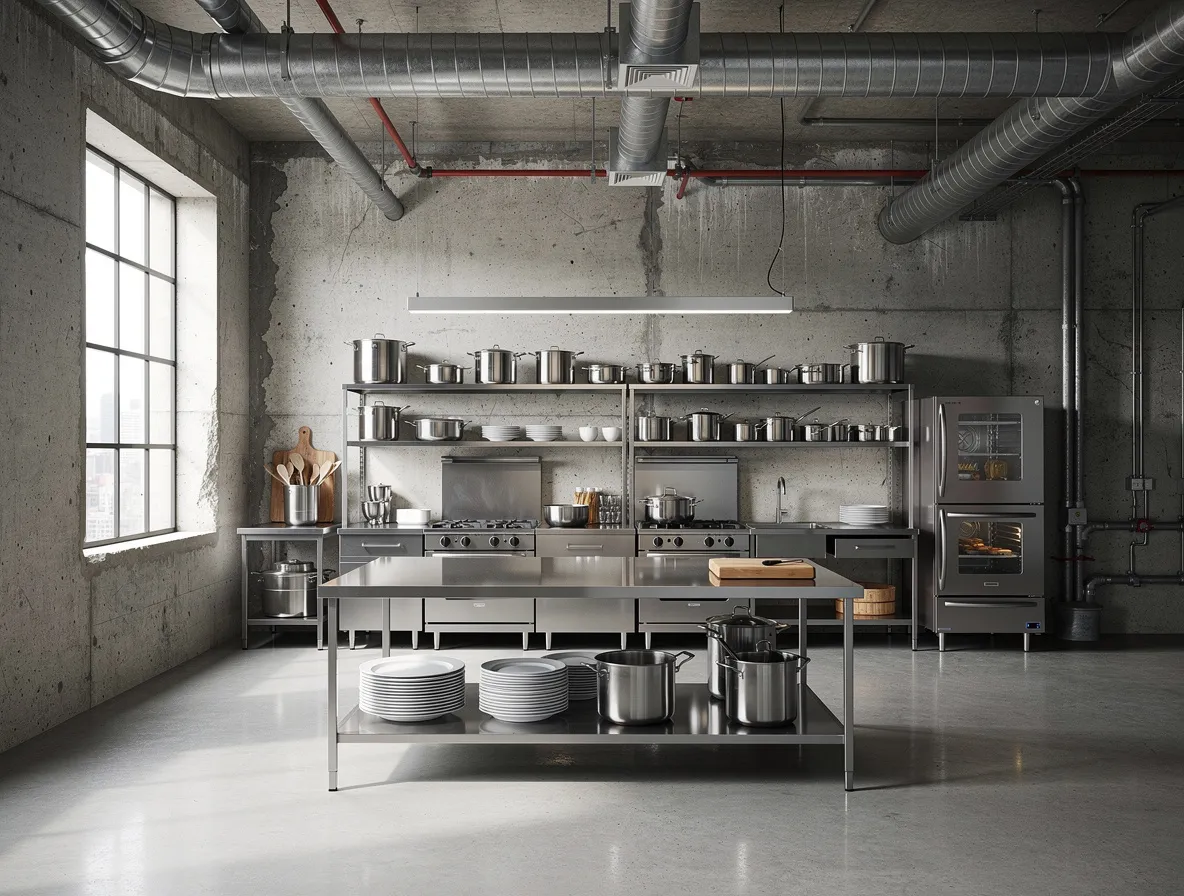
About the Style
What Is Raw Design?
Raw design is a deliberate aesthetic choice to leave surfaces in various stages of incompletion - layers of paint peeling to reveal earlier colors, bare plaster that was never intended to be the final surface, rough plywood left unfaced, and concrete unpainted. It requires confidence and intention: the difference between raw design and an unfinished renovation is the selection of what to leave exposed and what to complete.
Why People Love It
-
The most authentic and personal aesthetic - your home shows its actual history
-
Far less expensive than conventional finishes - peeling plaster costs nothing
-
No two raw interiors are identical - the material decides the aesthetic
-
Imperfection as a deliberate value is the most honest design philosophy
Key Characteristics
-
Deliberately exposed or unfinished wall surfaces
-
Visible layers of previous material or treatment
-
Rough plywood or bare plaster as final surface
-
Imperfect joints and unresolved edges
-
Industrial materials used in domestic contexts
-
Found and salvaged materials with their history intact
Color Palette
Materials
Ideal For
Room-by-Room
Raw Design in Every Room
How raw design translates across every space in your home
Living Room
Layers of exposed plaster over brick, a quality modern sofa as contrast, bare concrete floor, salvaged timber shelving, and industrial clip lighting.
Kitchen
Rough plywood cabinetry, exposed brick backsplash, concrete worktop, salvaged timber shelves, and bare Edison bulb lighting.
Bedroom
Peeling paint layers on one wall (sealed), quality white linen bedding for contrast, bare concrete floor with a single good rug.
Bathroom
Rough concrete walls, a simple stainless steel sink, exposed pipework, and a single bare industrial light fixture.
Exterior
The original unrendered structure exposed, salvaged brick or block, raw metal window surrounds, and minimal interventive landscaping.
Visualize It First
See Raw Design in Your Space
Upload any photo and our AI transforms it into raw style in seconds
Upload a photo
Any room, any angle. Interior or exterior - phone photo is fine.
Select "Raw"
Choose this style from our library or describe it to the AI in plain language.
Get your design
Photorealistic result in seconds. Download in HD or 4K resolution.
Expert Advice
How to Achieve Raw Design
Practical tips from designers who work with raw style every day.
Edit deliberately - choose which raw surfaces to preserve and which to complete. A room cannot be all raw; the selective exposure is what creates the aesthetic.
Layer raw walls with quality, precise furniture - the contrast between the controlled and the accidental is the point of raw design.
Apply a sealant over peeling plaster or raw concrete to stabilize it without covering it - this makes impermanent surfaces permanent design choices.
Source salvaged materials specifically for their marks of age - concrete with embedded aggregate, timber with nail holes, brick with original paint residue.
Use industrial lighting (bare bulbs, exposed conduit, clip-on spots) to reinforce the raw aesthetic throughout the space.
Key Designers
Tadao Ando and the Philosophy of Bare Concrete
No designer has done more to elevate raw, unfinished materials into a spiritual aesthetic than Tadao Ando - and understanding his philosophy changes how you see every unfinished wall.
From Boxing to Architecture
Tadao Ando was a self-taught architect who learned design from books borrowed from Osaka bookshops and taught himself by travelling Europe studying buildings. He began his career as a boxer - and his approach to architecture has the same economy of means: no unnecessary movement, every element purposeful, nothing wasted.
The Church of Light - One Slot, One Idea
Ando's Church of Light (1989) in Osaka is a concrete box with a cross-shaped slot cut into the east wall behind the altar. Sunlight enters through the slot and projects a cross of light on the opposite wall at specific times of day. The entire building is this one idea, executed in board-formed concrete with no other decoration. It may be the most economical expression of an architectural concept ever built.
Concrete as Japanese Philosophy
Ando explicitly connects his use of concrete to Japanese aesthetic principles - particularly wabi-sabi (the beauty of imperfection) and ma (the meaningful quality of empty space). His concrete is not neutral or industrial - it is carefully poured, finished to a specific smoothness, and lit to reveal every mark left by the formwork. The 'raw' surface is actually the product of extraordinary care.
The Retreat at Lake Biwa
Ando's residential projects extend his philosophy into domestic space - concrete walls that frame precise views of water or sky, rooms that are too simple to furnish heavily, and spaces designed to change through the day as light moves across them. Living in an Ando house requires a different relationship to one's home than any other architecture.
Style Pairings
Styles That Complement Raw
Mix raw with these styles for a layered, personal look.
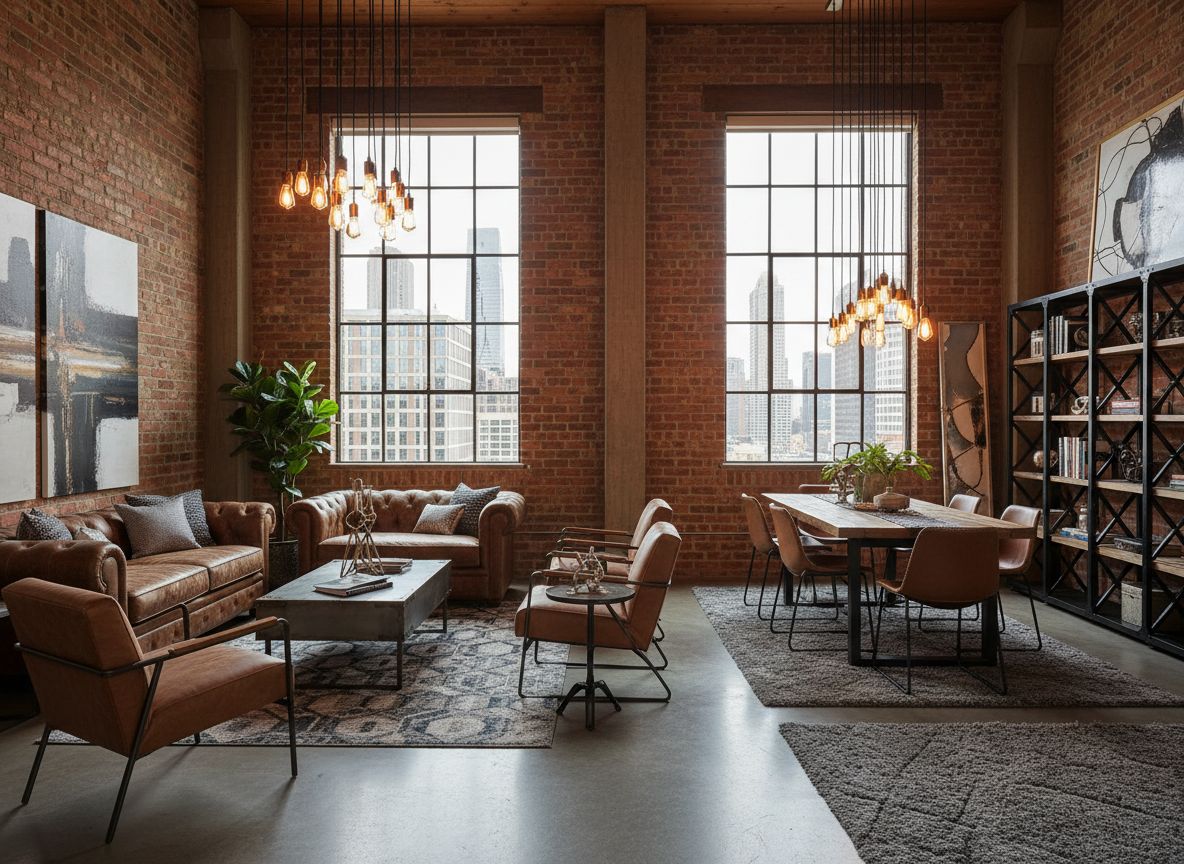
Industrial
Raw, urban aesthetic with exposed elements and mixed materials. Metal, wood, and brick create an edgy loft atmosphere.
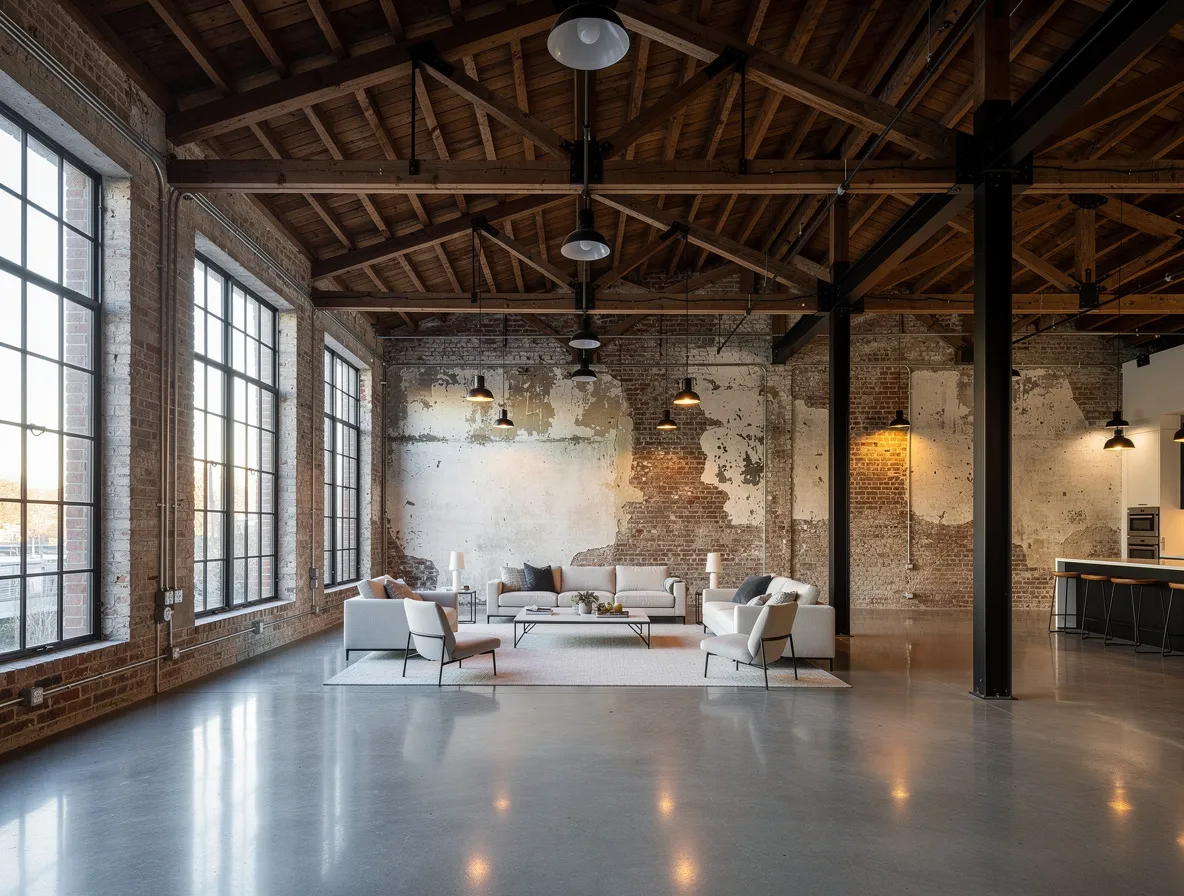
Warehouse
Original timber trusses, steel columns, and raw finishes celebrate the honest character of converted industrial spaces.
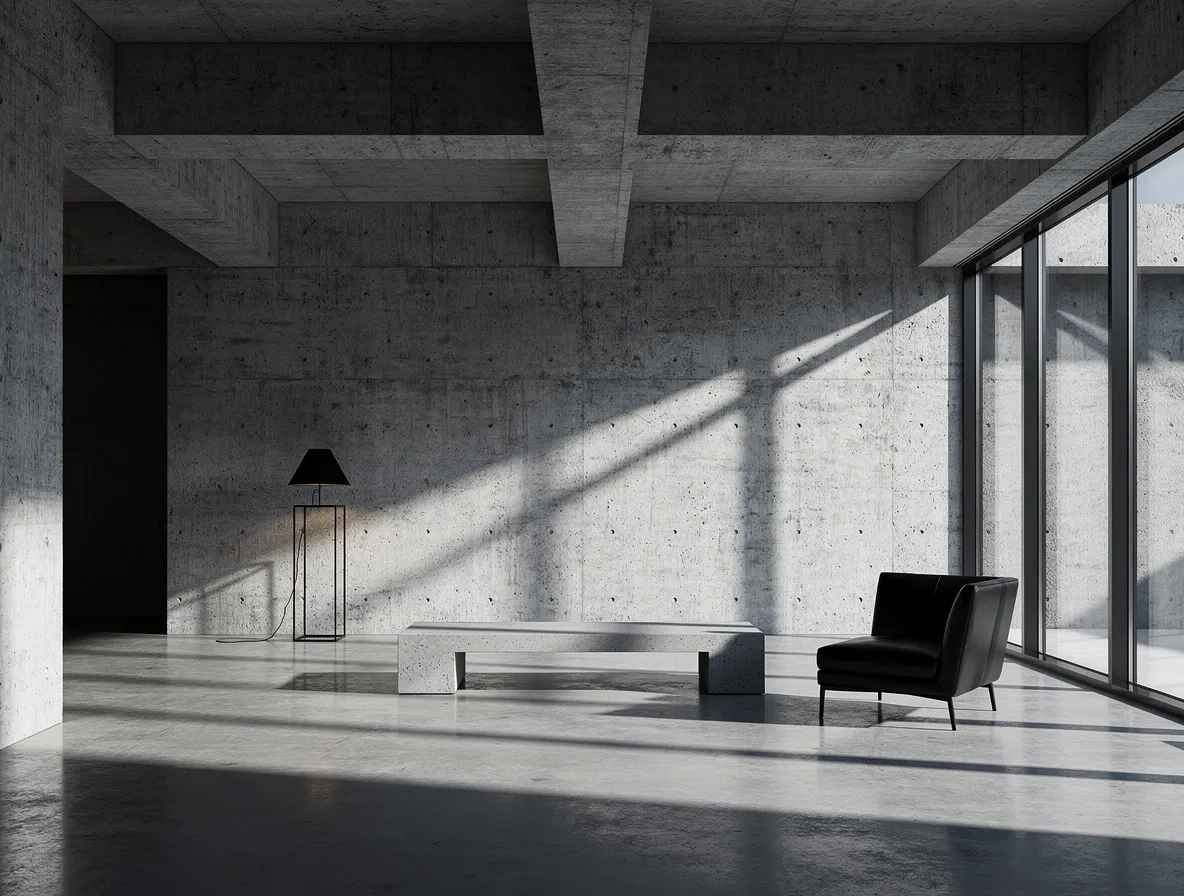
Brutalist
Raw concrete, geometric forms, and dramatic shadows create bold, sculptural interiors that make a statement.
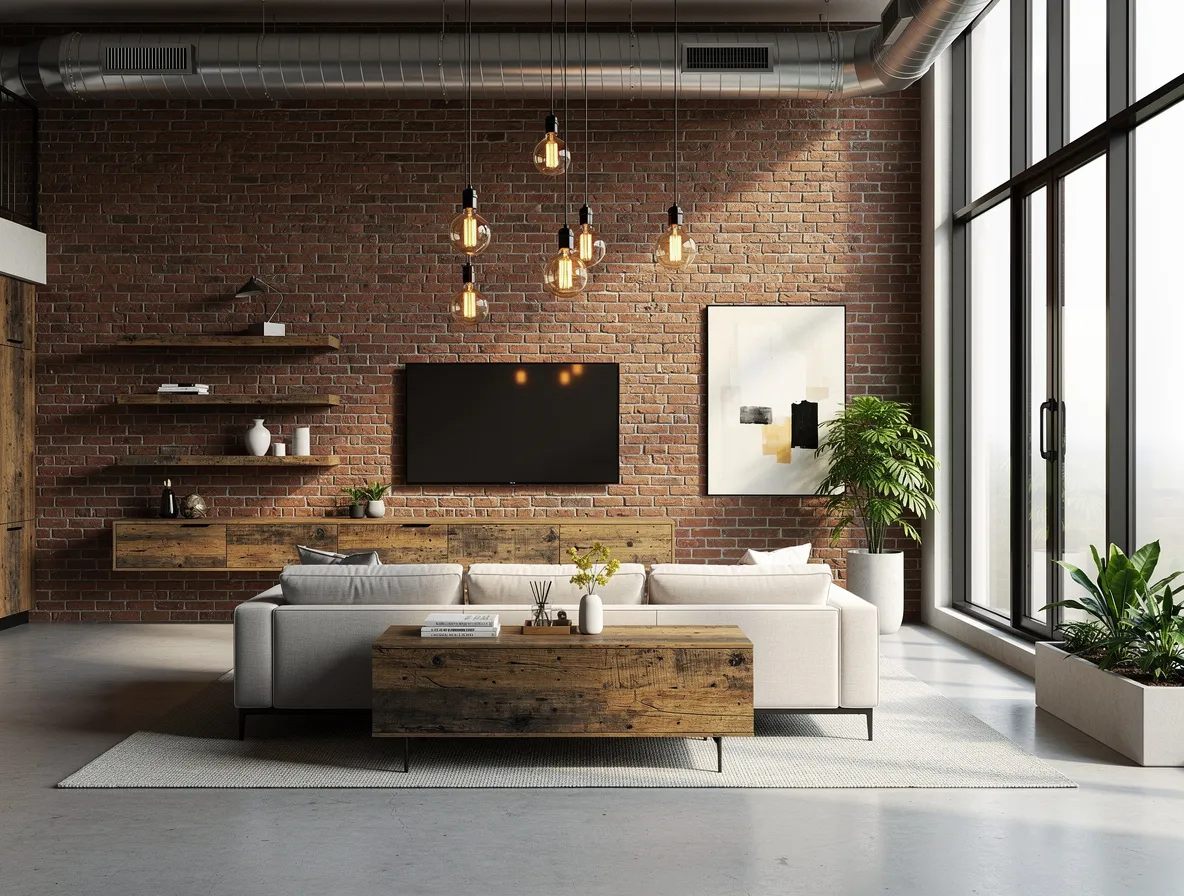
Exposed
Visible brick, ductwork, and steel-frame windows paired with Edison bulbs and reclaimed wood for industrial charm.
Common Questions
Raw Design: FAQ
What defines raw interior design?
Unfinished or minimally finished surfaces - exposed concrete, bare brick, rough plaster, natural stone without sealing. The intention is to show the material as it actually is, without concealment or decoration.
Is raw design the same as industrial design?
Related but different. Industrial uses raw materials as an aesthetic reference, often in converted factory spaces. Raw design is a more deliberate philosophical stance - using unfinished surfaces as the highest expression of the material, in any context.
How do you furnish a raw interior without ruining its character?
Simple, well-crafted furniture in natural materials. Wooden furniture with visible grain, leather upholstery, linen textiles. Avoid overly polished or decorative pieces that compete with the wall surfaces for attention.
Ready to Transform Your Space?
Upload a photo and see it in raw style - or any of our 80+ other styles - in seconds.