Asian Fusion Design
The serene refinement of Japan meets the bold richness of China and the tropical warmth of Southeast Asia in a contemporary synthesis of Eastern design excellence.
About the Style
What Is Asian Fusion Design?
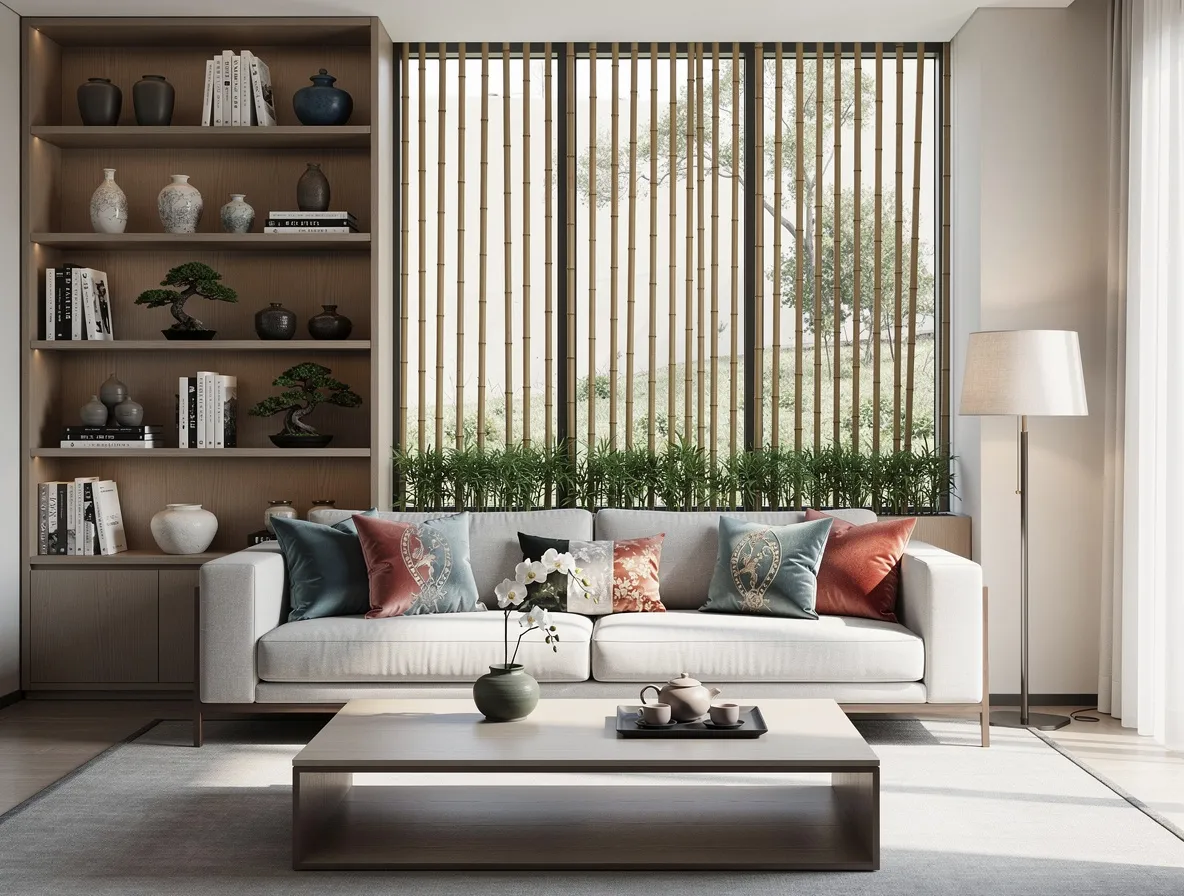
Asian fusion design draws from the full breadth of Eastern design traditions - Japanese simplicity, Chinese richness, Thai and Balinese tropical warmth, and Korean subtlety - and synthesizes them into a contemporary whole. It does not belong to a single culture but moves fluidly between them, selecting the most beautiful element of each: the Japanese wabi-sabi aesthetic alongside Chinese lacquer, bamboo alongside ceramics, shoji light alongside silk.
Why People Love It
-
Synthesizes the best aesthetic elements of multiple great Eastern traditions
-
The combination of Japanese calm with Chinese richness creates perfect balance
-
Eastern design traditions offer motifs and materials unavailable in Western design
-
The philosophy of balance, harmony, and nature-connection is deeply relevant today
Key Characteristics
-
Japanese simplicity meets Chinese richness
-
Natural materials from multiple Asian traditions
-
Eastern motifs applied with contemporary restraint
-
A palette spanning Eastern ceramics and textiles
-
Low furniture from Japanese and Chinese traditions
-
Bamboo, silk, lacquer, and ceramics as primary materials
Color Palette
Materials
Ideal For
Room-by-Room
Asian Fusion Design in Every Room
How asian fusion design translates across every space in your home
Living Room
Low Japanese table, Chinese porcelain on open shelves, bamboo floor mat, silk cushions in celadon and red, and a single ink painting.
Kitchen
Timber cabinetry with Japanese-style sliding panels, ceramic vessels, bamboo accessories, and a stone countertop.
Bedroom
A low platform bed, silk bedding, shoji-inspired screen panels filtering light, a celadon lamp, and one scroll or ink artwork.
Bathroom
Bamboo or cedar elements, a stone soaking basin, a bamboo water spout, and Japanese hand-thrown ceramic accessories.
Exterior
A fusion garden with raked gravel (Japanese), a moon gate (Chinese), and tropical plantings (Southeast Asian) in one composition.
Visualize It First
See Asian Fusion Design in Your Space
Upload any photo and our AI transforms it into asian fusion style in seconds
Upload a photo
Any room, any angle. Interior or exterior - phone photo is fine.
Select "Asian Fusion"
Choose this style from our library or describe it to the AI in plain language.
Get your design
Photorealistic result in seconds. Download in HD or 4K resolution.
Expert Advice
How to Achieve Asian Fusion Design
Practical tips from designers who work with asian fusion style every day.
Anchor with one strong cultural reference per room - a Japanese tokonoma OR a Chinese porcelain display, not both. Let each room reference one tradition primarily.
Use bamboo, silk, and natural stone as the cross-cultural material palette that works across all Eastern traditions simultaneously.
Choose a single Eastern art piece as the primary artwork in each room - a Japanese woodblock print, a Chinese ink painting, or a Korean celadon piece.
Apply Eastern color principles: the yin-yang balance of dark and light, the celadon-and-white of Chinese ceramics, or the black-and-red of Japanese lacquerware.
Create a water element in the entry or garden - a bamboo water spout, a stone basin, or a small reflecting pond connects to Asian spiritual design traditions.
Around the World
Asian Fusion Design - Three Cities, Three Interpretations
Asian fusion interior design manifests very differently depending on which Asian cultures are being blended and which Western influences they are meeting.
Peranakan Fusion - The Original Asian Fusion
Singapore's Peranakan (Straits Chinese) culture produced one of the world's most extraordinary fusion design traditions - Chinese domestic forms combined with Malay architectural vocabulary and European Colonial materials, creating interiors of extraordinary visual richness. Peranakan tiles, carved tropical hardwood furniture, and embroidered silk cushions define a fusion that is entirely authentic and entirely Singaporean.
California Asian Fusion
Los Angeles Asian fusion interior design is shaped by its large Japanese American, Chinese American, and Korean American communities. The result is a fusion that blends California modernism (open plan, indoor-outdoor living, natural light) with East Asian design principles (restraint, natural materials, considered display). It is lighter and more casual than Asian fusion in Asia.
British Asian Fusion
London's British Indian and British East Asian communities have produced a distinctive fusion that combines Georgian and Victorian architectural contexts with South Asian and East Asian decorative traditions. The result is bold: traditional Indian embroidered textiles and South Asian metalwork in a Victorian townhouse, or a Japanese-influenced minimal living room in an Edwardian flat. The contrast between the architecture and the content is the point.
Hong Kong Maximalist Fusion
Hong Kong interior design is the most densely layered Asian fusion - Chinese, British Colonial, Japanese, and contemporary global all coexist in a city with some of the smallest apartment footprints in the world. Hong Kong designers have developed extraordinary skills in creating visual richness in tiny spaces, using color, pattern, and collected objects to turn 500 square feet into a design statement.
Style Pairings
Styles That Complement Asian Fusion
Mix asian fusion with these styles for a layered, personal look.
Contemporary
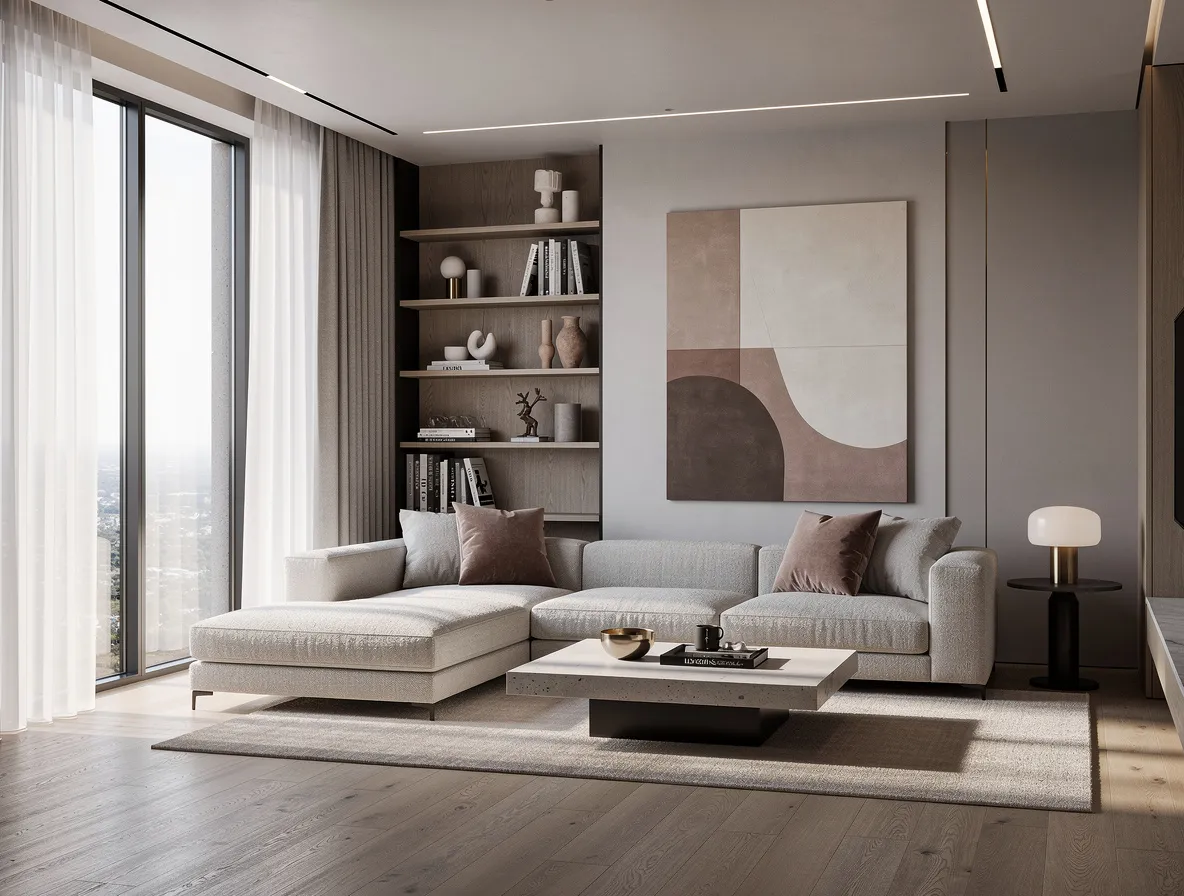
Current and ever-evolving aesthetics that reflect today's design trends. Mixed materials, sophisticated palettes, and forward-thinking layouts.
Japanese
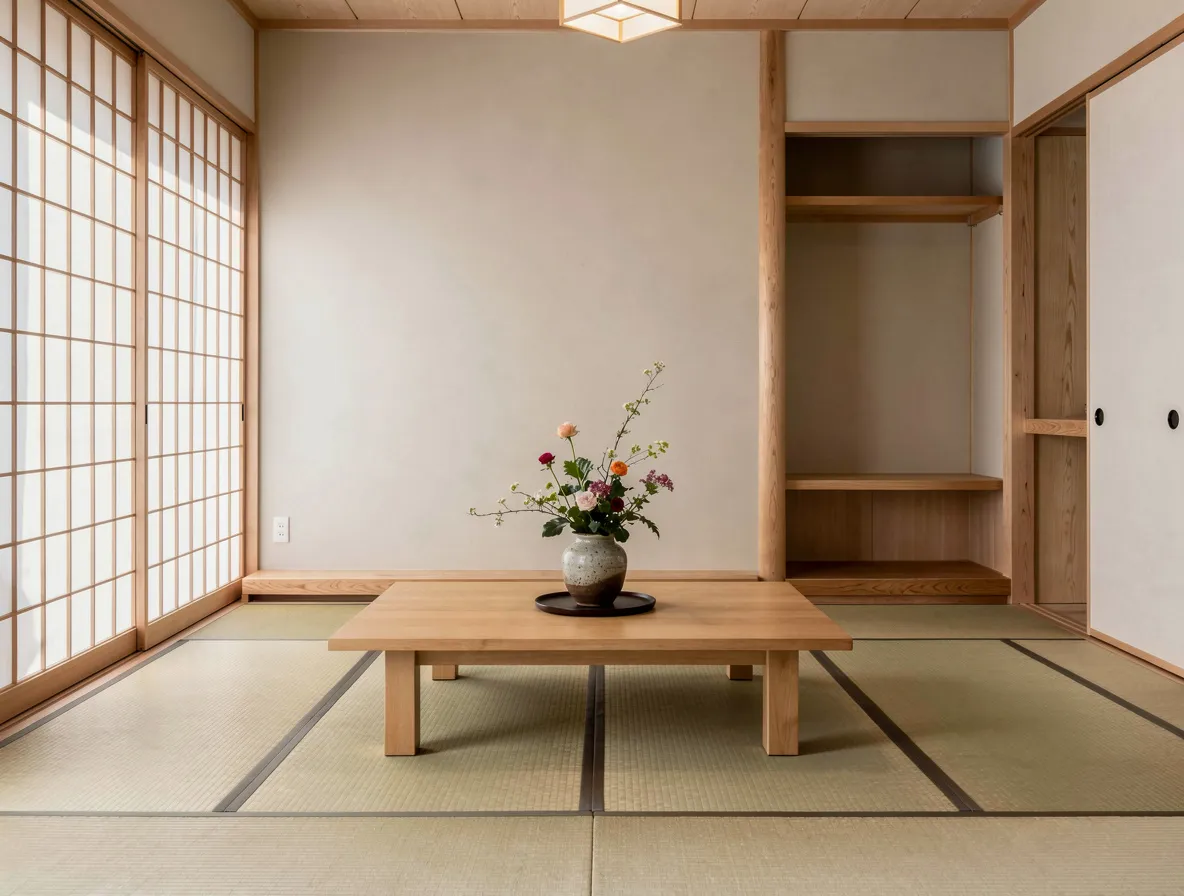
Tatami mats, shoji screens, and low furniture bring the serene simplicity and harmony of Japanese minimalism.
Chinese
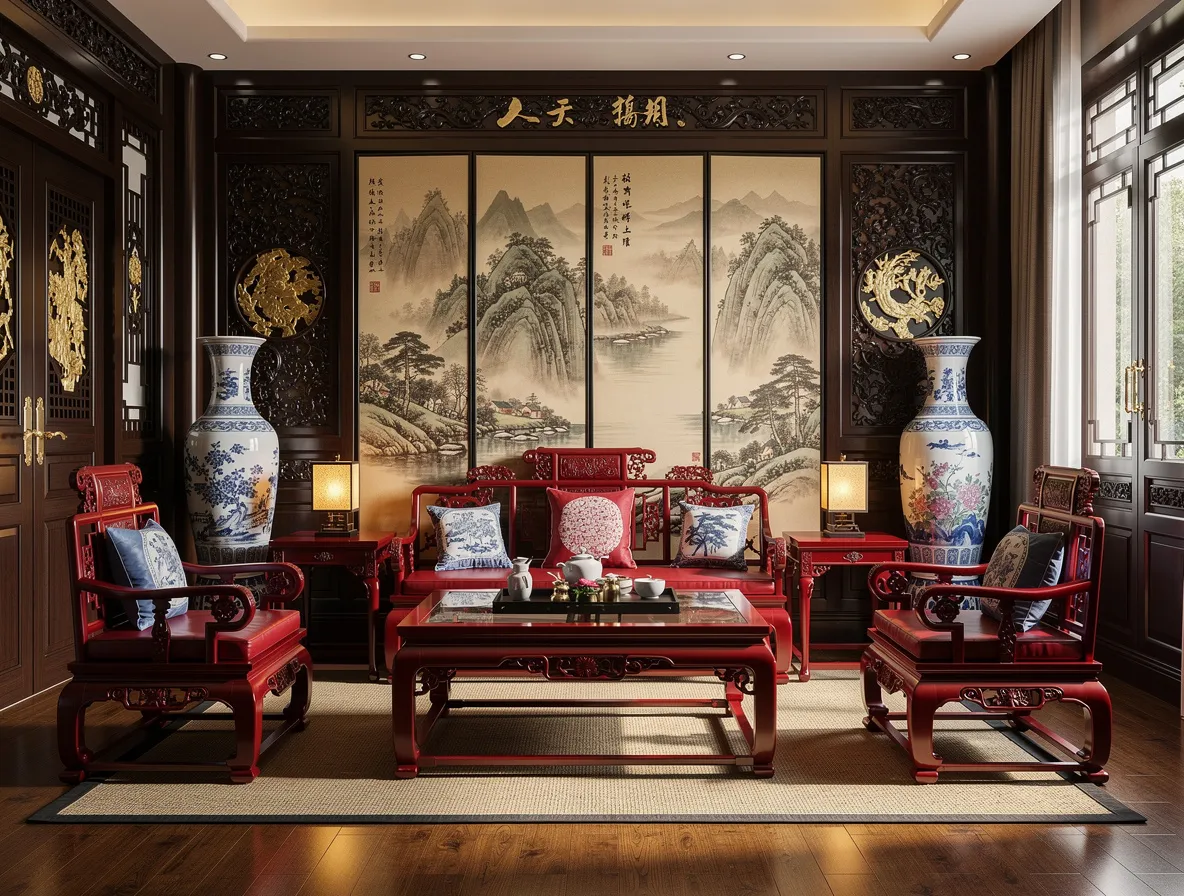
Red lacquered furniture, silk screens, and porcelain vases honor centuries of rich Chinese decorative tradition.
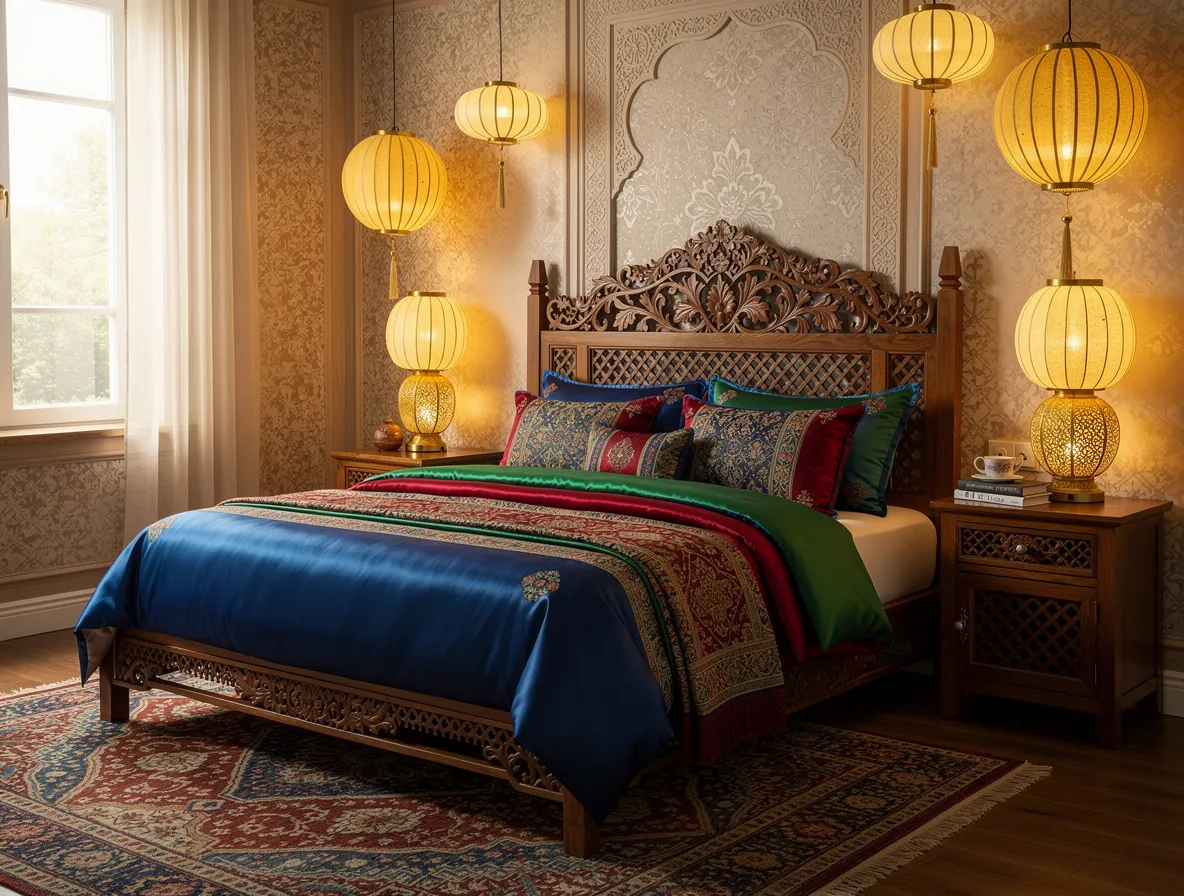
Oriental
Silk bedding, carved teak furniture, and paper lanterns immerse any room in rich, jewel-toned Eastern luxury.
Common Questions
Asian Fusion Design: FAQ
What defines Asian fusion interior design?
The blending of two or more Asian design traditions (Japanese, Chinese, South Asian, Southeast Asian) with each other or with Western design - creating a hybrid aesthetic that references multiple cultures without fully belonging to any one.
How do I create Asian fusion design without it looking like a restaurant?
Edit ruthlessly and commit to quality. One genuine antique Asian piece, properly lit and given space, is more effective than ten cheap Asian-themed accessories. The design restaurant problem is usually too many and too small.
What materials are most commonly used in Asian fusion interiors?
Dark hardwoods (teak, ebony, walnut), silk and brocade textiles, lacquer, bamboo and rattan, natural stone, and handmade ceramics. Choose materials from specific cultural traditions rather than mixing indiscriminately.
Ready to Transform Your Space?
Upload a photo and see it in asian fusion style - or any of our 80+ other styles - in seconds.