Oriental Design
Rich textiles, intricate geometric patterns, exotic carved woods, and the luminous beauty of Eastern decorative art create interiors of sensory and visual abundance.
About the Style
What Is Oriental Design?
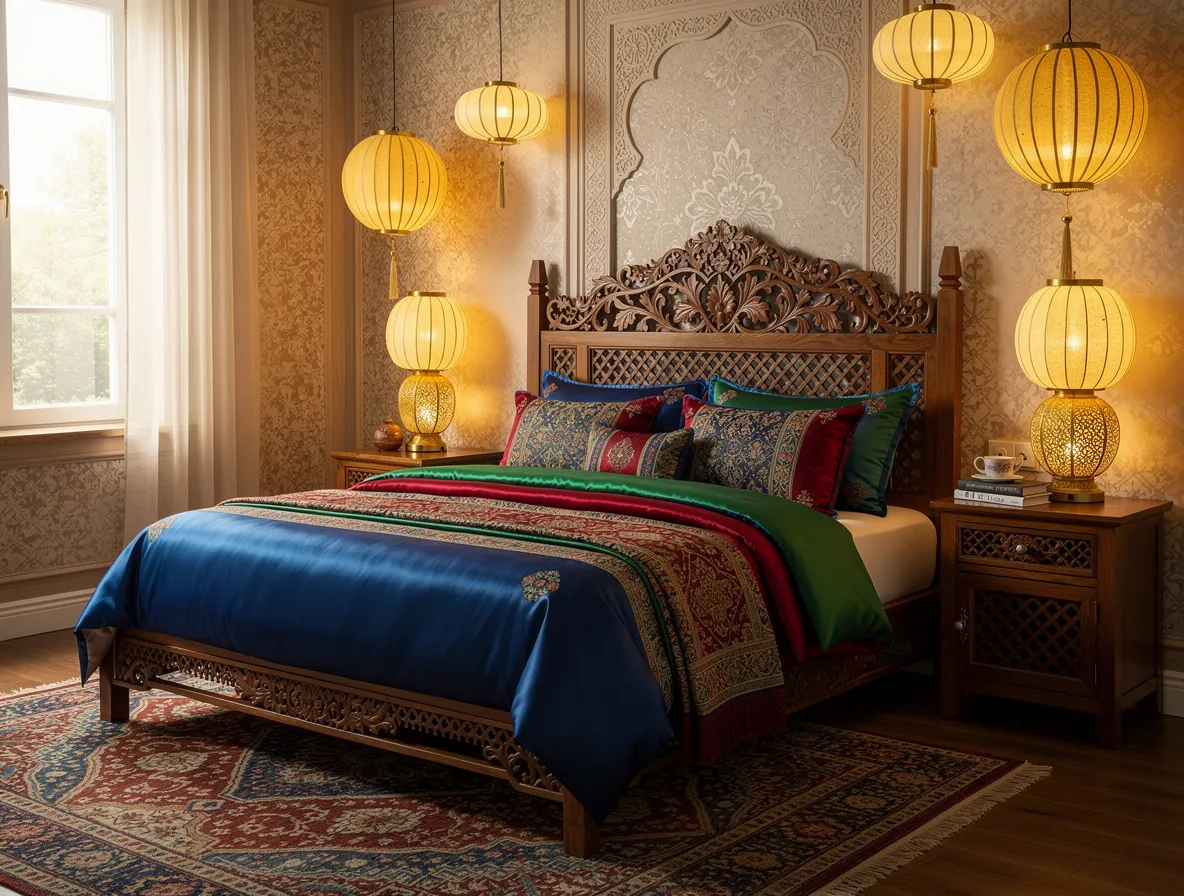
Oriental design is the Western engagement with the design traditions of the Middle East, Persia, India, China, and Japan - selecting the most visually rich and exotic elements of each for their decorative impact. Intricate geometric patterns on tile and textile, silk and brocade upholstery, carved and gilded furniture, hanging brass lanterns, and the deep jewel-tone palette of Ottoman, Persian, and Indian decorative art define the style.
Why People Love It
-
The richest pattern vocabulary in world decorating history
-
Brass lanterns and silk textiles create the most beautiful candlelit atmosphere
-
Persian and Turkish carpets are among the most beautiful objects ever made
-
The combination of jewel tones and metallic details is endlessly sumptuous
Key Characteristics
-
Intricate geometric patterns on textiles and surfaces
-
Brass or bronze lanterns with pierced designs
-
Carved and inlaid furniture with Eastern motifs
-
Silk brocade and embroidered textiles
-
Deep jewel-tone palette - sapphire, ruby, emerald
-
Layered textiles and cushions in mixed patterns
Color Palette
Materials
Ideal For
Room-by-Room
Oriental Design in Every Room
How oriental design translates across every space in your home
Living Room
A Persian carpet, silk brocade cushions on a carved timber sofa, pierced brass lanterns, and carved inlaid side tables.
Kitchen
Geometric tile in a Moorish pattern, hammered brass hardware, open shelving with brass and copper vessels.
Bedroom
A carved timber bed with embroidered canopy, silk bedding in jewel tones, a brass lantern on each bedside table, and a Persian rug.
Bathroom
Zellige mosaic tile floor, a hammered brass basin, arched mirror, and Moroccan lanterns as the only lighting.
Exterior
A courtyard with a central fountain, mosaic tile surfaces, carved stone or plaster screens, and climbing jasmine or rose.
Visualize It First
See Oriental Design in Your Space
Upload any photo and our AI transforms it into oriental style in seconds
Upload a photo
Any room, any angle. Interior or exterior - phone photo is fine.
Select "Oriental"
Choose this style from our library or describe it to the AI in plain language.
Get your design
Photorealistic result in seconds. Download in HD or 4K resolution.
Expert Advice
How to Achieve Oriental Design
Practical tips from designers who work with oriental style every day.
Anchor the room with a genuine Persian or Turkish carpet - the pattern becomes the primary design document from which all other choices derive.
Install pierced brass or bronze lanterns rather than standard light fixtures - the patterned light they cast on walls is the most dramatic effect in the style.
Choose silk brocade or embroidered fabric for at least one upholstered piece - the light play on patterned silk is specific to Oriental design.
Display a collection of brass or copper objects - trays, urns, candleholders - grouped on a surface rather than scattered individually.
Layer pattern confidently: a geometric tile, a floral textile, and a Persian carpet together is correct Oriental decorating practice.
Common Myths
What 'Oriental' Design Actually Means - and the Mistakes People Make
The term 'oriental' is broadly applied to any design with East or Southeast Asian reference - but this simplification leads to a set of consistent and avoidable design mistakes.
'Oriental' Covers Half the World
The geographic area described as 'the Orient' includes Japan, China, Korea, Vietnam, Thailand, Cambodia, Indonesia, and more - countries with design traditions as different from each other as English design is from Moroccan. A single room that mixes Japanese minimalism with Chinese baroque, Thai gold lacquer, and Vietnamese lacquerware is not 'oriental fusion' - it is a category error that would be analogous to mixing Baroque French with Swedish folk design and calling it 'European'.
Chinoiserie is Not Chinese Design
The most common 'oriental' design mistake is using chinoiserie - the 18th-century European fantasy of Chinese aesthetics - and calling it Chinese. Pagoda-roofed daybeds, hand-painted wallpapers with imaginary Chinese landscapes, and famille rose porcelain are European products inspired by incomplete knowledge of China. Genuine Chinese interior design has different, more austere, and more structurally rigorous characteristics.
Cherry Blossoms Don't Define Japanese Design
The reduction of Japanese design to cherry blossom motifs, bamboo, and koi fish is the most prevalent misconception. Authentic Japanese interior design is founded on spatial principles (ma, negative space, the relationship between room and garden) and material honesty, not on decorative motifs. The cherry blossom wallpaper is no more Japanese than a Union Jack cushion is British design.
The Value of Specificity
The single most effective improvement you can make to a room that uses Asian design reference is to choose one specific culture, one specific period, and go deeper. A room that is authentically Japanese of the early Showa period, or specifically Qing Dynasty Chinese, or specifically Peranakan Singaporean will be infinitely more interesting than a room that is vaguely 'oriental'.
Style Pairings
Styles That Complement Oriental
Mix oriental with these styles for a layered, personal look.
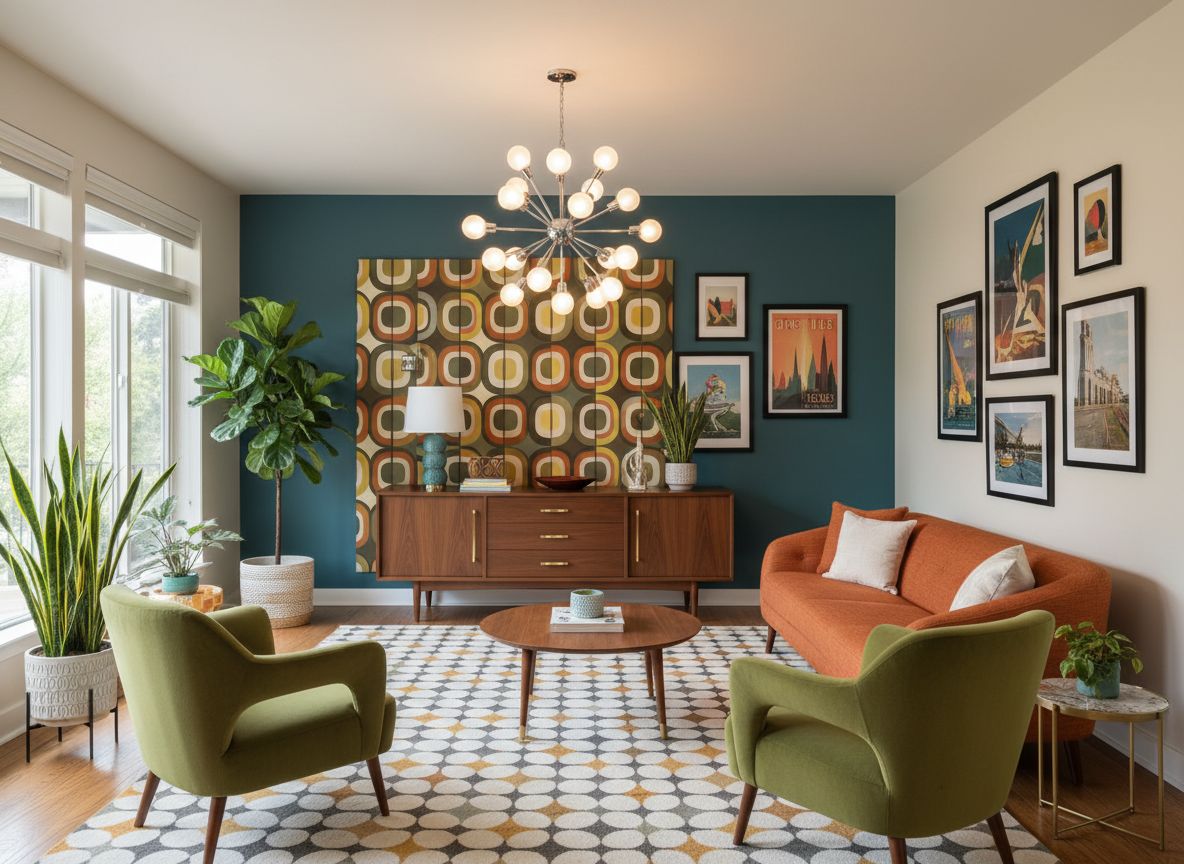
Bohemian
Free-spirited and eclectic with layered textiles, global patterns, and a collected-over-time aesthetic for any space.
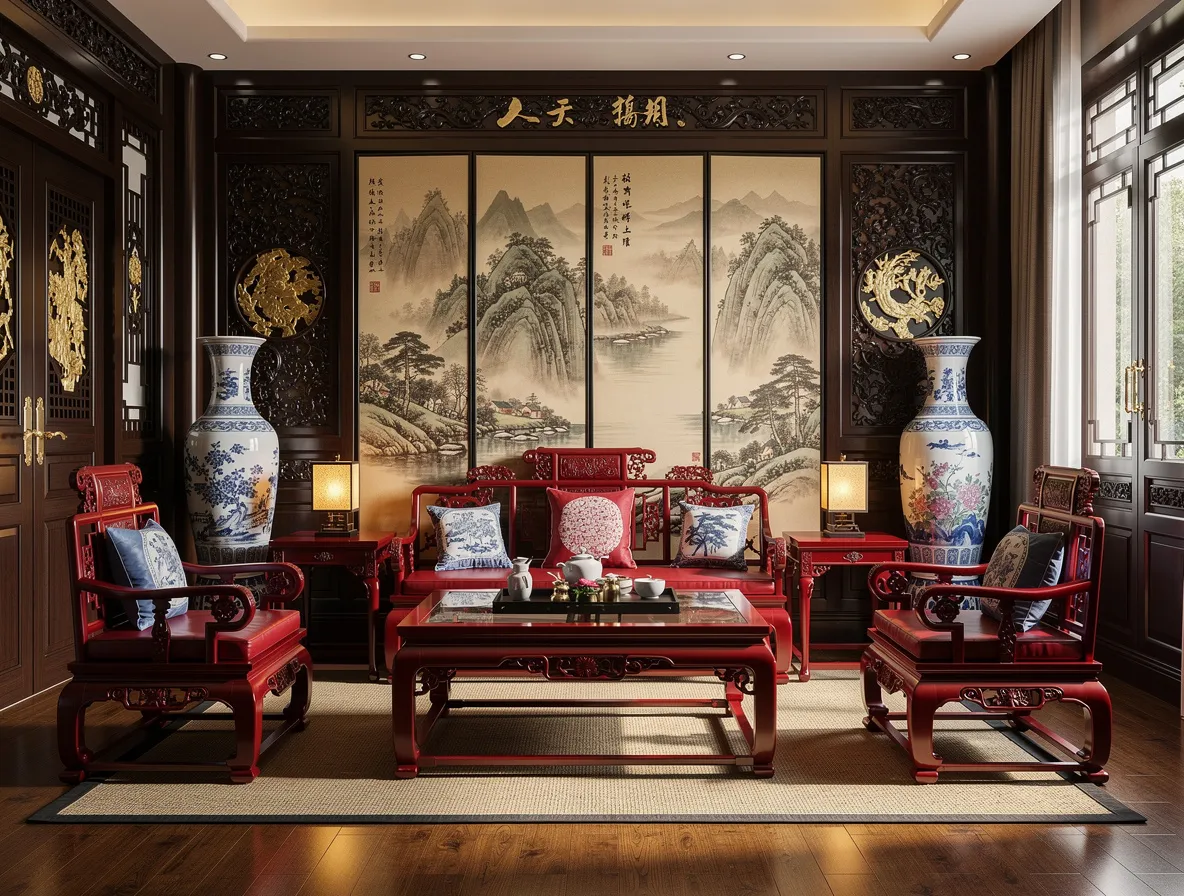
Chinese
Red lacquered furniture, silk screens, and porcelain vases honor centuries of rich Chinese decorative tradition.
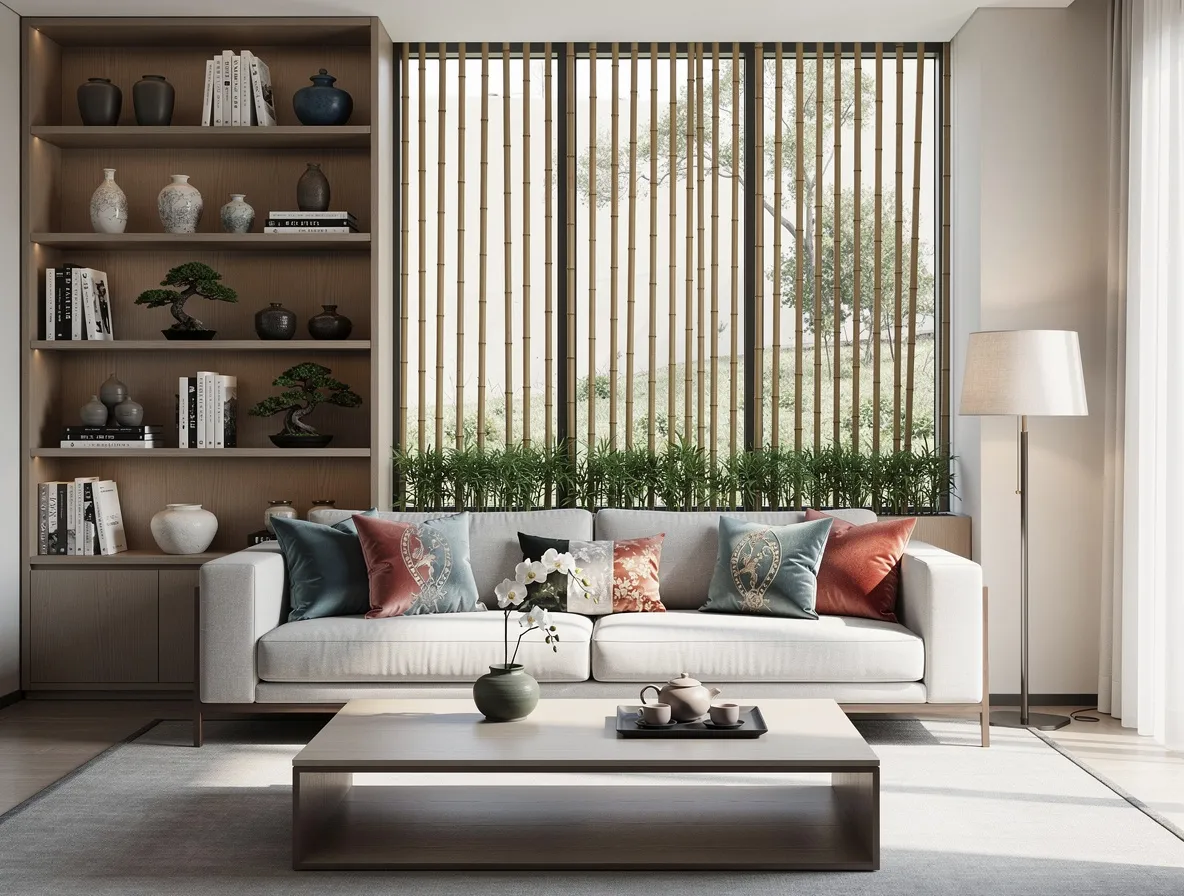
Asian Fusion
A harmonious blend of Eastern and Western elements with clean lines, bamboo accents, and balanced serenity.
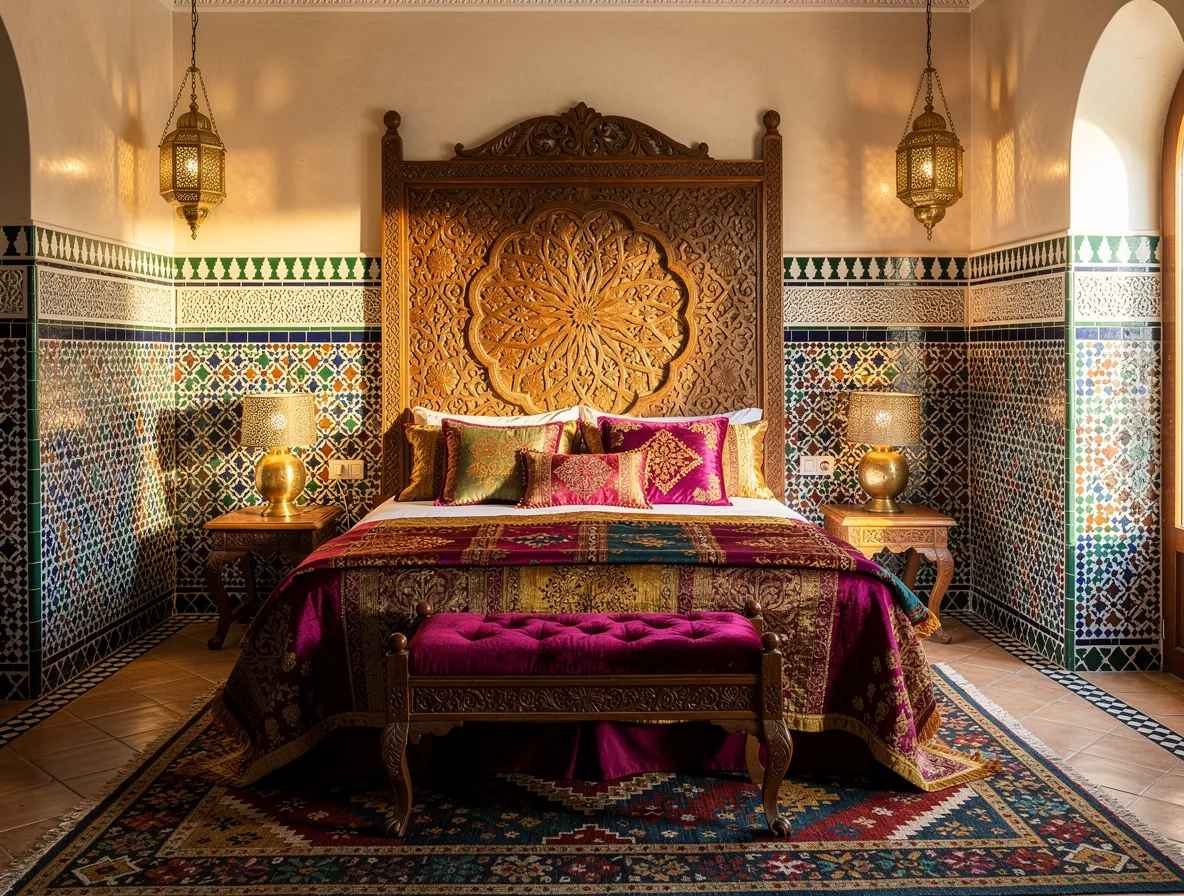
Moroccan
Ornate carved headboards, colorful mosaic tiles, and brass lanterns immerse your space in exotic, jewel-toned beauty.
Common Questions
Oriental Design: FAQ
What does oriental design style actually encompass?
It is a catch-all term for design inspired by East, Southeast, and sometimes South Asian cultures. Used imprecisely, it conflates cultures with fundamentally different design traditions. It is more useful to specify: Japanese, Chinese, Balinese, etc.
What is chinoiserie and why is it different from Chinese design?
Chinoiserie is a Western European fantasy of Chinese aesthetics developed in the 1700s. It uses Chinese motifs invented by European craftsmen who had never visited China. It has its own cultural value but should not be confused with authentic Chinese design.
How do I incorporate Asian design elements authentically?
Choose a specific culture and period. Research its actual design principles rather than its decorative motifs. Use genuine objects from that tradition rather than Western reproductions. One authentic piece is more powerful than ten imitations.
Ready to Transform Your Space?
Upload a photo and see it in oriental style - or any of our 80+ other styles - in seconds.