Chinese Design
Five thousand years of culture, red lacquer, jade, celestial motifs, and imperial grandeur define Chinese interior design - the world's oldest continuous decorating tradition.
About the Style
What Is Chinese Design?
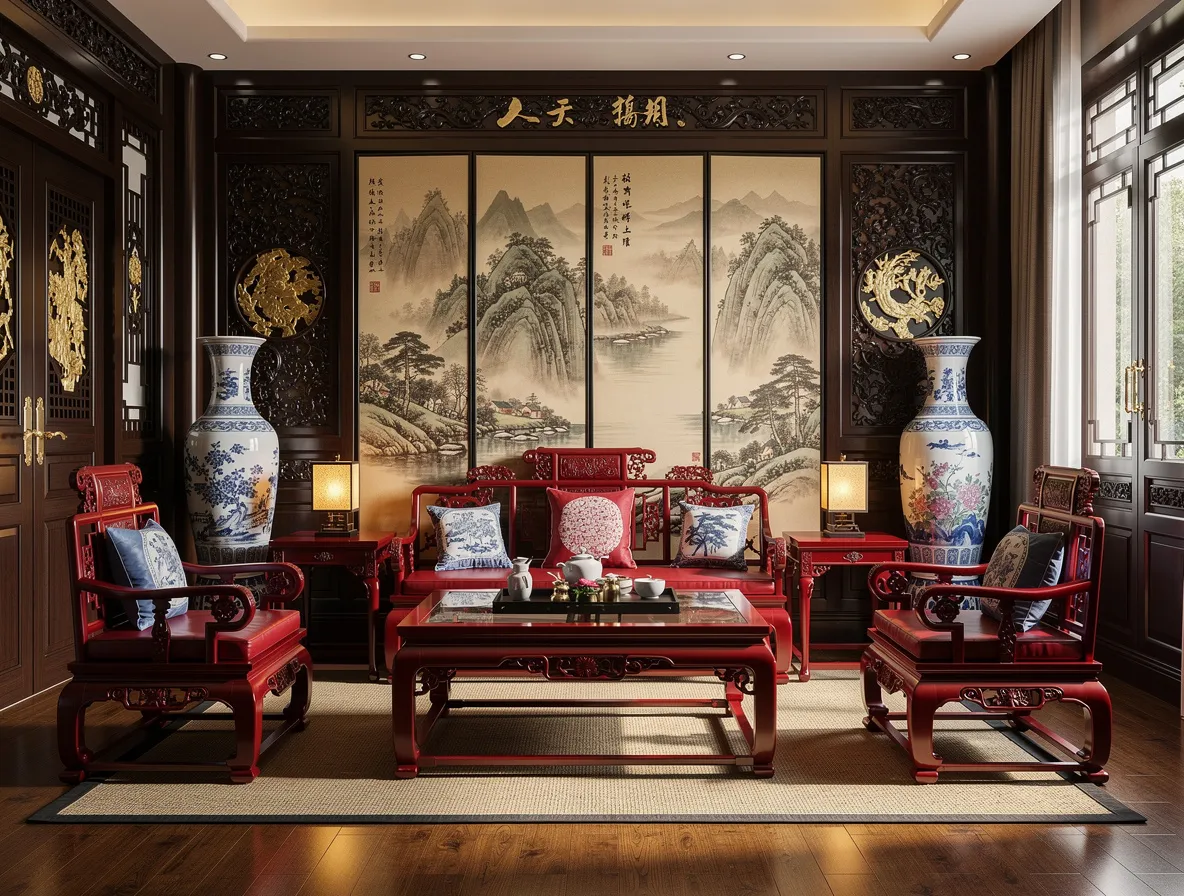
Chinese interior design encompasses millennia of continuous tradition, from the jade and bronze of the Shang dynasty through Tang dynasty ceramics, Song dynasty landscape painting, Ming dynasty furniture, and Qing dynasty porcelain. The five elements (wood, fire, earth, metal, water), auspicious symbols (dragon, phoenix, cloud, bat), and a palette of imperial red, jade green, and gold define the classical Chinese interior. Contemporary Chinese design synthesizes this heritage with modern minimalism.
Why People Love It
-
The oldest continuous decorating tradition in the world with unmatched symbolic depth
-
Ming furniture is among the most perfect and admired in global design history
-
Imperial red and gold create the most powerful warm color combination in interior design
-
Chinese porcelain and jade are among the most beautiful and collectible objects ever made
Key Characteristics
-
Imperial red lacquer and gold accents
-
Dragon, phoenix, and cloud motifs
-
Ming-style furniture in dark rosewood or elm
-
Porcelain and ceramic collected and displayed
-
Lattice window patterns (manjian) in timber
-
Landscape painting or calligraphy as wall art
Color Palette
Materials
Ideal For
Room-by-Room
Chinese Design in Every Room
How chinese design translates across every space in your home
Living Room
Ming elm chairs, a low lacquered table, blue-and-white porcelain on open shelves, a Chinese landscape painting, and red silk cushions.
Kitchen
A Chinese kitchen is a working space - but the dining room compensates with lacquered furniture, porcelain display, and dragon motif details.
Bedroom
A canopied Chinese bed in dark rosewood, silk bedding in imperial colors, a porcelain lamp, and window lattice filtering morning light.
Bathroom
Stone or ceramic tile in jade green or white, a porcelain vessel basin, bamboo accessories, and a painted panel of flowers or bamboo.
Exterior
A moon gate entrance, courtyard with a central water feature, stone lanterns, and a plum or cherry tree in a glazed ceramic pot.
Visualize It First
See Chinese Design in Your Space
Upload any photo and our AI transforms it into chinese style in seconds
Upload a photo
Any room, any angle. Interior or exterior - phone photo is fine.
Select "Chinese"
Choose this style from our library or describe it to the AI in plain language.
Get your design
Photorealistic result in seconds. Download in HD or 4K resolution.
Expert Advice
How to Achieve Chinese Design
Practical tips from designers who work with chinese style every day.
Source authentic Ming or reproduction Ming-style furniture in dark elm, rosewood, or teak - the clean, unornamented silhouettes are as beautiful as any furniture ever made.
Display Chinese porcelain (Blue and White, famille rose, or celadon) as a primary art collection on open shelving rather than as casual accessories.
Use imperial red (not orange-red but a deep, pure red) as an accent wall or lacquered furniture color - it is the most distinctive Chinese color statement.
Install a timber lattice screen (manjian pattern) as a room divider or window grille - the geometric patterns are among the most sophisticated in world architecture.
Hang a classical Chinese landscape painting or contemporary ink painting as the primary art piece in the main room - the genre defines Chinese aesthetic thought.
Design History
How Ming Dynasty Furniture Defined Chinese Interior Design
Chinese interior design has a continuous tradition spanning 3,000 years, but it is the Ming Dynasty (1368-1644) that produced the furniture forms and design philosophy that remain the gold standard of Chinese aesthetics.
The Ming Dynasty and Material Excellence
The Ming period produced furniture of extraordinary quality in huanghuali (yellow rosewood) and zitan (purple sandalwood) - woods so valuable that Ming chairs now sell for millions at auction. The design was radically simple: elegant curves without ornament, perfect proportions, and joinery so precise that not a single nail or adhesive was used. The furniture could be disassembled, transported, and reassembled perfectly.
The Qing Baroque
The Qing dynasty (1644-1912) reversed Ming austerity - furniture became heavily lacquered, inlaid with mother-of-pearl, jade, and precious stones, and ornately carved. The contrast between Ming simplicity and Qing richness represents the fundamental tension in Chinese design between Confucian austerity and imperial splendor. Both traditions remain influential in contemporary Chinese interior design.
Chinoiserie - Europe Reinvents China
European fascination with China produced 'chinoiserie' - a Western fantasy of Chinese design that bears limited resemblance to actual Chinese interiors. Chinese pagodas in English gardens, lacquered furniture with invented Chinese figures, and wallpapers depicting imaginary Chinese landscapes. The Brighton Pavilion (1823) is the extreme example. Chinoiserie is still confused with actual Chinese design by people who have not been to China.
New Chinese Design
A generation of Chinese designers has been creating 'New Chinese' (xin zhongshi) design that reinterprets Ming simplicity for contemporary interiors - bamboo structures, ink-wash color palettes, and furniture that references historical forms without reproducing them literally. This movement has attracted international attention and is reestablishing Chinese design as a global contemporary force.
Style Pairings
Styles That Complement Chinese
Mix chinese with these styles for a layered, personal look.
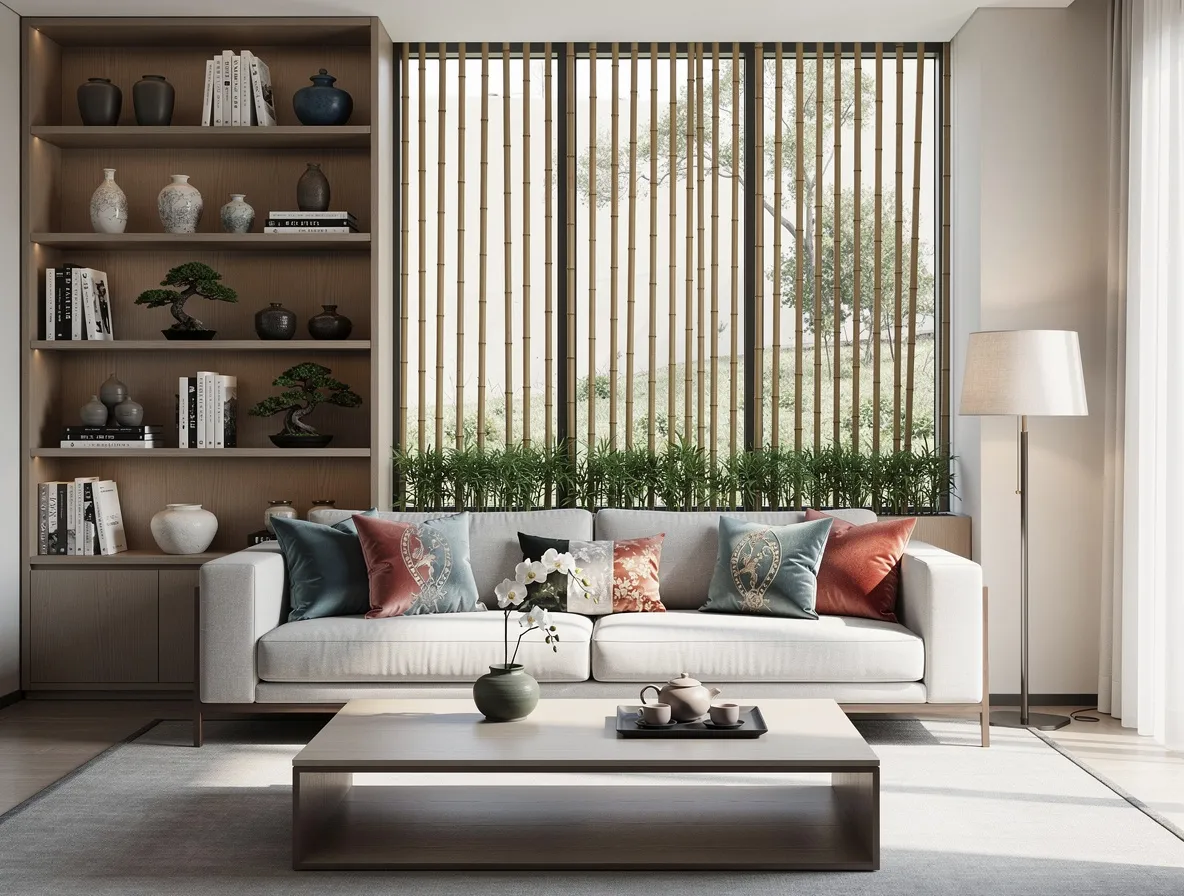
Asian Fusion
A harmonious blend of Eastern and Western elements with clean lines, bamboo accents, and balanced serenity.
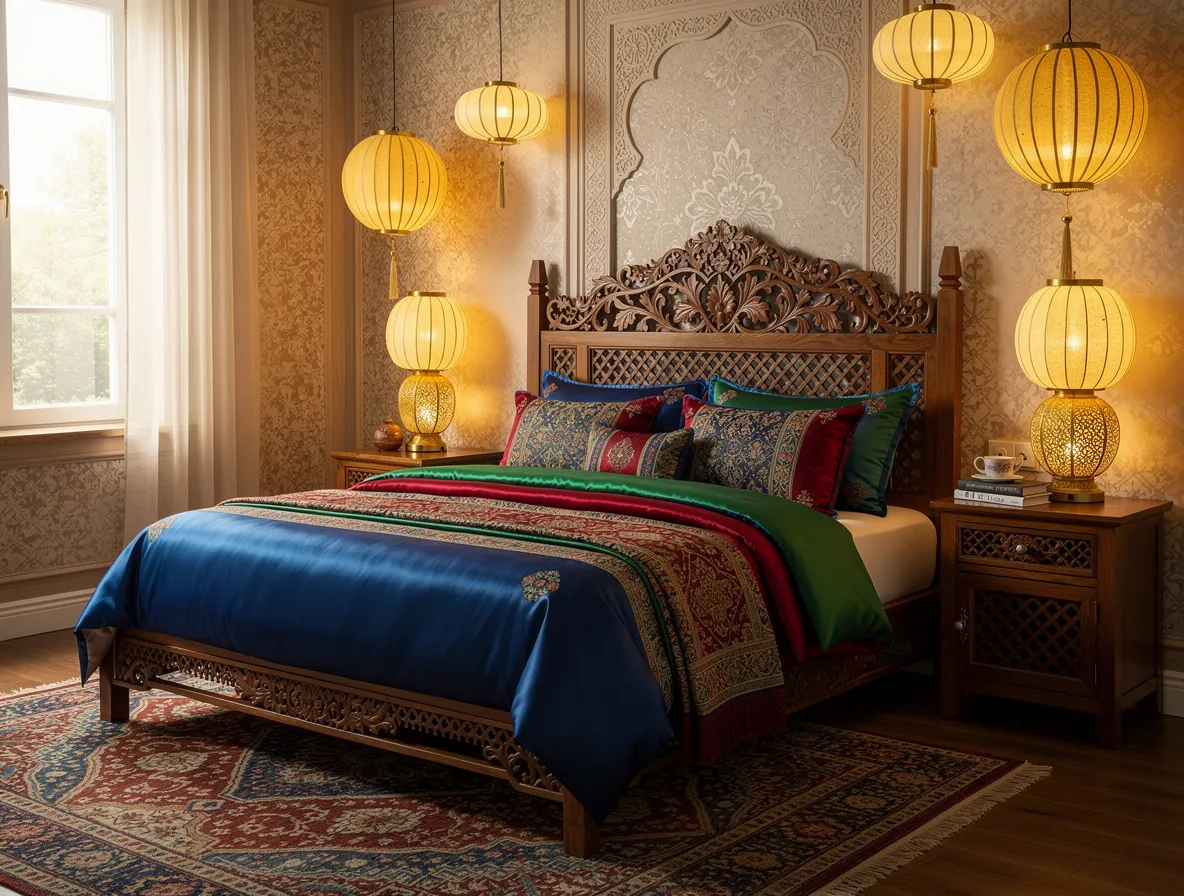
Oriental
Silk bedding, carved teak furniture, and paper lanterns immerse any room in rich, jewel-toned Eastern luxury.
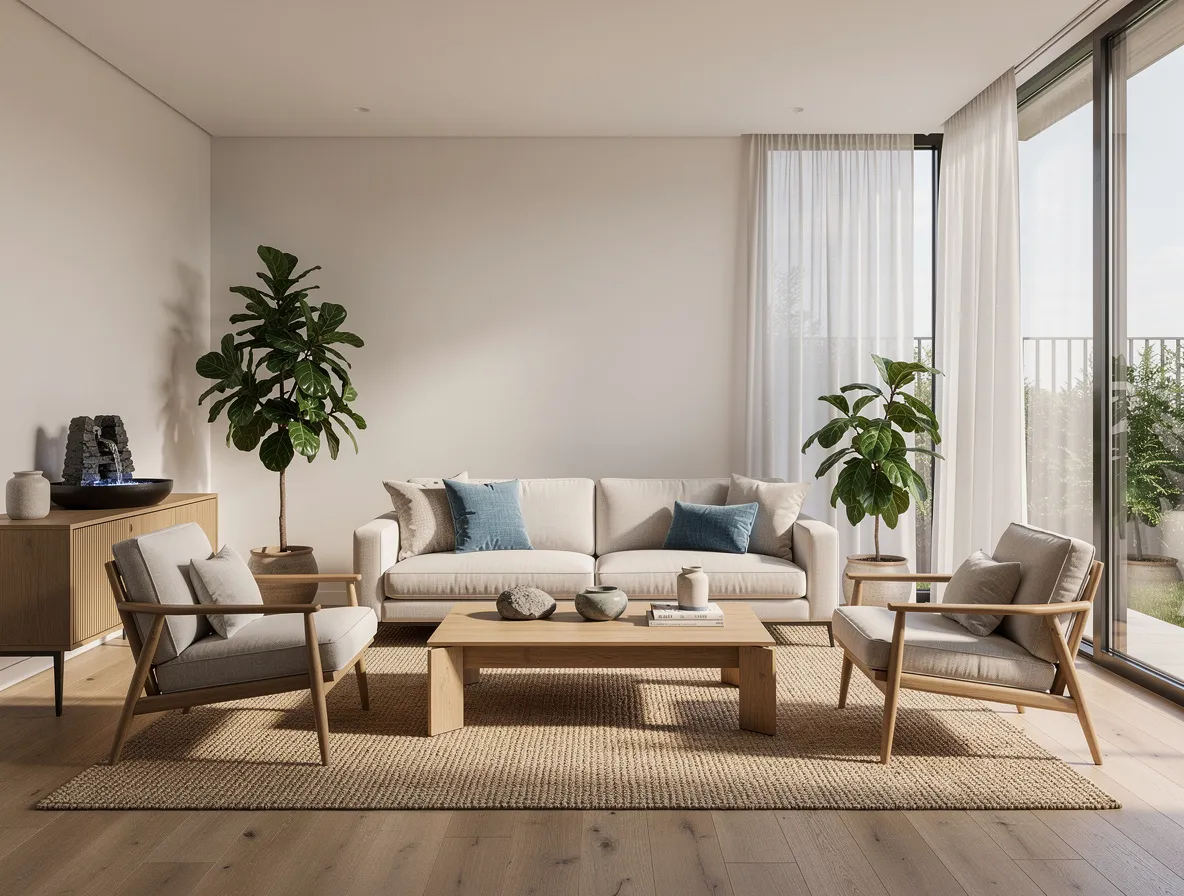
Feng Shui
Balanced furniture placement, natural materials, and harmonious colors optimized for positive energy flow.
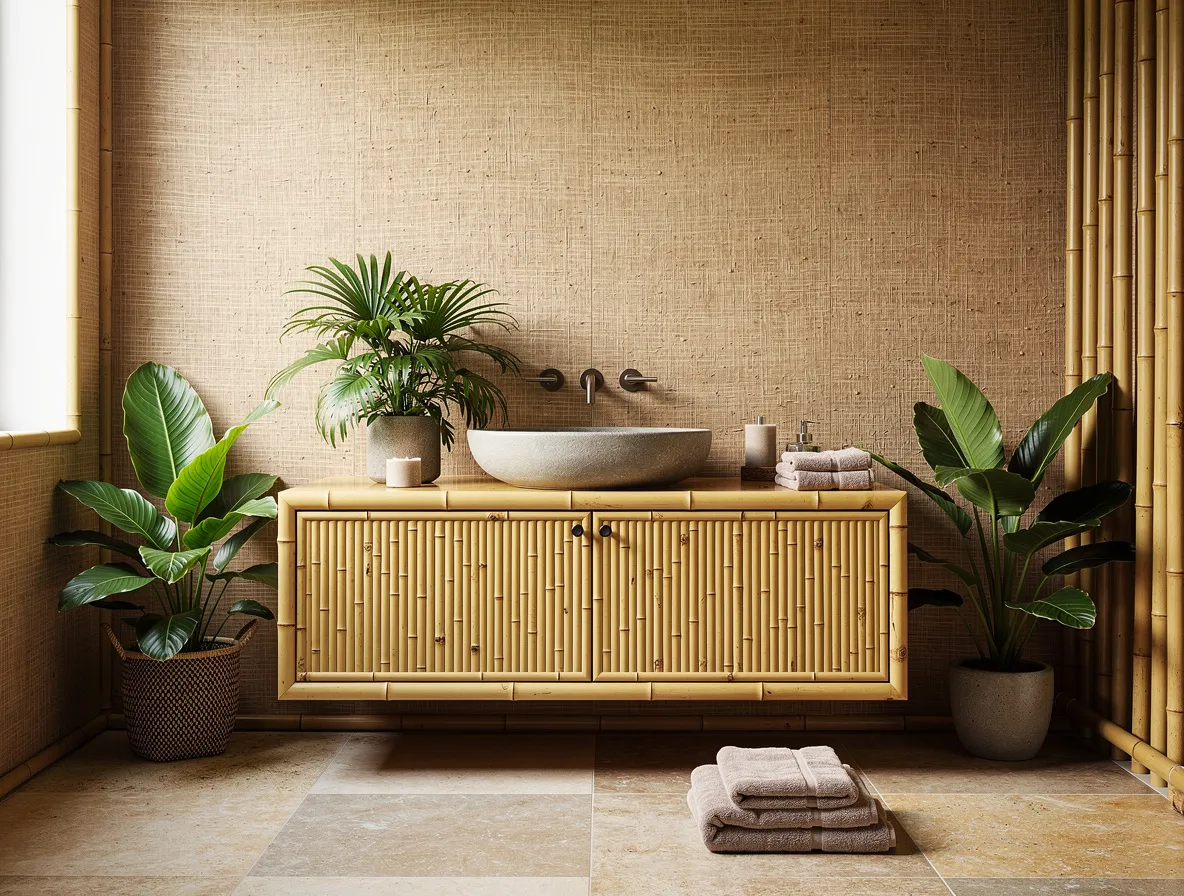
Bamboo
Bamboo vanities, woven wall panels, and tropical plants create a warm, sustainable natural aesthetic.
Common Questions
Chinese Design: FAQ
What defines Chinese interior design?
Depending on the period: Ming simplicity (clean lines, natural wood, perfect joinery) or Qing richness (lacquer, carving, jade inlay). Both share a deep respect for material quality and the symbolic meaning of objects.
What colors are used in Chinese interior design?
Traditional: imperial red, black lacquer, gold, and jade green. Modern Chinese design uses a more muted palette: ink gray, warm cream, and a few vivid accents in vermillion or deep blue.
What are the most important Chinese decorative elements?
Jade objects, porcelain (particularly blue and white), lacquerwork, screens with carved or painted panels, and calligraphy scrolls. These carry specific symbolic meanings in Chinese cultural tradition.
What is chinoiserie and how does it differ from Chinese design?
Chinoiserie is a Western fantasy interpretation of Chinese aesthetics, developed in 18th-century Europe, that uses Chinese motifs in a freely invented, non-authentic way. Actual Chinese interior design follows specific historical and philosophical traditions that chinoiserie does not replicate.
Ready to Transform Your Space?
Upload a photo and see it in chinese style - or any of our 80+ other styles - in seconds.