Feng Shui Design
Ancient Chinese energy philosophy applied to interior space - balancing the five elements, optimizing energy flow, and creating homes where life genuinely flourishes.
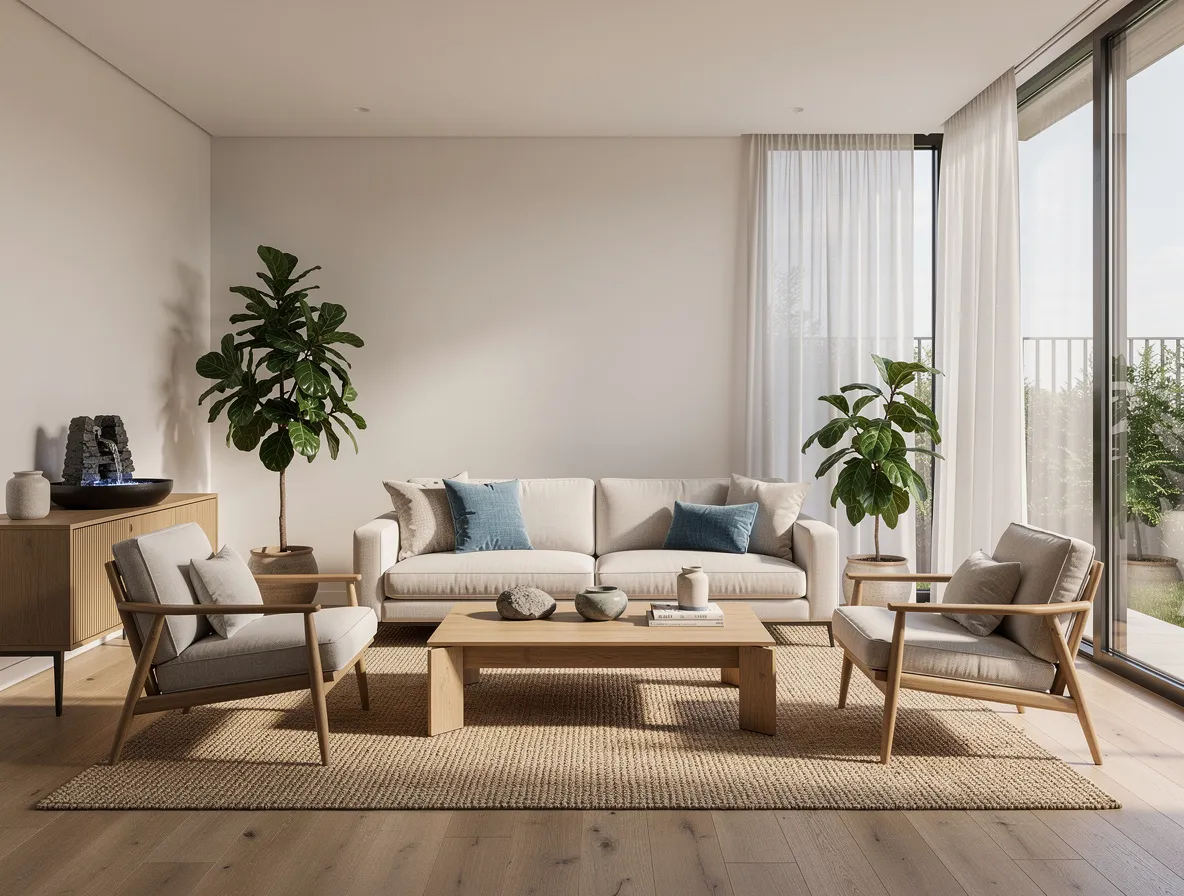
About the Style
What Is Feng Shui Design?
Feng Shui (literally 'wind-water') is the ancient Chinese practice of arranging space to optimize the flow of qi (life energy). Applied to interior design, it provides a framework for furniture placement, color choice, material selection, and spatial organization based on the Bagua map (eight life areas), the five elements (wood, fire, earth, metal, water), and the balance of yin and yang. Good Feng Shui homes feel inherently comfortable, prosperous, and harmonious.
Why People Love It
-
Provides a complete and internally consistent framework for every design decision
-
The command position principle genuinely improves confidence and comfort in a room
-
Decluttering as spiritual practice is more motivating than decluttering as housekeeping
-
The five elements palette creates naturally balanced and harmonious color schemes
Key Characteristics
-
Furniture placement optimizing energy flow (qi)
-
Command position for bed and desk
-
Bagua map applied to room or home layout
-
Five elements balanced in color and material
-
Decluttered and unobstructed pathways
-
Natural elements - water, plants, stone - positioned with intention
Color Palette
Materials
Ideal For
Room-by-Room
Feng Shui Design in Every Room
How feng shui design translates across every space in your home
Living Room
Furniture in the command position facing the entry, rounded forms (no sharp corners pointing at seating), plants, a water feature, and five elements balanced.
Kitchen
Good lighting, clean working surfaces, no clutter, plants on the windowsill, and the five elements represented in materials and color.
Bedroom
Bed in command position, solid headboard wall, no mirrors facing the bed, soft rounded forms, and yin colors (soft, calm) for sleep.
Bathroom
Lid down on toilet to retain qi, plants absorbing negative energy, good lighting, and clean uncluttered surfaces throughout.
Exterior
Clear path from street to front door, welcoming entry with good lighting, healthy plants flanking the door, and house number clearly visible.
Visualize It First
See Feng Shui Design in Your Space
Upload any photo and our AI transforms it into feng shui style in seconds
Upload a photo
Any room, any angle. Interior or exterior - phone photo is fine.
Select "Feng Shui"
Choose this style from our library or describe it to the AI in plain language.
Get your design
Photorealistic result in seconds. Download in HD or 4K resolution.
Expert Advice
How to Achieve Feng Shui Design
Practical tips from designers who work with feng shui style every day.
Place the bed in the command position - diagonal from and facing the door, with a solid wall behind the headboard and no beams overhead.
Ensure the front door is unobstructed and welcoming - the entry controls all qi entering the home, making it the most important single design decision.
Remove all clutter beneath beds, in corners, and behind doors - stagnant energy accumulates where circulation is blocked.
Balance the five elements in each room: wood (plants, timber), fire (candles, red accents), earth (ceramics, stone), metal (metalwork, white), water (fountain, blue).
Install a water feature in the wealth area (southeast in classical Feng Shui) - a small tabletop fountain or fish tank activates this life area.
The Science
What the Research Actually Says About Feng Shui
Feng shui is often dismissed as pseudoscience or embraced uncritically. The research picture is more nuanced - some principles have scientific basis, others do not.
The Command Position Has Spatial Psychology Support
Feng shui's 'command position' - placing a desk or bed where you can see the door without being directly in line with it - aligns perfectly with spatial psychology research. Studies on threat monitoring show that humans in spaces where they cannot see an entrance are more physiologically alert (elevated cortisol, higher resting heart rate) than those with sightline to the entry point. The command position is evidence-based ergonomics, not just feng shui.
Clutter and Mental Health
Feng shui prohibits clutter - and this is strongly supported by research. The Princeton Neuroscience Institute study (2011) found that visual clutter competes for attentional resources, increases stress hormones, and reduces cognitive performance. Whether you call it feng shui or cognitive load theory, the conclusion is the same: clear the clutter.
Natural Light Prescriptions
Feng shui prescribes maximizing natural light and specifically prohibits blocking windows with heavy furniture. Research on circadian biology fully supports this: natural light regulates serotonin production, vitamin D synthesis, and sleep-wake cycles. A room designed per feng shui principles will typically have good natural light and strong circadian cues.
Where the Evidence Does Not Support It
Specific directional prescriptions (north-facing beds, east-facing desks) and five-element theory do not have peer-reviewed scientific support. Studies testing these specific claims have found no measurable effect. The empirical value of feng shui lies in its general spatial psychology principles (sightlines, light, clutter, flow) rather than its cosmological directional system.
Style Pairings
Styles That Complement Feng Shui
Mix feng shui with these styles for a layered, personal look.
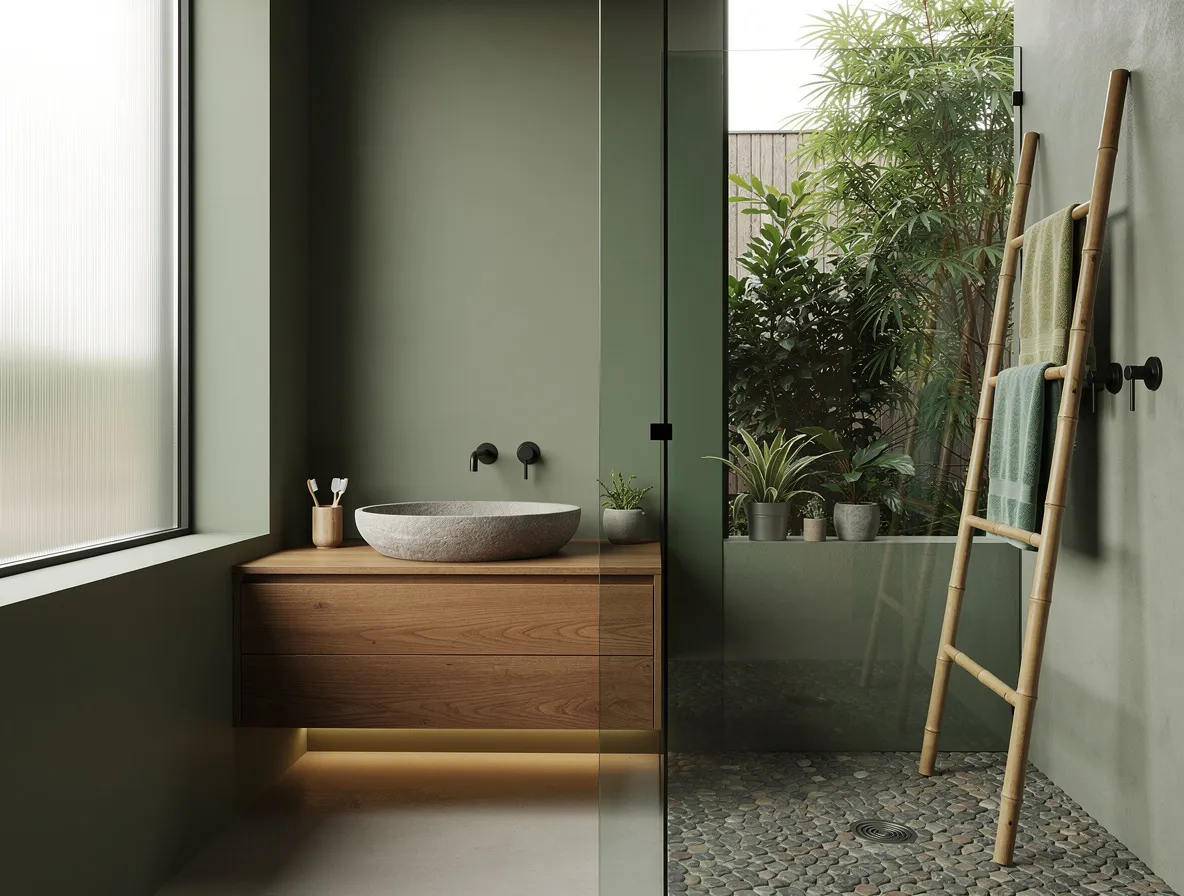
Natural
Stone basins, wooden vanities, and pebble accents bring the serenity of the outdoors into every room.
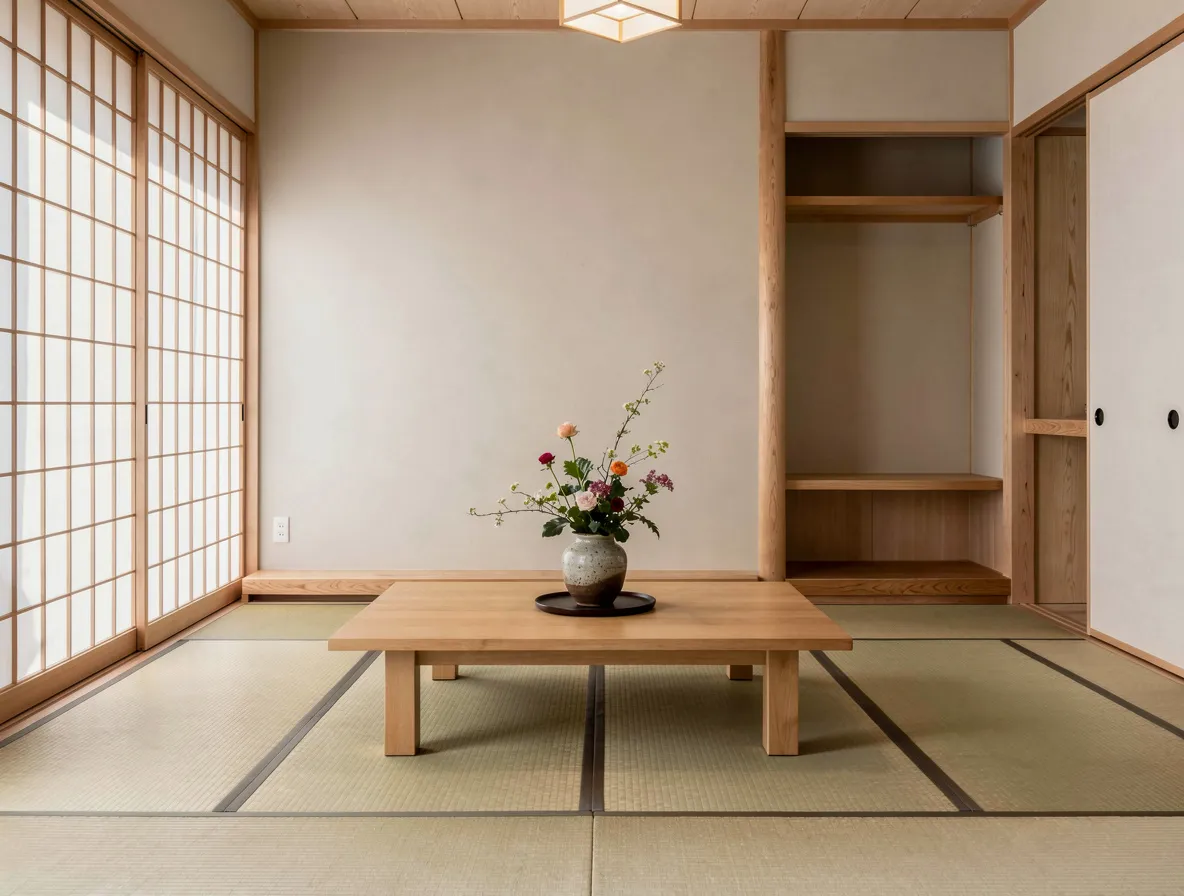
Japanese
Tatami mats, shoji screens, and low furniture bring the serene simplicity and harmony of Japanese minimalism.
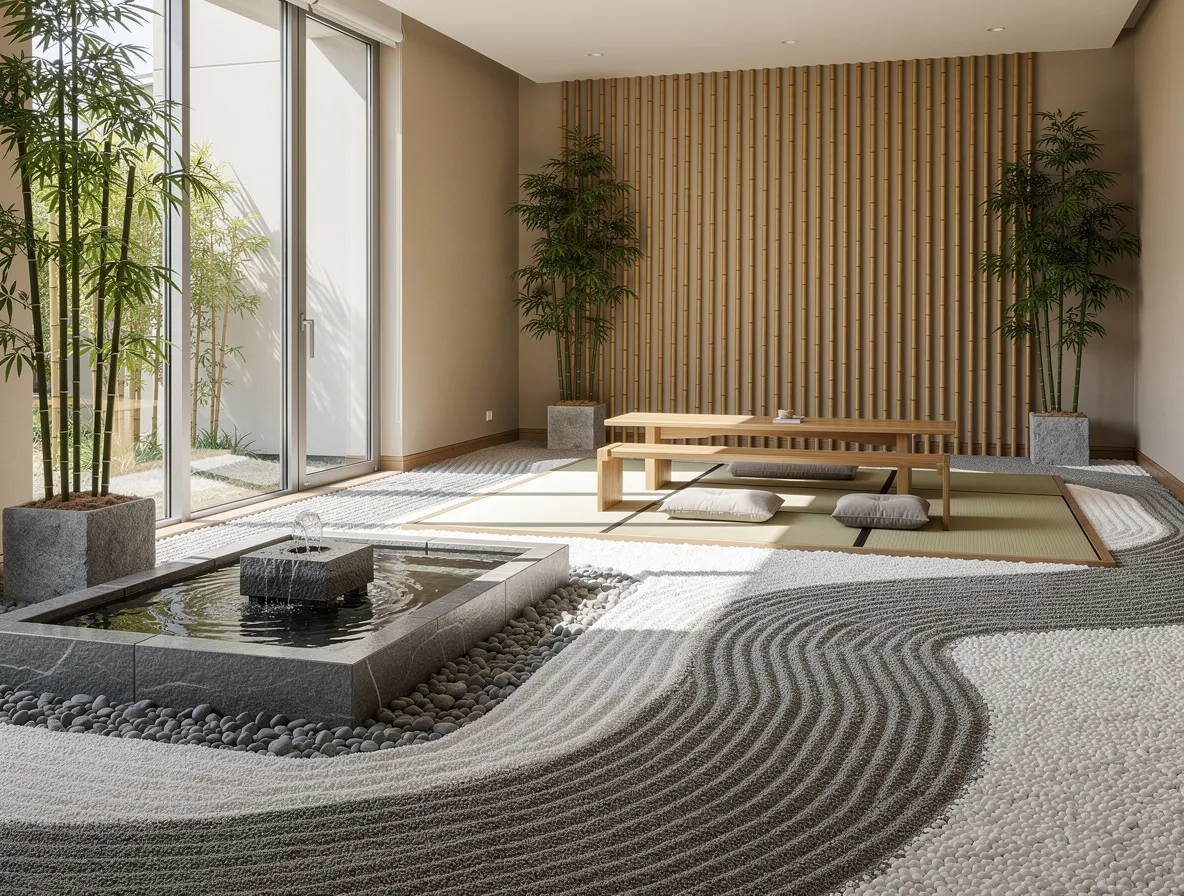
Zen
Smooth pebble gardens, water features, and natural light create a meditative sanctuary of peace and mindfulness.
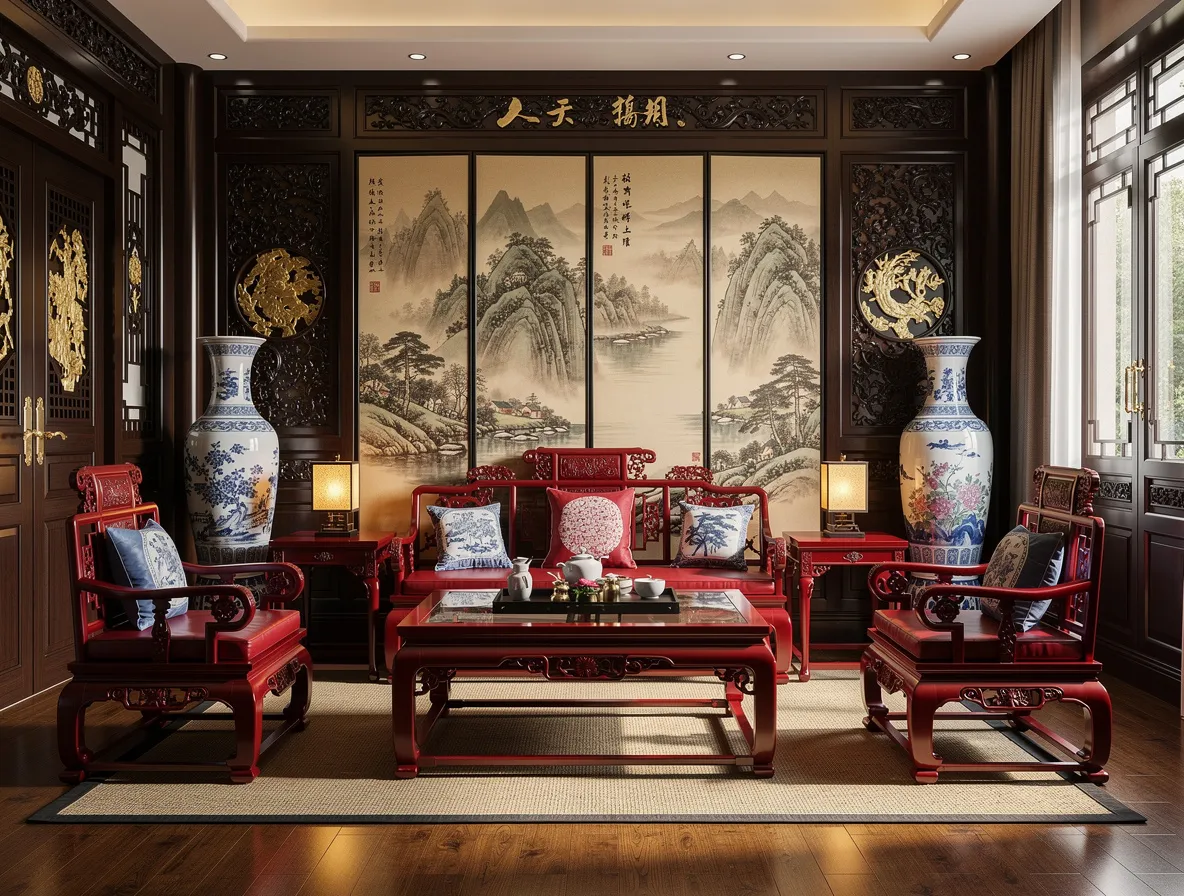
Chinese
Red lacquered furniture, silk screens, and porcelain vases honor centuries of rich Chinese decorative tradition.
Common Questions
Feng Shui Design: FAQ
What is feng shui in interior design?
An ancient Chinese system for organizing spaces to optimize energy flow (chi) and promote wellbeing. It addresses furniture placement, natural light, material choices, color, and the relationship between indoor and outdoor environments.
Does feng shui actually work?
Some of its principles align with modern spatial psychology research (command position, clutter removal, natural light optimization). Others (specific directional rules, five-element theory) do not have scientific support. The practical spatial advice is worth following; the cosmological system requires faith.
What are the most important feng shui principles to apply in a home?
Clear all clutter. Maximize natural light. Place your main bed and desk in the command position (see the door, not directly in its path). Ensure good airflow. Keep the entrance clear and welcoming. These are the high-evidence principles.
What is the feng shui command position for a bedroom?
A bed position where you can see the bedroom door from the bed without being directly in line with it. This reduces physiological stress by satisfying the evolutionary need to monitor potential threats while in a vulnerable resting state.
Ready to Transform Your Space?
Upload a photo and see it in feng shui style - or any of our 80+ other styles - in seconds.