Nordic Design
The entire design tradition of the far North - from Norway to Finland - distilled into spaces of profound natural beauty, functional excellence, and deep respect for materials.
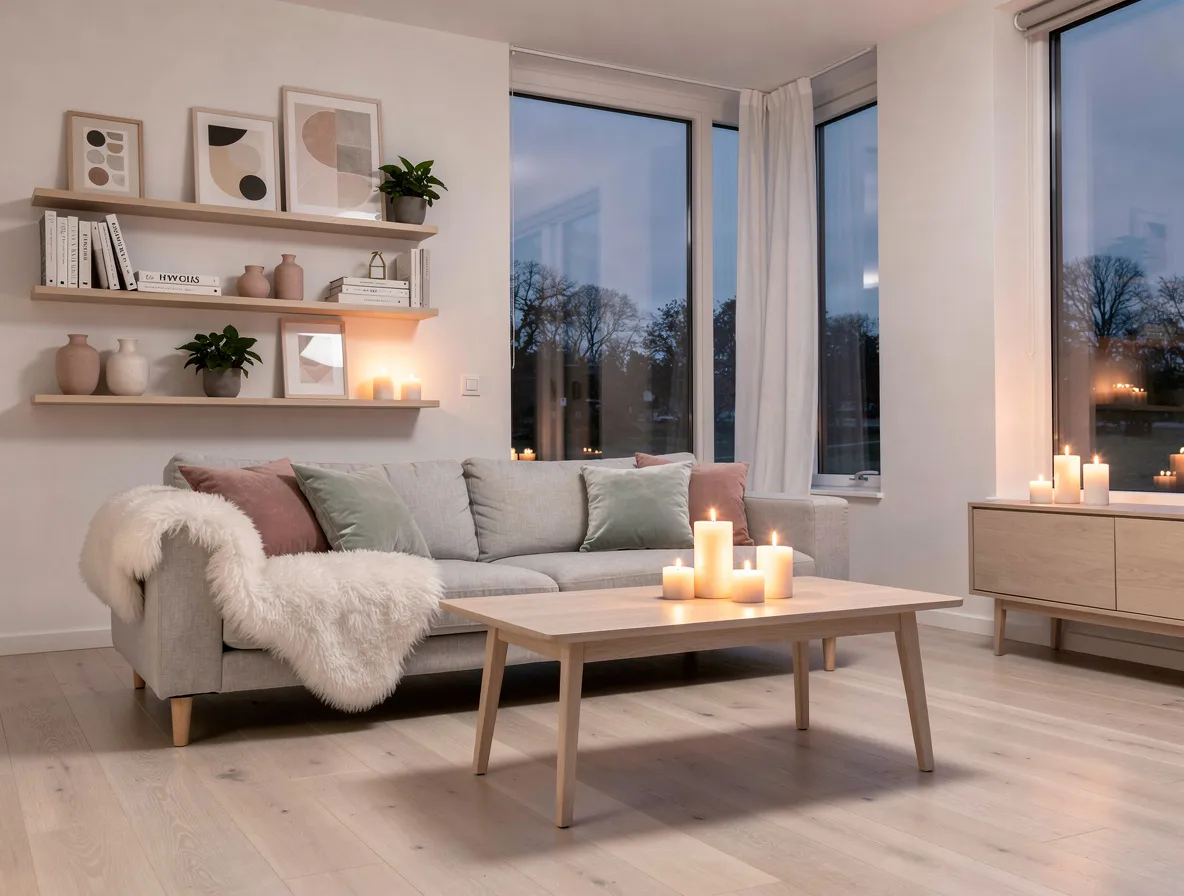
About the Style
What Is Nordic Design?
Nordic design encompasses the complete design traditions of Scandinavia and Finland - Alvar Aalto's organic Finnish modernism, Danish mid-century masters Arne Jacobsen and Finn Juhl, Norwegian vernacular timber building, and the Swedish Democratic Design philosophy of IKEA's founder. What unites them is a deep connection to natural northern landscape, the use of locally available materials (birch, pine, wool, ceramic), functional excellence, and the belief that well-designed objects make everyday life better.
Why People Love It
-
The Nordic countries have produced more great designers per capita than any other region
-
Alvar Aalto birch plywood furniture is among the most beautiful ever made
-
The Democratic Design philosophy delivers excellence at every price point
-
Deep connection to natural landscape creates a unique sense of seasonal awareness
Key Characteristics
-
Pale birch, pine, and oak used throughout
-
Functional excellence in every object
-
Deep connection to natural northern landscape
-
Alvar Aalto organic curves and plywood forms
-
Traditional and contemporary Nordic furniture mixed
-
Warm lighting critical in dark winter months
Color Palette
Materials
Ideal For
Room-by-Room
Nordic Design in Every Room
How nordic design translates across every space in your home
Living Room
Aalto birch plywood stool and side table, a pale linen sofa, a reindeer hide rug, Iittala glass vessels, and winter candle clusters.
Kitchen
Pale birch or ash cabinetry, simple ceramic handles, a stone or concrete countertop, and functional but beautiful Nordic tableware.
Bedroom
Birch or ash bed frame, white linen bedding, a wool blanket in a muted Nordic color, simple bedside lamp, and blackout linen curtains.
Bathroom
Nordic-style birch bath accessories, simple white ceramic, arctic stone tile, and a large window if privacy allows.
Exterior
Timber cladding in traditional dark or red-painted board, a simple pitched roof, a covered entry, and planting suited to the northern climate.
Visualize It First
See Nordic Design in Your Space
Upload any photo and our AI transforms it into nordic style in seconds
Upload a photo
Any room, any angle. Interior or exterior - phone photo is fine.
Select "Nordic"
Choose this style from our library or describe it to the AI in plain language.
Get your design
Photorealistic result in seconds. Download in HD or 4K resolution.
Expert Advice
How to Achieve Nordic Design
Practical tips from designers who work with nordic style every day.
Source Alvar Aalto or licensed Artek pieces as the design anchor - the organic birch plywood forms are incomparable and available at relatively accessible prices.
Use pale birch, pine, or ash throughout in a consistent tone - the natural light wood palette is the defining Nordic material language.
Acknowledge the seasons deliberately - change textiles, colors, and object displays with the seasons as Nordic homes traditionally do.
Install warm, layered lighting for winter: candles, floor lamps, pendant clusters, and no harsh overhead light create the Nordic glow in dark months.
Incorporate one piece of Finnish or Swedish glass design (Iittala, Orrefors) as a lighting or decorative object - Nordic glass is the finest in the world.
Curious Facts
Surprising Things Most People Get Wrong About Nordic Design
Nordic design is one of the most globally copied aesthetics - and also one of the most misunderstood, with a set of popular misconceptions that designers and Scandinavians themselves find entertaining.
Hygge is Not a Design Style
The word 'hygge' (pronounced 'hoo-ga') is a Danish and Norwegian word describing a quality of cozy, convivial wellbeing. It is a feeling, not a design style. A room can have hygge in any aesthetic as long as it is warm, comfortable, and designed for togetherness. The hygge industry that emerged around 2016 - selling scented candles, sheepskin rugs, and linen throws as 'hygge products' - is a commercial translation of a word that was never meant to describe products at all.
Finnish Design is Different From Scandinavian
Finland is Nordic but not Scandinavian - it is a Finno-Ugric culture linguistically distinct from Swedish, Danish, and Norwegian. Finnish design (Alvar Aalto, Tapio Wirkkala, Marimekko, Iittala) has its own specific character: more organic, more dramatic in form, and more color-confident than typical Scandinavian design. Grouping Finnish and Scandinavian design as interchangeable is a category error that would offend most Finns.
The Original IKEA Was Not Minimalist
IKEA's first catalog (1951) featured traditional Swedish folk-inspired furniture - colorful, decorated, and entirely unlike the minimalist design the brand is associated with today. The minimalist IKEA emerged in the 1980s as the company sought to scale internationally and found that clean, undecorated design was more universally acceptable than culturally specific Swedish folk design. IKEA's identity is a marketing decision, not a design heritage.
Norway's Cabin Culture is as Important as Apartment Design
The Norwegian concept of 'friluftsliv' (open air life) means that most Norwegians see their relationship with the outdoors as a fundamental part of their cultural identity. Norwegian design is shaped by this dual life: the austere, functional city apartment and the rough, warm mountain hytte (cabin). The hytte interior - reclaimed wood, simple bunks, a wood stove, woolen blankets - is as authentically Nordic as any Instagram apartment.
Style Pairings
Styles That Complement Nordic
Mix nordic with these styles for a layered, personal look.
Minimalist
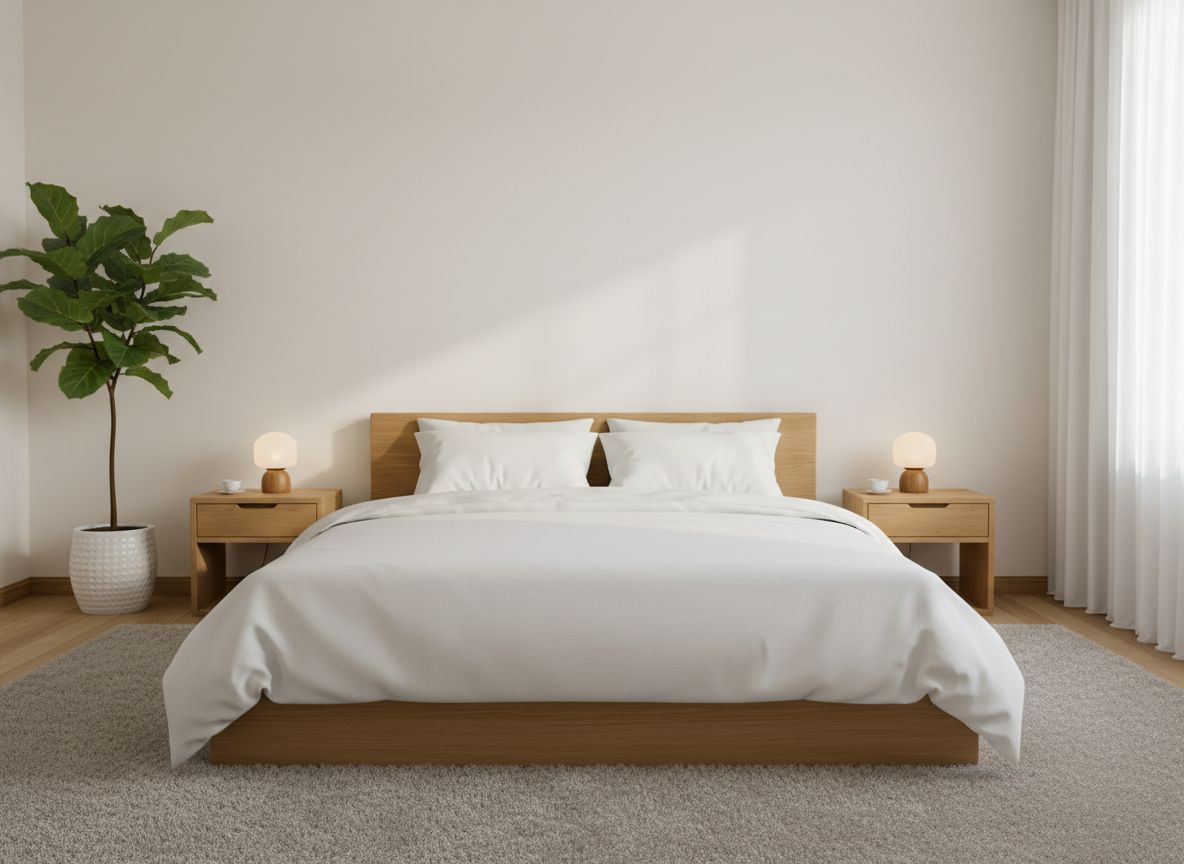
Less is more. Ultra-clean surfaces, hidden storage, and a focus on function. For those who love simplicity in every room.
Scandinavian
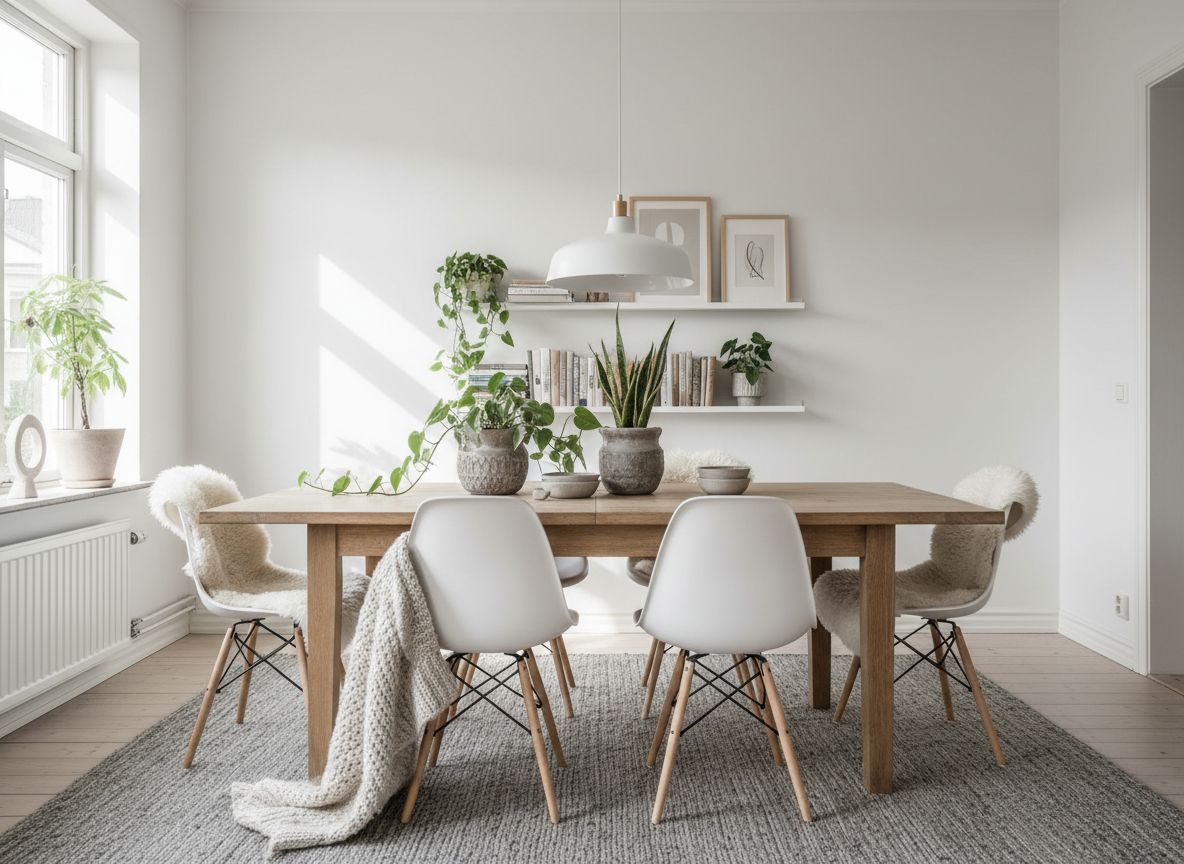
Light, airy, and hygge-inspired. White walls, light wood, and functional design that brings warmth to every room.
Natural
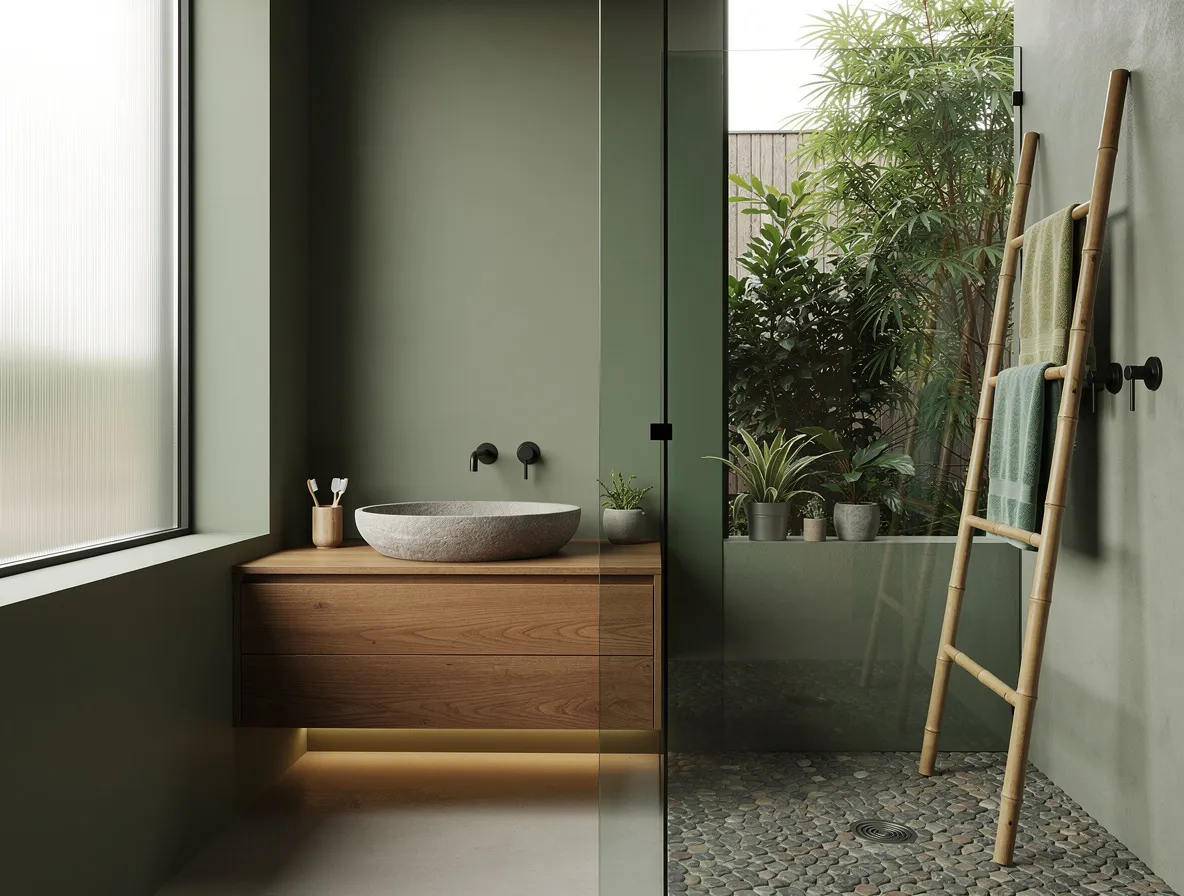
Stone basins, wooden vanities, and pebble accents bring the serenity of the outdoors into every room.
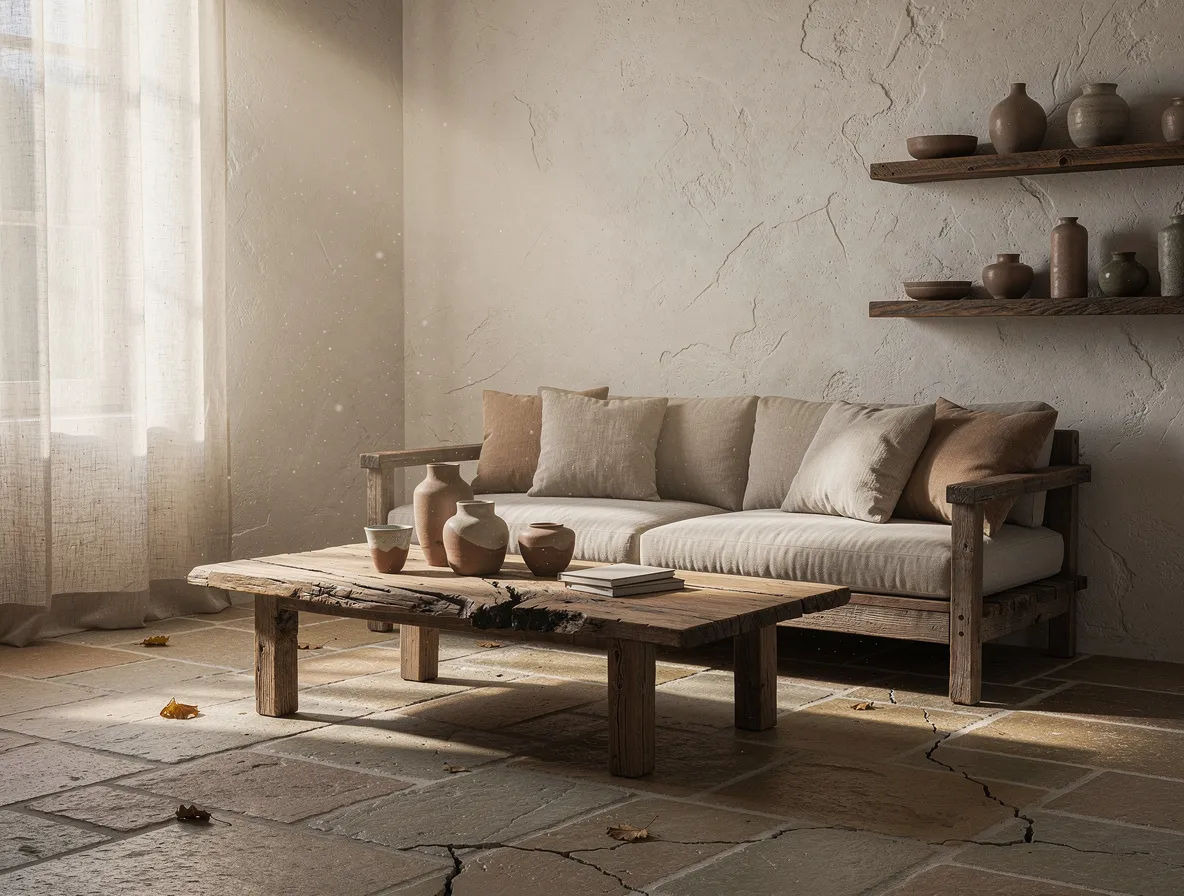
Wabi-Sabi
Celebrating imperfection with handcrafted ceramics, weathered wood, and natural linen for authentic, soulful spaces.
Common Questions
Nordic Design: FAQ
What is the difference between Nordic and Scandinavian design?
Scandinavian refers to Denmark, Sweden, and Norway. Nordic includes Finland and Iceland as well. Finnish design has its own distinct character (Aalto, Marimekko) that differs significantly from Scandinavian. The terms are often used interchangeably but are technically different.
What materials are most used in Nordic interior design?
Light-toned woods (birch, pine, light oak), natural stone (particularly in Norwegian and Finnish contexts), wool and sheepskin textiles, ceramic and stoneware in natural earth tones, and glass that maximises natural light.
What is hygge and how does it relate to interior design?
Hygge is a Danish and Norwegian concept of cozy, togetherness-based wellbeing. In interior design it translates to spaces arranged for comfort and gathering - soft lighting, layers of natural textiles, and a central gathering point like a fireplace or large table.
Why is Nordic design so popular globally?
It offers a template that works across different cultural contexts: natural materials, quality craftsmanship, functional simplicity, and an emphasis on human comfort. It is design that prioritises people over objects - a universally appealing value.
What is the most important furniture piece in a Nordic interior?
The dining table. Nordic culture centres home life on shared meals and conversation, and the dining table is the social architecture of the home. It should be large enough for everyone, sturdy enough to last generations, and made of a natural material that marks time well.
Ready to Transform Your Space?
Upload a photo and see it in nordic style - or any of our 80+ other styles - in seconds.