Shaker Design
Functional simplicity, honest craftsmanship, and the philosophy that beauty emerges from usefulness define Shaker design - the most enduring American design tradition.
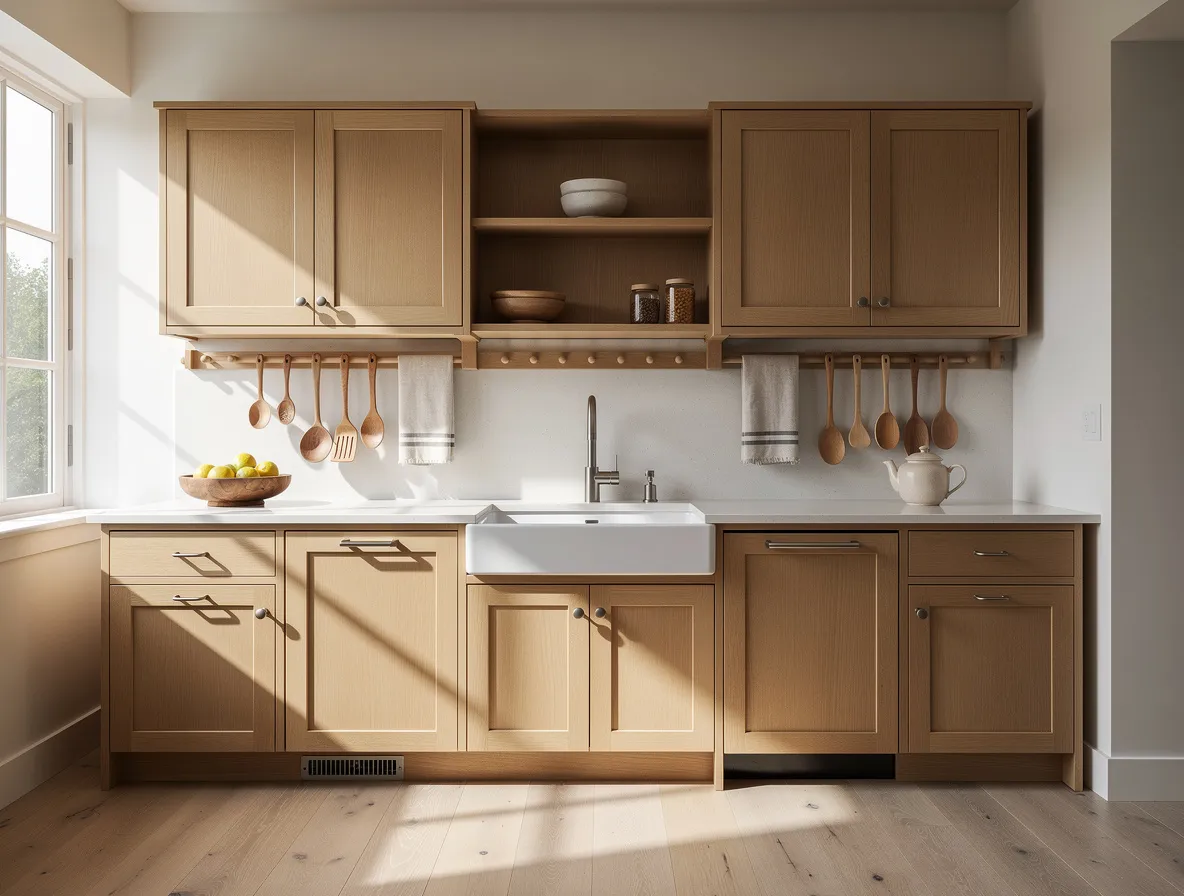
About the Style
What Is Shaker Design?
Shaker design emerged from the Shaker religious communities of 18th and 19th century America, guided by the principle 'Don't make something unless it is both necessary and useful; but if it is both necessary and useful, don't hesitate to make it beautiful.' The result is furniture and architecture of pure, functional beauty - tapered legs, peg rails, dovetail joints, and the simplest possible forms executed with master craftsmanship.
Why People Love It
-
The most pure expression of functional beauty in American design history
-
Shaker furniture is among the most honest and well-crafted ever made
-
Peg rails are the most practical and beautiful storage solution ever devised
-
The simplicity and quality of Shaker work outlasts every trend by centuries
Key Characteristics
-
Recessed panel cabinet doors - the defining Shaker element
-
Peg rails running at chair-rail height
-
Tapered square legs on all furniture
-
Visible dovetail joinery as decorative element
-
No applied ornament - beauty through form and proportion
-
Natural wood finishes - milk paint or clear oil
Color Palette
Materials
Ideal For
Room-by-Room
Shaker Design in Every Room
How shaker design translates across every space in your home
Living Room
A peg rail with wool blankets and baskets hung from it, simple maple furniture, milk-painted built-ins, and nothing on any surface.
Kitchen
Recessed-panel cabinetry in cream or Shaker red, simple iron hardware, a farmhouse sink, maple butcher block, and a peg rail for utensils.
Bedroom
A simple cherry or maple bed, peg rail for clothing and bags, a woven blanket chest at the foot of the bed, and minimal bedside furniture.
Bathroom
Simple wood-framed mirror, peg rail for towels, plain white tile, and simple iron or wooden hardware throughout.
Exterior
Simple painted clapboard or board-and-batten, a plain paneled door, no ornament, and unfussy symmetrical planting.
Visualize It First
See Shaker Design in Your Space
Upload any photo and our AI transforms it into shaker style in seconds
Upload a photo
Any room, any angle. Interior or exterior - phone photo is fine.
Select "Shaker"
Choose this style from our library or describe it to the AI in plain language.
Get your design
Photorealistic result in seconds. Download in HD or 4K resolution.
Expert Advice
How to Achieve Shaker Design
Practical tips from designers who work with shaker style every day.
Install a peg rail at chair-rail height (around 1.2m) in every room - it is the single most Shaker element and the most useful storage innovation of American design.
Specify recessed-panel cabinetry doors with simple hardware (turned wooden knobs, simple iron latches) for authentic Shaker kitchen design.
Use milk paint in authentic Shaker colors: Shaker red (a dark red-brown), deep blue, forest green, or cream-white on furniture and woodwork.
Source or commission cherry, maple, or pine furniture with visible dovetail joints - the joinery is both structural and decorative.
Keep surfaces absolutely clear - the Shaker philosophy demands that everything has a place (on a peg rail, in a built-in) and nothing lives on surfaces.
Design History
How a Religious Community Created the Most Imitated Design in America
Shaker design was not created by designers - it was the product of a religious community with specific theological beliefs about simplicity, utility, and the worship of God through work.
Ann Lee Brings the Shakers to America
Mother Ann Lee led a small group of Shaking Quakers from Manchester, England to upstate New York in 1774 and founded the United Society of Believers in Christ's Second Appearing. The Shakers lived communally, rejected marriage and procreation, and believed that every object they made was an act of worship. Their theology required perfection in craft: 'Do all your work as though you had a thousand years to live and as you would if you knew you must die tomorrow.'
The Peak of Shaker Design
At its peak in the 1840s, the Shaker movement had 6,000 members across 19 communities from Maine to Kentucky. Their workshops produced furniture, tools, textiles, and architecture of extraordinary quality - flat-fronted chests of drawers, ladder-back chairs, built-in storage, oval boxes, and round barns. Everything was designed to function perfectly for its purpose with no ornament and no waste.
America Discovers Shaker Craft
The 1876 Philadelphia Centennial Exposition included a display of Shaker goods that introduced the style to mainstream America. Visitors encountering chairs and cabinets of radical simplicity and perfect craftsmanship found them both strange and compelling. The aesthetic that had developed in isolation for a century was suddenly visible to a national audience and began its journey into the mainstream.
The Last Shakers and a Living Legacy
The Shaker movement declined through the 20th century. The last active Shaker community at Sabbathday Lake, Maine, now has fewer than ten members. But Shaker design has achieved an immortality its creators could not have imagined - Shaker kitchen cabinetry is the world's best-selling kitchen style, and the simple flat-panel door with a central frame (the shaker door) appears in more kitchens than any other design.
Style Pairings
Styles That Complement Shaker
Mix shaker with these styles for a layered, personal look.
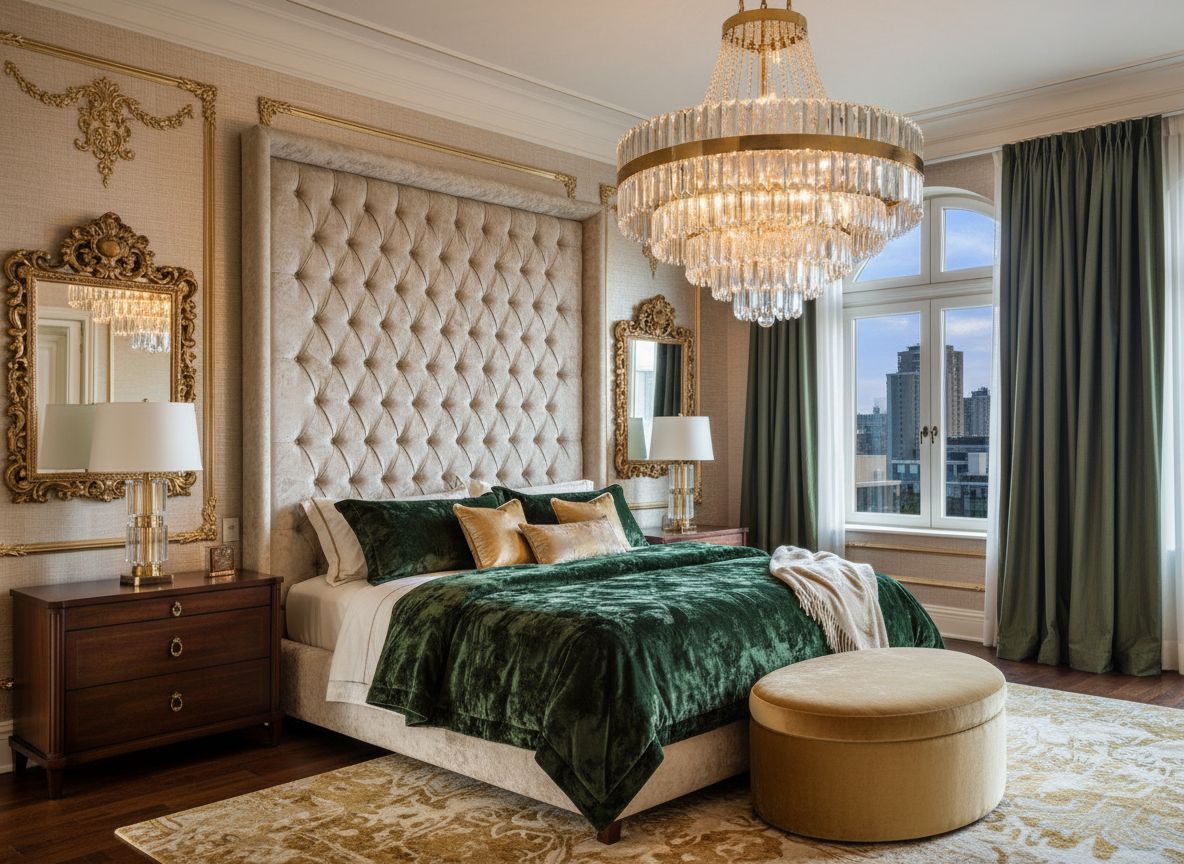
Traditional
Timeless elegance with ornate details and rich finishes. Crown molding, raised panels, and classic palettes for sophisticated spaces.
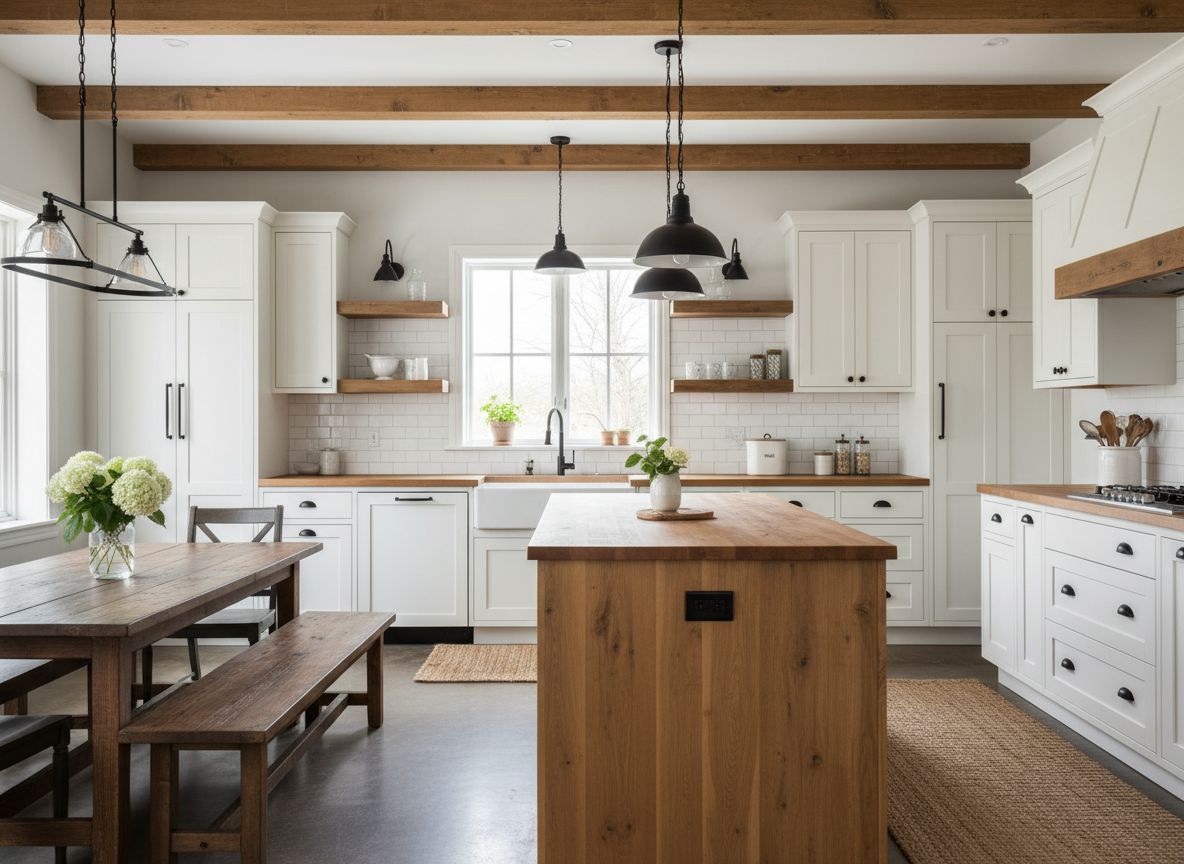
Farmhouse
Warm, inviting spaces with rustic charm and modern comfort. Shaker cabinets, natural wood elements, and vintage-inspired fixtures.
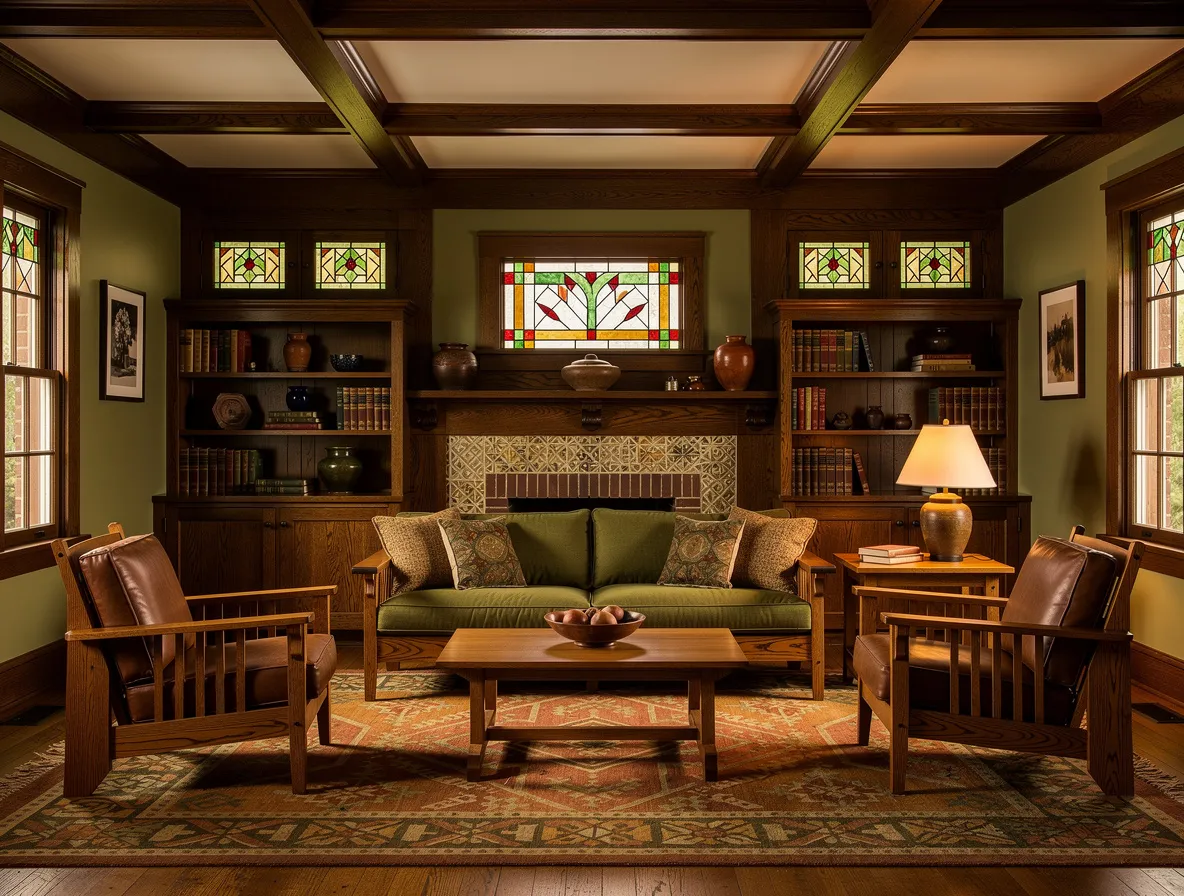
Craftsman
Built-in bookcases, rich wood trim, and stained glass accents celebrate the arts-and-crafts movement's legacy.
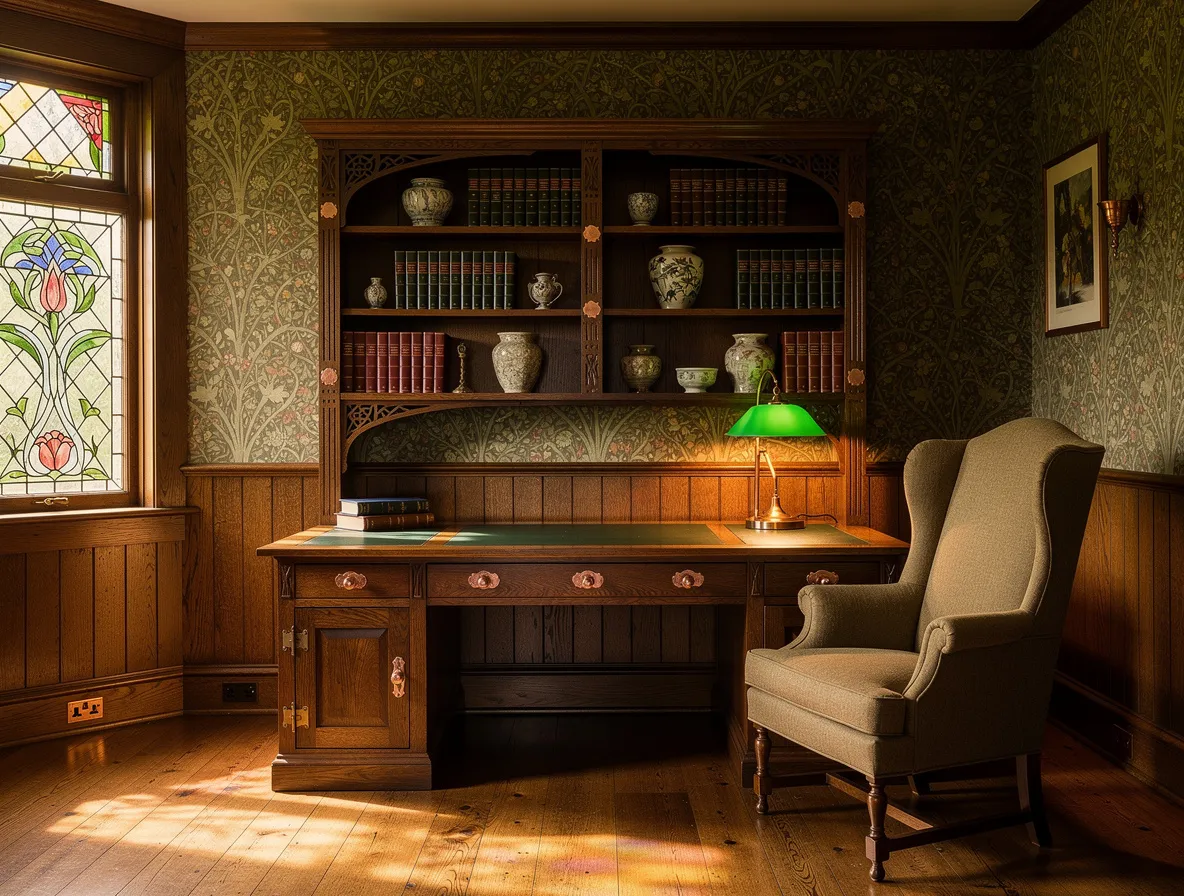
Arts & Crafts
Handcrafted woodwork, William Morris wallpaper, and copper hardware honor the beauty of artisanal craftsmanship.
Common Questions
Shaker Design: FAQ
What are the key characteristics of Shaker design?
Functional simplicity, flat surfaces without ornament, ladder-back chairs, built-in storage, natural wood in light colors, and a theological commitment to quality - every piece made to last generations and made as an act of worship.
What wood is used in Shaker furniture?
Cherry, maple, walnut, and pine - often in natural finishes that allow the wood grain to show. Shakers used local woods appropriate to each community's region. Painted furniture (typically in red, blue, and yellow) was common for utilitarian pieces.
Why is Shaker kitchen style still so popular?
The flat-panel shaker door is clean, timeless, and easy to produce consistently. It works in both traditional and contemporary contexts, suits any color, and has no ornamental detail that can go out of fashion. It is the perfect functional design.
What is the difference between Shaker and Arts and Crafts design?
Both value quality craftsmanship and simplicity. Shaker is more severe - absolutely no ornament, radical utility. Arts and Crafts values hand workmanship and allows some decorative detail (carved joint details, metal hardware as ornament). Shaker preceded Arts and Crafts and influenced it.
Can Shaker design work in a contemporary home?
Perfectly. Shaker design is so pared-down that it reads as contemporary. The Shaker kitchen cabinet, natural wood furniture, and simple painted walls work in any 21st-century context without appearing historical or dated.
Ready to Transform Your Space?
Upload a photo and see it in shaker style - or any of our 80+ other styles - in seconds.